
Last updated November 18, 2026
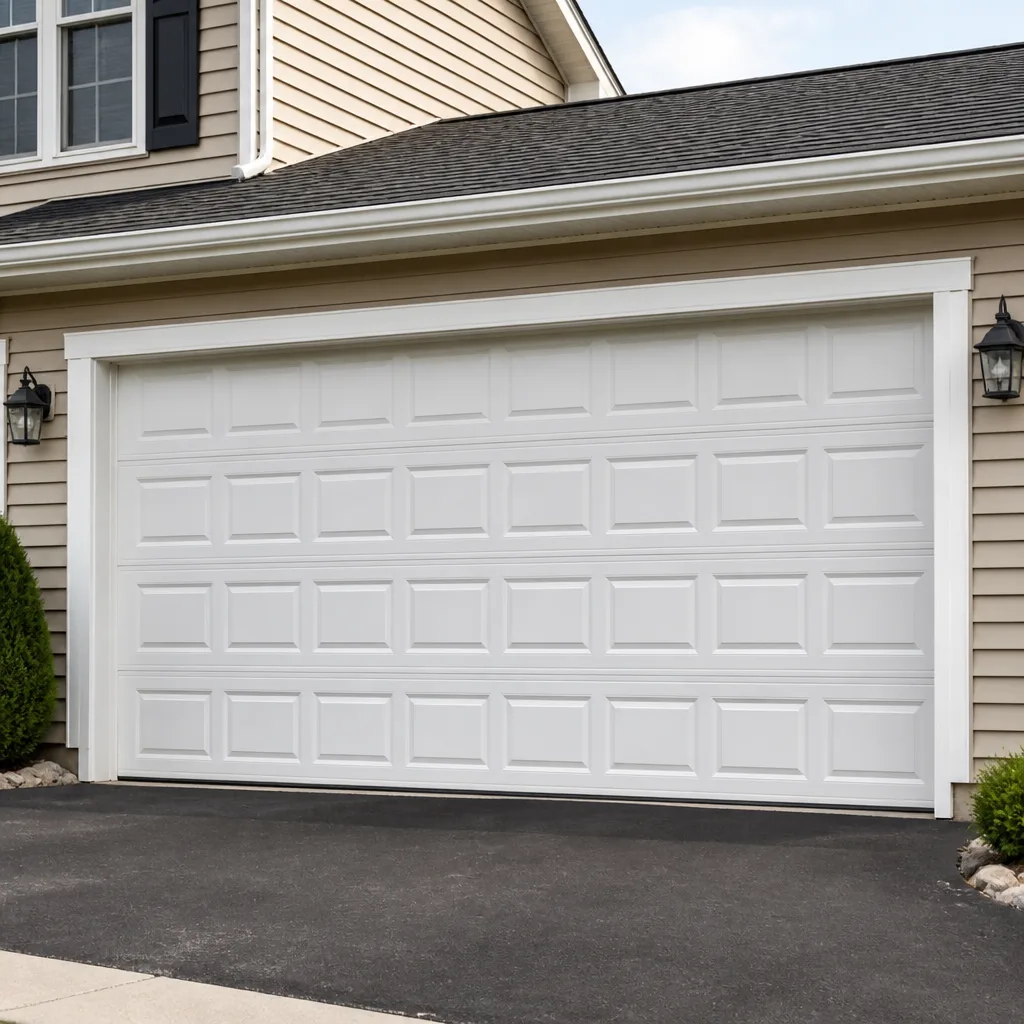 Raised-panel steel
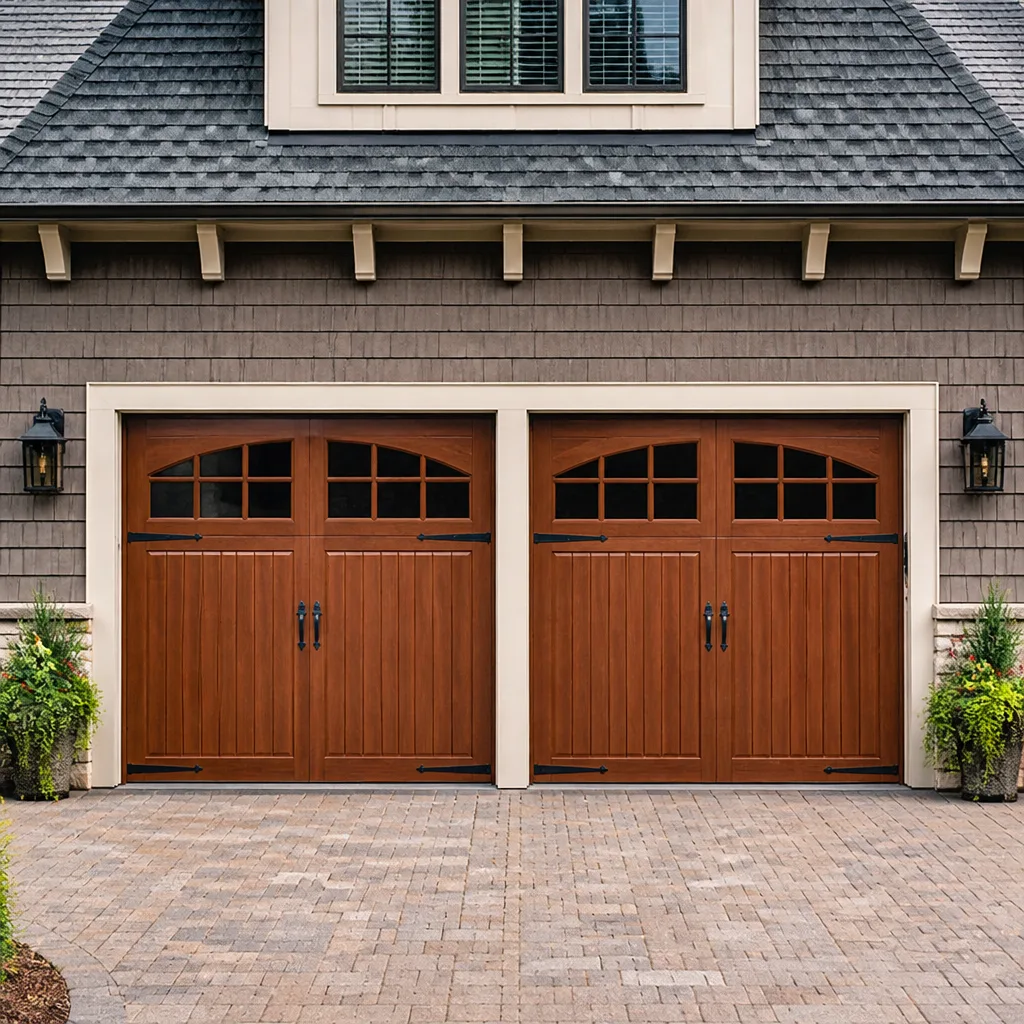 Carriage house
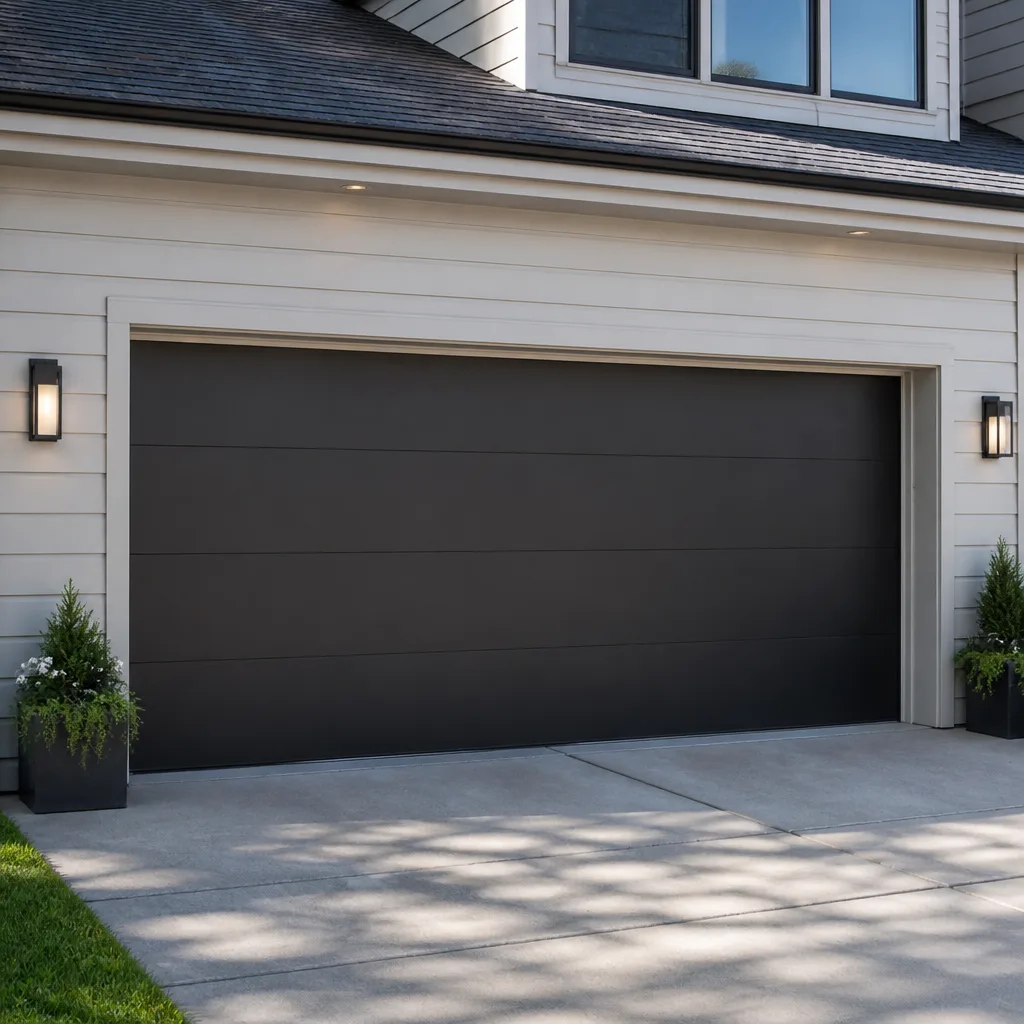 Modern flush
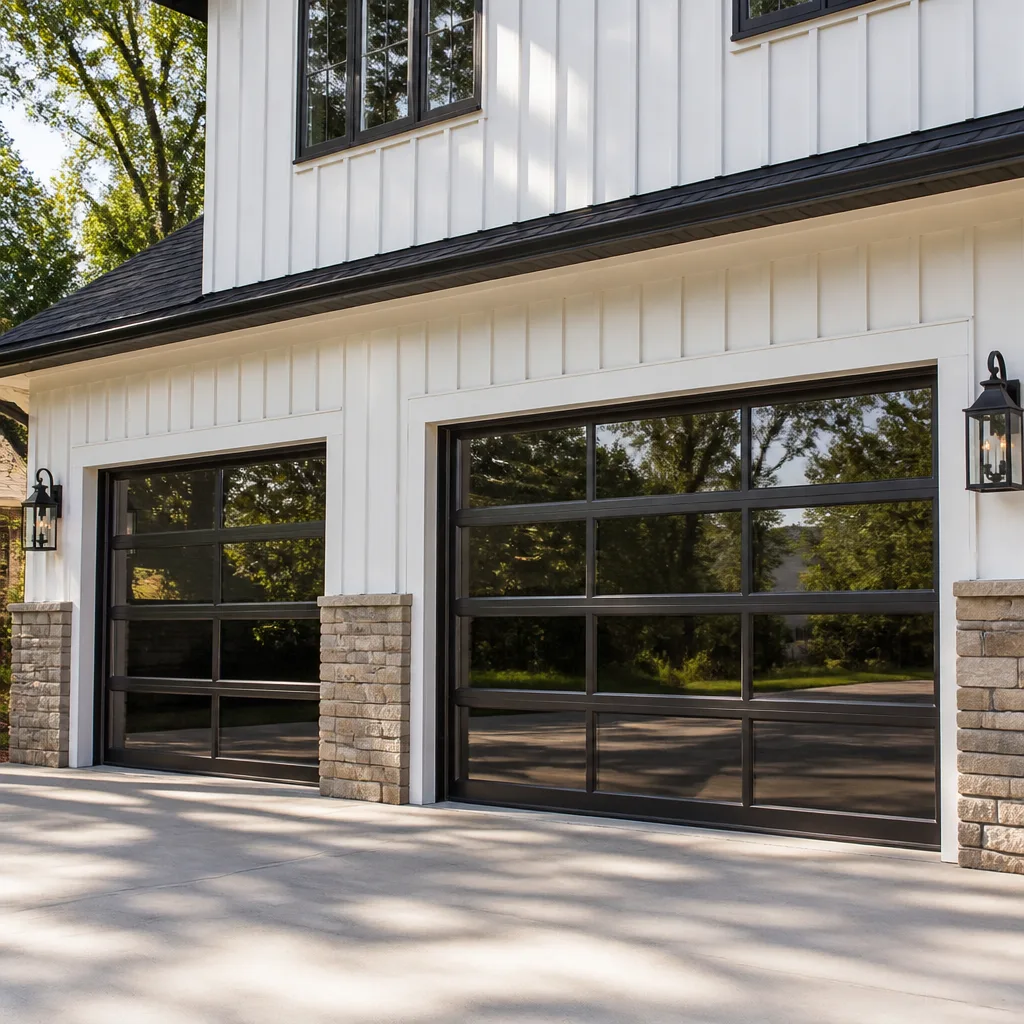 Full-view glass
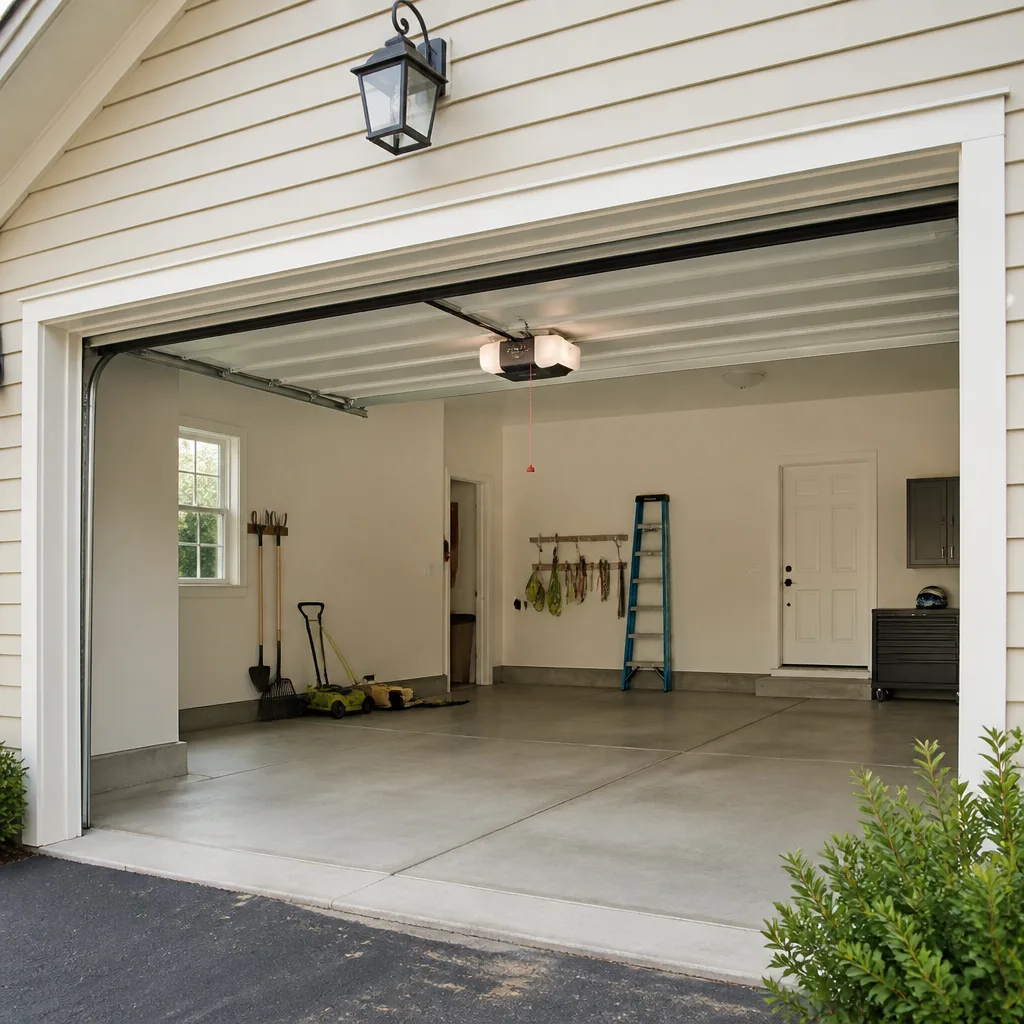 LiftMaster openers
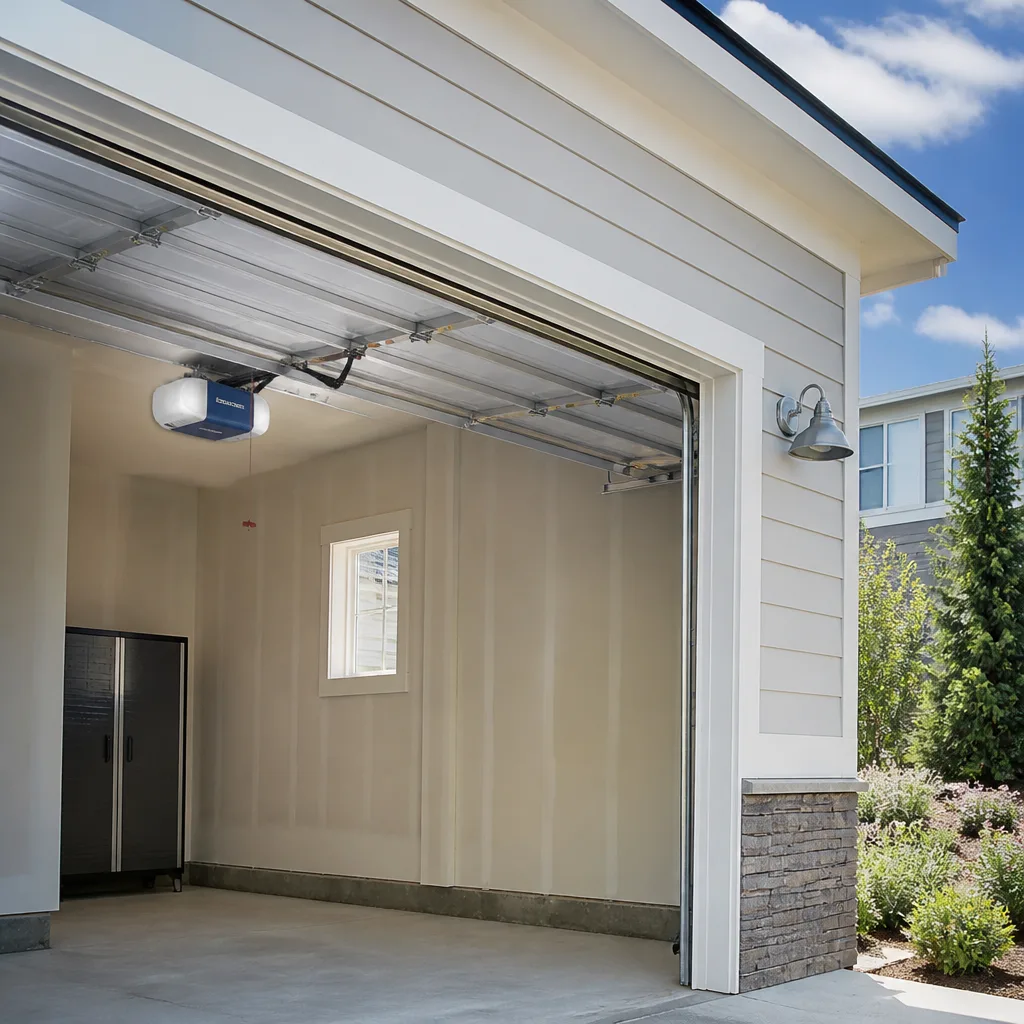 Chamberlain openers
Full 25-point door and opener safety check with every visit - springs, cables, rollers, tracks, and your LiftMaster or Chamberlain opener included
You get a price before we start. It does not change when the pro arrives.
Get your free estimateThe Complete Garage Door Parts Guide for North Las Vegas Homeowners
The part that fails most often on North Las Vegas garage doors isn’t the springs or the opener. It’s the bottom seal. Our desert sun and 100-plus-degree summers turn rubber into chalk in about eighteen months, and most homeowners never notice until they’re sweeping a fresh layer of desert dust off the garage floor every morning. Springs and openers get all the attention, but the cheap rubber at the bottom is quietly on the fastest clock of anything on your door. This guide is organized by how often parts actually fail here, in our climate, in our neighborhoods, so you know what’s wearing out first and why. Know your door’s anatomy and you’ll never get sold a repair you don’t need.
Quick Answer
On a North Las Vegas garage door, parts fail in a predictable order that’s driven by heat, UV, and dust rather than what the manual says. The bottom seal usually goes first, then rollers and hinges, then cables, and springs last but hardest. Homeowners can safely replace a bottom seal, weatherstripping, and rollers on a door with the tension released, but cables, springs, and anything under load require a trained tech. The whole point of learning the parts is to catch the cheap failures before they take the expensive ones with them.
Styles & brands we work with
- Raised-panel steel
- Carriage house
- Modern flush
- Full-view glass
- LiftMaster openers
- Chamberlain openers
Table of Contents
- The North Las Vegas Failure Order: What Goes First and Why
- Bottom Seal: The Part on the Fastest Clock Here
- Rollers: Nylon vs. Steel and What Desert Dust Does to Both
- Cables: The Part You Should Never Touch Yourself
- Springs: Counting Cycles in Desert Heat
- Galvanized vs. Standard Steel: The Sprinkler Rust Problem
- OEM vs. Aftermarket: Where Cheap Costs You Twice
- The Ten-Minute Walk-Around Inspection
The North Las Vegas Failure Order: What Goes First and Why
Most parts guides list components alphabetically. That’s a catalog, not help. What you actually need to know is which part is on a faster clock here than it would be almost anywhere else in the country. In our experience across North Las Vegas, the order looks like this:
- Bottom seal – eighteen months to three years. UV and heat crack it, and once it’s gone, dust and crickets walk right in.
- Rollers – three to five years. Dust grinds them, heat dries the bearings, and a worn roller drags and howls.
- Hinges – four to six years. Standard steel hinges rust from sprinkler overspray and seize at the pivot.
- Cables – five to eight years. Heat and constant load fray them from the inside out.
- Springs – seven to twelve years, or far fewer if they’re cheap. The heat cycling is brutal on them.
- Tracks and panels – ten years and up unless something hits them or a roller fails and bends the track.
Notice that the cheapest parts fail first. That’s the whole lesson of this guide. A $30 bottom seal replaced on time protects your panels, your track, and your floor from dust and water intrusion. Skip it for three summers and you’re looking at a much bigger repair. North Las Vegas homes in newer developments like the ones off the 215 deal with the same sun and dust as older neighborhoods closer to downtown, so the order holds everywhere in the valley. When you’re ready to have any of these looked at, start with Garage Door Repair in North Las Vegas and we’ll tell you what’s actually worn. Our technicians have up to 22 years of experience with every major brand, from Genie to Clopay.
Bottom Seal: The Part on the Fastest Clock Here
If you’re sweeping desert dust off the garage floor every morning, your bottom seal is probably shot. This is the rubber or vinyl strip that runs along the bottom of your lowest panel and presses against the concrete to seal the gap. In most of the country it lasts five years or more. In North Las Vegas, UV exposure and the heat that builds under a closed door crack it in eighteen months to three years. It dries out, goes chalky, then splits and peels away from the retainer.
This is the one part on your door most homeowners can replace themselves, and it’s worth doing. A few things to know:
- Measure the width of your door and the profile of your existing seal. There are a handful of common profiles (T-style, bulb, and blade) and getting the wrong one is the usual mistake.
- Get a desert-rated seal if you can. Standard black rubber is fine, but seals rated for high UV and heat hold up measurably longer here.
- Check the aluminum retainer too. If it’s bent or rusted, replace it with the seal.
- Weatherstripping around the sides and top fails on a similar clock and seals the same way.
Replacing a bottom seal takes about an hour with a ladder, a putty knife, and a new seal. It keeps dust, water, and pests out and it takes stress off the rest of the door. In neighborhoods like Aliante and the homes near Craig Ranch, we see these seals cooked through by the third summer after installation almost every time. If yours is chalky and cracked, that’s the first thing to fix. The rest of the door’s parts guide makes more sense once you understand where the sun hits hardest.
Rollers: Nylon vs. Steel and What Desert Dust Does to Both
Your door rides on a set of rollers, usually ten to twelve of them, that run inside the vertical and horizontal tracks. When people say their door sounds like a freight train, it’s almost always the rollers. In our dust, they’re the second thing to go after the seal. The fine grit that blows around North Las Vegas works its way into the roller stems and bearings and grinds them down. Heat finishes the job by drying out whatever lubrication was left.
The choice that matters is nylon vs. steel, and here’s the honest answer for a desert climate:
- Nylon rollers are quieter, don’t rust, and are the right call for most homes here. They cost a little more up front and last longer in heat and dust.
- Steel rollers are cheap and common on builder-grade doors. They rust from sprinkler overspray and seize, and a seized roller is what bends a track.
- Sealed-bearing rollers keep grit out better than open ones, which matters when dust is a daily fact of life.
You can replace rollers yourself only if you know how to release the door’s tension first, and that’s where homeowners get hurt or break something. Rollers sit in the track, and a door under spring tension is not a door to experiment with. This is the kind of small job that’s worth having done right the first time. A worn roller is also the most common cause of a door that shudders, squeals, or comes off track, so catching it early saves you a track repair. We swap rollers on doors across North Las Vegas every week, and we’ll tell you straight whether yours have life left or are due.
Cables: The Part You Should Never Touch Yourself
Your door has two cables, one on each side, that run from the bottom corners up to the drums at the top. They’re what keeps the door balanced and connected to the springs. Cables fail more often in North Las Vegas than you might expect because the heat and constant load fray them from the inside out, where you can’t see it until strands start to show. A cable that lets go under tension can whip across the garage with serious force.
Here’s the safety line, and we mean it: cables and springs are the parts you do not touch. Anything under tension on a garage door is dangerous. A door is 200 pounds riding on two springs, and a sudden cable failure can cause real injury. We don’t hand homeowners a DIY walkthrough for cables, and no honest guide should. What you can and should do is look, from a respectful distance, without touching:
- Look at the cables where they meet the bottom bracket and the drum. Fraying, kinks, or rust streaks mean they’re due.
- Check that the cable is sitting properly wound on the drum, not crossed or slack.
- Listen. A pop or snap followed by the door hanging crooked usually means a cable let go.
If you see any of that, stop operating the door and call a pro. A snapped cable plus an out-of-balance door is how tracks get bent and panels get creased. Our team handles cable replacement with the right tools and the tension done safely, and we tell you honestly whether the cables need replacing or just look worn. That’s the kind of part where saving a few dollars on your own is the most expensive decision you can make.
Springs: Counting Cycles in Desert Heat
A torsion spring or pair of them sits above the door or along a shaft, and the springs do the actual lifting. The opener just steers. Springs are rated by cycles, one cycle being one open and one close, and most standard springs are rated for roughly 10,000 cycles. In a house where the door runs four times a day, that’s several years. In desert heat the metal fatigues faster, and a spring that’s already at the end of its rated life can snap on a cold winter morning or a hot July afternoon alike.
We count spring cycles the way you count tire miles. If we know your door’s age and how often it runs, we can tell you roughly how much life is left before it breaks rather than after. A few things North Las Vegas homeowners should know:
- Springs fail without warning, usually with a loud bang, and the door becomes dead weight.
- Never try to wind or unwind a spring. The stored energy can kill. This is a trained-tech job, full stop.
- Replacing both springs together is usually the smarter move, because if one is at end of life the other isn’t far behind.
- Ask for the cycle rating on any replacement spring so you know what you’re getting.
If your door suddenly won’t lift, or you heard a bang and now it’s heavy, that’s a spring. If your vehicle is sealed inside and it’s nine at night, call and a live person picks up. We stock springs for every major brand and can usually get you moving fast. When the spring’s the problem, the fix is usually the same day. That’s the one part of the door where speed genuinely matters.
Galvanized vs. Standard Steel: The Sprinkler Rust Problem
Here’s something that surprises people in a desert: we see rust on garage door hardware all the time in North Las Vegas. The culprit is usually sprinkler overspray, not rain. If your door faces a lawn or a drip line, the hardware gets a little shower a few times a week, and cheap standard-steel hinges, brackets, and fasteners start to corrode. Add the heat and it happens faster than you’d expect. Standard steel is the default on builder-grade doors, and it’s the reason a five-year-old door can have hinges that are seized solid.
Galvanized hardware is coated with zinc that resists rust, and on a door near sprinklers it’s worth the small upcharge. The parts where this matters most:
- Hinges – the pivot points seize when they rust, and a seized hinge cracks the panel it’s bolted to.
- Bottom brackets and fasteners – rust here plus a bad cable is how corners fail.
- Track brackets – rusted brackets let the track shift and the door come off line.
If your door is close to a sprinkler head, ask for galvanized or a coated hardware set when anything gets replaced. It’s a small cost that buys years in our climate. We check hardware for rust on every service call, because it’s one of those failures that’s cheap to fix early and expensive to fix late. A door built by Clopay or Amarr with standard hardware can last a long time, but only if the rust-prone pieces get upgraded or replaced before they fail.
OEM vs. Aftermarket: Where Cheap Costs You Twice
When a part wears out you’ll be offered a factory part (OEM) or a cheaper aftermarket one. Sometimes the aftermarket part is fine. Sometimes going cheap means you pay twice. Here’s where the savings are real and where they aren’t, based on what we see on North Las Vegas doors.
Rollers: this is where cheap hurts most. A $2 steel roller will grind, rust, and drag within a couple of years and take your track with it. Spend a few dollars more for a sealed nylon roller and it quietly does its job for years. The savings here aren’t real.
Cable drums: the drums the cables wind around need to be the right size and material for your door’s weight. A cheap drum that wears or slips is a safety problem, not a bargain. OEM or a quality equivalent is the call.
Springs: a cheap spring may be rated for far fewer cycles than a quality one, and it’ll break sooner, which means you pay the labor twice. Ask for the cycle rating.
Bottom seals and weatherstripping: aftermarket is completely fine. A good aftermarket desert-rated seal is just as good as factory, often better in our heat.
Hinges and brackets: a decent aftermarket galvanized hinge holds up fine. This is a place you can save without regret.
The pattern is simple. Anything under tension, carrying weight, or guiding the door earns a quality part. Cosmetic or sealing parts can be aftermarket all day. Wayne Dalton and Genie both make solid factory parts, but so do good aftermarket suppliers, and we’ll tell you which is the honest choice for your door.
The Ten-Minute Walk-Around Inspection
You can catch the cheap stuff before it becomes the expensive stuff with a quick look around your door once a season. This is a look-and-listen inspection, not a repair. Do it with the door closed and the opener unplugged, and don’t touch anything under tension.
- Look at the bottom seal. Run your hand along it (door closed). If it’s chalky, cracked, or peeling, it’s due.
- Check for daylight under and around the door. A visible gap means the seal or weatherstripping has failed.
- Look at the cables from a distance. Any fraying or rust streaks at the bottom corners? Time for a pro.
- Check the springs for a visible gap in the coil. A gap means it’s broken. Don’t touch it.
- Look at hinges and brackets for orange rust, especially near sprinklers.
- Push the door up a foot by hand (with the opener off) and let go. It should stay put. If it drops, the springs are out of balance.
- Listen on the next open cycle. Grinding or squealing points to rollers or hinges.
That’s ten minutes and it’ll tell you most of what you need to know. If step two, three, four, or six turns up a problem, that’s the point to call rather than poke at it. We’ll do a free second opinion on any written estimate you’ve been given, so if someone’s quoted you a list of repairs, we’ll tell you what’s real and what can wait.
Common Mistakes to Avoid
- Ignoring the bottom seal until it’s gone. It’s the cheapest part on the door and the first to fail here. Replace it at the first sign of cracking, before dust and water get at your panels and floor.
- Buying cheap steel rollers to save a few dollars. They rust and seize in our dust and heat, and a seized roller bends tracks. Nylon is the smarter money in North Las Vegas.
- Trying to wind or unwind springs yourself. People get seriously hurt doing this every year. Springs and cables are professional work, no exceptions.
- Skipping the rust check near sprinklers. Standard-steel hardware near a drip line corrodes quietly until a hinge cracks a panel. Ask for galvanized.
- Letting one broken spring stay broken. Running a door on one spring overloads the other and the opener. Replace both when they’re due.
- Accepting a phone quote that grows at the door. Get the price in writing before anyone touches the door, and don’t pay more than the number you agreed to.
- Assuming a noisy door “just does that.” Grinding and squealing are rollers and hinges telling you they’re due. Catch it early and it’s a small job.
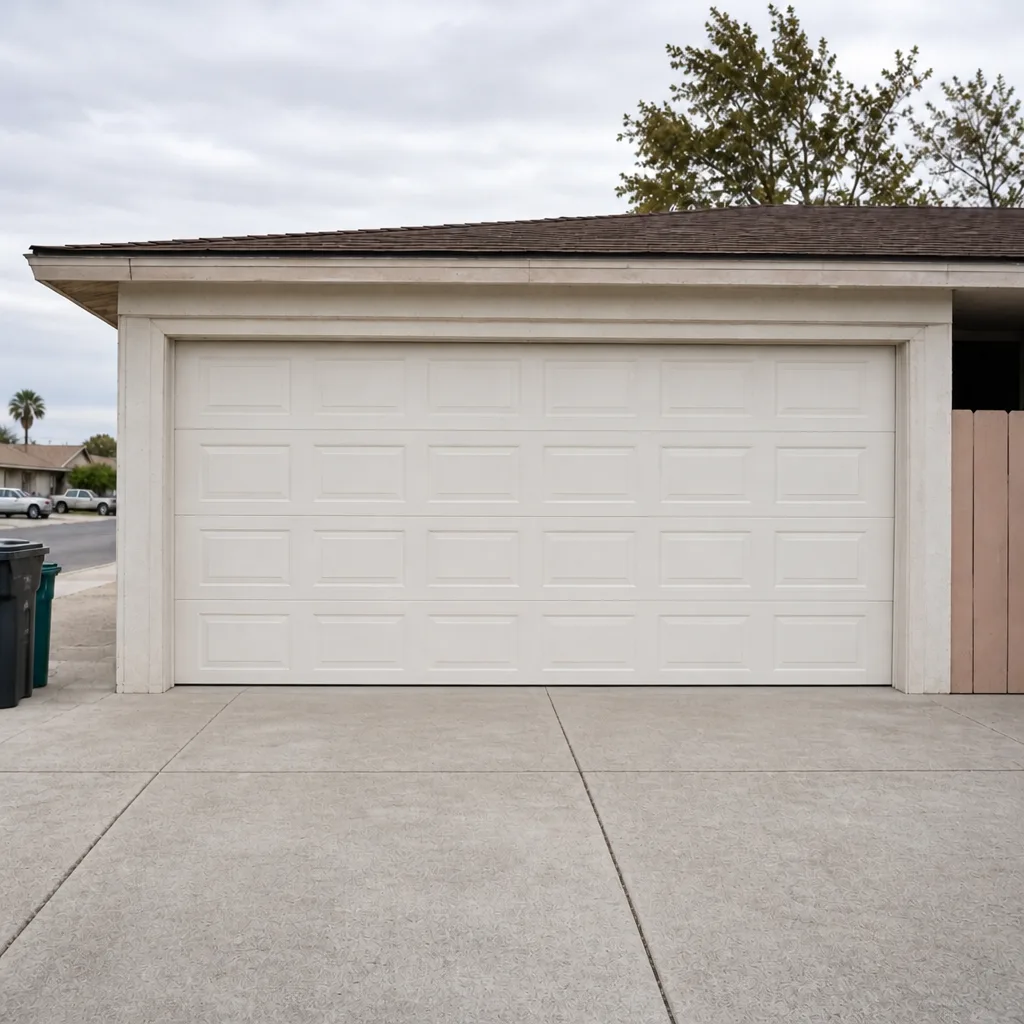
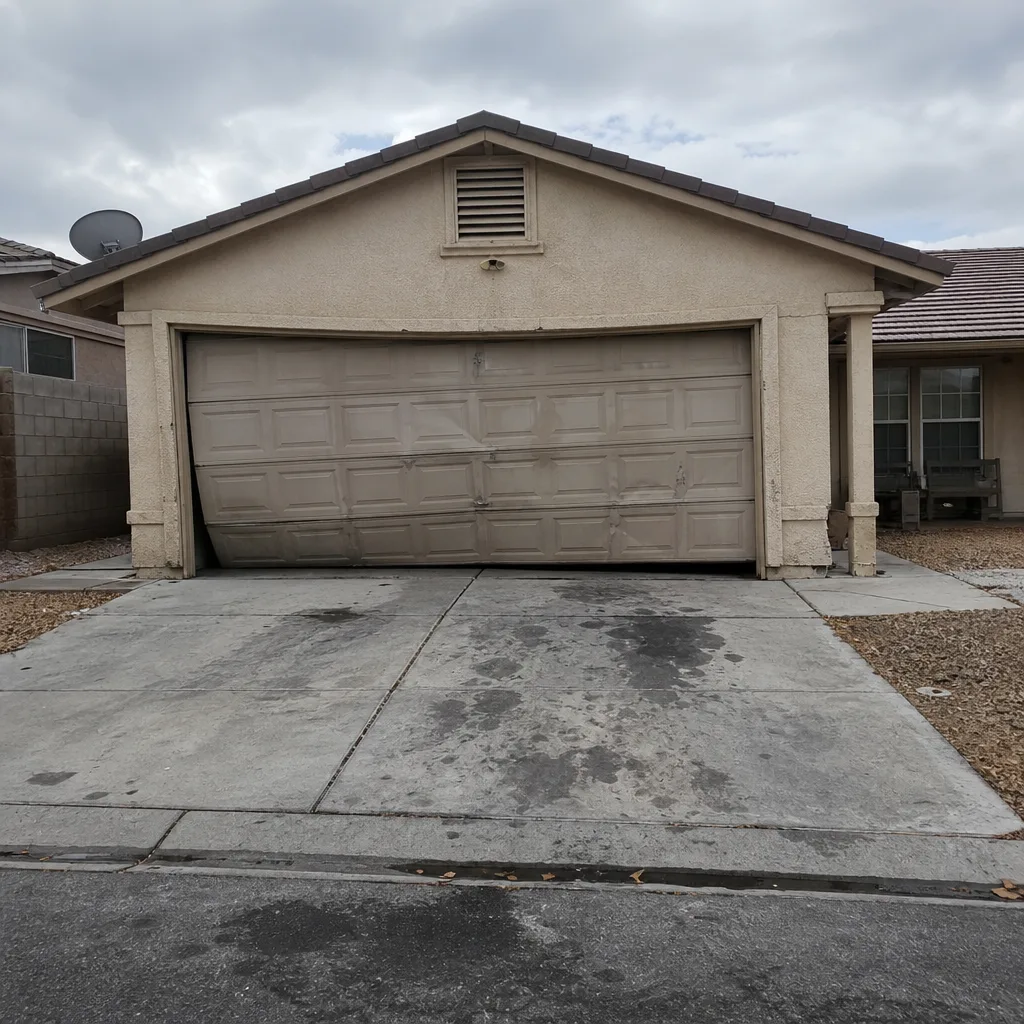
See the difference
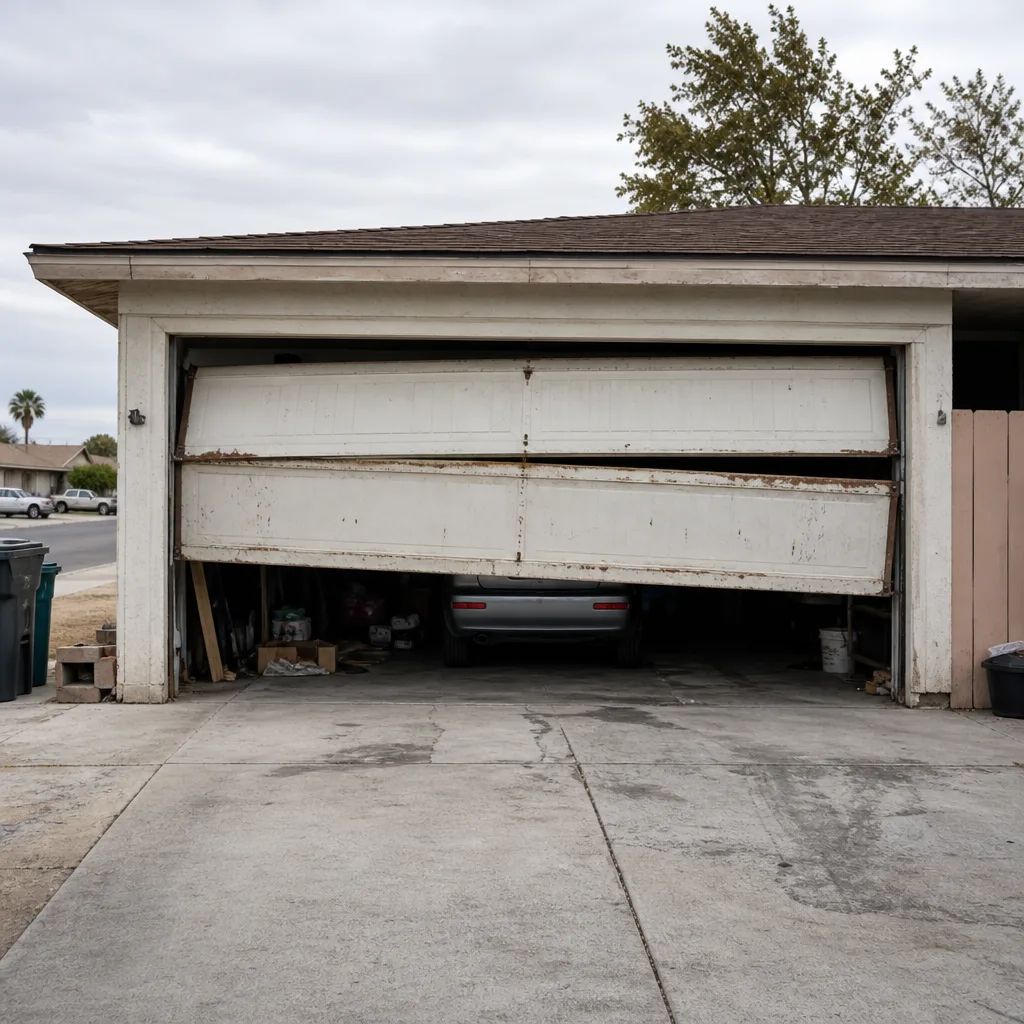 Before
 After
 Before
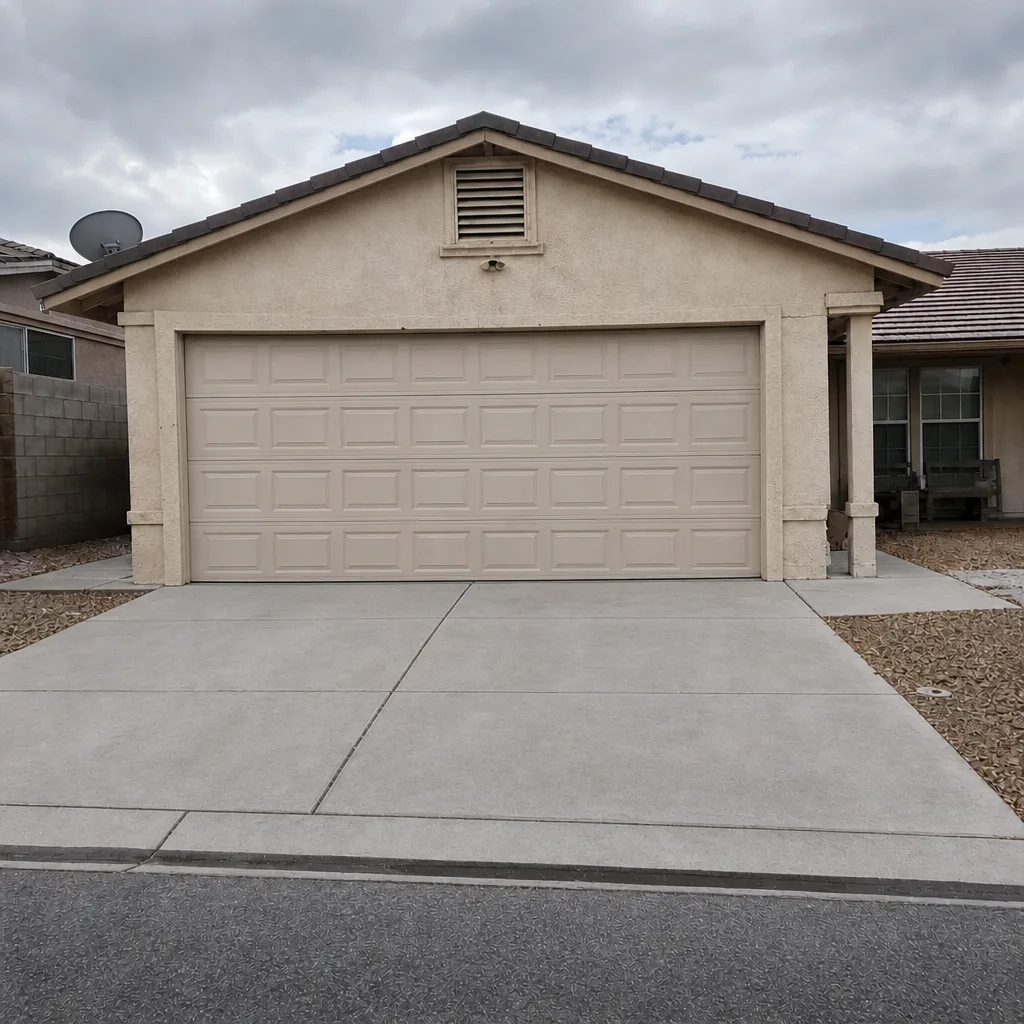 After
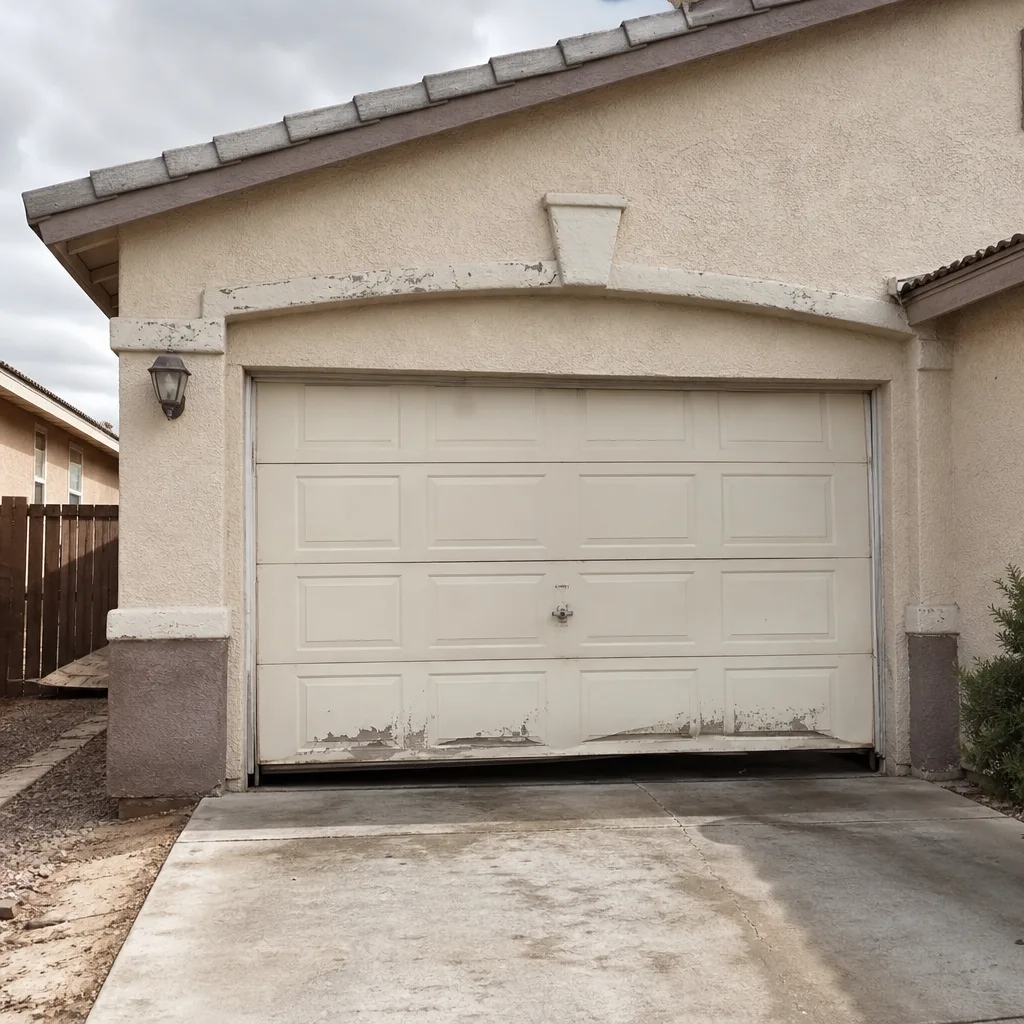 Before
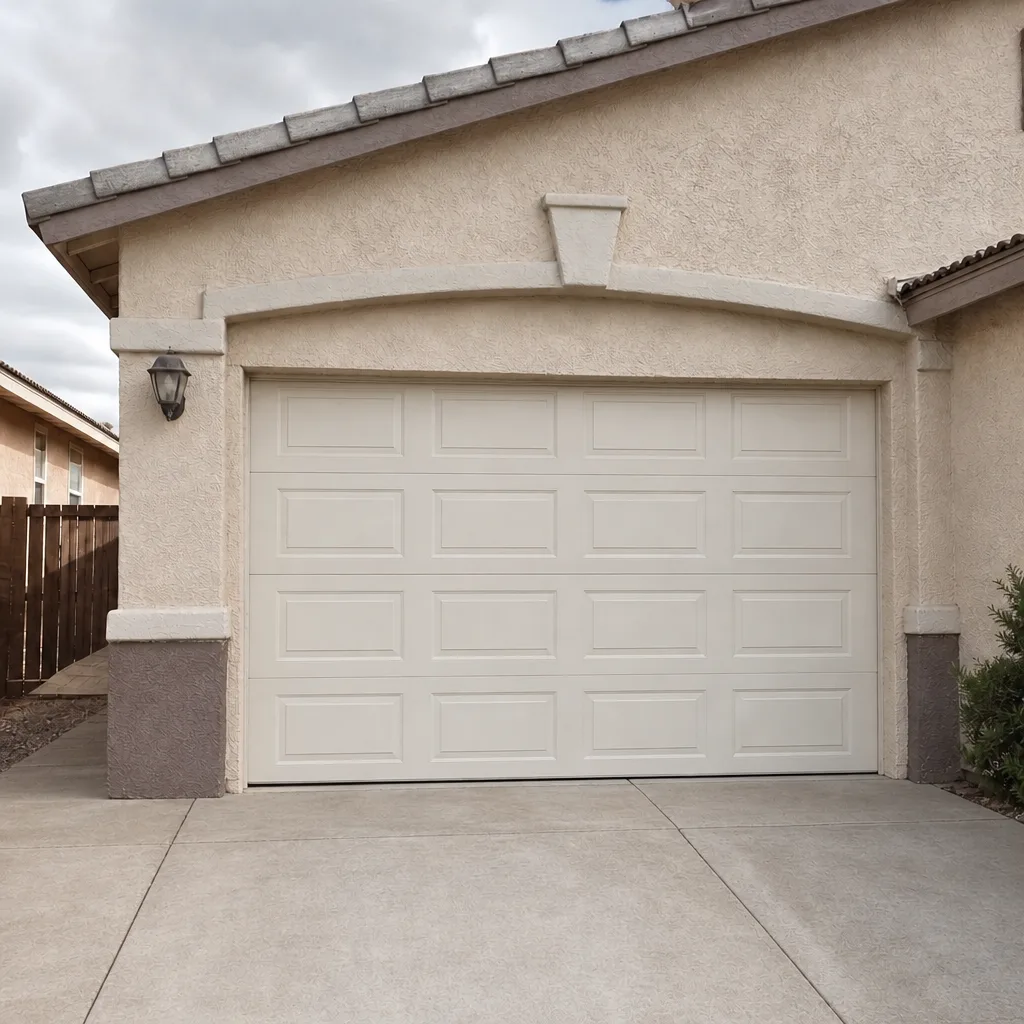 After
When to Call a Professional
Some of this work is yours, and some of it isn’t. Call a pro the moment a spring breaks, a cable shows fraying or snaps, the door comes off its track, or it drops when you lift it by hand. Those are the tension-and-weight jobs where a wrong move can hurt you or wreck the door. Rollers and hinges are borderline: fine to replace if you know how to release the tension safely, worth handing off if you don’t. The bottom seal and weatherstripping are squarely in your lane. If you’re not sure which category your problem falls into, that’s exactly when a quick call saves you from guessing. Otto’s Garage Door North Las Vegas offers free estimates in North Las Vegas, with upfront pricing quoted and agreed before any work starts. Call (866) 347-9495 and we’ll tell you straight what’s worn and what can wait.
Frequently Asked Questions
The bottom seal fails most often here, usually within eighteen months to three years, because UV and heat turn the rubber chalky and cracked. It’s the cheapest part on the door and the fastest on the clock. If you’re sweeping dust off the garage floor daily, that’s your seal. Call (866) 347-9495 for a free estimate on replacing it.
Only if you know how to release the door’s spring tension safely first, because rollers ride in the track on a door under load. If you’re not confident doing that, don’t. A door is 200 pounds riding on two springs, and a mistake there is dangerous. Call us and we’ll swap them with the tension handled right, and quote the job up front.
Sprinkler overspray is almost always the cause, not rain. Standard-steel hinges and brackets get a little shower a few times a week and corrode faster than people expect in our heat. Ask for galvanized hardware on any door near a sprinkler, and it won’t happen. For an honest look at what’s rusted, call (866) 347-9495.
Plan on roughly seven to twelve years for a standard spring rated near 10,000 cycles, fewer if it’s a cheap low-cycle spring, and heat makes it all fail faster. If you heard a bang and the door is suddenly heavy, the spring has let go. That one gets same-day attention – call us and a live person picks up.
For bottom seals, weatherstripping, and decent galvanized hinges, aftermarket is fine and often just as good. Rollers, cable drums, and springs are where going cheap costs you twice, so those are worth quality. We’ll tell you which is the honest call for your door. Call (866) 347-9495 for a free quote.
Look at the bottom seal for cracking, check for daylight gaps, glance at the cables for fraying, look for a gap in the coil of your springs, check hinges for rust, and lift the door a foot by hand with the opener off to see if it holds. Any problem with cables, springs, or balance means call a pro. Estimates are free at (866) 347-9495.
The Bottom Line
Your garage door is a simple machine with a predictable failure order, and in North Las Vegas that order starts with the bottom seal and works its way up to the springs. The cheapest parts fail first, which is good news: catch them early and you protect the expensive ones. Replace the bottom seal and weatherstripping yourself, keep an eye on rollers and rust, and leave springs and cables to someone trained for the danger. Do that and you’ll get years more life out of every part on the door. When you need a straight answer on what’s worn, call and we’ll tell you.
If you’ve been quoted a repair and want a second look, we’ll give a free second opinion on any written estimate, no trip charge inside the county. We answer the phone around the clock, quote the job on that call, and hold the number when we get there. Seniors and veterans always get 10% off, and there’s $40 off any repair over $200. Call (866) 347-9495 for a free estimate and start with Otto’s Garage Door North Las Vegas home. When it’s time for a new door or opener, see Garage Door Installation in North Las Vegas and Garage Door Opener Repair & Installation in North Las Vegas, and we’ll measure, quote, and schedule it right.
Written by the team at Otto’s Garage Door North Las Vegas.