
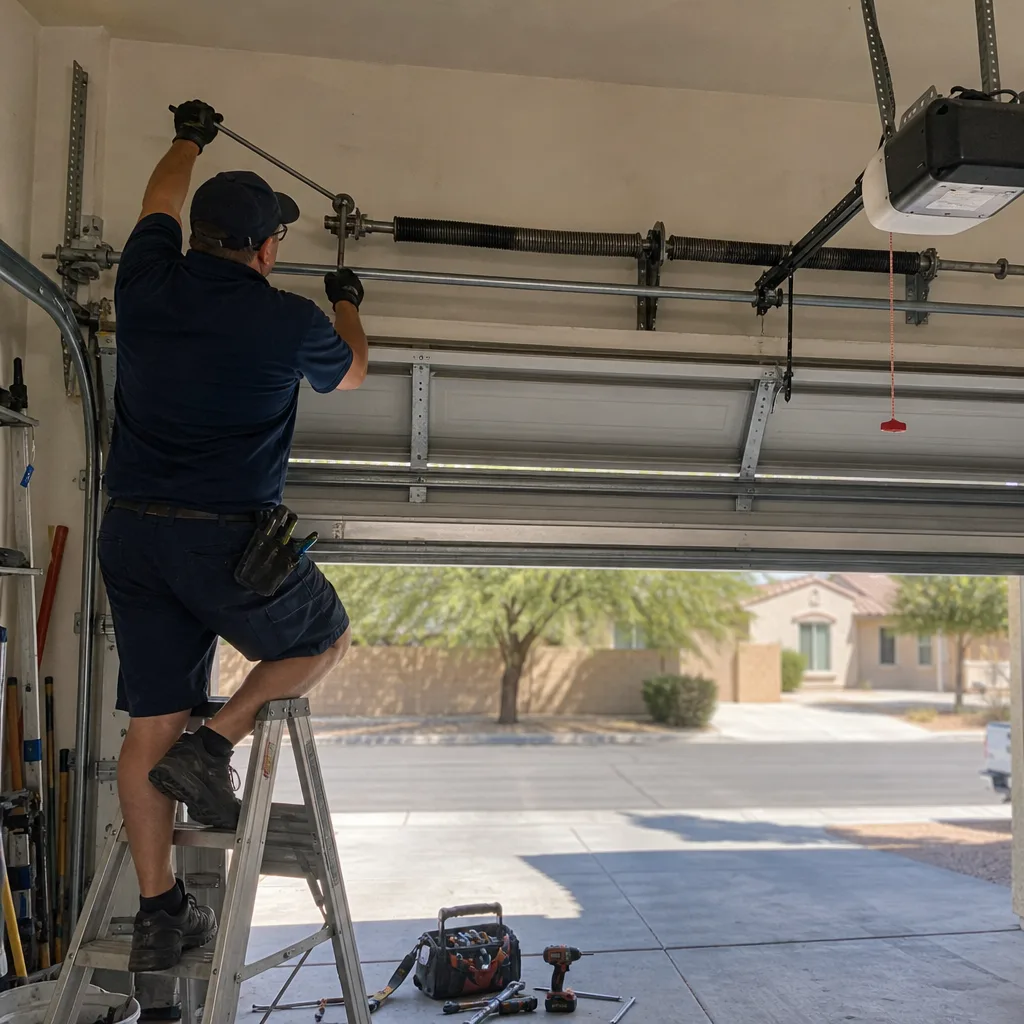
Last updated November 18, 2026
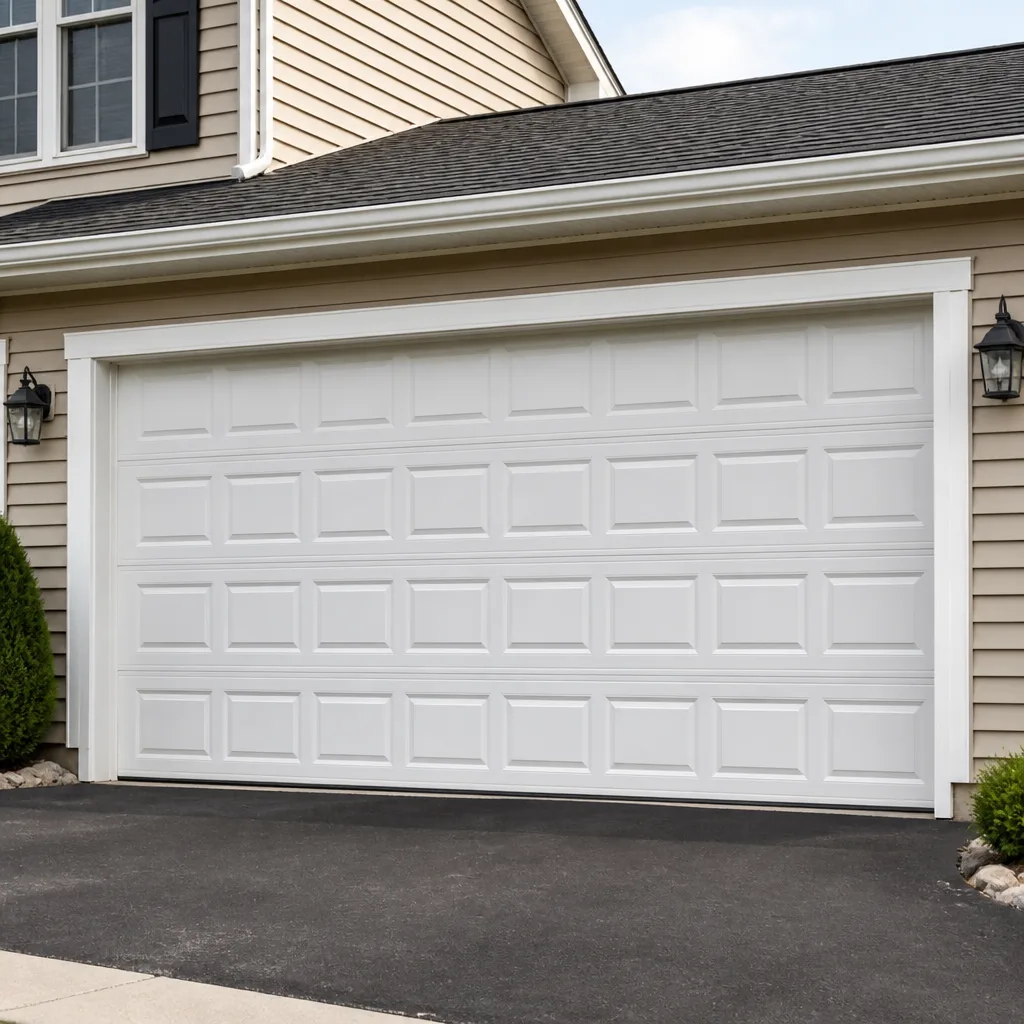 Raised-panel steel
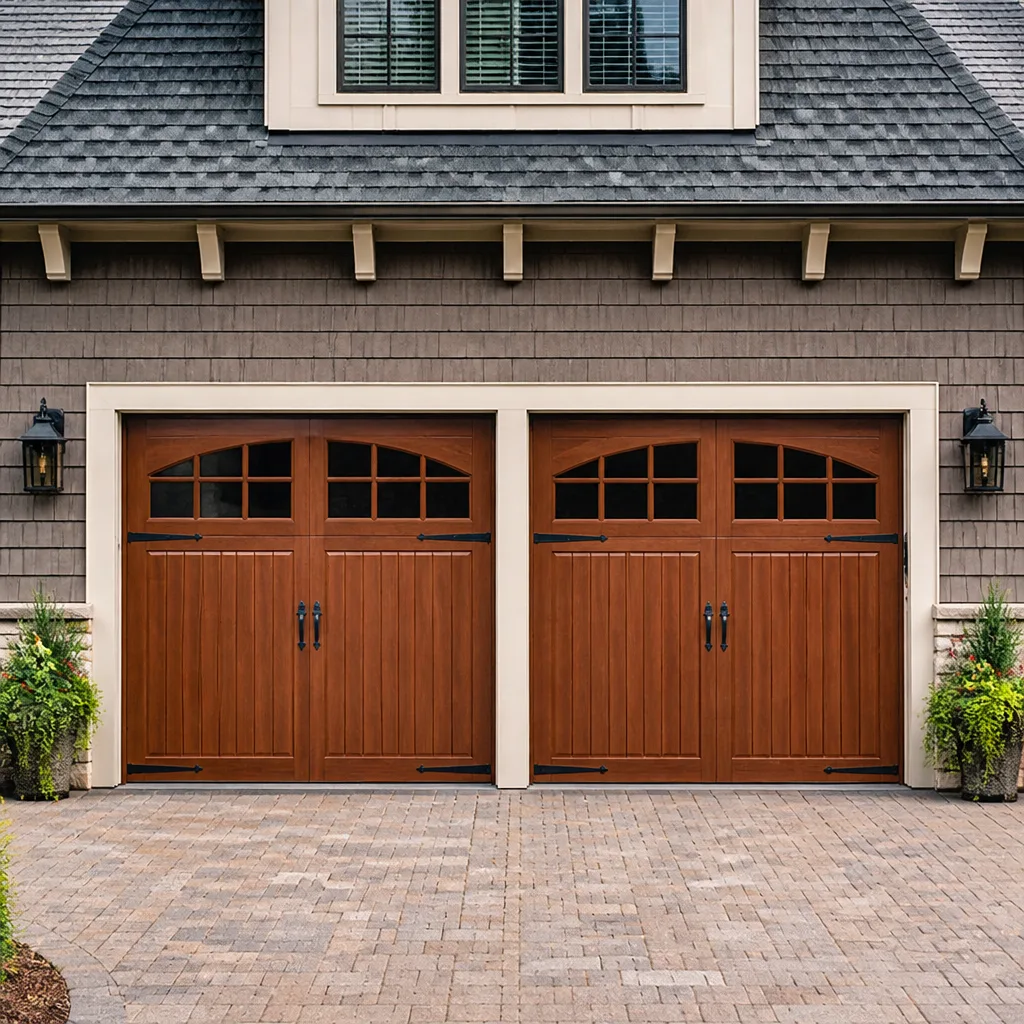 Carriage house
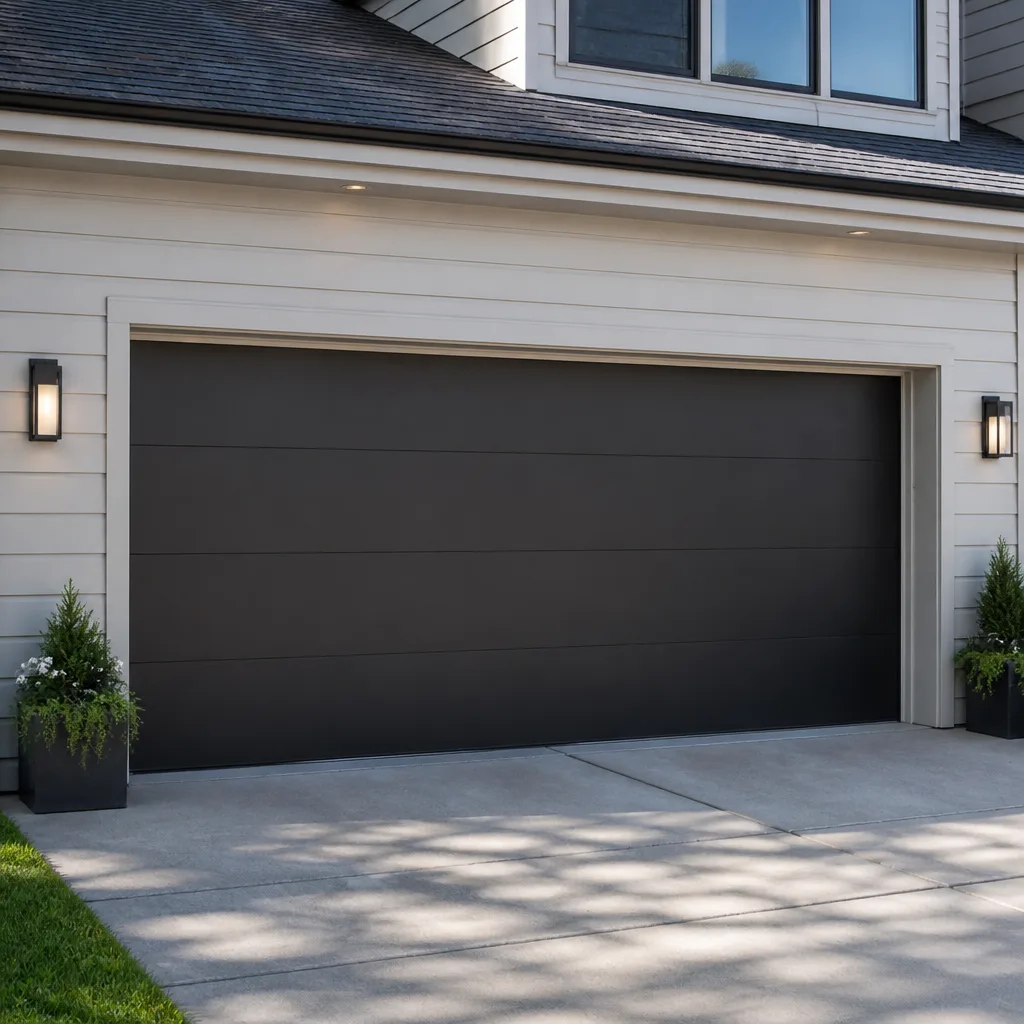 Modern flush
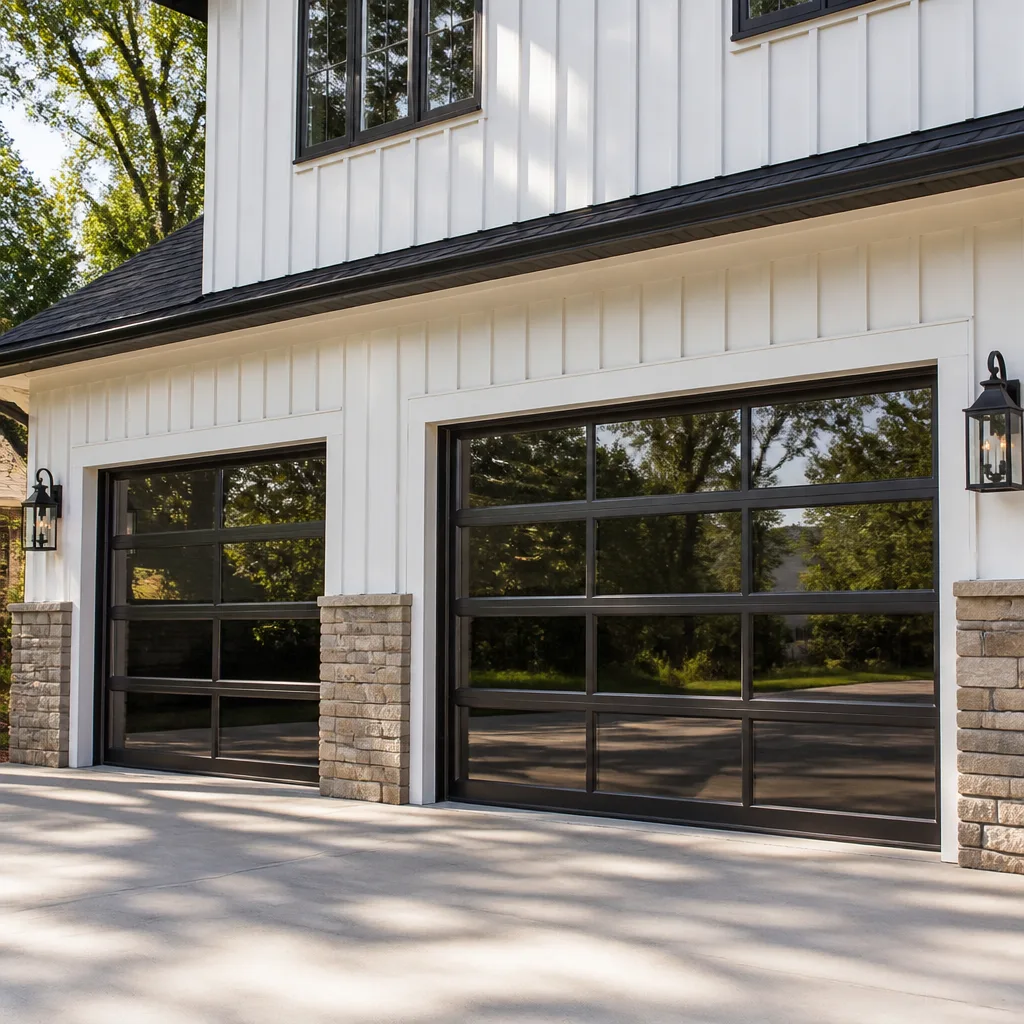 Full-view glass
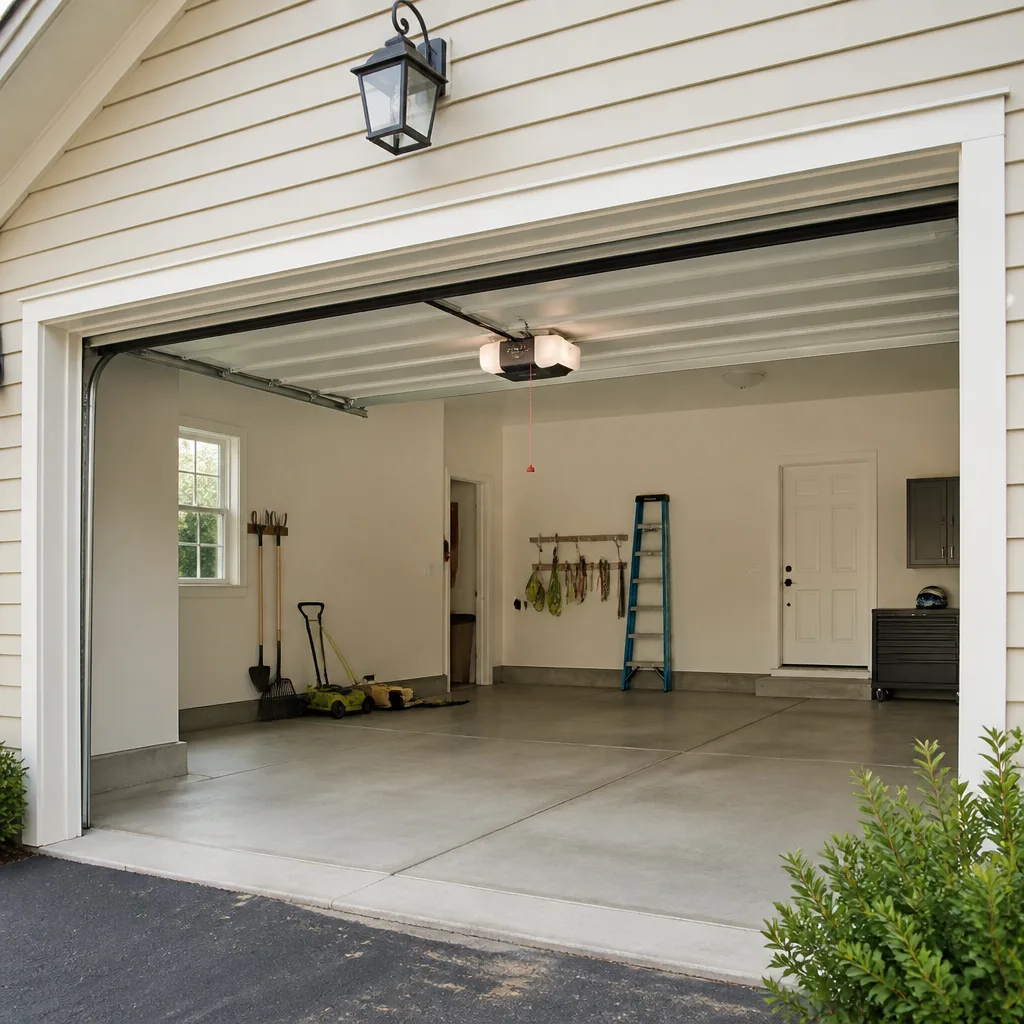 LiftMaster openers
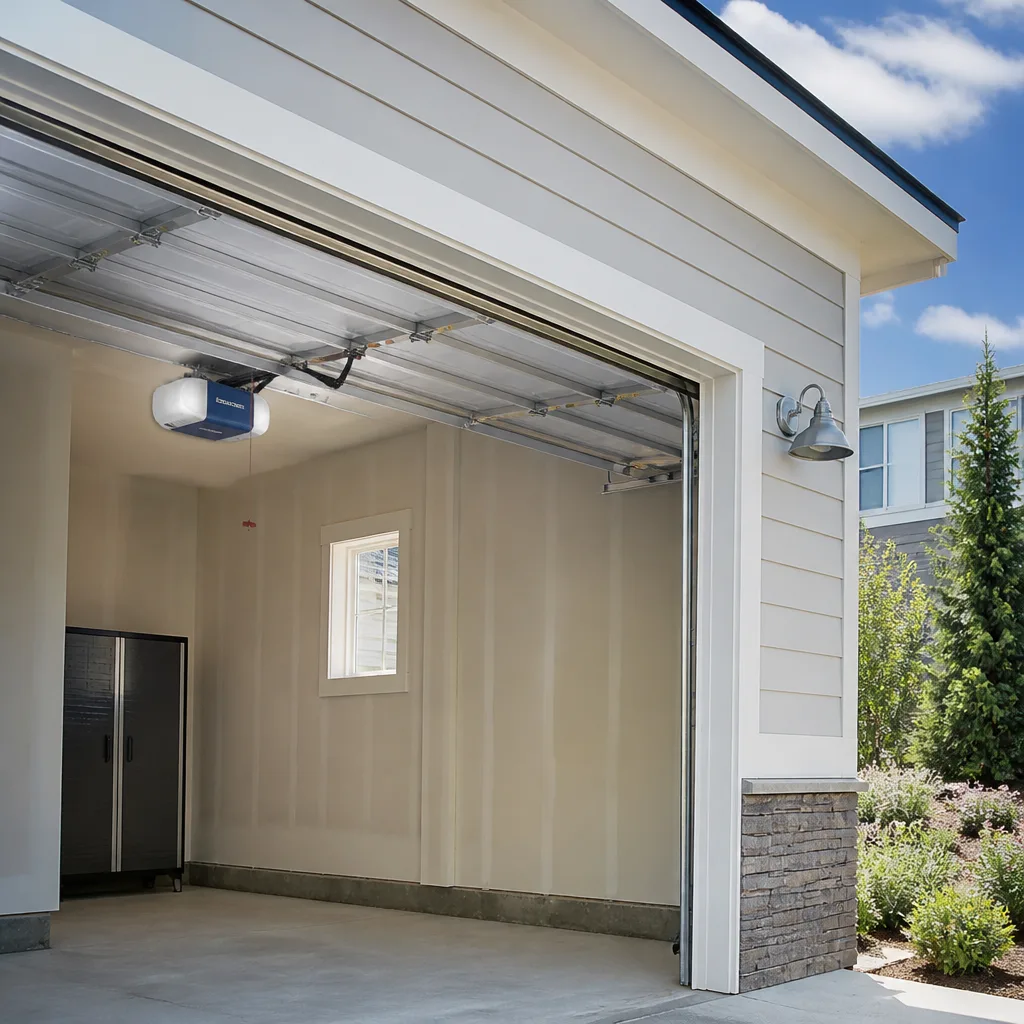 Chamberlain openers
Full 25-point door and opener safety check with every visit - springs, cables, rollers, tracks, and your LiftMaster or Chamberlain opener included
You get a price before we start. It does not change when the pro arrives.
Get your free estimateChoosing the Right Garage Door Brand: A Buyer’s Guide for North Las Vegas
We keep parts for the brands we install for one reason: we got tired of calling a customer back three days after a repair to say the part was backordered from the factory. That call never sits well, and in a market where a west-facing garage in North Las Vegas can hit 140 degrees inside on an afternoon in July, a door that’s waiting on a part is a door that’s stuck open or stuck shut. The brand name on the door panel matters far less than whether the person standing in your driveway has the cable, the roller, or the torsion spring on hand right now. This guide covers what actually determines how long a door lasts in North Las Vegas: steel gauge, insulation ratings that mean something, where each major brand keeps its parts, what voids a warranty in desert heat, and how to match steel, aluminum, or fiberglass to your sun exposure and how long you plan to stay in the house.
Quick Answer
For most North Las Vegas homes, a 25-gauge steel door from Clopay or Amarr, insulated to at least R-9 and installed by a local dealer who stocks parts, is the best balance of durability, price, and serviceability. The “best brand” question is really a question of gauge thickness, insulation R-value, and whether your area has a dealer with parts on hand, not which logo is stamped on the panel. Ford versus Chevy arguments rarely matter as much as the parts pipeline.
Styles & brands we work with
- Raised-panel steel
- Carriage house
- Modern flush
- Full-view glass
- LiftMaster openers
- Chamberlain openers
Table of Contents
- Why Steel Gauge Beats Brand Name Every Time
- The Truth About R-Value in a Desert Garage
- Parts Availability: Where Each Brand Actually Stocks Parts
- Warranty Fine Print That Voids Coverage in Extreme Heat
- Steel vs. Aluminum vs. Fiberglass: An Honest Breakdown for NLV
- How to Evaluate a Brand in 6 Steps
- Common Mistakes to Avoid
- When to Call a Professional
Why Steel Gauge Beats Brand Name Every Time
Most garage door failures in North Las Vegas start at the panel joints, not in the motor. Twenty-four-gauge steel is the standard spec for the doors sold at big-box stores and online, and it’s about 0.02 inches thinner than 25-gauge commercial-grade steel. On a door that cycles four or five times a day and sits in a garage where the thermal expansion between a 60-degree winter morning and a 150-degree summer panel face can stress steel by several thousandths of an inch, that thickness difference shows up in year seven or year ten as a crack at the stile or a panel that won’t sit flush in the track.
The gauge is stamped on the door label, and it’s easy to check before you buy. A 24-gauge door is not a mistake to pass over, but it’s also not a door you should expect to last 20 years in North Las Vegas. Twenty-five gauge is what we recommend for anything with a sun-facing orientation. Here’s what to look at:
- Gauge thickness: 25-gauge minimum for sun-exposed doors; 24-gauge only for shaded or north-facing garages.
- Panel construction: Two-piece bonded panels hold up better than single-sheet roll-formed panels in thermal cycling.
- Stile and rail depth: Deeper reinforcement at the joints resists the horizontal stress a door sees every time it opens.
- Hardware grade: Nylon rollers and a 14-gauge torsion shaft last longer than the plastic and light-gauge steel in builder-grade kits.
We’ve replaced doors in North Las Vegas at the 8-year mark and doors still going strong at 22 years, and the difference was rarely the brand. It was the gauge, the sun exposure, and the hardware. If you already know your door needs to be replaced rather than repaired, our Garage Door Installation in North Las Vegas page walks through the measurements and timeline.
The Truth About R-Value in a Desert Garage
R-value is the insulation rating on a door panel. It measures resistance to heat transfer, and in a Las Vegas valley garage it matters far more than the box marketing suggests, but only if the door is actually sealed. A west-facing garage in North Las Vegas facing the afternoon sun will run 20 to 30 degrees hotter than the outside air without any insulation. That heat drives through the door panel and into the garage, then into the wall of the house behind it. An R-9 door will hold most of it back. An R-6 door sold as “insulated” (usually just a thin foam sheet sandwiched between steel skins) will be measurably better than an uninsulated door and measurably worse than R-9.
Here’s the honest breakdown for North Las Vegas homeowners:
- R-0 to R-4 (uninsulated or lightly insulated): Fine if the garage is detached or the door faces north. You’ll feel heat soak through the panels in summer.
- R-6 to R-9: The sweet spot for attached garages. Handles the worst summer days and keeps a garage workspace tolerable.
- R-12 to R-18: Worth the extra cost if the garage sits under a bedroom or a workshopped space. Beyond R-18 in a vented garage, the numbers on the box start sounding like marketing.
The single biggest mistake we see in North Las Vegas is buying an R-16 door and installing it without weatherstripping or a bottom seal. A door with gaps along the sides loses more heat than the insulation rating saves, and the desert dust gets in either way. Order the seal and the strip trim with the door, not after.
Parts Availability: Where Each Brand Actually Stocks Parts
This is the section most buying guides skip, and it’s the one that will cost you the most money if you ignore it. A door with a ten-year warranty means nothing if the nearest parts warehouse is in Phoenix. Every major brand has a national dealer network, but a dealer network on a website is not the same as a shelf full of parts within driving distance of North Las Vegas.
What we look at when a homeowner asks us which brand to buy:
- Does the brand sell through local distributors? Clopay and Amarr both have distributors in the Las Vegas valley that stock panel sections, springs, and hardware. That means same-week parts for most repairs.
- Are torsion springs available locally? Springs are the most common failure in Las Vegas heat. If a brand uses proprietary spring sizes, you’re waiting on a factory order. Standardize on brands that use common sizes.
- Opener compatibility: LiftMaster and Chamberlain both have dealers and parts availability in the valley, which is why we work with them. Genie sits a step behind but is usually same-week for standard parts.
- Dealer support on warranty claims: Some brands require the original installer to process claims. That’s a problem if your installer has retired. Ask the question before you sign.
Our rule at Otto’s Garage Door is simple: if we can’t get the part within a few days from a local distributor, we tell the homeowner before the install, not after the repair. If your opener is straining or your door is binding, the problem is usually not the opener. Ask us to look before you spend on a new one.
Warranty Fine Print That Voids Coverage in Extreme Heat
Garage door warranties in Las Vegas read very differently than the same warranty in a mild-climate state, and the fine print is where coverage disappears. Most brand warranties exclude or reduce coverage in high-temperature climates, or they void entirely if the door was installed on a south- or west-facing opening without a specific heat-rated finish. Some brands reduce the finish warranty from the standard length to half in what they call “severe climates.” It’s buried in the documentation, and the homeowner usually finds it after a claim is denied.
Before you buy a door in North Las Vegas, ask these questions in writing:
- Is the finish warranty reduced for high-heat or desert climates? If yes, by how much?
- What installation conditions void coverage? Note south and west exposures, metal-against-metal contact, and improper anchoring.
- Who processes the claim? The manufacturer, the original dealer, or any dealer in the network?
- What’s the labor warranty period? Panel and finish warranties are often longer than labor. Labor is where most repair costs sit.
A door with a shorter but locally-serviceable warranty beats a door with a long warranty that requires you to ship a panel back to a factory for inspection. In our experience, the finish warranty is the one that matters most in North Las Vegas, because the desert sun is what stresses a steel finish first. Our Garage Door Repair in North Las Vegas page lists the finishes and coatings that hold up longest here.
Steel vs. Aluminum vs. Fiberglass: An Honest Breakdown for NLV
Each material has a real use case in North Las Vegas, and the “which is best” question falls apart the moment you get specific about sun exposure and budget. Here’s how we break it down for the homeowners we serve.
Steel
Steel is the default for a reason. It’s strong, it holds insulation, and it takes a finish. In North Las Vegas heat, a good steel door with a baked-on polyester finish will last 15 to 20 years before the paint starts to chalk. A cheap steel door in a west-facing opening might show fading in five. Go 25-gauge minimum, ask for a heat-rated finish, and expect to touch up the bottom rail once or twice over the door’s life.
Aluminum
Aluminum won’t rust, which makes it a good candidate for a home near the edge of the valley or anywhere wind carries abrasive dust. It also dents more readily than steel, and full-view aluminum doors with glass panels don’t hold insulation worth a nickel unless you pay for insulated glass. Good for modern looks and coastal-style exteriors. Less good as a primary sun-facing door in North Las Vegas without careful glass spec.
Fiberglass
Fiberglass is the low-maintenance option if your priority is the look of wood without the upkeep. It doesn’t rust, it doesn’t dent, and it holds up to sun better than many homeowners expect. The catch is the price, and the fact that cheap fiberglass panels can chalk and fade in five to seven years under a North Las Vegas summer. Good fiberglass is worth the money. Cheap fiberglass is not a bargain in this climate.
How you choose really comes down to three questions: which way does the door face, what’s your budget, and how long are you staying? If you’re staying five years, a builder-grade door is a reasonable math problem. If you’re staying fifteen, the gauge and insulation rating matter more than the panel material, and steel wins on value almost every time.
How to Evaluate a Brand in 6 Steps
If you want to compare brands without getting spun by the marketing, use these steps in order. Each one takes a few minutes and saves hours of second-guessing.
- Read the gauge label first. If the panel is 24-gauge, treat it as a shorter-life door and price it accordingly.
- Check the insulation spec sheet. Get the actual R-value in writing, not a marketing claim. Compare R-6 through R-18 across brands for your exposure.
- Ask your installer which brands they stock parts for. The honest answer is the one you should trust. If the answer is “we order everything,” factor in the wait time.
- Request a sample of the finish warranty. Look for reduced coverage in hot climates. If a brand doesn’t reduce coverage in desert climates, that’s a strong signal.
- Confirm the dealer network locally. Call two nearby distributors and ask if they stock panels and springs for the brand you’re considering.
- Get a written quote that lists the model number. A quote that says “premium steel door” is a quote that lets the installer change the model at the last minute.
One note on safety: a residential door is roughly 200 pounds of panel riding on two torsion springs. If your inspection turns up broken spring coils, frayed cables, or a door that won’t balance, stop and call a trained technician. Torsion springs and cables are high-tension components and are not a homeowner job. What’s safe to check is the gauge label, the seal around the door, and the way the door feels when you lift it manually (with the opener disconnected). Anything past that involves tools and tension you don’t want to stand under.
Common Mistakes to Avoid
- Buying on brand name alone. A bargain Clopay 24-gauge door in a west-facing North Las Vegas opening will fail faster than a well-spec’d 25-gauge door from a less-famous brand. The gauge and finish are the durable part of the value.
- Skipping the weatherstripping order. We see it every summer. An R-16 door installed without proper seals leaks more heat than a properly sealed R-9.
- Trusting the “insulated” checkbox. Ask for the R-value in writing. A door sold as insulated can mean anything from R-3 foam sheet to R-18 polyurethane, and the price difference is real.
- Not reading the finish warranty for hot-climate reductions. Most homeowners discover the reduction after a claim is denied. Read the warranty before you sign.
- Ordering a door for a shade-exposed garage with a sun-exposed spec. North-facing garages in North Las Vegas don’t need the same material spec as a west-facing one. Get the right spec, not the biggest one.
- Working with an installer whose parts pipeline ends at a factory in another state. Ask the question before the repair, not after.
- Skipping the annual balance check. A door out of balance strains the opener and the springs. A five-minute check keeps ten years of service on a set of springs.
See the difference
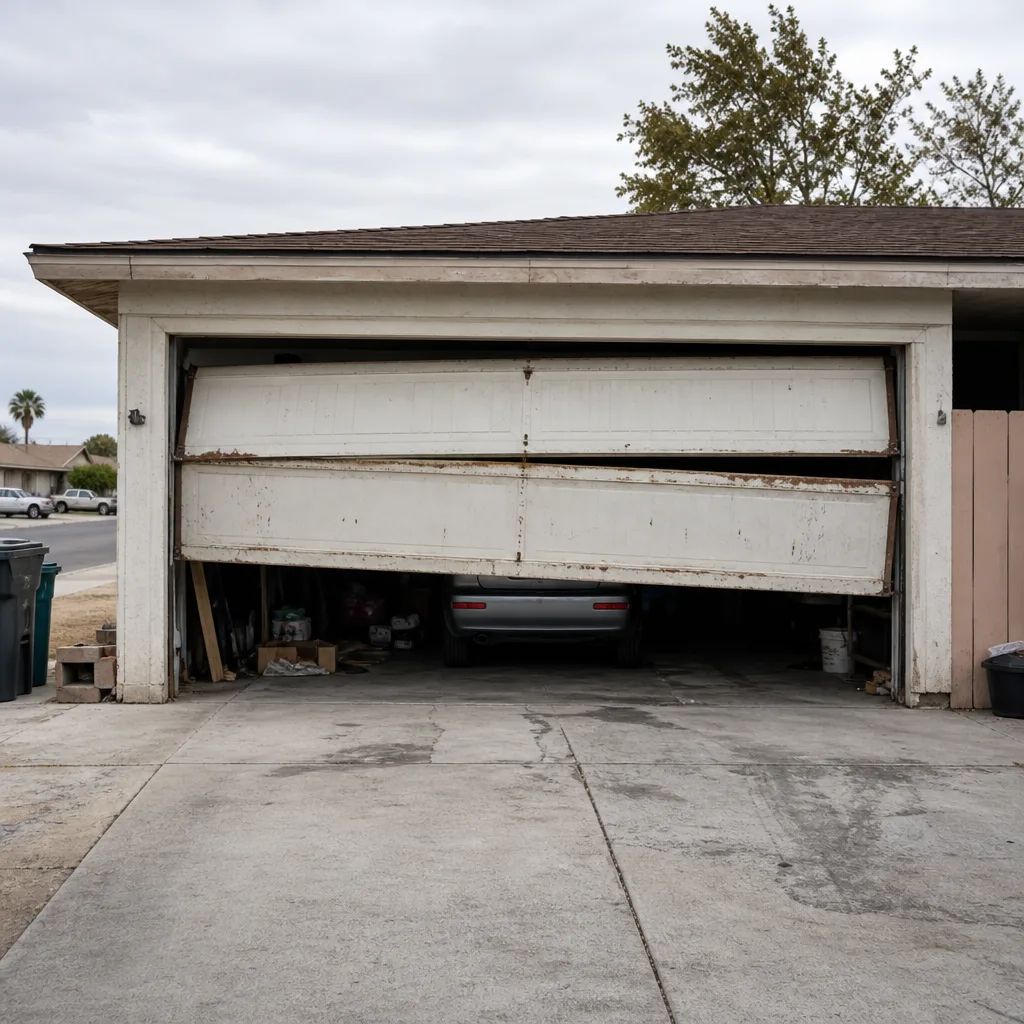 Before
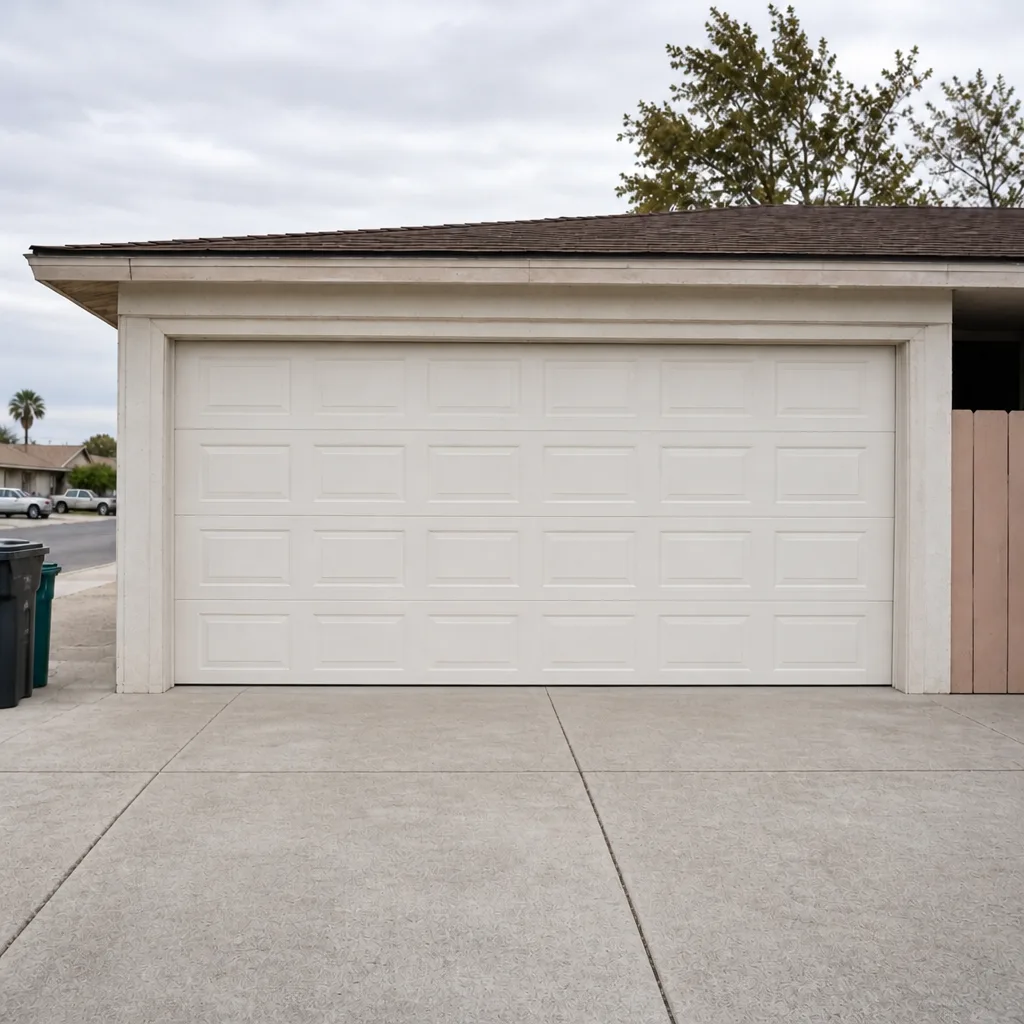 After
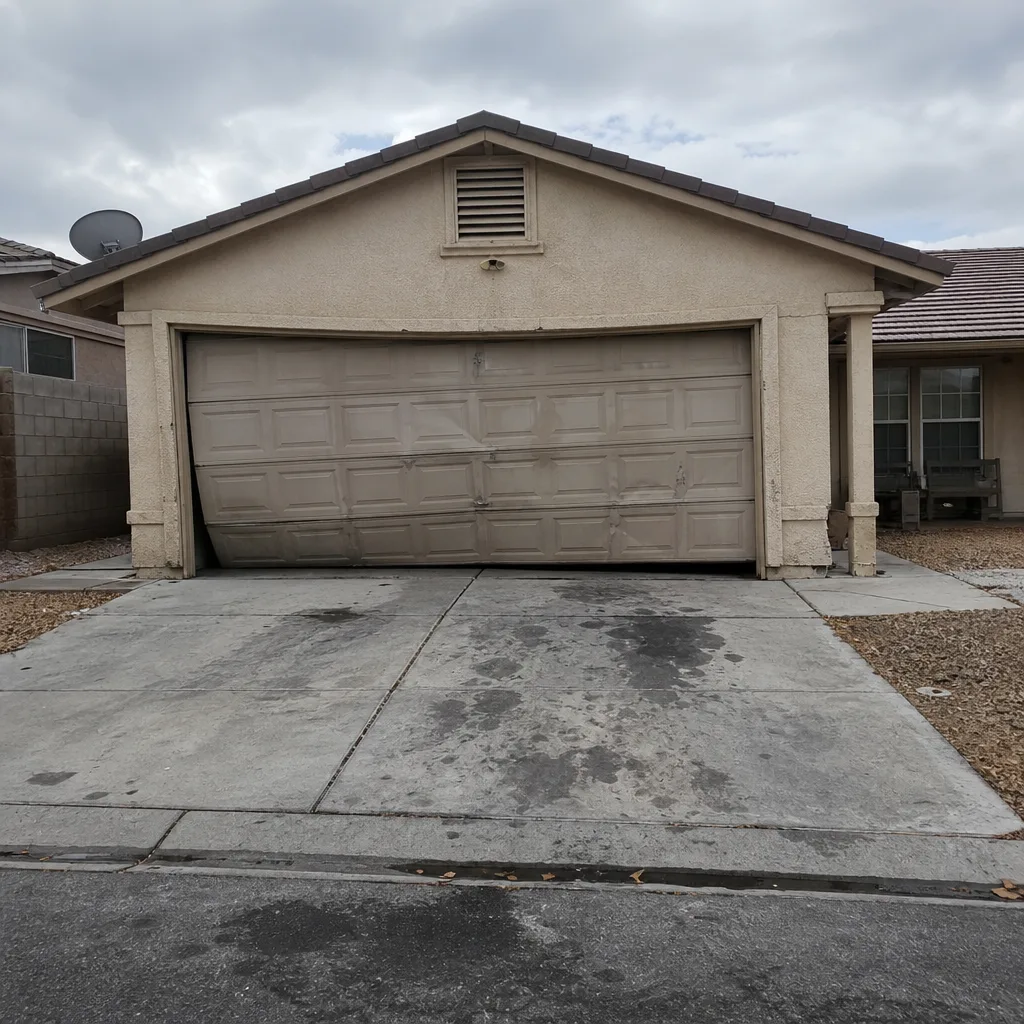 Before
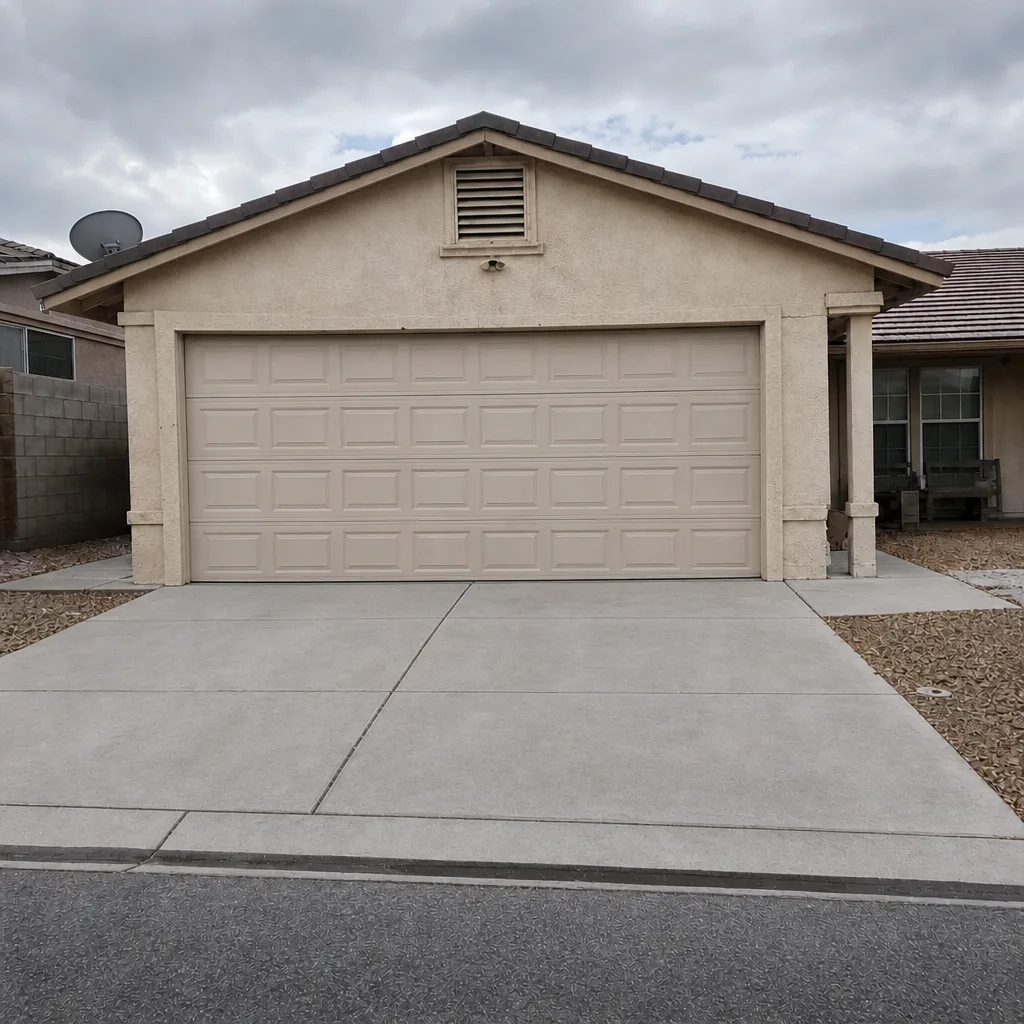 After
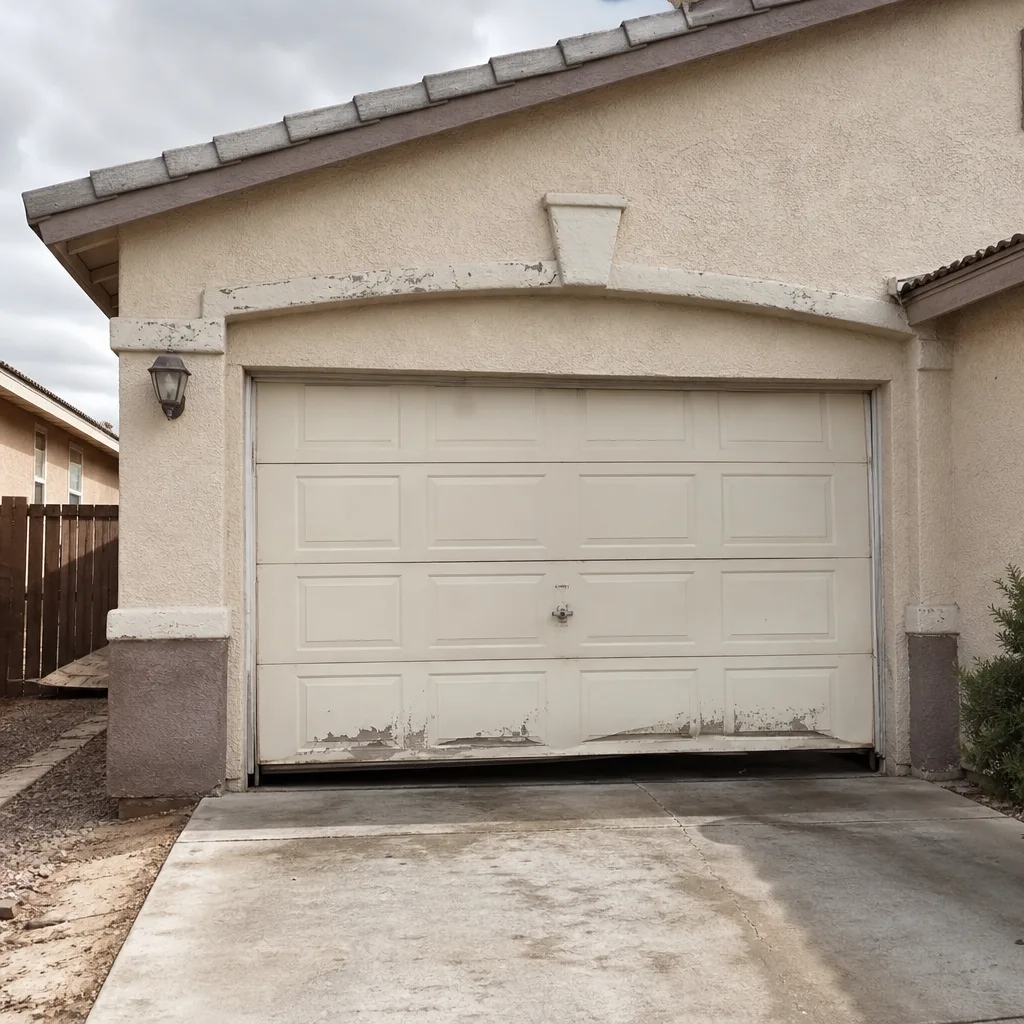 Before
 After
When to Call a Professional
Any time the door is out of balance, the springs or cables show damage, or the door closes unevenly, it’s a professional call. Torsion springs and cables carry enough tension to do serious harm, and there’s no homeowner shortcut that makes that safe. Also call if the opener is straining, if panels are separating at the joints, or if you’re not sure whether the door is inside or outside its warranty window. If the question is brand selection or spec, call before you buy, not after. Otto’s Garage Door North Las Vegas offers free estimates in North Las Vegas. Call (866) 347-9495 for an exact quote, and we’ll tell you what’s worth buying and what isn’t.
Frequently Asked Questions
For most North Las Vegas homes, Clopay and Amarr 25-gauge steel doors insulated to R-9 or better are the best balance of durability and parts availability, because both brands have local valley distributors. The best brand depends on your sun exposure and gauge, not the logo on the panel. Call (866) 347-9495 for a free estimate on a spec that fits your garage.
No. Steel gauge matters more than brand in North Las Vegas because thermal cycling from the desert sun stresses the panel joints, and a 25-gauge door will outlast a 24-gauge door regardless of logo. Buy the gauge and the finish, then confirm the brand has serviceable parts locally. Call (866) 347-9495 for a free quote that lists the model and gauge in writing.
Call two local distributors and ask if they stock panel sections, torsion springs, and rollers for the brand you’re considering; if the answer is yes on all three, you’re in good shape. LiftMaster and Chamberlain also have local parts availability for openers. Call (866) 347-9495 and we’ll tell you which brands we can get parts for within a few days.
No. We quote the job on the phone and hold that number at the door. The price we quote is the price we charge. Call (866) 347-9495 for a free estimate.
The local pro we connect you with is licensed and insured as the state requires, and our technicians have up to 22 years of experience across all major brands. Call (866) 347-9495 for a free estimate or a second opinion on a written quote.
For repairs and emergencies, we often can. Same-day service and 24/7 emergency availability are how we handle a door that’s stuck with a car inside or a spring that’s snapped. For new door installation, that work is measured, ordered, and scheduled, so plan on a few weeks from measurement to install. Call (866) 347-9495 and we’ll tell you exactly what’s possible today.
The Bottom Line
The best garage door brand for your North Las Vegas home comes down to three numbers and one question. The numbers are steel gauge (25 minimum for sun-exposed doors), insulation R-value (R-9 for most attached garages), and the local parts pipeline (does your area have a distributor who stocks the cable and the spring). The question is whether the installer you’re using can get a part in a few days rather than a few weeks. Brand names matter less than those four factors, and the finish warranty in a desert climate needs to be read, not skimmed. If you want a quote in writing before you commit, our Garage Door Opener Repair & Installation in North Las Vegas team also handles the opener side of the conversation so the door and motor are spec’d together. Start with our Otto’s Garage Door North Las Vegas home for the full service list, or call (866) 347-9495 for a free estimate. Our technicians have up to 22 years of experience, and we’re happy to give you a written price and a straight answer on which brands hold up under a North Las Vegas summer.
Written by the team at Otto’s Garage Door North Las Vegas.