
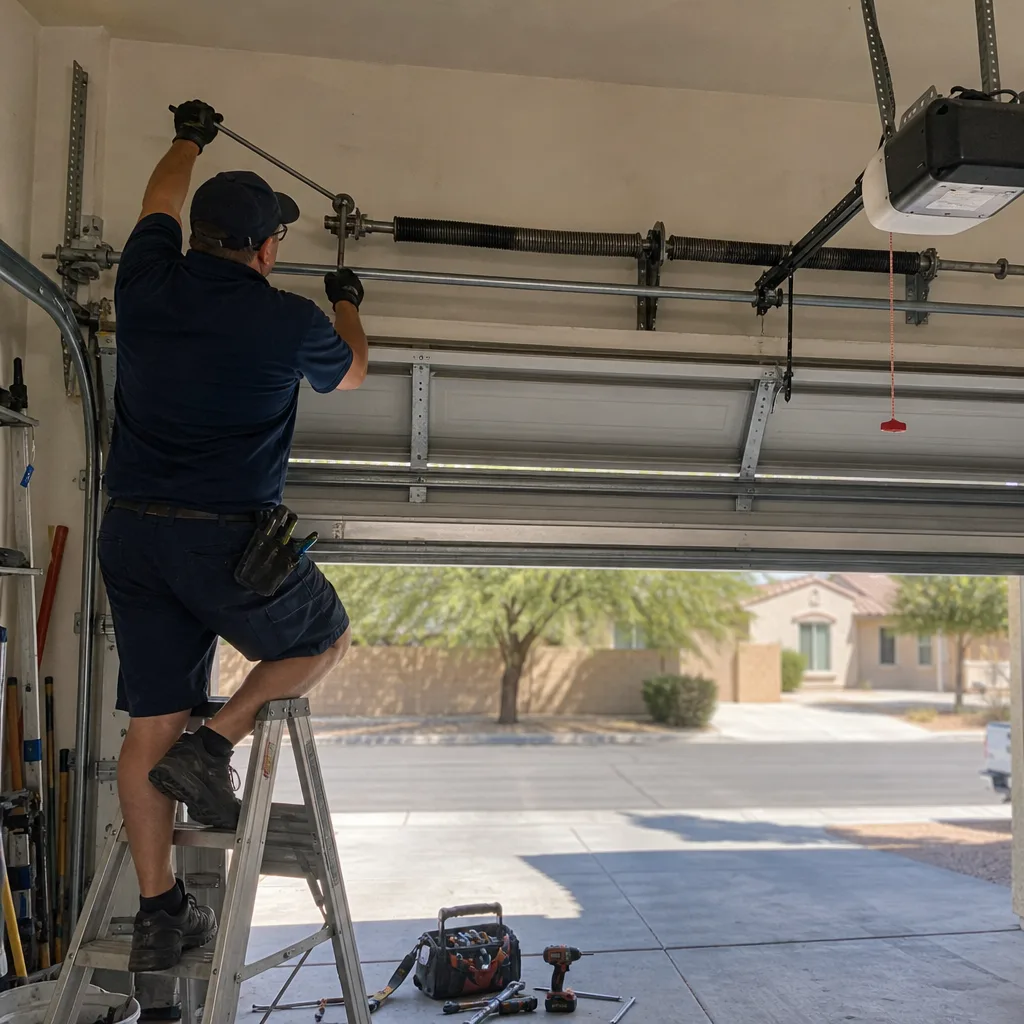
Last updated November 18, 2026
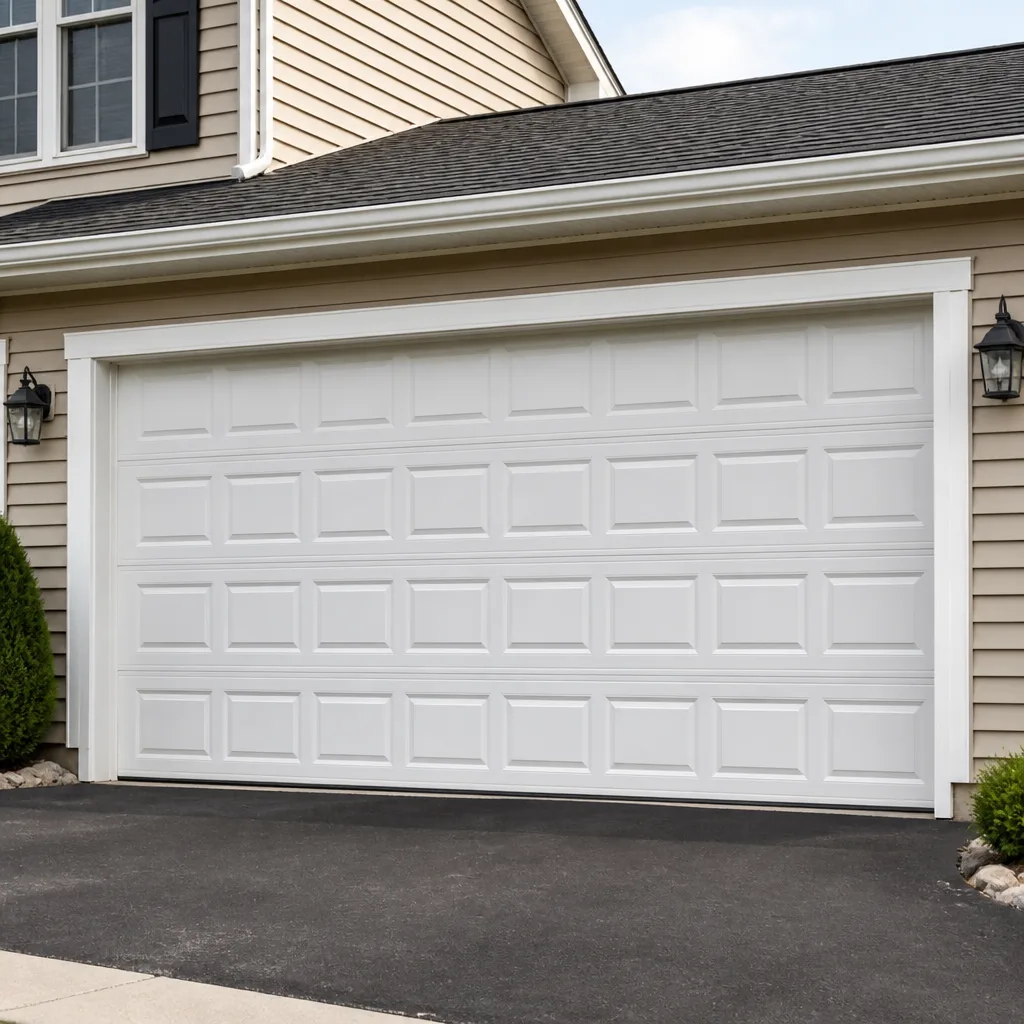 Raised-panel steel
 Carriage house
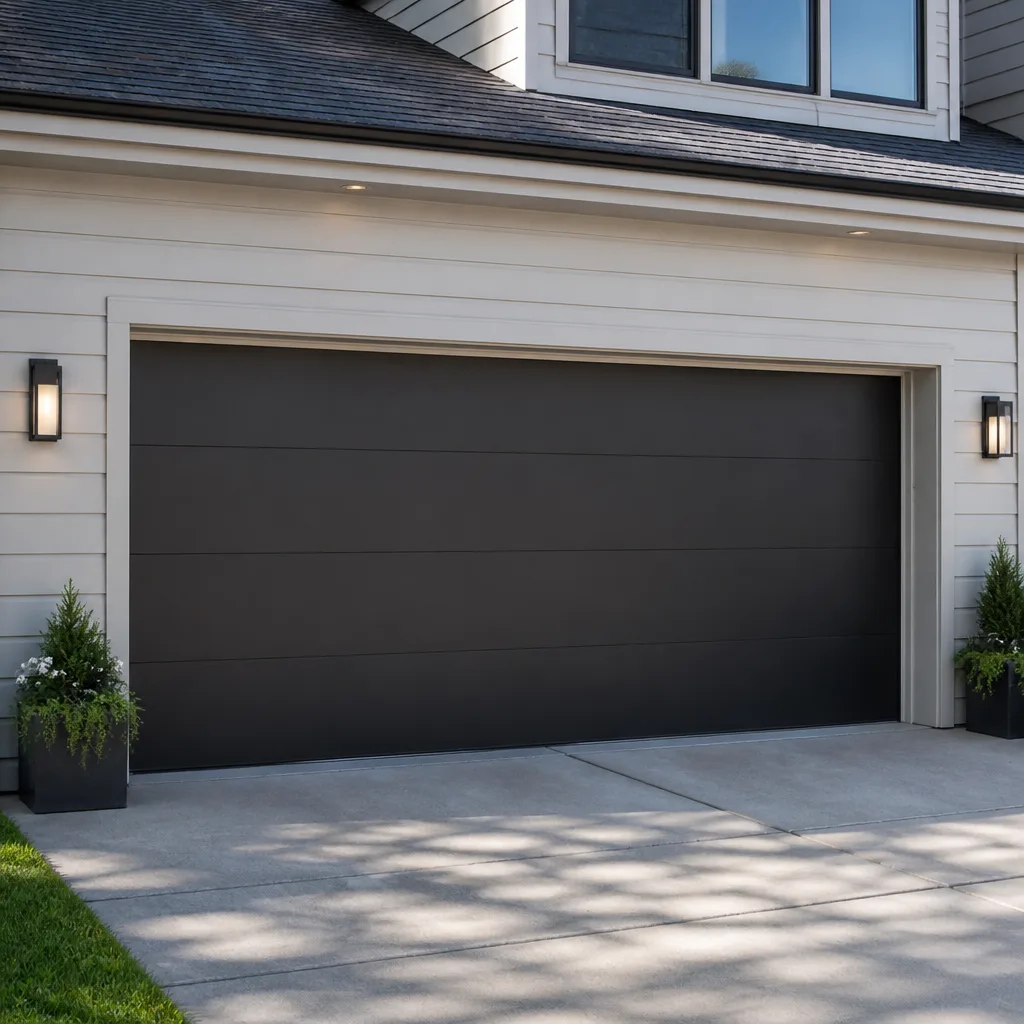 Modern flush
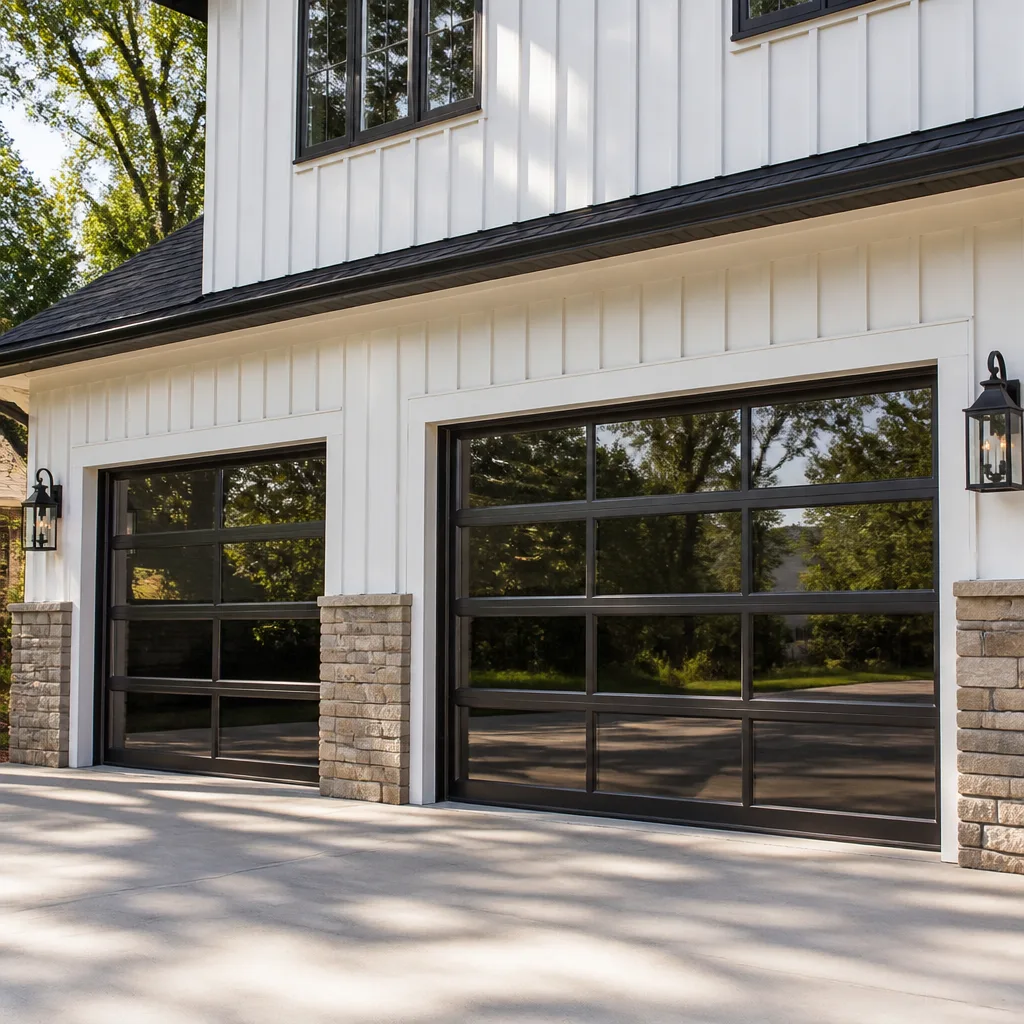 Full-view glass
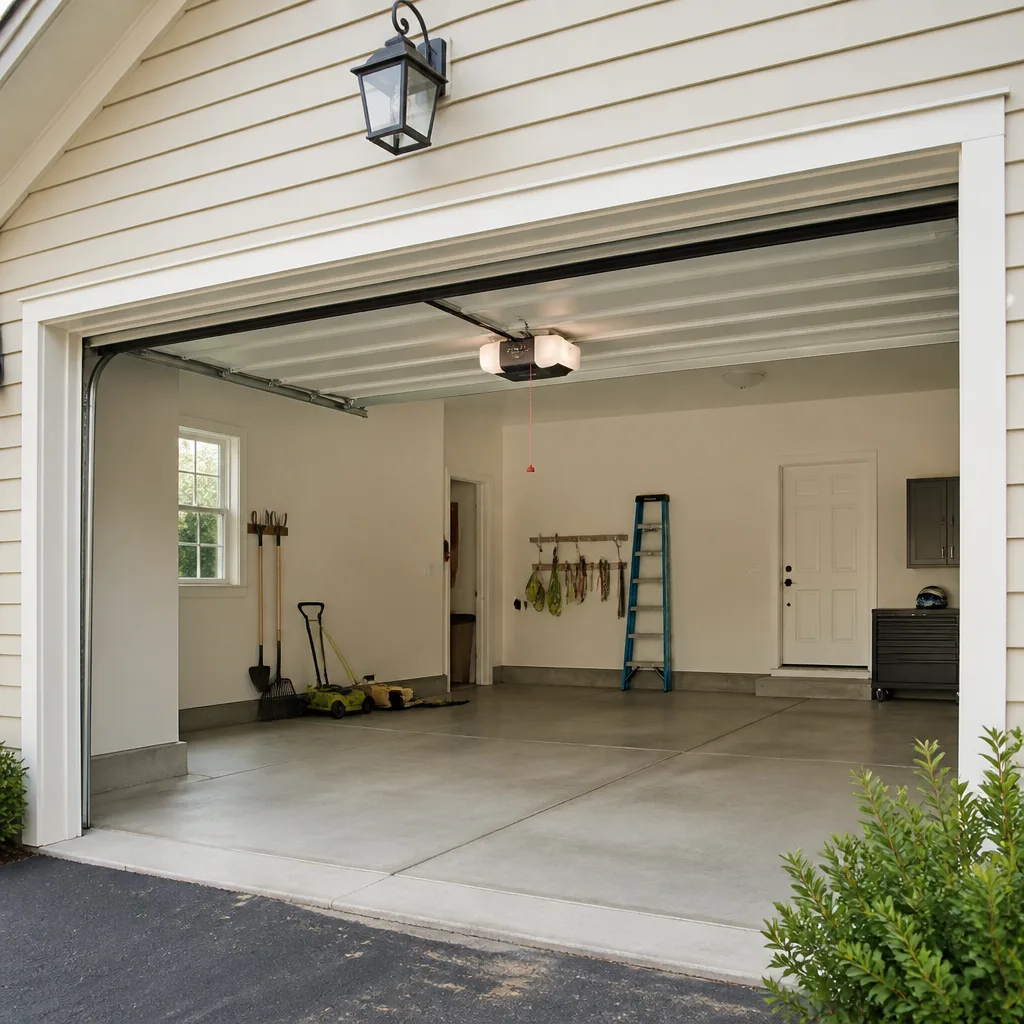 LiftMaster openers
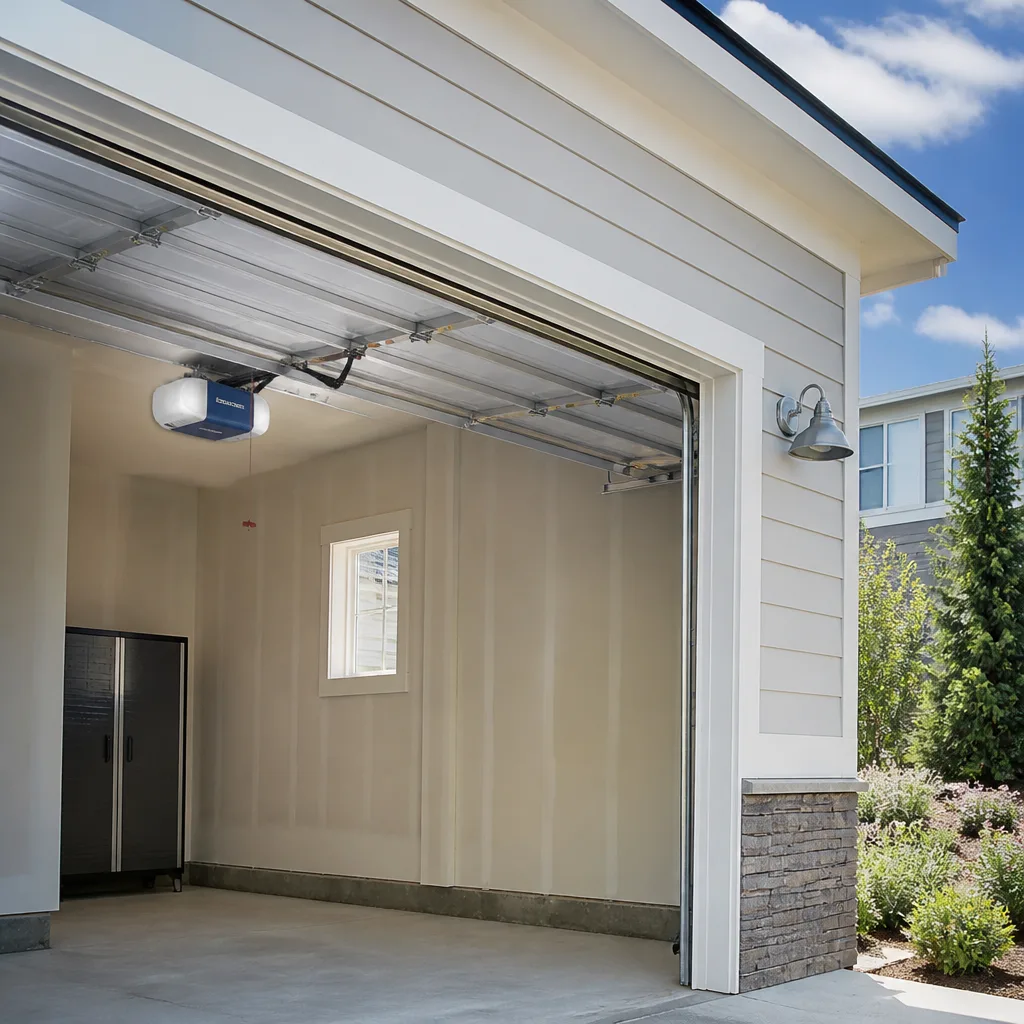 Chamberlain openers
Full 25-point door and opener safety check with every visit - springs, cables, rollers, tracks, and your LiftMaster or Chamberlain opener included
You get a price before we start. It does not change when the pro arrives.
Get your free estimateGarage Door Repair Warning Signs Every Homeowner Should Know
A door that hesitates for two seconds before it starts moving is telling you a spring is losing tension. Ignore that for another month and you’re not scheduling a repair anymore. You’re scheduling an emergency call at 7 PM on a Sunday with your truck sealed inside. Most of the expensive garage door failures we get called out for in North Las Vegas announce themselves weeks ahead of time through three specific sounds, a handful of visual tells, and a couple of timing patterns. This guide names them plainly so you can catch the cheap fix before it turns into the emergency one.
Quick Answer
The warning signs that actually matter are a door that pauses before moving, a dull thud or pop-click from the springs, scraping from a seized roller, rust streaks under the hinges, and a frayed cable at the drum. Any of those means book a repair within the week. A door that’s off its track, hanging crooked, or making a loud bang means stop using it now and call a professional.
Styles & brands we work with
- Raised-panel steel
- Carriage house
- Modern flush
- Full-view glass
- LiftMaster openers
- Chamberlain openers
Table of Contents
- The Three Sounds That Predict Imminent Failure
- The Two-Second Hesitation and What It Means
- Visual Tells Specific to North Las Vegas Doors
- The Slow Spot Test: Find the Failing Part Before It Freezes
- Stop Using the Door Now vs. Schedule a Repair This Week
- How to Describe the Problem So the Right Parts Show Up
- Seasonal Timing Patterns in North Las Vegas
- Common Mistakes to Avoid
The Three Sounds That Predict Imminent Failure
Every article tells you to “listen for unusual noises.” That’s about as useful as telling you to watch for bad weather. What you actually need is the specific sound mapped to the specific part that’s about to fail, so you know whether you’re looking at a $40 roller or a spring that could take your hand off. Here are the three we hear most in North Las Vegas, and what each one means.
1. The Dull Thud of a Cable Jumping Its Drum
If you hear a low, heavy thud from one side of the door as it moves – not a grind, a thud – a cable has likely jumped the drum on that side. This happens when the cable goes slack or the drum loses tension. Left alone, the door can drop crooked and bind, and the cable can snap. Cables are under serious tension and should never be handled by a homeowner. Call it in.
2. The Scraping of a Roller With a Seized Bearing
A high, dry scrape that follows the door up and down is usually one roller whose bearing has locked up. It’s dragging instead of rolling. This one is cheap to fix early and expensive to ignore, because a seized roller grinds the track and eventually pulls the door out of alignment. It’s the most common early warning we see on older doors around North Las Vegas.
3. The Pop-Click of a Spring With a Stress Crack
A sharp pop or click as the door starts to move can mean a stress crack has formed in a torsion spring. That spring is holding a door that runs 150 to 200 pounds or more. A cracked spring is a spring that’s close to letting go, and when it does it sounds like a gunshot. Do not try to test it yourself or wind it back. This is a hard stop and a call to a trained technician.
Here’s the thing about a door: it’s a couple hundred pounds riding on two springs. Respect it. If any of these three sounds is new and repeatable, don’t wait to see what happens.
The Two-Second Hesitation and What It Means
This is the sign most homeowners miss because it isn’t dramatic. You hit the button and the door sits there, then lurches into motion a second or two later. Or it starts fine at the bottom and struggles past the halfway point. Both point to the same suspect: a spring that’s lost tension and can no longer balance the door’s weight.
When the springs are doing their job, the opener barely works – it just guides a balanced door. As the springs weaken, the opener has to lift more of the dead weight on its own. It strains. It hesitates. It gets loud. If the opener is straining, the problem is almost never the opener. Replacing the opener on a door with tired springs just wears out the new one too.
Two timing patterns to watch for:
- Seasonal lag. If the hesitation suddenly appears when the weather turns, that’s normal metal contraction or a temperature swing exposing a spring that was already near the end of its cycle life. North Las Vegas summers are hard on springs.
- Progressive lag. If the pause gets a little longer every week, the spring is actively failing. That’s a schedule-it-now, not a schedule-it-later.
We count spring cycles the way you count tire miles. A standard torsion spring is rated for roughly 10,000 cycles, and a two-car family running in and out twice a day burns through that faster than they expect. When we come out, we can tell you what’s left on yours instead of guessing.
Visual Tells Specific to North Las Vegas Doors
Desert living leaves its own fingerprints on a garage door, and some of the most useful warning signs here are visual rather than audible. A few you’ll only notice if you know what to look for in this climate.
- Rust streaks below the hinges. In North Las Vegas, mineral-heavy water and monsoon-season moisture collect at the hinge plates and leave orange streaks running down the door panels. Those streaks are a sign of mineral deposit buildup and early corrosion working at the metal. Catch it early and a little cleaning plus hinge attention saves the panel.
- Visible cable fraying at the drum. Look at the cable where it wraps the drum at the top corners. If the strands look fuzzy, flattened, or like a frayed rope, the cable is failing. Never touch it. Point it out to a technician.
- Bottom seal cracking from UV exposure. The rubber seal along the bottom takes the full desert sun and goes brittle and cracked within a few summers. A cracked seal lets in dust, heat, and pests, and it can throw off the door’s close. It’s an inexpensive part and an easy early catch.
- Sun-baked paint and panel gaps. Intense UV can dry out the finish and expose seams where water gets in. Anywhere water sits in this climate, rust follows.
Walk around your door once a season with a flashlight and look, not just listen. The rust streaks and the cracked seal are the two we see most often on doors in this part of the valley, and both are quiet failures that cost more the longer they sit.
The Slow Spot Test: Find the Failing Part Before It Freezes
You can often locate the failing roller or hinge yourself, safely, without touching the springs or cables. This test is about feel, not force. You’re looking for resistance at specific points, not trying to muscle anything.
- Disconnect the opener. Pull the manual release cord so the door is on its own and the opener isn’t involved. The door should move by hand. If it won’t, that alone tells you the springs or alignment are off.
- Lift slowly and feel for spots. Raise the door by hand and pay attention. A healthy, balanced door glides and stays put when you let go halfway up. If it slams down or fights you the whole way, stop and call – that’s a spring or balance issue, not a roller.
- Note where it binds. If it moves freely but catches or grinds at one specific height, that’s usually a roller or hinge at that point on the track. Feel along the track at that spot for a rough roller or a hinge that won’t pivot.
- Check the tracks for dents. Run a hand along the inside of both vertical tracks. A small dent or a build-up of grime at one spot will catch a roller and cause a bind that gets worse over time.
- Look, don’t fix. Once you know which roller or hinge is the suspect, write down the location. That’s the information that gets the right part on the first trip.
A word of caution: this test is on the door and the tracks only. Springs, cables, and the drums at the top are under extreme tension and are the leading cause of serious garage door injuries. Never adjust them yourself. That’s a job for a trained technician, full stop.
Stop Using the Door Now vs. Schedule a Repair This Week
Not every warning sign is an emergency, but the ones that are don’t give you much warning. Here’s the line between “call today” and “book it this week.”
Stop using the door right now and call
- A loud bang from the springs, followed by the door not lifting – a spring has broken. Don’t run the opener; it’ll burn out trying to lift an unbalanced door.
- The door is hanging crooked, off its track, or one side is higher than the other.
- A cable is visibly frayed, snapped, or hanging loose.
- The door came down hard or reversed unexpectedly on its own.
- You heard the pop-click of a cracked spring and the door still moves.
Schedule a repair within the week
- A two-second hesitation that’s new but consistent.
- Scraping from a single roller or grinding at one height.
- Rust streaks starting under the hinges.
- A cracked bottom seal or worn weatherstripping.
- The opener running louder than it used to, or a remote that’s gotten finicky.
When a spring lets go at nine at night and your vehicle is sealed inside, that’s the call nobody wants to make. If you catch the hesitation and the scraping early, you avoid it. Live help answers the phone around the clock in North Las Vegas, and we quote the job on that call and hold the number when we get there.
How to Describe the Problem So the Right Parts Show Up
Half the reason a repair takes two trips is that nobody described the problem clearly on the phone. When you call, the more specifically you can describe what you’re hearing and seeing, the more likely the technician arrives with the right roller, hinge, or spring in hand. Here’s what actually helps us help you.
- Say which side. Left, right, or the middle of the door. Damage is rarely symmetric, and the side narrows it down fast.
- Name the sound and when it happens. “A dry scrape as it goes up” or “a thud when it starts” tells us far more than “it’s loud.”
- Say where it binds. If you did the slow spot test, tell us the exact height where it catches, or which roller looks rough.
- Tell us the door’s age and make if you know it. Brand matters – we work on LiftMaster, Chamberlain, Genie, Raynor and the rest – and knowing the make and rough age helps us anticipate the part.
- Mention what you’ve already tried. If you replaced a remote battery or adjusted the opener limits, say so. It saves time and keeps us from chasing a solved problem.
Get those five things across and the odds of a one-trip fix go way up. That’s the whole point of quoting on the call and holding the price – nobody wants a surprise second visit either.
Seasonal Timing Patterns in North Las Vegas
Garage door failures here don’t happen evenly across the calendar. They cluster, and knowing when to look can save you a Sunday emergency. In our experience working doors around North Las Vegas, the calls bunch up in a few predictable windows.
- First real heat of late spring. Metal expands, springs that were near the end of their cycle give out, and bottom seals that baked all the previous summer finally crack through. This is the season we see the most spring and seal calls.
- Monsoon season. Sudden moisture after long dry stretches finds every gap – a dried seal, a seam in the paint, a hinge plate – and starts the rust and mineral streaks that lead to bigger problems if left.
- First cold snap of winter. Overnight lows tighten the metal and expose tired springs and stressed cables with a hesitation or a louder-than-usual start.
The pattern to remember: a door that survives summer often fails at the first cold morning, and a door that limps through winter tends to give out in the first heat. If your door is acting up as the season turns, that’s not a coincidence. That’s the window to get ahead of it. For a door that’s past patching, our Garage Door Installation in North Las Vegas service can talk you through replacement when repair stops making sense.
Common Mistakes to Avoid
- Blaming the opener for a spring problem. When the opener strains or hesitates, homeowners often replace it. The springs were the real issue, and now the new opener is working too hard. Diagnose the door first.
- Greasing the tracks. A common move is to spray the tracks to quiet a squeak. Lubricant on the tracks attracts dust and grit in this climate and makes rollers slide instead of roll. The tracks stay dry; the rollers and hinges get the right lubricant.
- Tightening a spring or cable yourself. Springs and cables are under extreme tension and cause the majority of serious garage door injuries. This is not a homeowner repair under any circumstance. Call a trained technician.
- Ignoring the cracked bottom seal. In North Las Vegas, a cracked seal lets in heat, dust, and pests and throws off the close. It’s one of the cheapest parts on the door and one of the easiest to ignore until it causes a bigger problem.
- Waiting out a hesitation. A door that pauses before moving is a spring running out of cycles. Waiting turns a planned repair into a broken-spring emergency with the car stuck inside.
- Forcing a crooked door back on track. Pushing a door that’s come off its track can bend the track and panel and turn a fix into a replacement. Stop and call.
- Skipping the seasonal look. A quick flashlight walk around the door each season catches rust streaks, cracked seals, and frayed cables while they’re still cheap. Most expensive failures we see had a visible warning someone didn’t look for.
When to Call a Professional
Call a professional the moment a spring breaks, a cable frays, the door comes off its track, or it hangs crooked – those are stop-and-call situations, not weekend projects. Book a visit within the week for a new hesitation, a scraping roller, rust starting under the hinges, or a cracked bottom seal. And call before you replace an opener that’s straining, because the springs are usually the real culprit. Springs, cables, and the drums at the top are under dangerous tension and belong to a trained technician, never a DIY fix. Our technicians have up to 22 years of experience and work on all the major brands, so nothing about your door is unfamiliar. Otto’s Garage Door North Las Vegas offers free estimates in North Las Vegas – call (866) 347-9495, and a live person answers around the clock.
See the difference
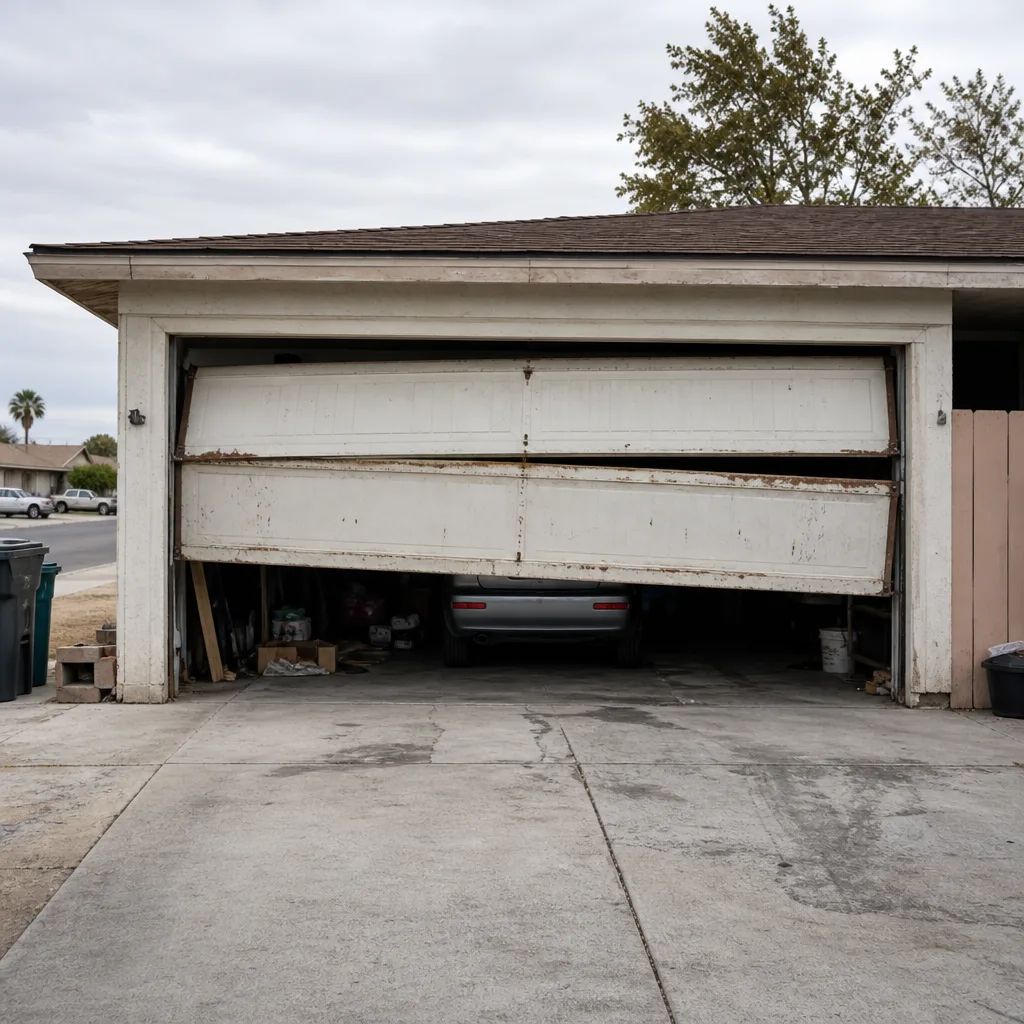 Before
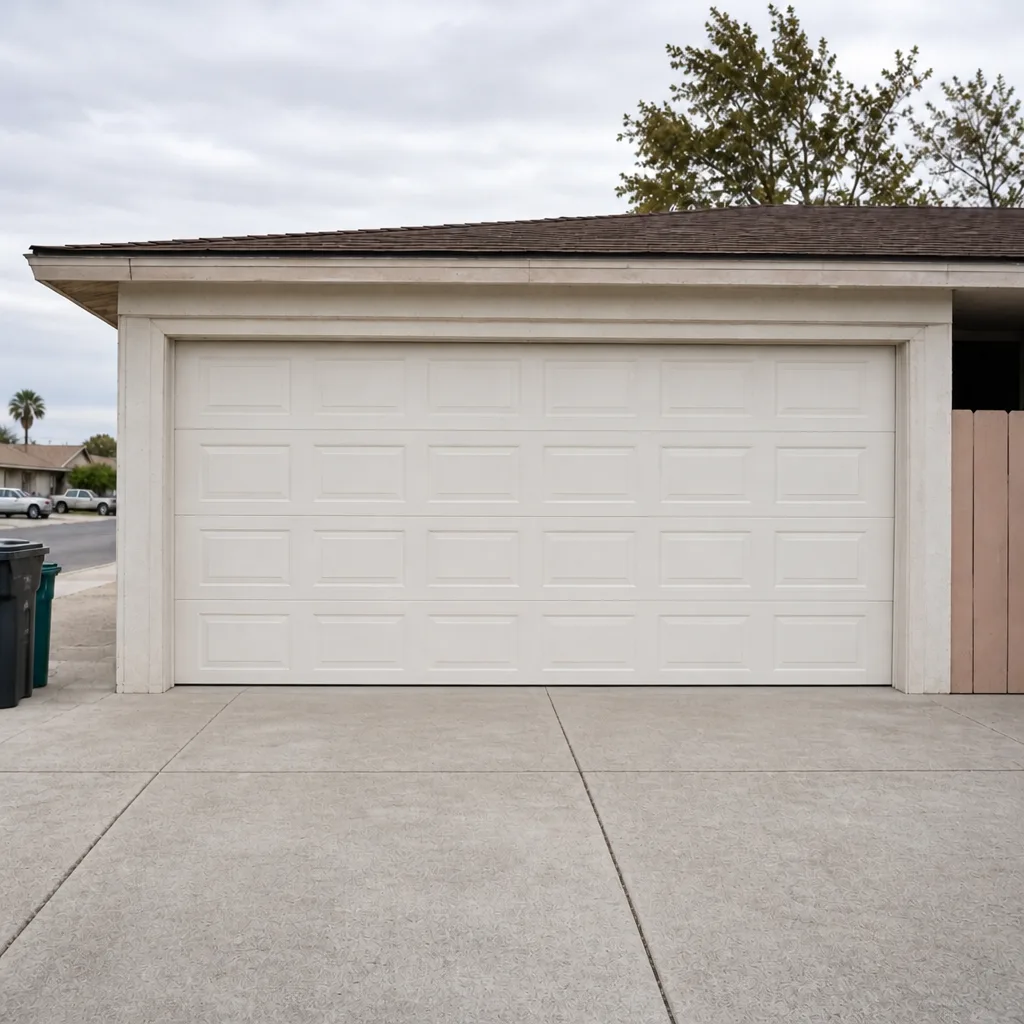 After
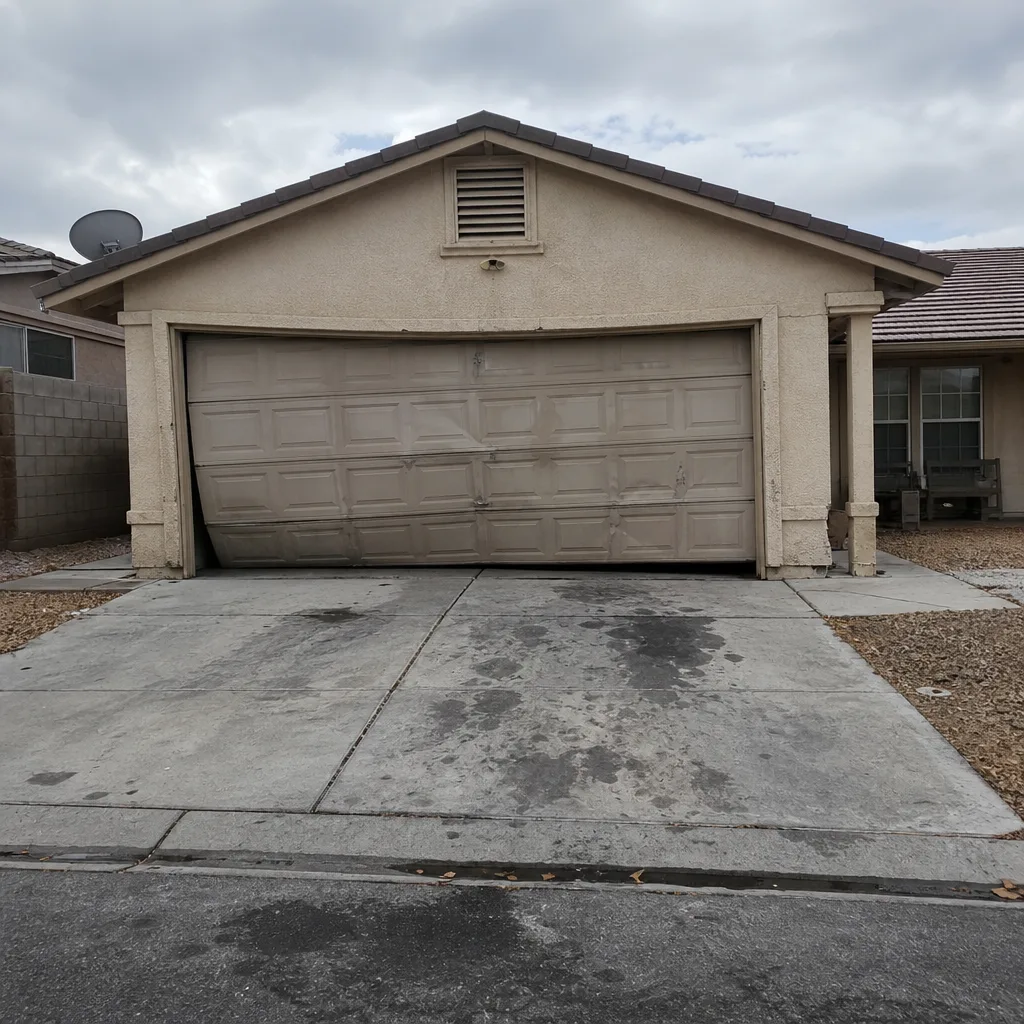 Before
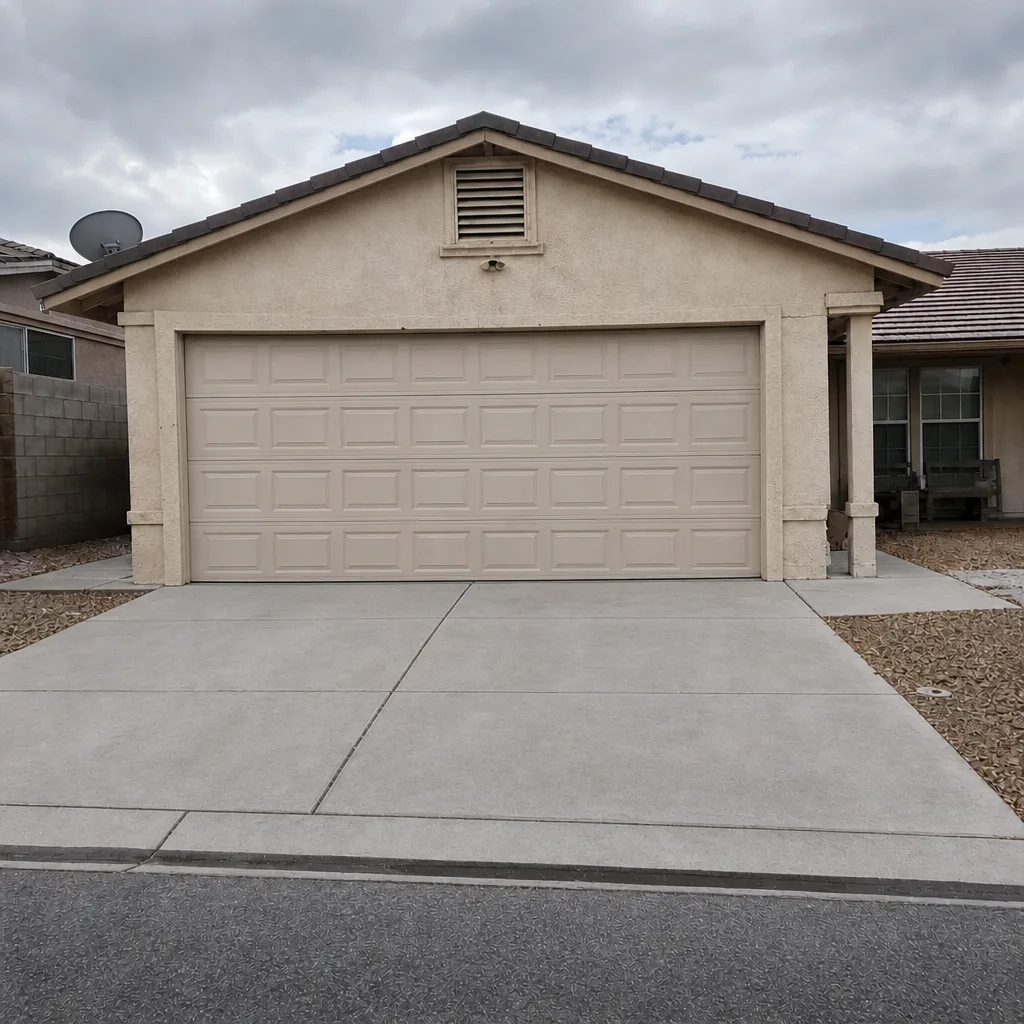 After
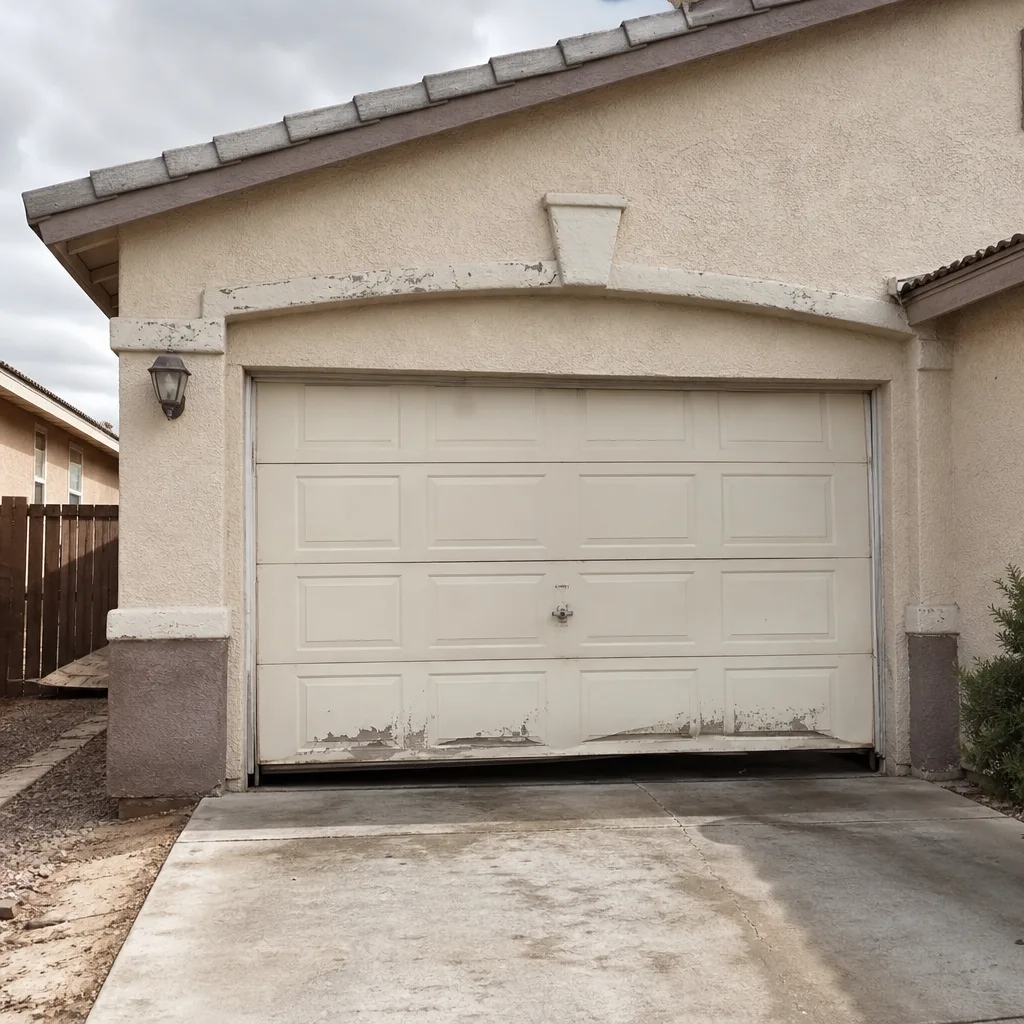 Before
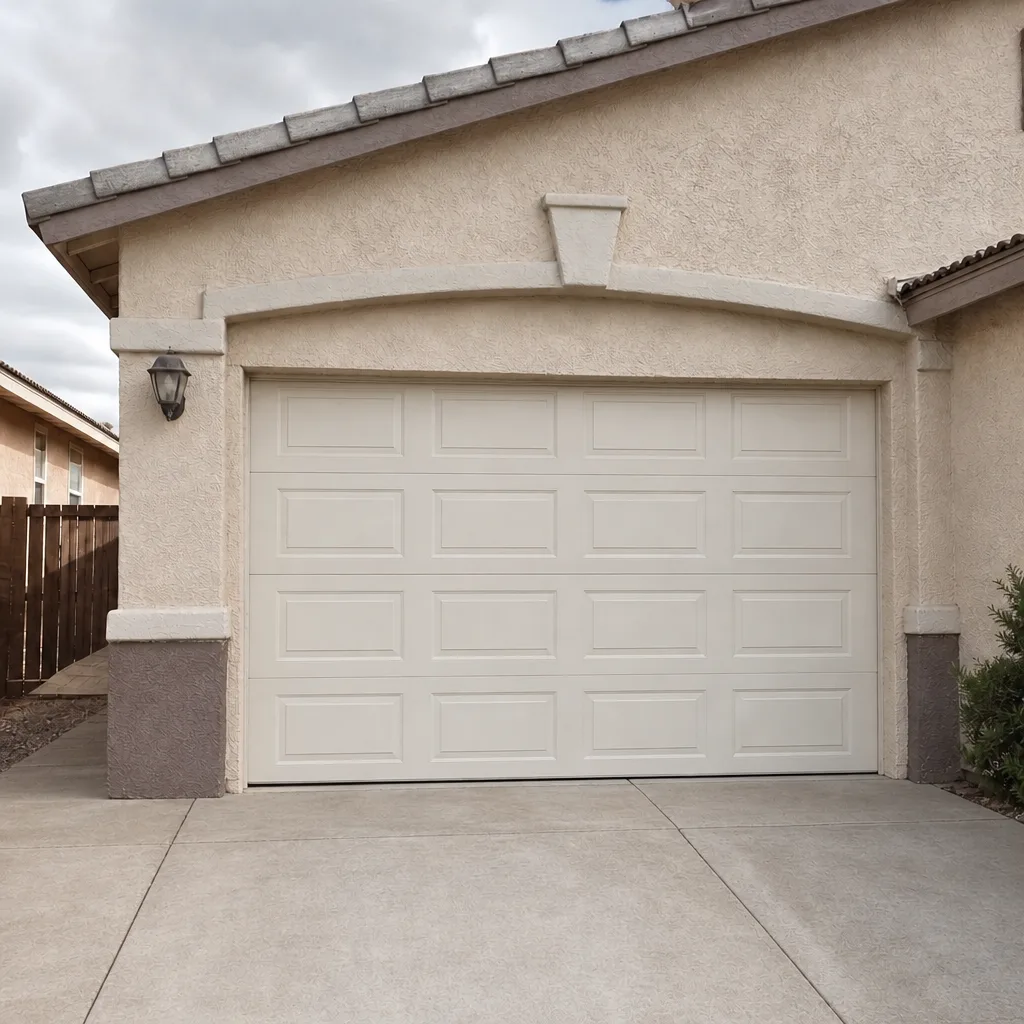 After
Frequently Asked Questions
A door that hesitates for a second or two before it starts moving is the most common early warning we see. It usually means a spring is losing tension and the opener is straining to lift an unbalanced door. Catch it early and it’s a straightforward spring repair; wait and it becomes a broken-spring emergency. Call (866) 347-9495 for a free estimate.
A pop or click as the door starts to move, a visible gap or crack in the spring, or a door that suddenly feels far heavier than it used to are all signs a spring is close to failing. Any of these means stop using the door and call a technician – springs are under extreme tension and dangerous to touch. Call (866) 347-9495 and we’ll take a look.
You can handle the safe, non-mechanical parts: cleaning rust streaks, keeping the tracks clear, replacing a worn bottom seal, and doing the slow spot test to find a failing roller. Anything involving the springs, cables, or drums should go to a trained technician. Those parts are under extreme tension and cause the majority of serious injuries when handled by homeowners.
Hesitation almost always traces back to tired springs, and North Las Vegas is hard on them between the heat and the daily in-and-out cycles. As the springs weaken, the opener has to lift the door’s full weight alone, so it pauses and strains before moving. It’s rarely the opener. Call (866) 347-9495 and we’ll tell you what’s left on your springs.
A quick visual and listening check once a season is enough to catch most problems early, and the season changes are the best time because that’s when tired parts tend to act up. Look for rust streaks, a frayed cable, a cracked bottom seal, and listen for the three sounds that predict failure. If something’s off, call (866) 347-9495 for a free estimate.
A dry, high scrape is usually a roller with a seized bearing dragging instead of rolling. It’s cheap to fix early, but left alone it grinds the track and pulls the door out of alignment, which gets expensive fast. Point out which side it’s on when you call, and we can bring the right roller the first time.
The Bottom Line
The warning signs that save you real money are specific, not vague. A two-second hesitation points to a failing spring. A dry scrape is a seized roller. A pop-click means a cracked spring, and that’s a stop-now call. Rust streaks under the hinges, a frayed cable at the drum, and a cracked bottom seal are the quiet desert tells worth a seasonal look. Know the difference between stop-using-it-now and schedule-it-this-week, describe the problem clearly on the phone, and you’ll turn emergency calls into planned repairs. It comes down to respecting a couple hundred pounds riding on two springs, and catching the cheap fix before it becomes the late-night one. For repair, replacement, or a second opinion, our Garage Door Repair in North Las Vegas team is a call away, and if you’re weighing a new door, Garage Door Installation in North Las Vegas can walk you through the options. Questions about your opener? Start at the Garage Door Opener Repair & Installation in North Las Vegas page, or head back to Otto’s Garage Door North Las Vegas home to see everything we handle.
Contact
If any of these warning signs sound like your door, don’t wait for the late-night version of this call. Reach out to Otto’s Garage Door North Las Vegas for a free estimate and upfront pricing quoted before the visit and held at the door. Call (866) 347-9495 for your free estimate – a live person answers around the clock, and whether it’s a hesitant door today or a new LiftMaster or Chamberlain opener down the road, we’ll give it to you straight.
Written by the team at Otto’s Garage Door North Las Vegas.