
Last updated November 18, 2026
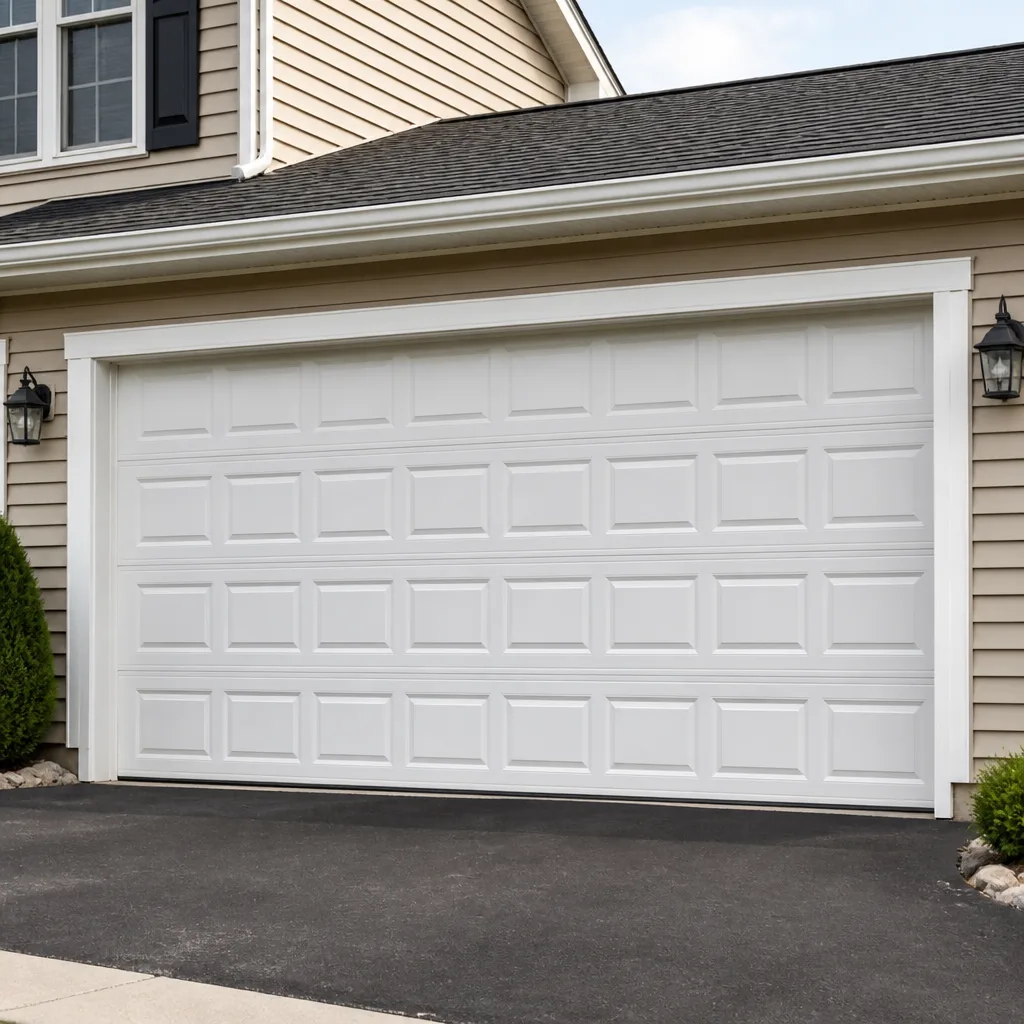 Raised-panel steel
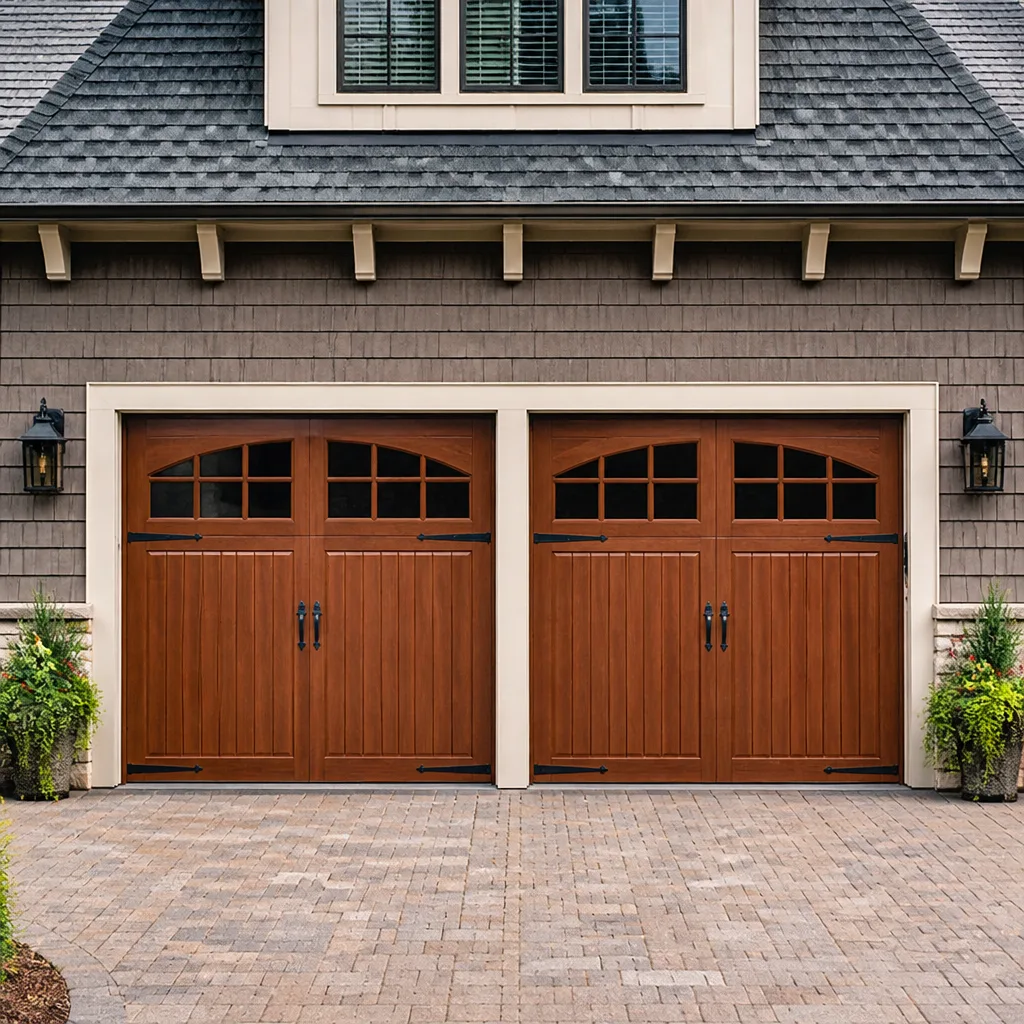 Carriage house
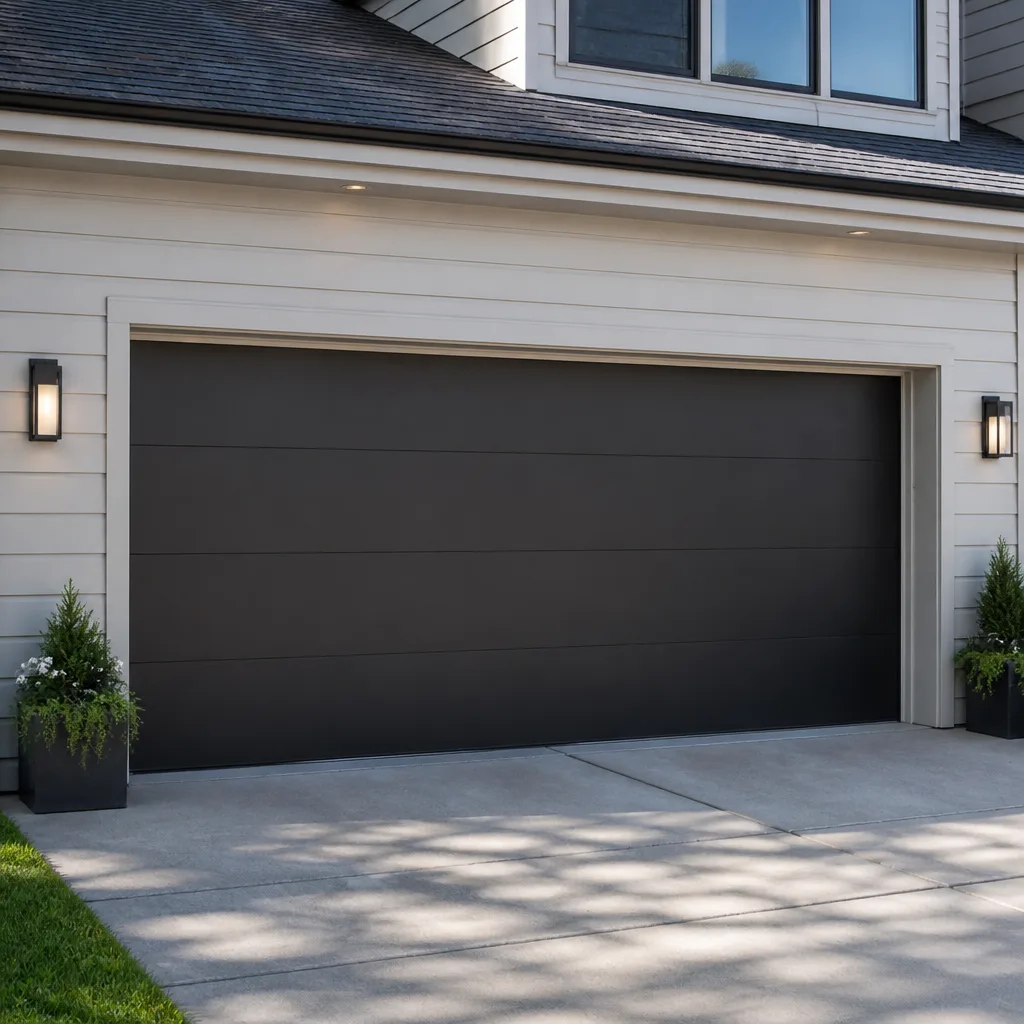 Modern flush
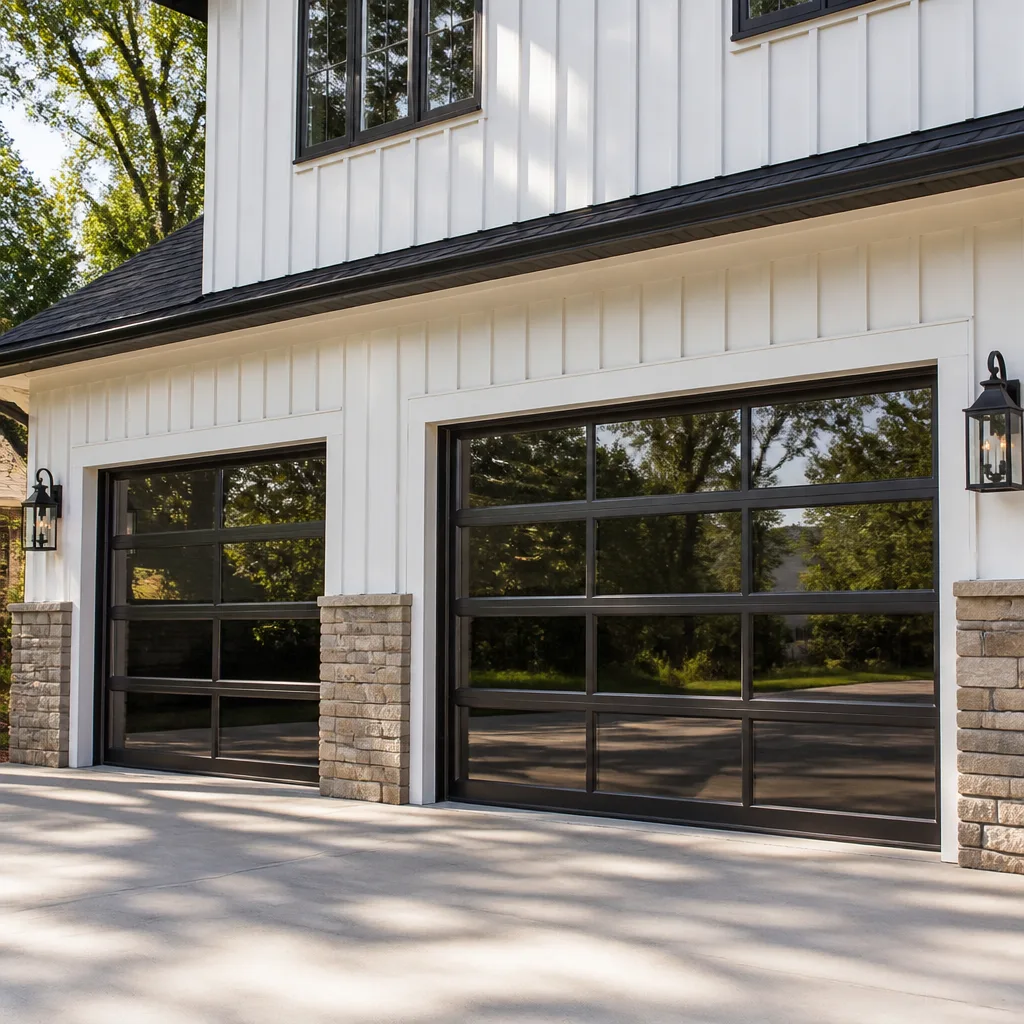 Full-view glass
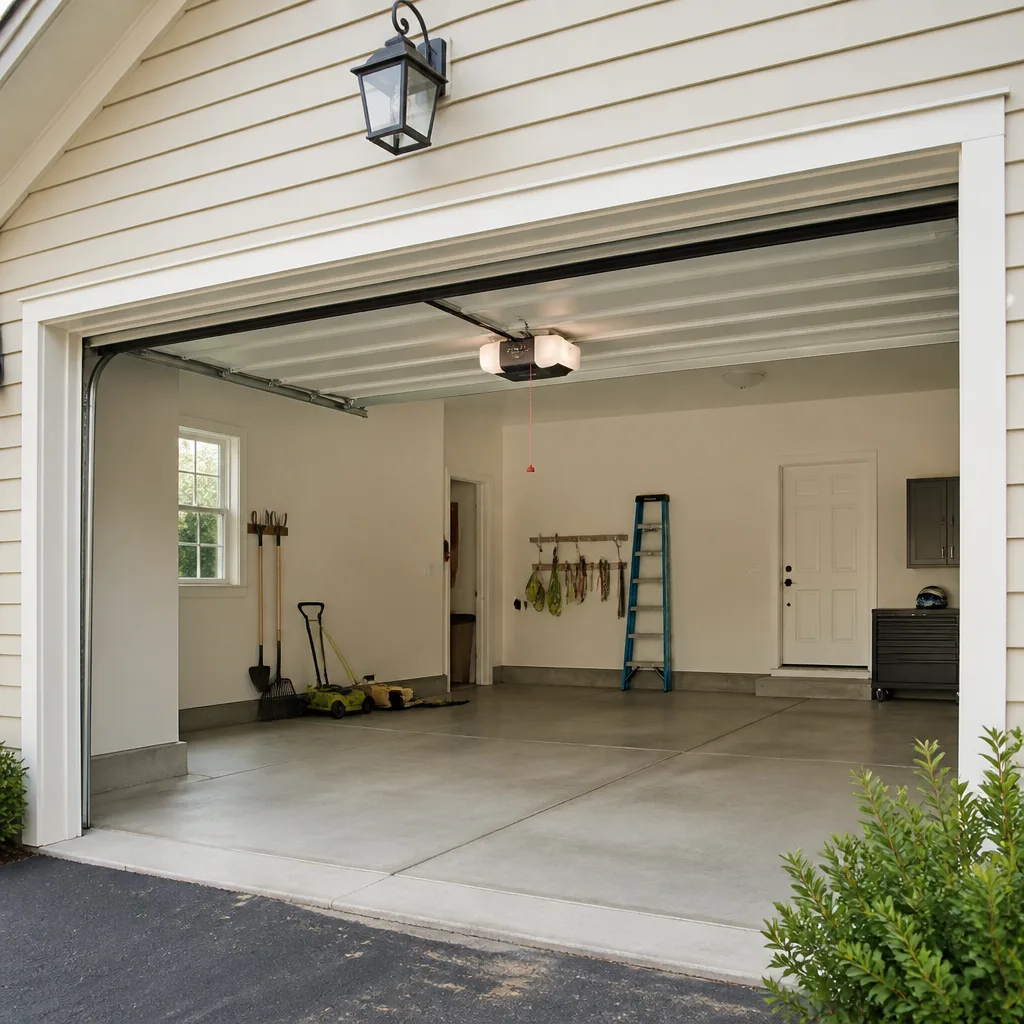 LiftMaster openers
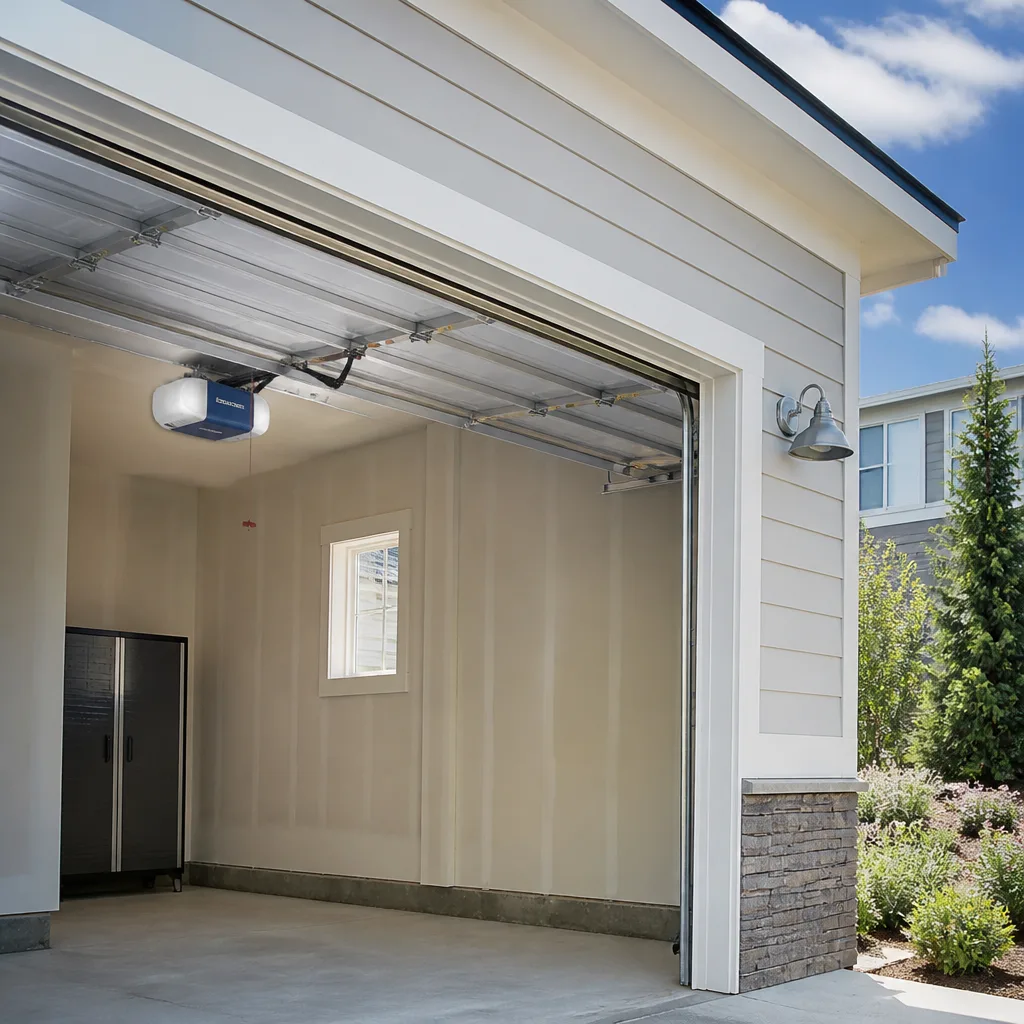 Chamberlain openers
Full 25-point door and opener safety check with every visit - springs, cables, rollers, tracks, and your LiftMaster or Chamberlain opener included
You get a price before we start. It does not change when the pro arrives.
Get your free estimateHow Long Does Garage Door Opener Repair & Installation Take? Timelines and What to Expect
Otto can swap a like-for-like opener in about 90 minutes. But if the previous opener was wired wrong, the header bracket is in the wrong spot, or the door isn’t balanced, that 90-minute job turns into a half-day, and the homeowner who wasn’t told that is the one who calls angry. In North Las Vegas, we’ve walked into brand-new tract homes in the Villages at Tule Springs where the builder’s opener was mounted to a header that flexes, and into 1990s houses off Carey Avenue where the original 1994 unit is still fighting a door that hasn’t been lubricated in a decade. What fills the clock isn’t usually the install. It’s the diagnostic lap at the front end, and this guide tells you exactly what that lap covers, what each job type really costs in time, and how to shave 20 minutes off your own appointment.
Quick Answer
A straightforward remote-only reprogram takes about 15 minutes, a safety-sensor realign about 20, and a full like-for-like opener swap roughly 90 minutes. A new opener going onto an old door with unknown service history runs 2 to 3 hours because of the balance and alignment check, and a new opener plus a new door installed the same day is a half-day job. The honest variable is the diagnostic lap: door balance, header clearance, and existing wiring condition. Skip it, and you’ll see the tech again in two weeks.
Styles & brands we work with
- Raised-panel steel
- Carriage house
- Modern flush
- Full-view glass
- LiftMaster openers
- Chamberlain openers
Table of Contents
- How long does each job type actually take?
- What the diagnostic lap covers and why it adds time upfront
- New opener on an old door: why the unknown-history job runs long
- What you can do before the appointment to cut 20 to 30 minutes
- The honest same-day caveat on parts and lead times
- Quick fix versus right fix: the timeline trade-off
- Common mistakes to avoid
- When to call a professional
How Long Does Each Job Type Actually Take?
The single biggest reason homeowners feel blindsided by opener timing is that “opener repair” covers five wildly different jobs. A sensor that got kicked out of alignment by a garbage can is a coffee-break visit. A full replacement on a door with a cracked panel and a stripped gear is a morning. Here’s the honest breakdown, based on the calls we run every week across North Las Vegas.
- Remote or keypad reprogram only: about 15 minutes. Usually a battery, a cleared memory, or a neighbor’s remote that grabbed your frequency.
- Safety sensor realign or replacement: about 20 minutes. Common after a car bumper or a lawnmower nudges the sensor eye out of line.
- Gear and sprocket kit or capacitor replacement: 45 to 75 minutes on a LiftMaster or Chamberlain unit, depending on how much of the housing has to come down.
- Full like-for-like opener swap: about 90 minutes. Same brand, same rail, same mounting points, wiring already sound.
- New opener on an old door with unknown service history: 2 to 3 hours. Balance check, header and rail alignment, wiring inspection, safety-reverse test all get their own lap.
- New opener plus new door installed the same day: a half-day, usually 4 to 5 hours for a single-car door and longer for a double.
What’s not on that list is the wildcard: a previous installer who ran the low-voltage wires across the ceiling of a finished garage with no staples, or a jackshaft setup that was never anchored into anything structural. Those conditions turn a 90-minute swap into a 3-hour job because the tech has to re-route before he can mount. If you want the full picture on what an opener replacement involves, our page on Garage Door Opener Repair & Installation in North Las Vegas breaks down the equipment side. The timeline side is what follows.
What the Diagnostic Lap Covers and Why It Adds Time Upfront
Here’s the counterintuitive part: the diagnostic lap is the reason a good opener install lasts. It’s also the reason your appointment might run past the time the last company quoted you on the phone. We don’t skip it, and we don’t apologize for it.
The lap has three checkpoints, and each one catches a failure mode that would send us back to your driveway in 30 days.
- Door balance check. With the opener disconnected, we lift the door halfway and let go. If it drops, the springs are tired or the torsion is off. An opener bolted to an unbalanced door wears out its gear and eventually its motor. This check takes 3 to 5 minutes and saves the whole install.
- Header and rail clearance measure. The header bracket has to be centered, level, and mounted into solid framing, not the thin metal cross-brace some builders use. We’ve found brackets in newer North Las Vegas neighborhoods screwed into a header with 40 percent of the wood behind it rotted from a roof leak. That measure adds 10 minutes and often explains why the last opener screeched on the way up.
- Existing wiring condition. Low-voltage wire that’s been stapled too tight, spliced with electrical tape, or run within a foot of a fluorescent ballast will cause phantom openings and sensor faults. We run a continuity test and eyeball the run. If it needs re-pulling, that’s where the 30 extra minutes hide.
These three laps add 20 to 40 minutes upfront. In our experience, they remove the callback visit entirely. A tech who skips them is the reason a homeowner ends up calling a second company three weeks later, which is a worse story than a longer first appointment.
New Opener on an Old Door: Why the Unknown-History Job Runs Long
When the door was built in the last five years and we know the make and model, we can plan the install down to the minute. When the door is original to a 1998 house and nobody’s touched it since, every assumption gets checked. That’s the two-to-three-hour job, and it’s not because the work is harder. It’s because we’re discovering the truth in real time.
Three things routinely eat the extra hour on these installs:
- Spring condition. A door that’s 20 years old and never had a spring checked may be one cycle away from letting go. We don’t install a new opener on a door with tired springs. We tell you what’s left on them, the way you’d tell someone what’s left on their tires, and the spring replacement has to be scheduled as its own visit. That’s a safety issue, not a scheduling one, and we’d rather lose a same-day sale than bolt a new motor to a spring that’s about to fail.
- Panel and hinge wear. Rollers that have flat spots, hinges that are bending, and bowed panels all affect whether the door opens on the new opener’s torque curve. We check them on the lap and either adjust or note them for the estimate.
- Old wiring that’s been “fixed” by someone. If a previous homeowner spliced the wall button into a doorbell transformer, we find it on the continuity test. Re-pulling a low-voltage run is 30 to 45 minutes.
If your door is a Clopay, Amarr, or Wayne Dalton and you can give us the model number before the appointment, we’ll know what hardware profile to expect and cut the surprise time. If you don’t know, we’ll still get it done, but plan the extra hour. For a deeper look at what actually goes into an install day, see Garage Door Installation in North Las Vegas.
What You Can Do Before the Appointment to Cut 20 to 30 Minutes
Twenty to thirty minutes is real money off the labor line. Here’s the honest list of things that make a difference. None of these require you to touch a spring, a cable, or an electrical panel, and we don’t want you to.
- Clear the bay. Move the car out, sweep the floor, and take down anything hanging from the ceiling near the rail. Ten minutes of yours saves ten of ours.
- Write down the old opener’s model number. It’s on the back panel of the unit or inside the light cover. A LiftMaster or Chamberlain model number tells us the rail type, the horsepower, and the parts compatibility before we pull into the driveway.
- Confirm the door operates manually. Pull the red emergency release handle down, lift the door by hand, and let it sit halfway. If it stays up, it’s balanced enough that the opener isn’t fighting the door. If it drops, tell us on the phone when you book, and we’ll plan the visit accordingly.
- Know where the wall button and sensor wires run. If you’ve finished a garage, drywalled over the old wire, and added a run of your own, say so. That’s a 15-minute conversation we’d rather have before we arrive.
- Have the gate code or a clear path to the driveway. Small thing. It adds up to a shorter appointment and a friendlier start.
Skip the last two and you’ll spend 15 minutes watching a tech figure out the layout. Do them, and a like-to-like swap that was going to run 100 minutes comes in closer to 80. That’s a call-back you’ll want to schedule through a live person, which is how the phone at Otto’s Garage Door North Las Vegas home works.
The Honest Same-Day Caveat on Parts and Lead Times
Here’s what most companies won’t tell you on the phone: same-day service depends on whether the part you need is on the truck. We stock the common failures for the brands we see most in North Las Vegas, LiftMaster and Chamberlain springs, sensors, capacitors, and gear kits, and a service call for those usually goes same-day because the part is already with the tech. But a less common unit, a specialty jackshaft opener, a discontinued Craftsman rail, or a door-specific bottom seal, doesn’t live on the truck, and no amount of urgency changes the supply chain.
What that realistically means for timing:
- Common parts: same-day or next-day service, often quoted on the call and held at the door.
- Less common parts: usually one to three business days for the part to arrive, and the repair is scheduled around that. North Las Vegas sits close enough to the Las Vegas wholesale supply chain that we’re rarely waiting a week for a standard part, but we’ve seen specialty components stretch a repair to seven to ten days. We’ll tell you the number before you commit.
- New opener installations: the unit is ordered for your door’s specifications. That’s a scheduled day, not a same-day dispatch, and it’s worth the wait because the equipment matches the door.
If a part isn’t in hand on the day we arrive, we don’t leave you guessing. You get the timeline in writing, the price held, and a callback. That’s the difference between a company that gates the honest caveat and one that tells you what you want to hear on the phone. Our full service lineup is on the Garage Door Repair in North Las Vegas page if you want to see what’s covered.
Quick Fix Versus Right Fix: The Timeline Trade-Off
Somebody calls, their opener is straining, and they’ve got a family event Saturday. They want the shortest possible visit. We understand that, and we still don’t skip the adjustment laps. Here’s why, in plain terms.
If the opener is straining, the problem is almost never the opener. It’s the door. A door that lifts hard because the spring is tired, the hinges are dry, or a roller is seized will burn through a new opener’s gear in six months to a year. The 90-minute visit that swaps the motor and adjusts nothing feels great until the motor fails. The 150-minute visit that swaps the motor, balances the door, lubricates the hinges, and adjusts the up and down limits lasts. The extra hour buys years.
The trade-off is the same on the door itself. A quick chain and cable tension tweak that gets you through the weekend may not hold if the underlying torsion is off. On torsion springs and high-voltage cables we don’t cut corners, and we don’t recommend you do either. A door is 200 pounds riding on two springs. Respect it. But we will give you the honest version: the quick fix exists, we’ll quote both, and the right fix is usually only an hour more of labor than the quick one.
Common Mistakes to Avoid
- Booking an opener install without a door balance check. If the door drops on the manual release test and a company sends a tech without asking, that tech is installing a motor on a failing spring. Get the balance question asked before the appointment.
- Assuming a 90-minute quote covers every job. “Opener install” is not one job. Ask which job type applies to you and what assumptions the quote is built on, so the 90 minutes doesn’t become a half-day surprise.
- Paying a trip charge inside your own county. Some companies bill a trip fee just to show up. We don’t charge a trip inside the home county, and you should ask that question before booking anywhere in North Las Vegas.
- Skipping the manual release test to save time. Pulling the red handle is a 30-second check that tells your tech whether the door is safe to install an opener onto. It’s also the single most useful thing you can report on the call, and it’s free.
- Buying a discounted opener without checking the door’s condition. A $150 sale-price opener bolted to a tired door is the most expensive thing in the garage. The equipment matters less than the door it’s moving.
- Doing the spring work yourself. Homeowners who try a torsion spring replacement without the right winding bars account for a share of the ER visits we hear about every spring. We don’t touch that with a homeowner, and neither should you.
- Forgetting to ask about the second opinion. If you’ve got a written estimate in hand, we’ll look at it for free. It’s the cheapest 15 minutes in this industry.
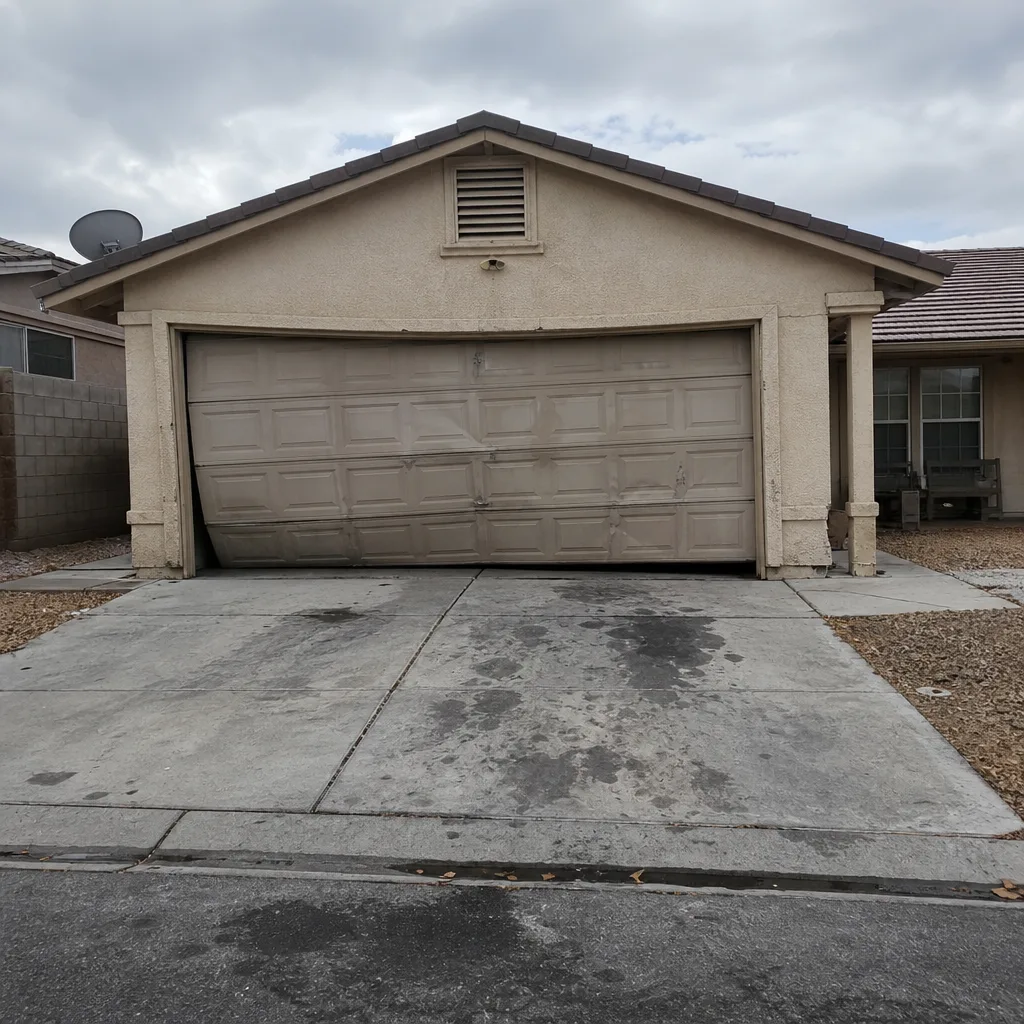
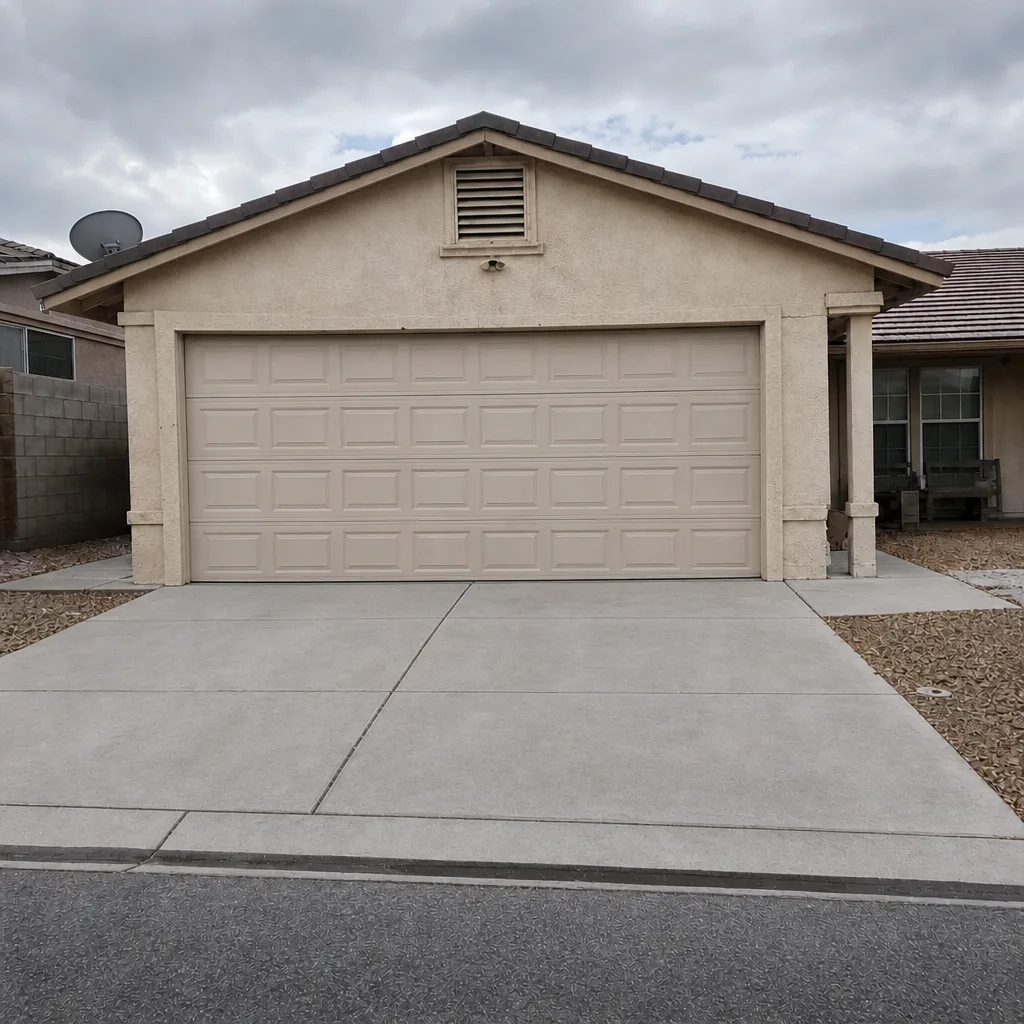
See the difference
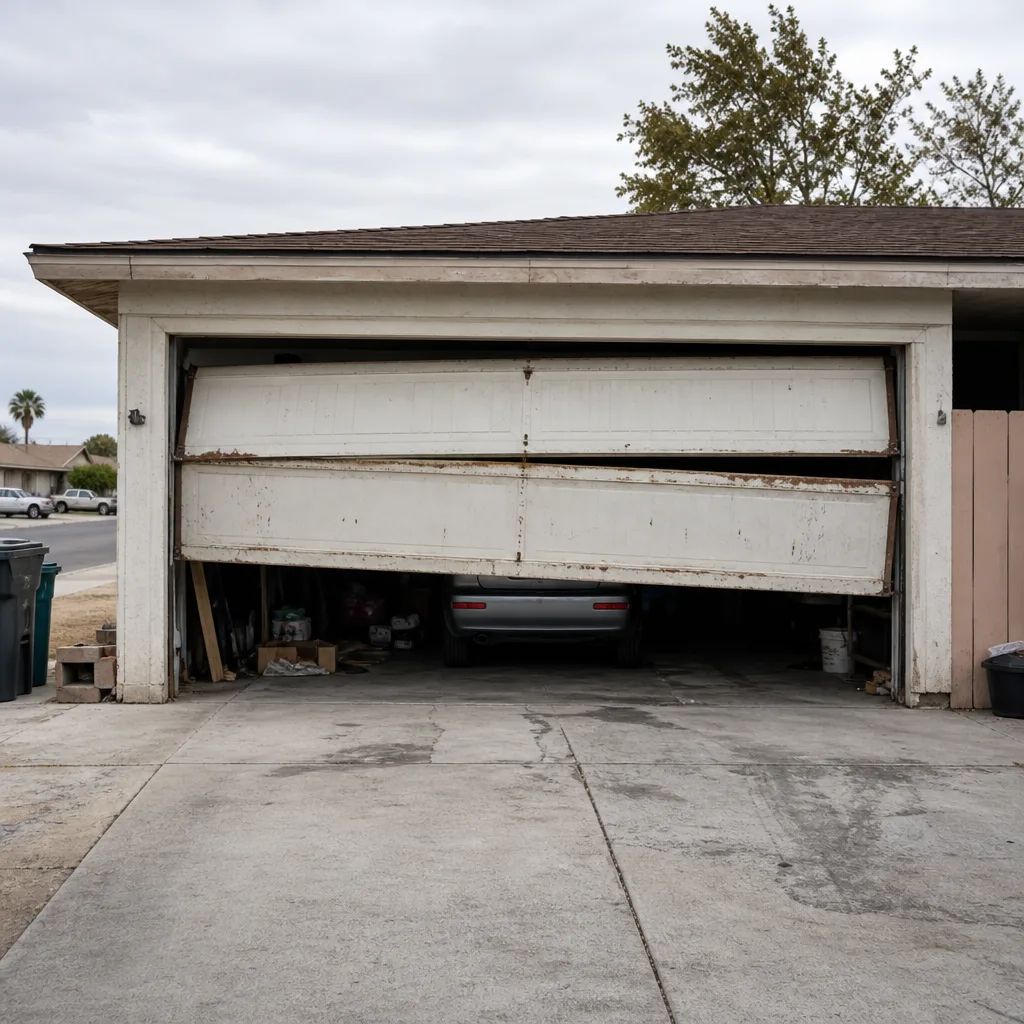 Before
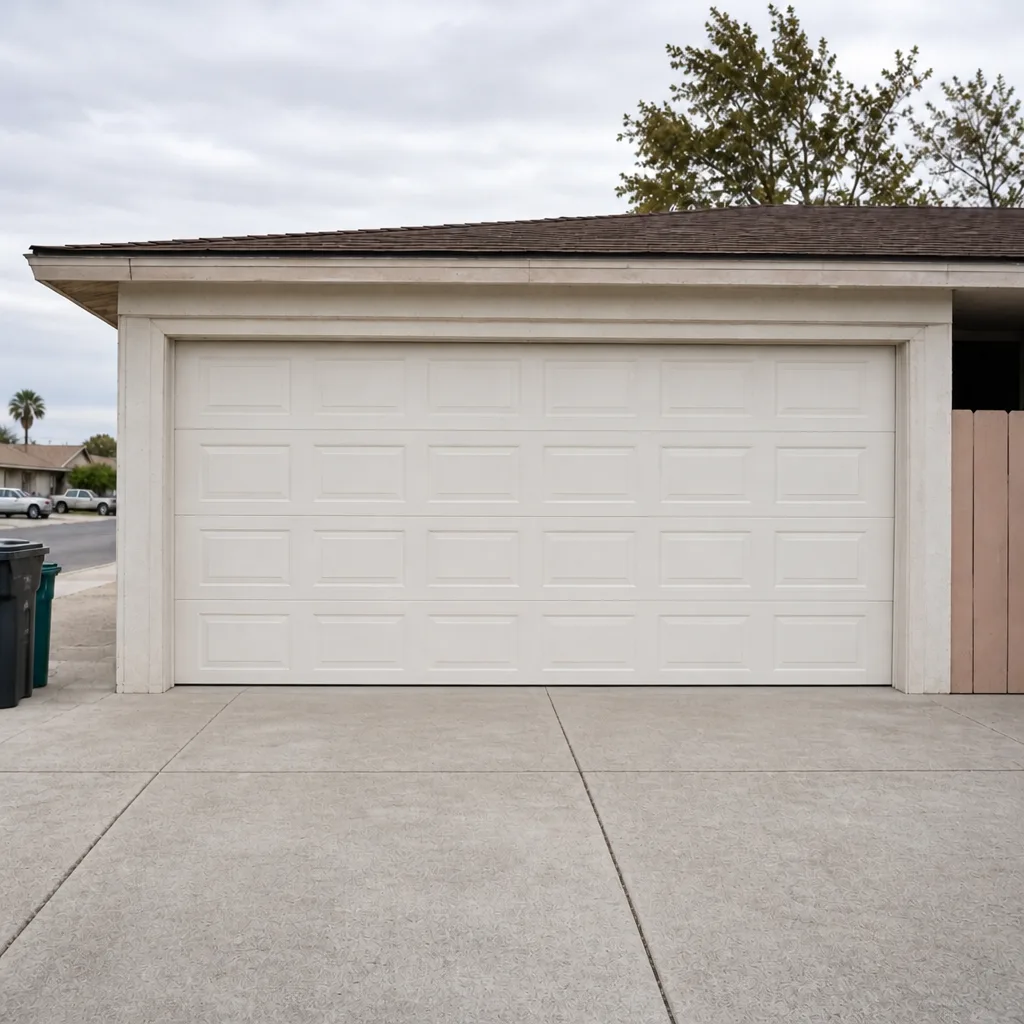 After
 Before
 After
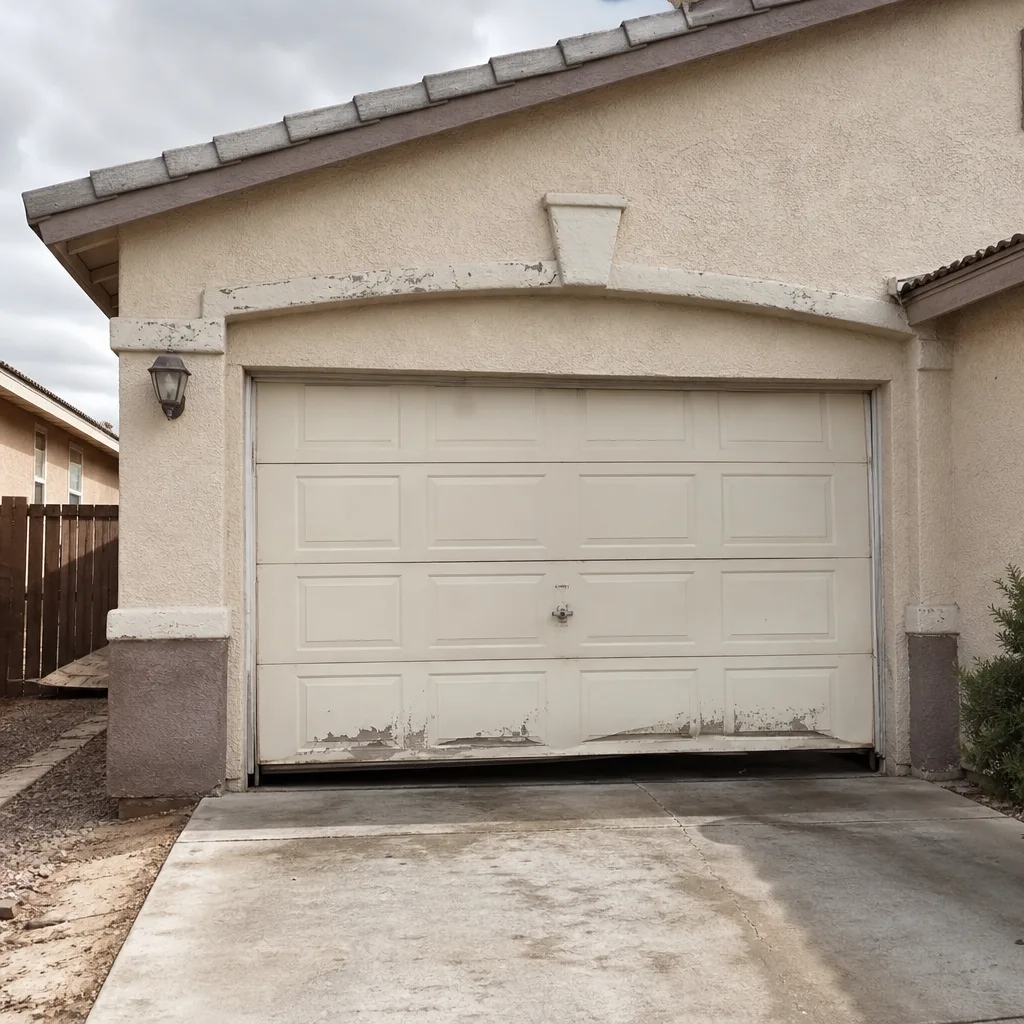 Before
 After
When to Call a Professional
Call for anything involving a torsion spring, a cable, an electrical panel, or a rail that’s come loose from the header. Call if your door reverses on its own, if the opener hums but the door doesn’t move, if the door drops on the manual release test, or if your wall button has started to require a hard press. Call if a tech from another company can’t tell you what job type they’re quoting, or if the price on the phone doesn’t match the price in writing. And call if the door is twenty years old and has never been serviced, because the springs are the part you can’t see and they’re the part that fails. Otto’s Garage Door North Las Vegas offers free estimates in North Las Vegas. The number is (866) 347-9495, and a live person answers it, day or night.
Frequently Asked Questions
A like-for-like opener swap takes about 90 minutes. A new opener on an older door with unknown service history usually runs 2 to 3 hours, and a new opener plus a new door installed the same day is a half-day job. The variable is the diagnostic lap, not the motor, and skipping it is why some installs need a return visit. Call (866) 347-9495 and we’ll give you a realistic window before we book.
Often, yes. If the part you need is a common one we carry (LiftMaster or Chamberlain sensors, gear kits, capacitors), a same-day service call is normal. Less common parts, like a specialty jackshaft component or a discontinued rail, need one to three business days for the part to arrive, and we’ll tell you that on the phone instead of at the door. Call (866) 347-9495 for an exact timeline on your opener.
No. We quote on the phone and hold the number at the door. The one exception is when a diagnostic lap uncovers something the phone call couldn’t catch, like a rotted header bracket or a door that fails the balance test, in which case we tell you before we start, in writing, and you decide. Call (866) 347-9495 for a free quote, and the price is agreed before any work starts.
Yes. The local pro who shows up is licensed and insured as Nevada requires, and our technicians have up to 22 years of experience across LiftMaster, Chamberlain, Genie, Clopay, Amarr, Wayne Dalton, Craftsman, and Raynor equipment. Every job comes with the 90-Day Done Right Promise in writing on the invoice. Call (866) 347-9495 if you want the license number before you book.
Because the diagnostic lap found something the phone call couldn’t. The three usual culprits are a door that fails the manual balance test, a header bracket mounted into framing that isn’t solid, or old low-voltage wiring that’s been spliced or run too close to a fluorescent ballast. Each adds 20 to 40 minutes, and each is the reason the second visit doesn’t happen. Call (866) 347-9495 and we’ll tell you which scenario likely applies to your door.
It depends on the job type. A sensor realign or remote reprogram is a short, low-cost visit. A gear or capacitor replacement runs more. A full like-for-like opener swap is a different price again, and a new opener on an old door adds balance and alignment labor. We don’t publish a one-size price because a quote that fits every door is a quote that fits none. Call (866) 347-9495 for a free, exact quote, and take $40 off any repair over $200.
The Bottom Line
The difference between a 90-minute repair visit and a half-day install isn’t the motor. It’s the diagnostic lap: balance, header clearance, and wiring condition. Those three checks add 20 to 40 minutes upfront and remove the callback visit entirely. Prep your bay, know your model number, run the manual release test, and you’ll shave 20 to 30 minutes off the appointment yourself. Expect common parts same-day and less common parts one to three days. Expect the price you were quoted to hold. And expect that if your door is old and nobody’s looked at the springs, the honest visit may run longer than the fast one. If that trade-off sounds right, call (866) 347-9495 for a free estimate. A live person answers, and if it’s Otto on the line, the number he gives you is the number that holds.
Written by the team at Otto’s Garage Door North Las Vegas.