
Last updated November 18, 2026
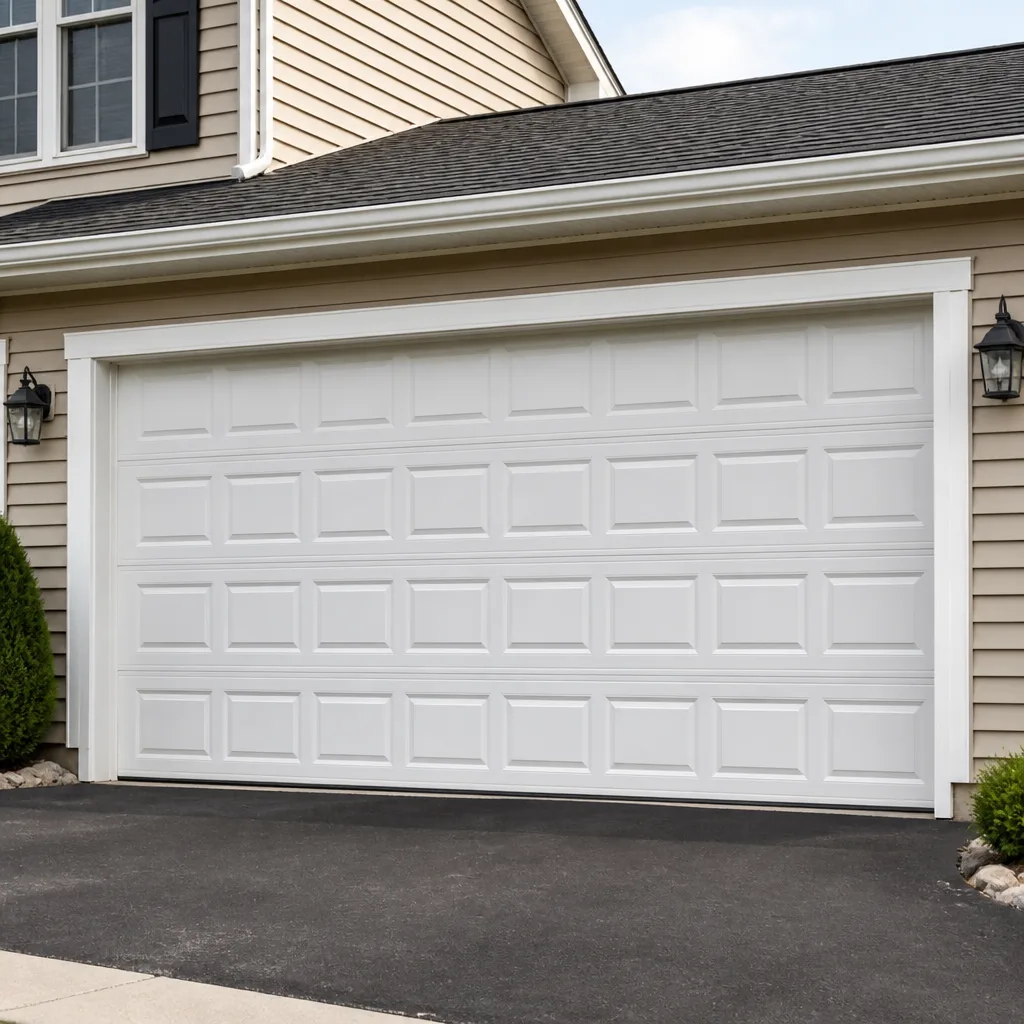 Raised-panel steel
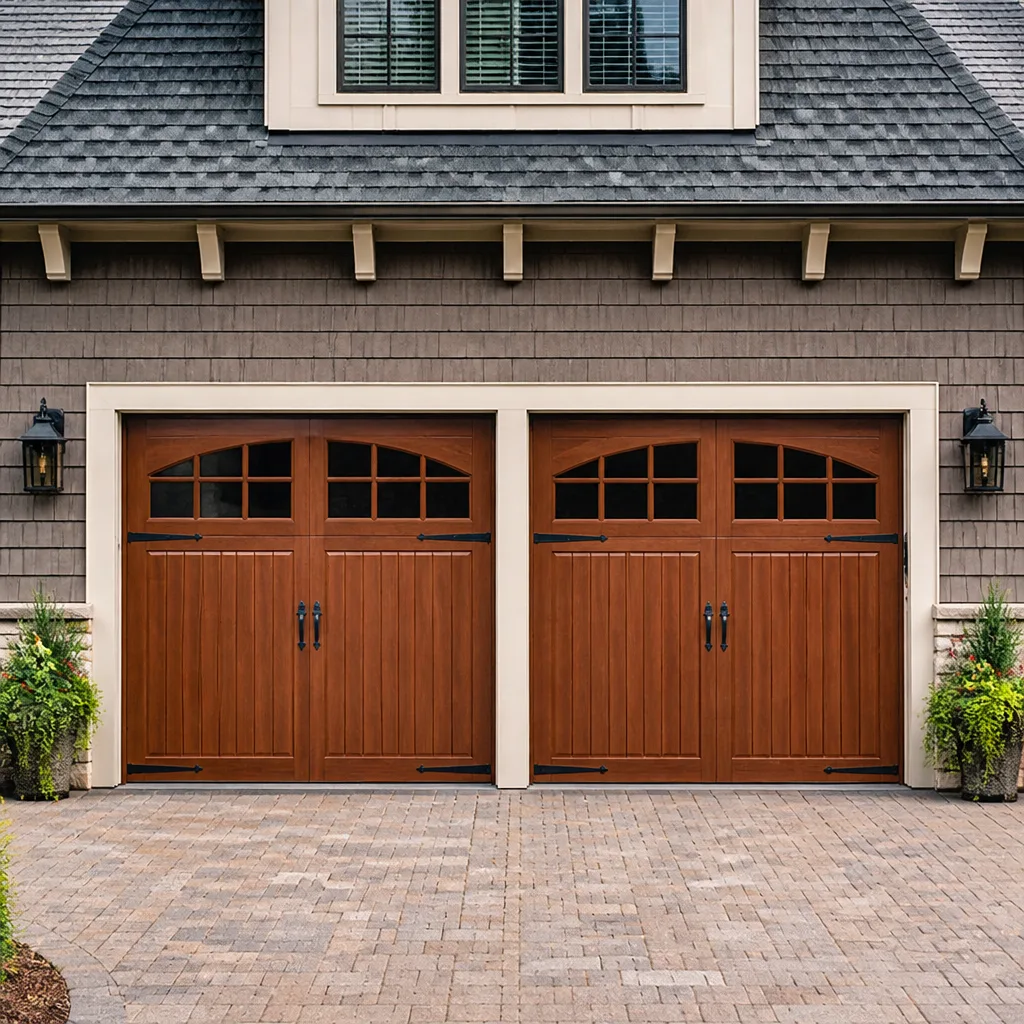 Carriage house
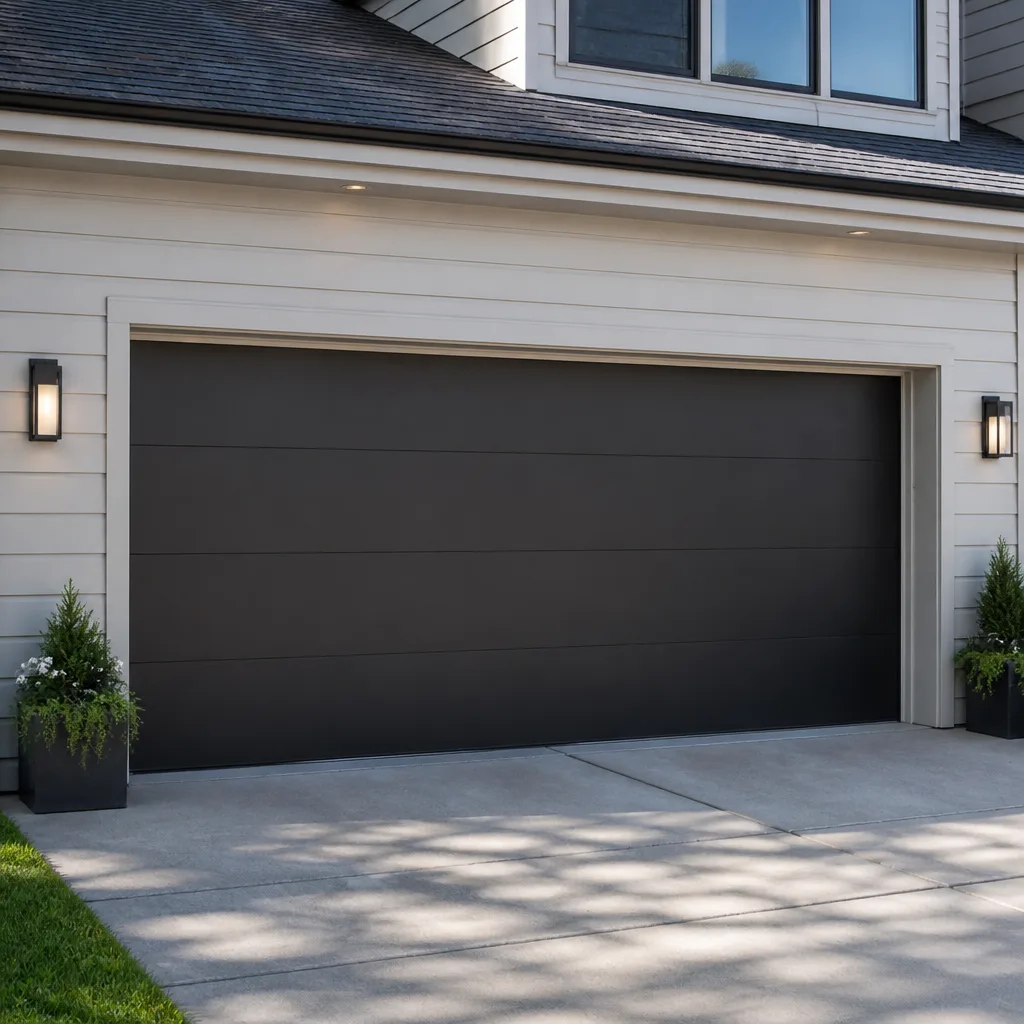 Modern flush
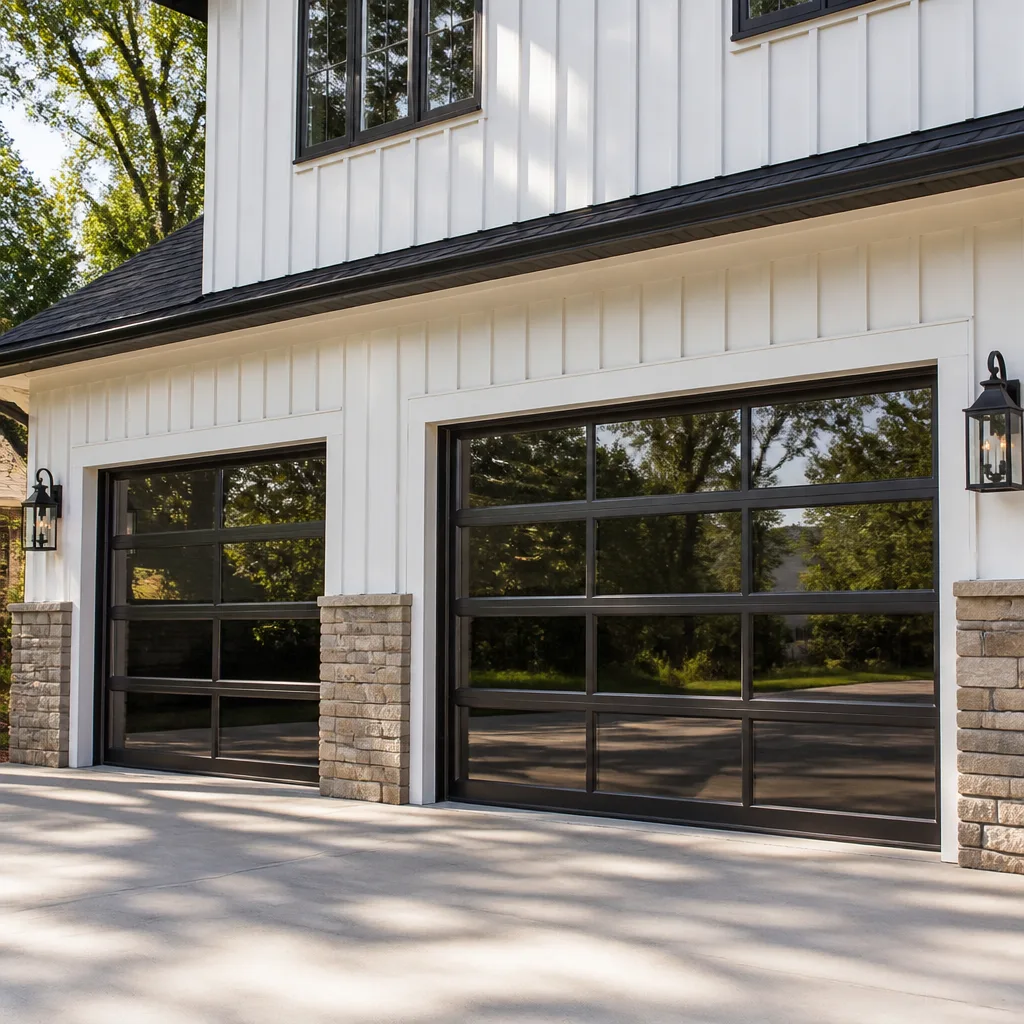 Full-view glass
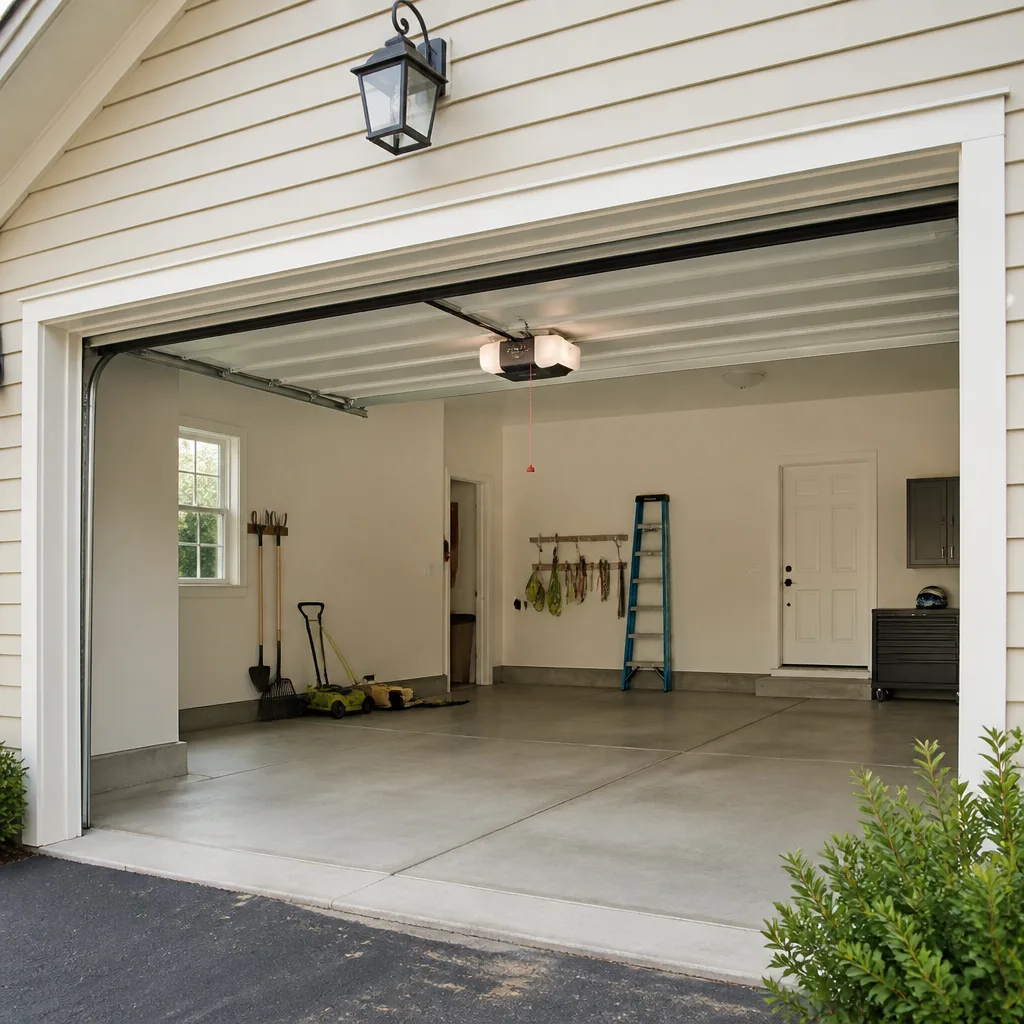 LiftMaster openers
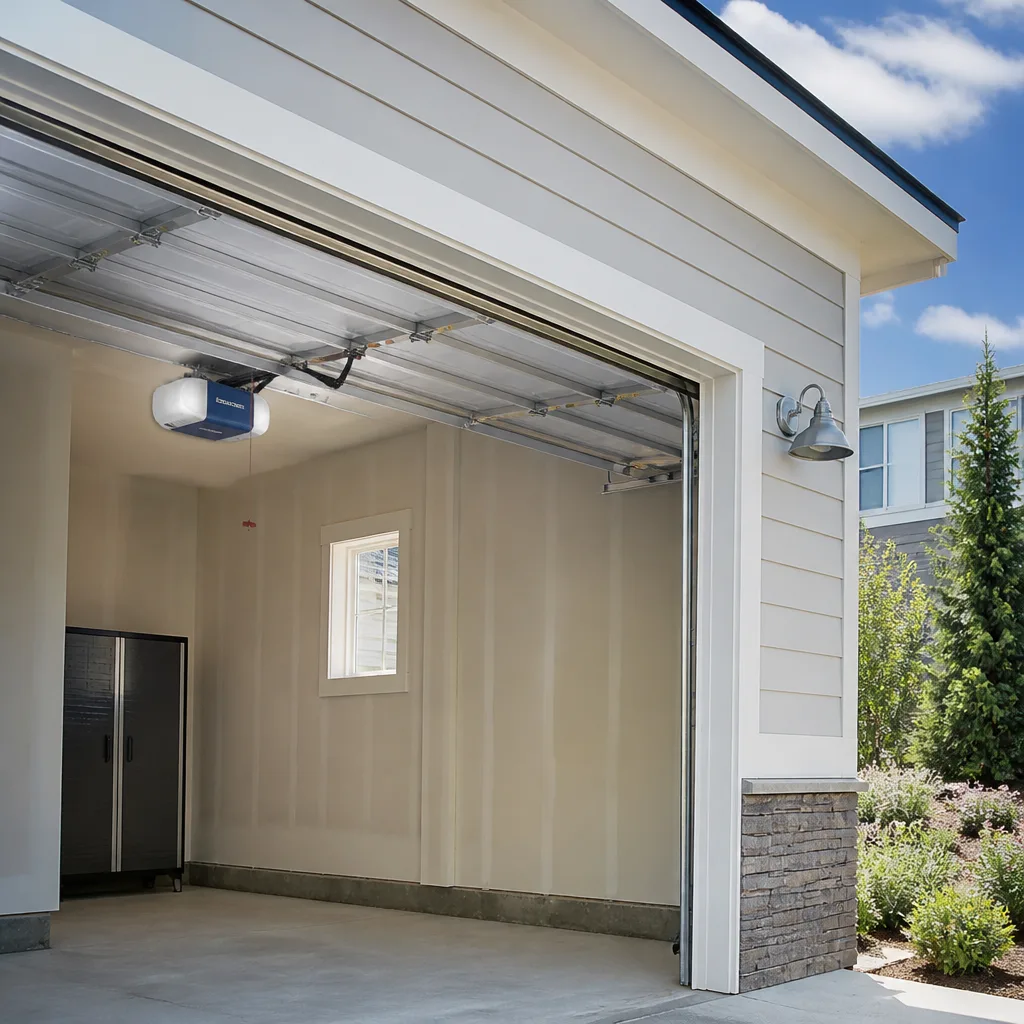 Chamberlain openers
Full 25-point door and opener safety check with every visit - springs, cables, rollers, tracks, and your LiftMaster or Chamberlain opener included
You get a price before we start. It does not change when the pro arrives.
Get your free estimateGarage Door Warning Signs: A North Las Vegas Homeowner’s Reference Guide
That clicking sound you’ve been blaming on the heat is usually a roller bracket tearing loose from a panel joint. In our experience across North Las Vegas, a door making that noise has roughly six weeks before it drops off track, and it often does it at 6 a.m. with your car parked underneath. Desert heat is real, and metal does move, but the sounds most homeowners write off as “expansion” are structural. This guide covers the early signals that matter here – the ones specific to our soil, our summers, and our wind – so you can catch a failing door before it strands you. We’ll show you what to listen for, what to photograph, and the three signs that mean call today, not next week.
Quick Answer
The warning signs that matter most in North Las Vegas are uneven gaps along the floor, a door that lifts fine by hand but struggles on the opener, and a rhythmic clicking near the top brackets. All three point to spring, cable, or track problems that get worse fast in desert heat, and all three are worth a professional look before the door fails completely. Call (866) 347-9495 for a free estimate – a live person answers, day or night.
Styles & brands we work with
- Raised-panel steel
- Carriage house
- Modern flush
- Full-view glass
- LiftMaster openers
- Chamberlain openers
Table of Contents
- The “Heat Expansion” Misdiagnosis
- What Uneven Floor Gaps Reveal About Caliche Soil
- The Photo Test: Checking Cables and Springs From a Safe Distance
- Works by Hand, Struggles on the Opener
- The Three Signs That Mean Call Today
- Seasonal Rhythm: Why Doors Fail in Spring and Fall Here
- Brand-Specific Quirks Worth Knowing
The “Heat Expansion” Misdiagnosis
North Las Vegas summers push garage interiors past 120 degrees on a regular basis, and doors do expand. But the sounds homeowners attribute to that expansion are usually something else. When we listen to a description over the phone – a pop, a click, a grinding scrape at the top of the travel – we can often tell what’s failing before we arrive. That should tell you how predictable these failures are.
Here’s what the common “heat” sounds actually are:
- A sharp click or pop near the top corners: a roller bracket working loose from the panel. The metal flexes, the fastener backs out, and eventually the roller jumps track. This is the big one in North Las Vegas, and it’s the sound in the opening paragraph.
- A rhythmic thump as the door rises: a bent or worn roller binding in the track. Heat makes the track expand and the binding worse.
- A grinding scrape at the very top or bottom: the door is hitting its travel limit because a spring has lost tension, not because anything is expanding.
- A bang from the ceiling area: the opener’s torsion spring or the torsion bar itself. This one is not a “wait and see” noise.
Temperature moves metal by fractions of an inch. It doesn’t make brackets back out of panel joints. If you’re hearing a sound every time the door moves – not just on the hottest afternoons – it’s mechanical. A door that’s 200 pounds riding on two springs doesn’t need much of a nudge to come off track, and a 120-degree garage is not the place to be diagnosing it yourself.
What Uneven Floor Gaps Reveal About Caliche Soil
Get down on the floor with a flashlight and look at the gap between the bottom of your closed door and the concrete. In a healthy installation that gap is even – roughly the thickness of a pencil – all the way across. In North Las Vegas, it frequently isn’t, and the reason is our soil.
Caliche is the calcium-carbonate hardpan that sits under a lot of the valley, and it doesn’t drain the way people expect. Water pools, the ground shifts with the wet-dry cycle, and slabs move. When the slab under your garage settles or heaves, the door opening goes out of square, and you get:
- A gap that’s tight on one side and wide on the other
- A bottom seal that wears through on one end within a season
- A door that closes but doesn’t quite seat, letting in dust and the occasional scorpion
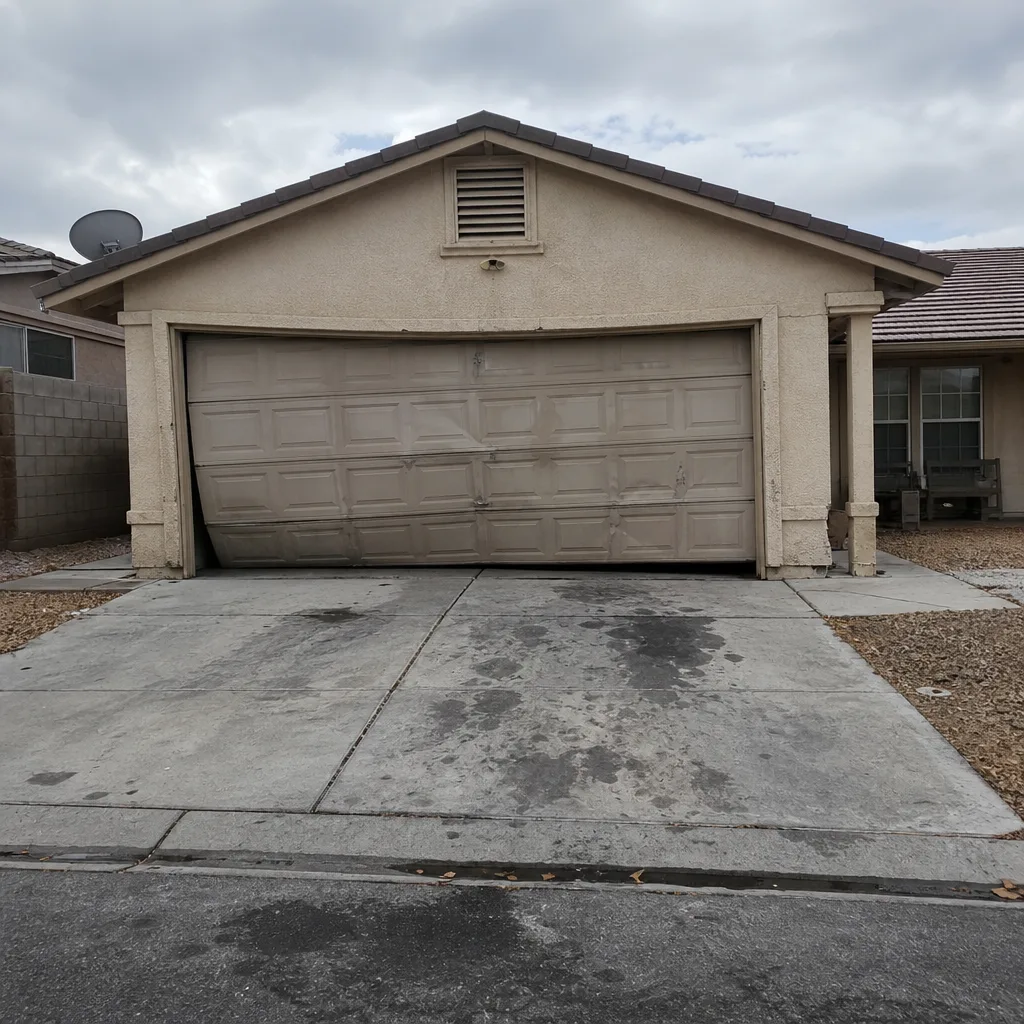
- Panels that look cockeyed when the door is halfway up
None of that is a gasket problem, even though a worn gasket is what you’ll see. It’s a symptom of a door that’s trying to close into a crooked opening. The fix isn’t always replacing the door – sometimes the track and bottom seal get adjusted to follow the slab, and the door seats again. But a door that’s been fighting a settled slab for a year will start wearing out its rollers and hinges on the low side, and that’s when the repair gets expensive.
If you’re seeing an uneven gap, it’s worth having someone look at it before the panel or the track takes the damage. Our Garage Door Repair in North Las Vegas team sees this on a regular basis in the older neighborhoods and in newer builds where the lot was graded over caliche.
The Photo Test: Checking Cables and Springs From a Safe Distance
You do not need to stick your head under a loaded torsion spring to know whether it’s failing. Your phone camera is the tool here, and it keeps you on the safe side of the work.
- Photograph the torsion spring above the door from a few feet back. Look for a gap in the coil – a clean break looks like a single coil has pulled apart. A spring with a visible gap is broken, full stop, even if the door still opens.
- Photograph the lift cables on both sides where they run alongside the track. Look for the wire separating into strands, kinks, rust at the drum, or a cable that’s slack on one side but tight on the other.
- Photograph the rollers where they sit in the track at the top of the door travel. Nylon rollers should look round and smooth. Flat spots, cracks, or a roller sitting cockeyed in the track all show up in a photo.
- Zoom in on the bracket screws at the top corners. A bracket that’s pulling away shows a shadow line between metal and panel and, often, a screw that’s backed out halfway.
- Compare the two sides. If one cable looks tighter than the other or one bracket is clearly different from its twin, the door is out of balance and needs attention.
Send those photos to whoever you call and you’ll save a trip. And to be clear: a photo will tell you a cable is frayed. It will not tell you how to safely replace one. Cables and torsion springs are under enough tension to do serious harm, and we don’t hand homeowners a wrench and a YouTube link. A trained technician, with the door de-tensioned correctly, is the only safe route on a live cable or spring.
Works by Hand, Struggles on the Opener
This is the diagnostic most homeowners get backwards. If you disconnect the opener (usually a pull cord on the rail) and the door lifts smoothly by hand but strains and stutters once you re-engage the opener, the problem is almost never the opener. It’s the springs.
Springs do the lifting. The opener’s job is to guide the door and hold it where you want it. As torsion springs weaken – and heat accelerates that here in North Las Vegas – the door gets heavier. The opener works harder to compensate, and the signs start showing up:
- The door rises slowly, especially on the last foot
- The opener motor sounds labored and runs longer than it used to
- The door reverses on its way down for no apparent reason
- The opener’s lights flicker or the unit beeps and stops
Homeowners see the opener straining and assume the opener is old and needs replacing. Sometimes it is. But when we test the door by hand and it’s heavy and hard to lift, we know the spring has lost tension, and no new opener on the market will fix that. Replacing the opener without addressing the spring is how you burn out a brand-new motor in a season. If your opener is the actual problem, the Garage Door Opener Repair & Installation in North Las Vegas page covers the opener side; if the door is heavy by hand, the spring is the place to start.
One more thing worth knowing: some openers, including newer LiftMaster and Chamberlain units, have a travel-adjustment feature that masks a weakening spring for a while by pushing harder. Then one day the door is too heavy even for the adjusted limit and it stops opening. That failure feels sudden but it’s been building for months.
The Three Signs That Mean Call Today
Most warning signs give you a week or two. These three don’t. When you see any of them, stop operating the door and call someone today.
- A visible gap in the torsion spring above the door. That spring is broken, even if the door still opens by hand. The door is now being held up by the motor and the cables alone, and a failure can drop a 200-pound door without warning.
- A cable that’s frayed, kinked, or hanging slack. When a lift cable lets go, the door drops unevenly – one side falls, the door twists in the track, and if someone is under it, that’s a serious injury. We treat a slack or frayed cable as an emergency call, not a scheduling item.
- A door that has come off track or is hanging crooked. Don’t run the opener. Don’t try to force it. The track is bent, the rollers are out of the channel, and every cycle makes it worse.
What happens if you wait? Sometimes nothing for a while. More often the door works one more time and then, usually at the worst possible moment, it drops off track and jams in the opening – and your car is inside. That’s the call we get at 9 p.m. in North Las Vegas, and it’s the one we’d rather have gotten at 9 a.m. if you’d seen it coming. A live person answers our phone around the clock, so if you’re reading this at midnight and the door won’t budge, call (866) 347-9495.
Seasonal Rhythm: Why Doors Fail in Spring and Fall Here
If you’ve had a door fail, you may have noticed it tends to happen in the shoulder seasons. In our experience across North Las Vegas, spring and fall are when most spring failures land, and the reason is the temperature swing, not the heat itself.
North Las Vegas goes from 110-degree afternoons to 50-degree nights in the swing months. Metal contracts at night and expands again the next day. Springs that are already near the end of their cycle count get that extra stress at both ends of the day. A door that’s been quietly weakening all summer often picks a mild October morning to let go.
Two practical things follow from that:
- Test in the shoulder seasons. Disconnect the opener and check by hand in April and October. If the door feels heavier than last time you tested it, you’ve caught a spring on its way out before it strands anyone.
- Look after windy days. North Las Vegas gets gusts that whip a door around in the opening. Those gusts load the hinges, brackets, and track, and the damage shows up as the clicking sound in the first section.
One nice thing about the desert: salt air isn’t the problem it is on the coast, so our cables and hinges last longer than they would in a humid climate. What we do get is wind-driven dust, which packs into rollers and tracks. A couple of seconds with a brush on the track a few times a year extends the life of both.
Brand-Specific Quirks Worth Knowing
The door that’s on your house right now was almost certainly made by one of a handful of manufacturers, and a few of them have quirks that show up in the warning signs. Knowing which brand you have helps you read the symptoms.
- Wayne Dalton: Many of these doors use a TorqueMaster-style torsion system tucked inside the hollow torsion tube rather than exposed above the door. You can’t see a broken spring with a flashlight the way you can on an open system, so a door that suddenly starts feeling heavy by hand is the signal.
- Craftsman: Plenty of Craftsman doors and openers came with the house from a builder. The opener’s travel and force limits get adjusted over the years, often upward to make a weakening spring work, and the door eventually struggles anyway. That’s the “works by hand, struggles on the opener” scenario again.
- Raynor: Raynor panels and brackets are well made, but we’ve seen the roller brackets pull loose in the same spot when a door is out of balance and one side is carrying more of the weight.
- LiftMaster: Excellent openers, but the built-in force adjustment on newer units can mask a weakening spring for months. If your LiftMaster is pushing the door harder than it used to, test the door by hand.
We work on all the major brands, and if you’re not sure what you’ve got, take a photo of the label on the door and the opener and we’ll tell you. If your door is old enough that a repair is throwing money at a tired panel, the Garage Door Installation in North Las Vegas page covers what a new door costs and how it’s measured and ordered. And if you just want the big picture on what we do, start at the Otto’s Garage Door North Las Vegas home.
Common Mistakes to Avoid
- Blaming the heat for a mechanical noise. Temperature moves metal by fractions of an inch. If the door makes the same sound every cycle, it’s a part, not the weather.
- Replacing the opener when the door is heavy by hand. A new opener on a tired spring just burns out the new opener. Test the door by hand first, every time.
- Wrapping a frayed cable or spring in tape. It doesn’t hold and it hides the damage from the next person who looks. Cables and springs under tension are not a tape-and-hope job.
- Trying to force a door back onto the track yourself. A door that’s come off track is under load and can drop the moment you touch it. This is the one to call in.
- Ignoring an uneven floor gap because the door still closes. That gap is your slab talking, and a door fighting a settled slab wears out its rollers and tracks faster than one that seats square.
- Getting one phone quote and treating it as final. A real price has to be quoted on the call and held at the door. If a number changes once the truck arrives, that’s a sign to call someone else.
- Running the door after a broken spring “just to see.” The opener and cables are now holding a door they aren’t designed to hold. Don’t cycle it – leave it down and call.
See the difference
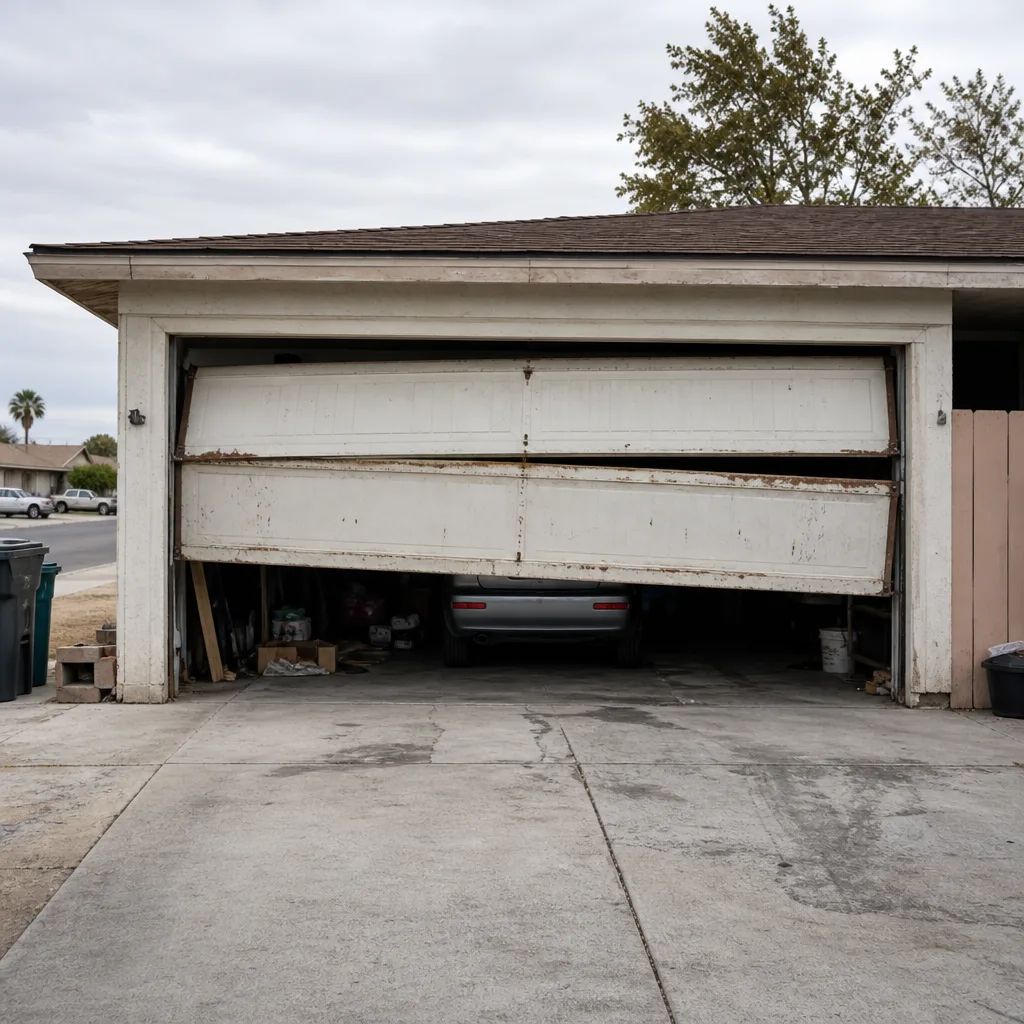 Before
 After
 Before
 After
 Before
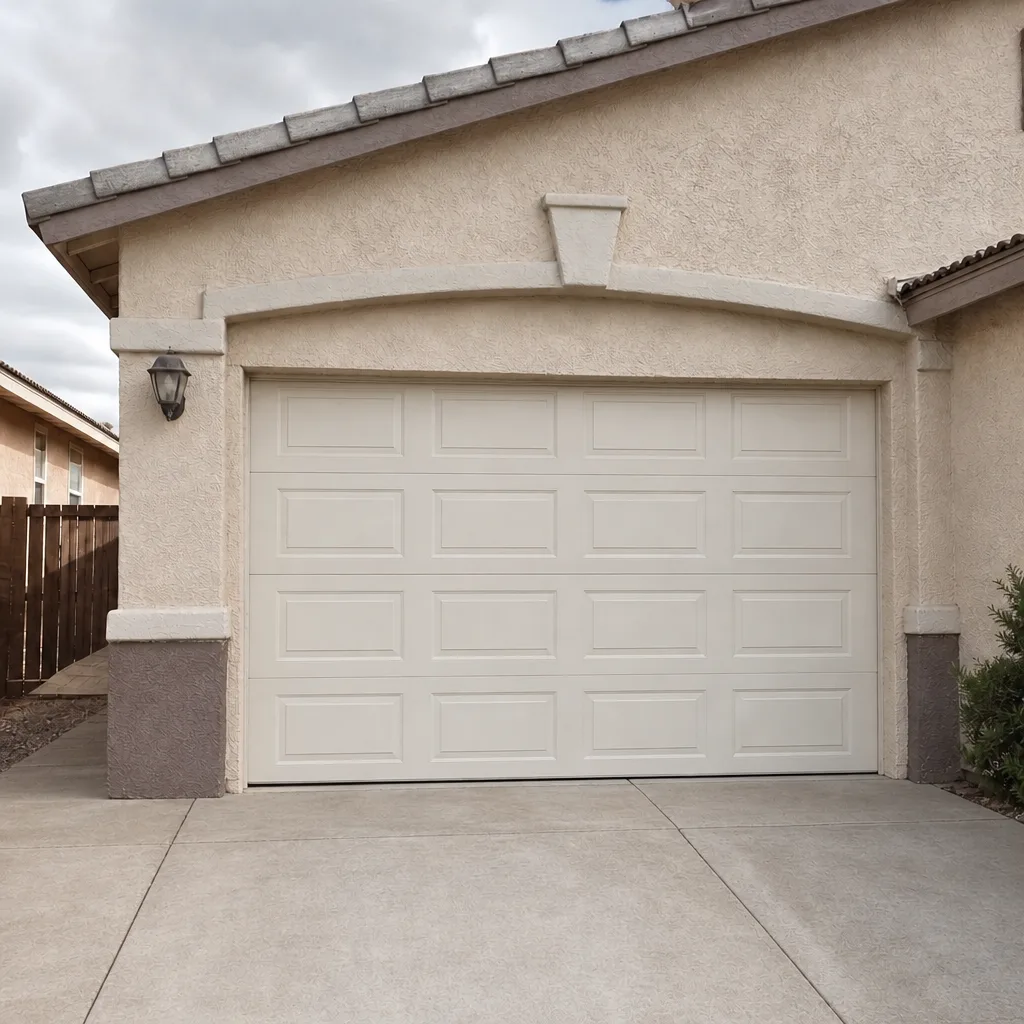 After
When to Call a Professional
Call a professional if you can see a gap in the torsion spring, if a cable is frayed or loose, if the door has come off track, or if the door is heavy and hard to lift by hand. Those aren’t “schedule it for next month” items – some of them are stop-operating-the-door-today items, because the loads involved can injure someone when a part lets go. Call sooner rather than later for uneven floor gaps, a door that’s out of square, or a door that’s suddenly struggling on the opener. And call before you buy a new opener, because you may not need one. If you’re not sure whether what you’re seeing is a real problem, take photos and describe it to someone who will answer the phone and tell you straight.
Otto’s Garage Door North Las Vegas offers free estimates in North Las Vegas – call (866) 347-9495, and a live person picks up, quotes the job on the call, and holds the number when they get there.
Frequently Asked Questions
A broken torsion spring usually shows a visible gap in the coil above the door, and the door suddenly feels very heavy or won’t open at all. On some systems the spring is hidden inside the torsion tube, so the sign is a door that’s suddenly heavy by hand. Either way, stop running the door and call (866) 347-9495 – estimates are free.
Yes for emergency calls like a broken spring, a snapped cable, or a door off track – a live person answers around the clock, including late at night when your car is stuck inside. For scheduled work we’ll book you in as soon as we can. Call (866) 347-9495 for an exact timeline.
No. We quote on the call and hold that number at the door, so the price you agree to by phone is the price on the invoice. And if you’ve got a written estimate from someone else, we’ll give you a free second opinion on it. Call (866) 347-9495 to get started.
The technicians who come to your door are licensed and insured as the state requires and are background-checked. If you want to verify anything before the truck arrives, ask on the call and we’ll walk you through it. Call (866) 347-9495 with any questions.
Usually not. A door that lifts fine by hand but strains on the opener is telling you the springs have lost tension, and the opener is working overtime to compensate. We’d test the door by hand first before recommending a new opener. Call (866) 347-9495 and we’ll help you sort out which is which.
It’s the temperature swing. North Las Vegas goes from hot afternoons to cool nights in the shoulder months, and springs already near the end of their cycle get the extra stress at both ends of the day. Testing the door by hand in April and October catches most of them before they strand you. Call (866) 347-9495 if you want us to take a look.
The Bottom Line
The sounds and gaps most North Las Vegas homeowners write off as heat expansion are usually early warnings – a bracket pulling loose, a spring losing tension, a slab that’s gone out of square. Catch them early with the photo test and the by-hand test, and you’re looking at a repair. Ignore them and you’re looking at a door off track with your car behind it. A few specific signs mean call today, and we’d rather hear from you at 9 a.m. than at 9 p.m. That’s the whole point of this guide. A live person answers our phone around the clock, quotes on the call, and holds the price at the door.
If you’ve spotted any of the warning signs in this guide, or you just want a second set of eyes on your door, call Otto’s Garage Door North Las Vegas at (866) 347-9495 for a free estimate. We’ll tell you straight what’s going on, what it costs, and whether it’s a repair or a replacement – and nothing gets touched until you’ve agreed to the price.
Written by the team at Otto’s Garage Door North Las Vegas.