
Last updated November 18, 2026
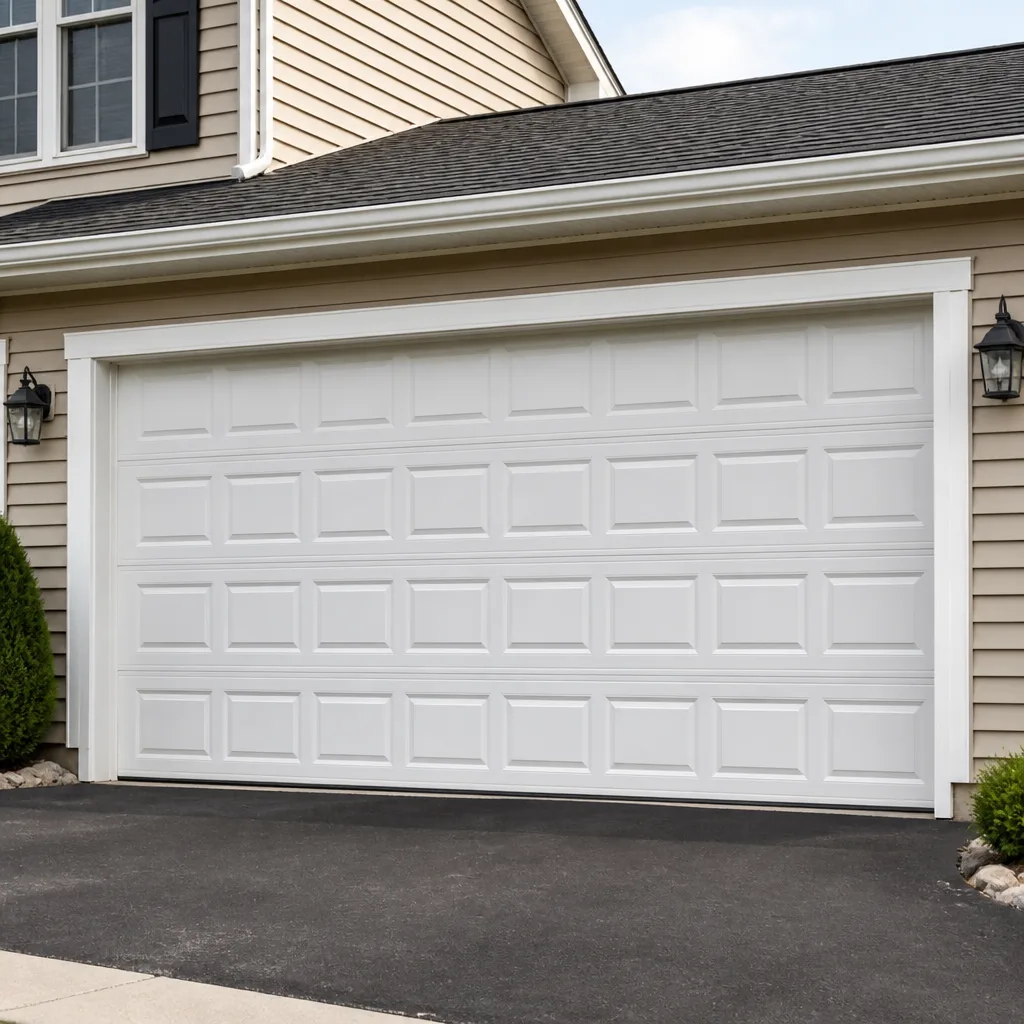 Raised-panel steel
 Carriage house
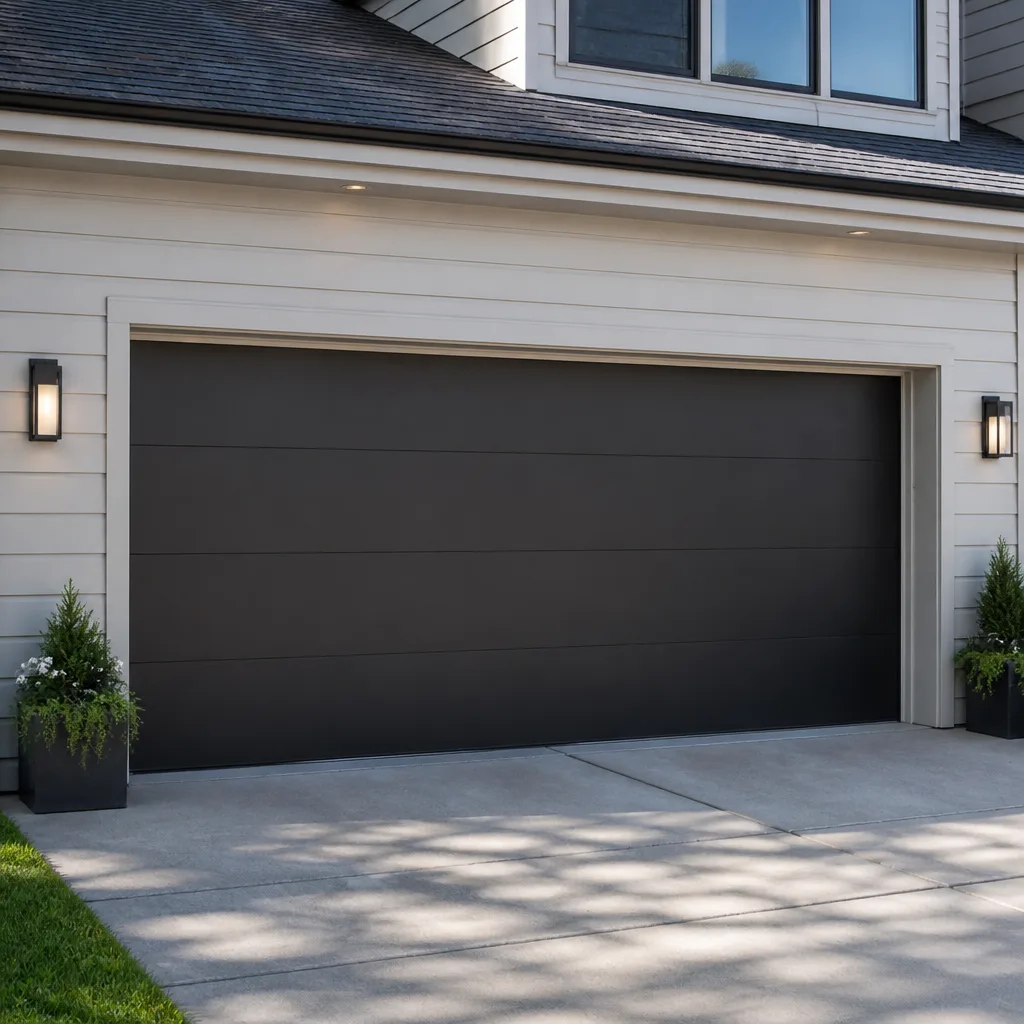 Modern flush
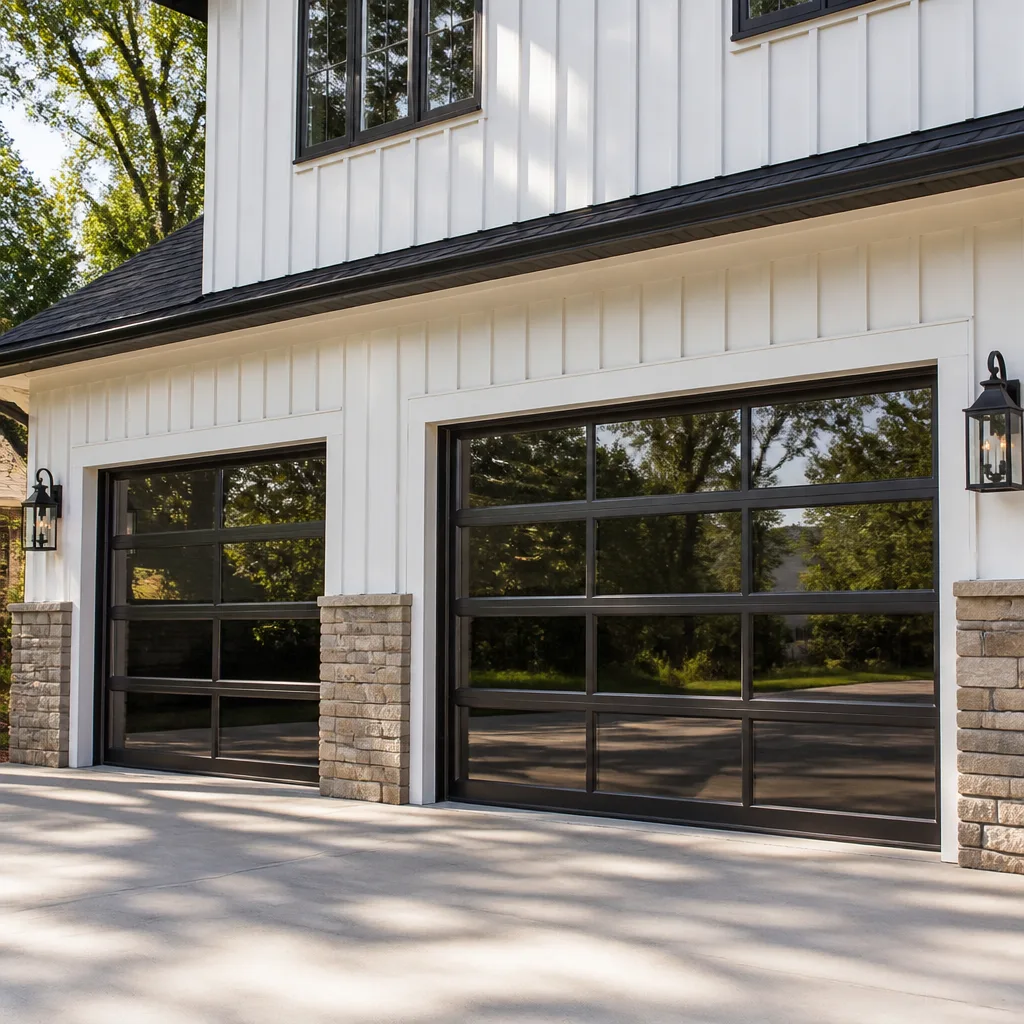 Full-view glass
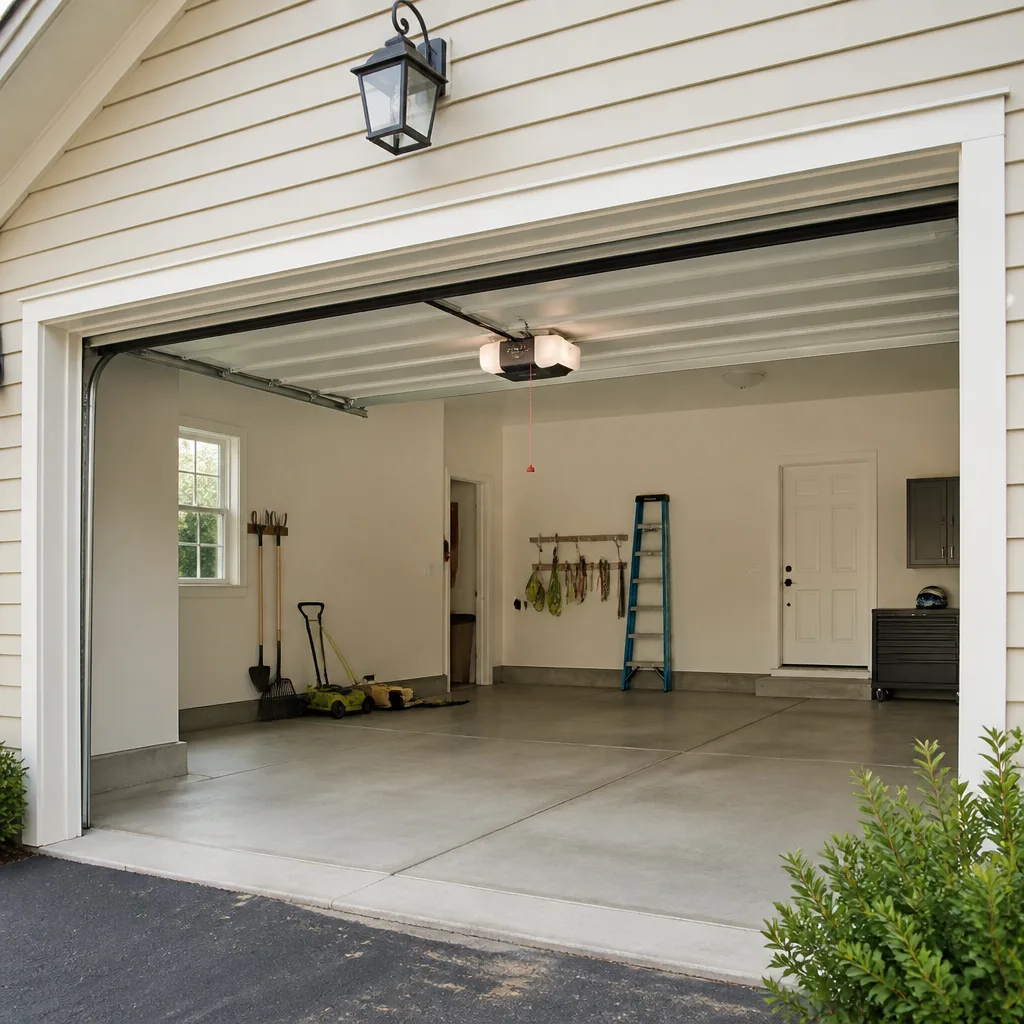 LiftMaster openers
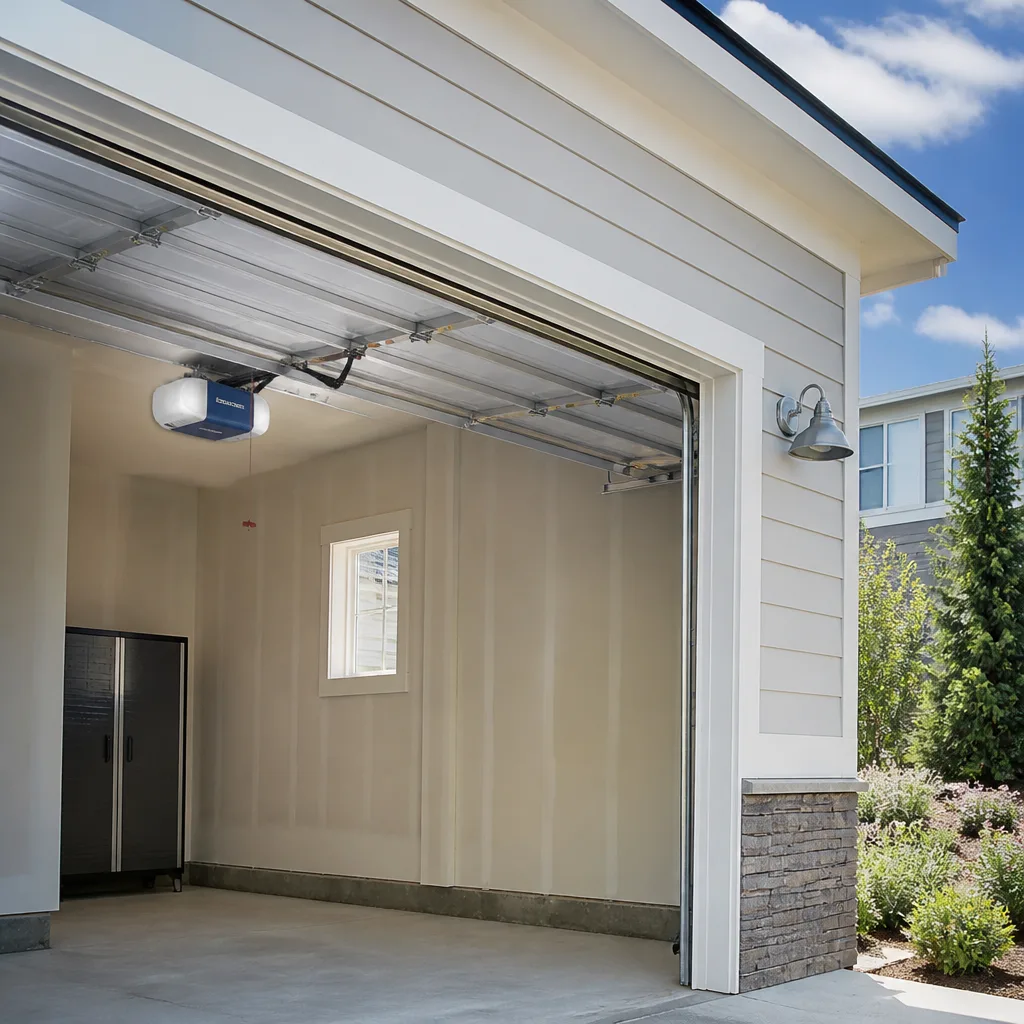 Chamberlain openers
Full 25-point door and opener safety check with every visit - springs, cables, rollers, tracks, and your LiftMaster or Chamberlain opener included
You get a price before we start. It does not change when the pro arrives.
Get your free estimateDIY vs Professional Garage Door Repair: What’s Safe to Do Yourself
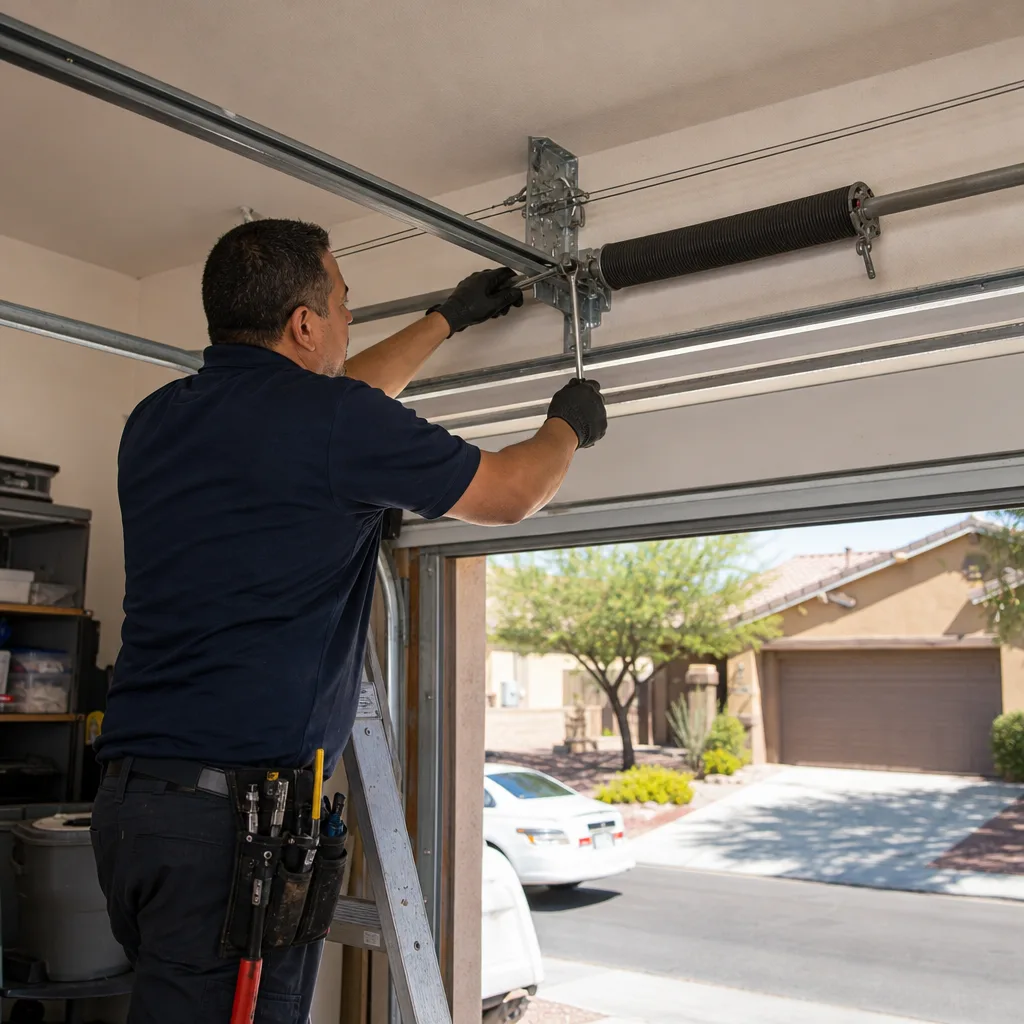
A torsion spring on a standard seven-foot door holds roughly the same stored energy as a compressed car jack. When it slips a quarter turn under a winding bar, that energy goes somewhere, and it doesn’t check whether you’re handy first. We’ve seen a bar go through drywall at head height on a door that was only half-tensioned. This guide draws the real line, not by skill level but by stored energy: what you can safely handle yourself in North Las Vegas, what will hurt you, and what a botched spring job actually costs when the dust settles.
Styles & brands we work with
- Raised-panel steel
- Carriage house
- Modern flush
- Full-view glass
- LiftMaster openers
- Chamberlain openers
Quick Answer
Weatherstrip, lubrication, photo-eye alignment, remote reprogramming, and track wiping are safe to do yourself. Anything involving a spring, a cable, or a bracket the cable is anchored to is not. Torsion and extension springs store enough energy to break bones or kill, and that risk has nothing to do with how experienced you are around the house. Call a pro for springs and cables every single time.
Table of Contents
- The real line: stored energy, not skill
- What’s actually safe to do yourself
- Why extension springs are more dangerous than torsion springs
- The tools a real spring job requires (and why a screwdriver is how people end up in the ER)
- The cost reality check: botched DIY vs. a professional job
- What we’ll walk you through on the phone for free (and what we won’t)
- Common mistakes to avoid
- When to call a professional
- Frequently asked questions
The Real Line: Stored Energy, Not Skill
Every garage door guide on the internet sorts tasks into “easy” and “hard,” as if difficulty were the thing that gets homeowners hurt. It isn’t. Difficulty is about time and technique. Stored energy is about whether a mistake can put you in the emergency room.
Here’s the mental model that actually works. A closed garage door on a well-tuned spring system rests at roughly neutral weight. The springs are holding most of the load. Release that tension the wrong way and all that energy has to go somewhere, and the release happens fast. Your reflexes are irrelevant. The metal rod, the cable, or the bracket moves far faster than your arm can react.
Weatherstrip doesn’t hold stored energy. A garage door photo-eye doesn’t hold stored energy. The wall-mounted bracket at the end of a load-bearing cable absolutely does. That is the dividing line, and once you see it, the DIY-vs-professional question stops being about confidence and becomes about physics.
In our experience across North Las Vegas, the calls that scare us aren’t the ones where a homeowner is clearly over their head on a spring. They’re the ones where the homeowner watched a video, felt ready, and had a near-miss with a winding bar that let go early. That’s the phone call where you realize skill was never the variable that mattered.
What’s Actually Safe to Do Yourself
Plenty of garage door work is completely safe to do yourself, and we’d rather you keep your money for the jobs that need a pro. Everything in this section involves zero stored energy. If you can turn a wrench and read a manual, you can handle it.
Tasks with zero stored-energy risk
- Replacing weatherstrip along the bottom of the door. A fifteen-minute job with a utility knife, a screwdriver, and a new rubber seal from any hardware store.
- Lubricating hinges, rollers, and track. White lithium grease on the hinges, a few drops of garage door lubricant on the rollers, a rag on the track. Do it twice a year for a quieter, smoother door.
- Aligning photo-eye sensors. If your door won’t close, the sensors near the floor are probably out of alignment or blocked. Wipe the lenses, check that the two LEDs are solid, and nudge them until the beams line up. This solves a huge share of “door won’t close” calls.
- Reprogramming a remote or keypad. LiftMaster and Chamberlain openers, and most Genie and Craftsman models, all use the same basic pairing routine. The manual spells it out.
- Wiping the tracks with a rag. No grease on the tracks, ever. Grease on a track collects grit and grinds your rollers.
- Replacing a light bulb or battery backup in the opener housing. Follow the manual. Nothing here is under load.
These six tasks cover most of what homeowners call us about. If you’re comfortable with a screwdriver and you read the manual, you can save yourself a service call on all of them.
If you’d rather not touch the opener at all, our Garage Door Opener Repair & Installation in North Las Vegas page covers what a pro visit looks like for openers specifically.
Why Extension Springs Are More Dangerous Than Torsion Springs
Most modern doors use torsion springs, mounted on a shaft above the door. Older doors, including plenty in North Las Vegas neighborhoods where houses were built in the 1980s and 1990s, use extension springs that run along the upper horizontal tracks. Extension springs are the more dangerous of the two for DIY work, and the reason is specific.
Torsion springs fail in a contained way. When a torsion spring breaks, it snaps on the shaft and stays there. The door gets heavy, but the spring doesn’t go anywhere.
Extension springs fail violently. When one breaks, the spring is a stretched coil under load on a horizontal track, and the break point can whip it toward whatever’s in the path. That’s why extension springs are supposed to have a safety cable running through the center of the coil. The cable catches the spring when it breaks.
Here’s the part most guides skip: the safety cable is only as good as its attachment points. On older doors, the cable gets anchored to drywall or a bracket that has twenty years of stress on it. If the anchor pulls out at the moment a spring breaks, the safety cable does nothing, and the spring goes wherever physics sends it. We’ve opened doors in North Las Vegas where the cable was attached with a single screw into drywall rather than into a solid stud. That’s a broken spring injury waiting to happen.
Extension springs are also tensioned by stretching them into place, which is a two-person job even for a pro. There is no safe DIY method. If your door has extension springs, treat spring work as strictly a professional job.
The Tools a Real Spring Job Requires (and Why a Screwdriver Is How People End Up in the ER)
There’s a specific set of tools for torsion spring work, and the one that matters most is the winding bar. It’s a solid steel rod, usually a foot long, with a squared end that seats into the winding cone on the spring. Two of them are used in tandem, and the whole technique depends on both bars being fully seated, correctly angled, and made of the right steel.
Here’s what happens when a homeowner substitutes. We’ve walked into North Las Vegas garages where someone had been using a screwdriver, a piece of rebar, or a socket extension in place of a winding bar. Every one of those is the wrong diameter to seat fully in the cone. When the cone slips, the rod goes with the tension. That’s the injury scenario, and it happens faster than a person can let go.
What a proper spring job requires
- Two solid steel winding bars, sized to the winding cone. Not screwdrivers, not extensions.
- A winding bar rated for the spring’s load. Hobby-grade bars exist but a cheap bar can bend or snap under tension.
- Spring-specific knowledge of the wire gauge and inside diameter. Replacing with the wrong spring creates too much or too little tension, and either one is a problem.
- Vice grips or locking pliers on the shaft, so the whole shaft doesn’t spin past you during setup.
- Two hands on two bars, always, with one bar fully seated while you reposition the other.
A full set of proper winding bars runs around $40 to $70 online. That sounds cheap until you compare it to the reason they exist: they’re made to not fail when a spring lets go. A screwdriver is $8 and it will fail.
If any of this sounds like more than you want to take on, that’s a fair verdict. Our Garage Door Repair in North Las Vegas page lays out what a spring repair visit involves, start to finish.
The Cost Reality Check: Botched DIY vs. a Professional Job
We hear the cost angle a lot: “a spring is $30 online, why does a repair cost more than that?” Fair question, and worth answering with real numbers, because the cost of a botched DIY job is where the math usually breaks down.
What a professional spring repair typically looks like
- Torsion spring replacement (single spring): typically $180 to $340 for the spring, labor, and cycling out the old one, depending on door size and spring gauge.
- Extension spring replacement (pair): typically $150 to $290, plus a proper safety-cable installation if the old cable is questionable.
- Spring plus cable (cable broke along with the spring, common when one failure triggers the other): typically $250 to $450.
Prices vary in North Las Vegas by door size, ceiling height, and whether we’re replacing one spring or the pair. We quote before the visit and hold that number when we arrive, so what you hear on the phone is what’s on the invoice.
What a botched DIY spring job usually costs
- Bent or bowed top panel from a door that dropped unevenly during tensioning: $300 to $800 for panel replacement, and some panel profiles (Clopay and Amarr included) can cost more because of shipping.
- Bent track from a door that came down off the rails: $200 to $500.
- Snapped torsion shaft or damaged bearing plate from improper spring sequencing: $200 to $400 in additional parts and labor.
- Injured hand, wrist, or forearm from a winding bar slip: the doctor bill dwarfs the door bill, and we’ve seen it happen on the first attempt.
The gap between a professional spring repair and a DIY-gone-wrong repair isn’t $30 versus $250. It’s $250 versus $700 plus a co-pay plus a door that was fine before you touched it. That’s the honest math, and it’s why we’ve never once talked a homeowner into a DIY spring replacement.
If you’re replacing a door rather than repairing one, the numbers look different and the process stretches over weeks. Our Garage Door Installation in North Las Vegas page covers that process in detail.
What We’ll Walk You Through on the Phone for Free (and What We Won’t)
We answer the phone around the clock, and we’d rather spend five minutes helping you diagnose a photo-eye problem than roll a truck and charge you for a two-minute fix. So here’s the honest split.
What we’ll happily walk you through on the phone
- Diagnosing why your door won’t close. Nine times out of ten it’s the photo-eye sensor and we can talk you through the alignment.
- Reprogramming a remote or keypad. We know the pairing sequence on LiftMaster, Chamberlain, Genie, and Craftsman openers by heart.
- Finding the manual override pull cord on a door whose opener has died.
- Identifying whether a noise or vibration points to a roller, hinge, or opener issue.
- Reading a competitor’s written estimate so you can compare it fairly. Free second opinion, always.
What we won’t give DIY instructions on, and why
- Anything that involves touching a torsion or extension spring. Not because we’re guarding a service, but because walking someone through spring work over the phone is not a safe way to learn it, and we won’t be the ones who did.
- Cable replacement or tightening. Cables are under constant tension, and a cable that lets go at the wrong moment can cut a hand to the bone.
- Bottom bracket removal. The bottom bracket on a torsion system holds the cable and is under load any time the door is up. It’s not a loosening-yourself job, ever.
If your door has any of those three things going on, the right call is a service visit. We’re not going to gamble on your hand to save you a phone call, and that’s not a sales pitch, that’s a liability we won’t take.
Common Mistakes to Avoid
- Using a screwdriver or socket extension as a winding bar. This is the single most common injury cause with torsion springs. The tool doesn’t seat fully and slips under load.
- Spraying grease on the tracks. Grease collects grit and grinds your rollers. White lithium on hinges, dry lubricant on tracks, rag on the whole thing.
- Leaving extension springs without a properly anchored safety cable. The cable only works if it’s attached to a solid stud with the right hardware. We see this in North Las Vegas homes from the 1980s all the time.
- Replacing one torsion spring when both are the same age. Springs wear in pairs. If one lets go, the other is on borrowed time, and replacing both at once saves you a second visit and second service charge.
- Tightening the springs to “fix” a heavy door. More tension isn’t the answer if the door is unbalanced for a different reason. You’ll overstress the spring and shorten its life.
- Ignoring a garage door that reverses before it touches the floor. That’s a photo-eye or limit-switch issue that usually costs nothing to diagnose and gets expensive if the opener’s motor gets overworked.
- Trusting a phone quote from a stranger with no address and no license to show. We are not the only shop in North Las Vegas, but ask any shop for a verifiable address and license before you let them in. Any real local shop will have both.
When to Call a Professional
Call a professional the moment a spring is involved, a cable is involved, or the door is off its track. Call a professional if you see daylight through the door frame where the door doesn’t sit flush (that’s a track or panel alignment issue that gets worse with use). Call a professional if the door balances badly when you disconnect the opener and lift it by hand to waist height. And call a professional if the door is sagging in the middle, which is a structural sign that either the springs, the panels, or the brackets are past retirement.
DIY the weatherstrip, the lubrication, the photo-eyes, and the remote. Call for everything else. Otto’s Garage Door North Las Vegas offers free estimates in North Las Vegas. Call (866) 347-9495 and one of us picks up, quotes the job, and holds the price at the door.
Frequently Asked Questions
No. A torsion or extension spring holds enough stored energy to break bones or kill, and the tools matter more than the technique. A proper spring job needs two solid winding bars, correct spring sizing, and a trained hand on both bars. The $40 you save on a service visit is the cheapest-sounding money you’ll ever spend on a hospital bill.
Torsion spring replacement in North Las Vegas typically runs $180 to $340 for a single spring, and extension spring pairs usually land between $150 and $290. Cables add cost if they need replacing at the same time. Call (866) 347-9495 for an exact quote. Estimates are free and we hold the number between the phone call and the driveway.
No, and this is a common point of confusion. Safety cables are there to catch a broken spring that’s already failed on its own. They do not make it safe to remove or install a spring under tension. Extension springs are actually more dangerous than torsion springs for DIY work, because the break point on an extension spring whips toward whatever’s in the path when it lets go.
Weatherstrip replacement, lubricating hinges and rollers, cleaning tracks, aligning photo-eye sensors, reprogramming remotes and keypads, and replacing the opener’s light bulb or backup battery. None of these involve stored energy or a spring under load. Everything else in the door system involves at least one of those, which is the dividing line.
No. We quote the job on the phone and hold that number when we arrive. If the job turns out to be different from what we discussed, we tell you before any work starts, and you decide whether to go ahead. We don’t quote low and revise up at the door. No-hassle upfront pricing is the whole point.
Yes. Our technicians have up to 22 years of experience and are background-checked and uniformed. We carry a published address and license number any homeowner can verify before we arrive. Our Spring Valley-adjacent neighbors and every other North Las Vegas neighborhood we work in can ask for those any time. They’re not a secret.
The Bottom Line
The real line between safe DIY and call-a-pro on a garage door isn’t confidence. It’s stored energy. Weatherstrip, lubrication, photo-eyes, and remote programming hold none of it, so those are yours to do. Springs, cables, and the brackets they anchor to hold enough of it to send a person to the hospital, and that risk has nothing to do with how handy you are around the house. A $250 professional spring repair beats a $700 panel replacement plus a co-pay, every time. Do the safe stuff yourself, and call us before you touch a spring.
If your door is on the fritz, give us a ring. Otto’s Garage Door North Las Vegas answers the phone around the clock, quotes the job on the call, and shows up when we say we will. Visit the Otto’s Garage Door North Las Vegas home page or call (866) 347-9495 for a free estimate.
Written by the team at Otto’s Garage Door North Las Vegas.
See the difference
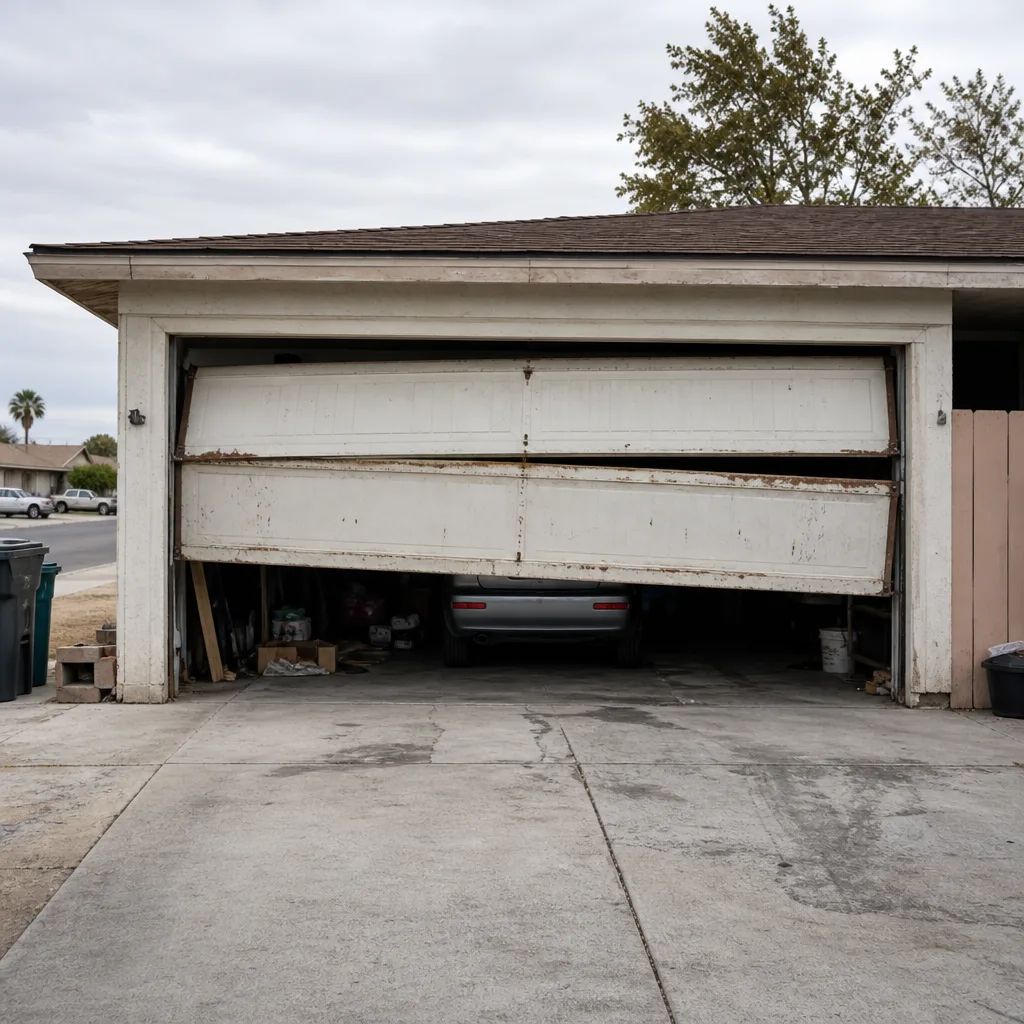 Before
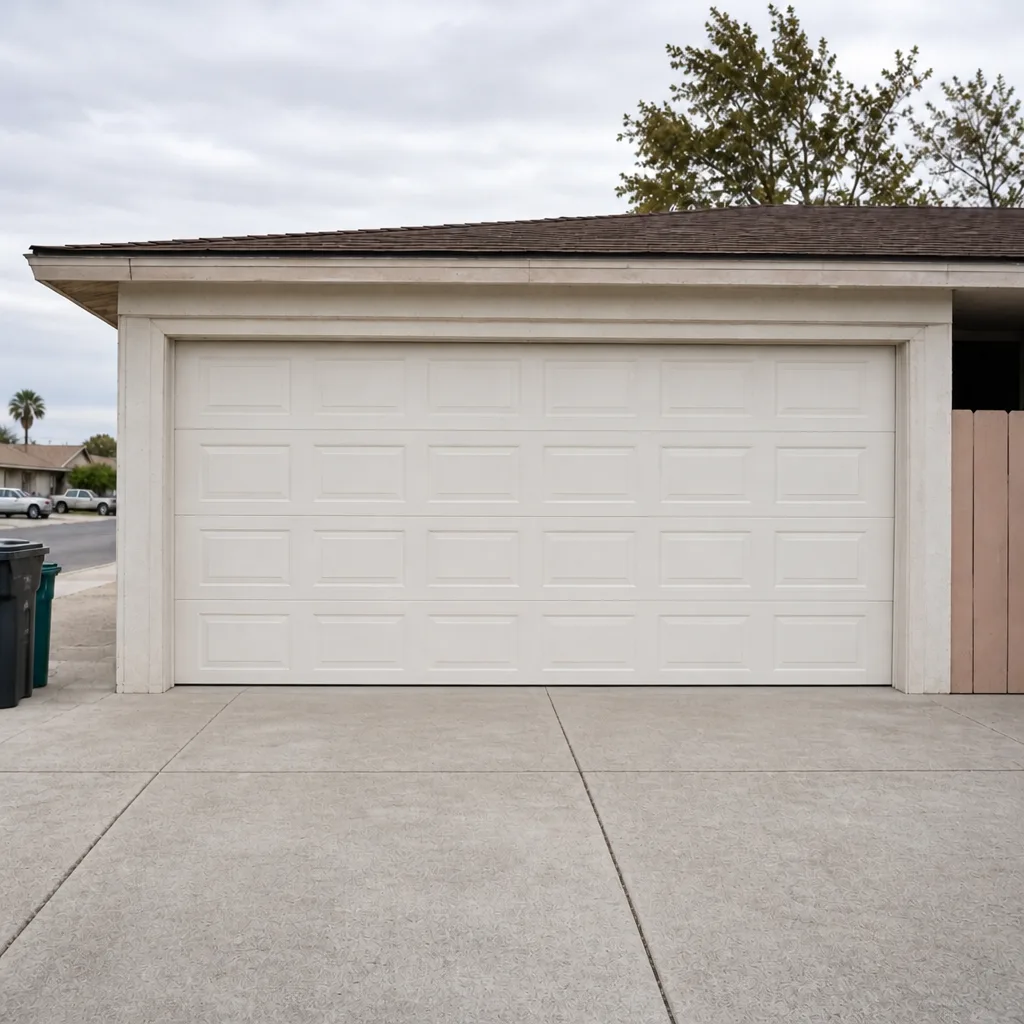 After
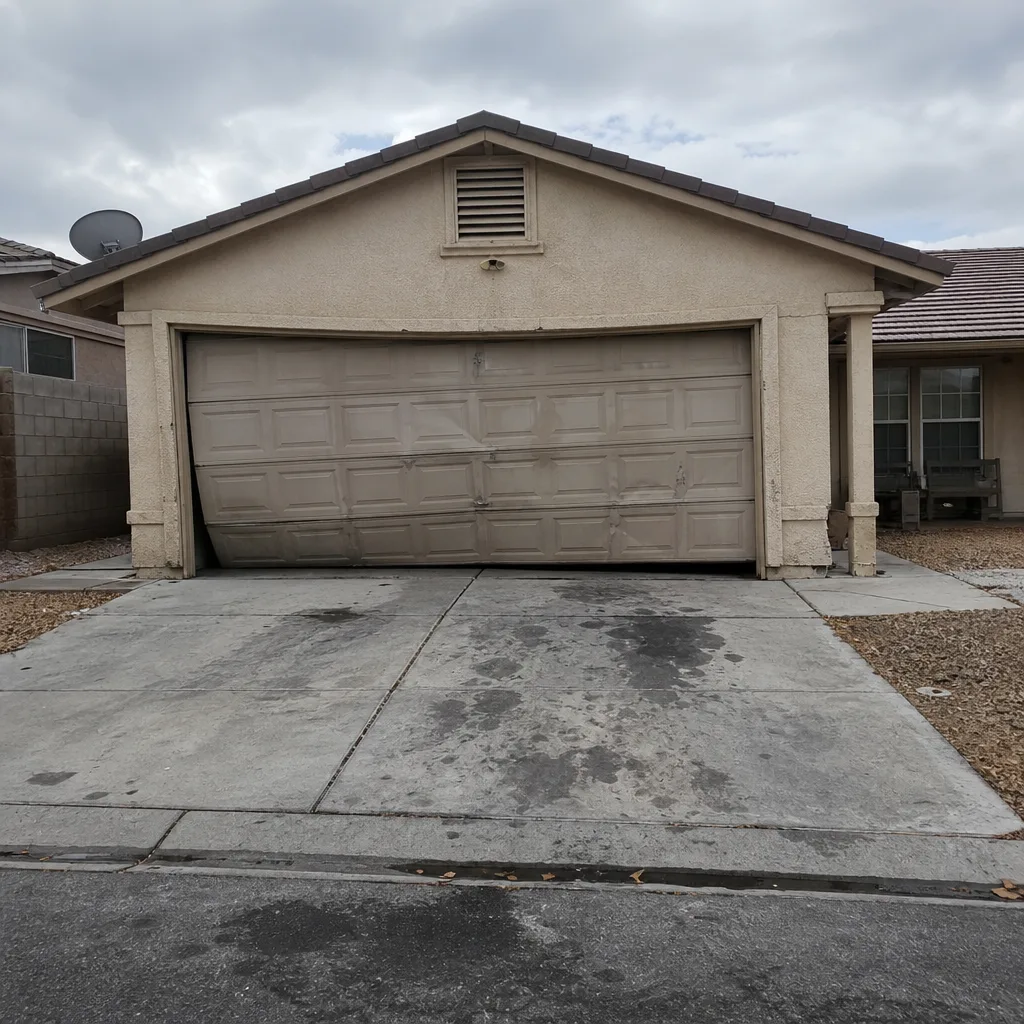 Before
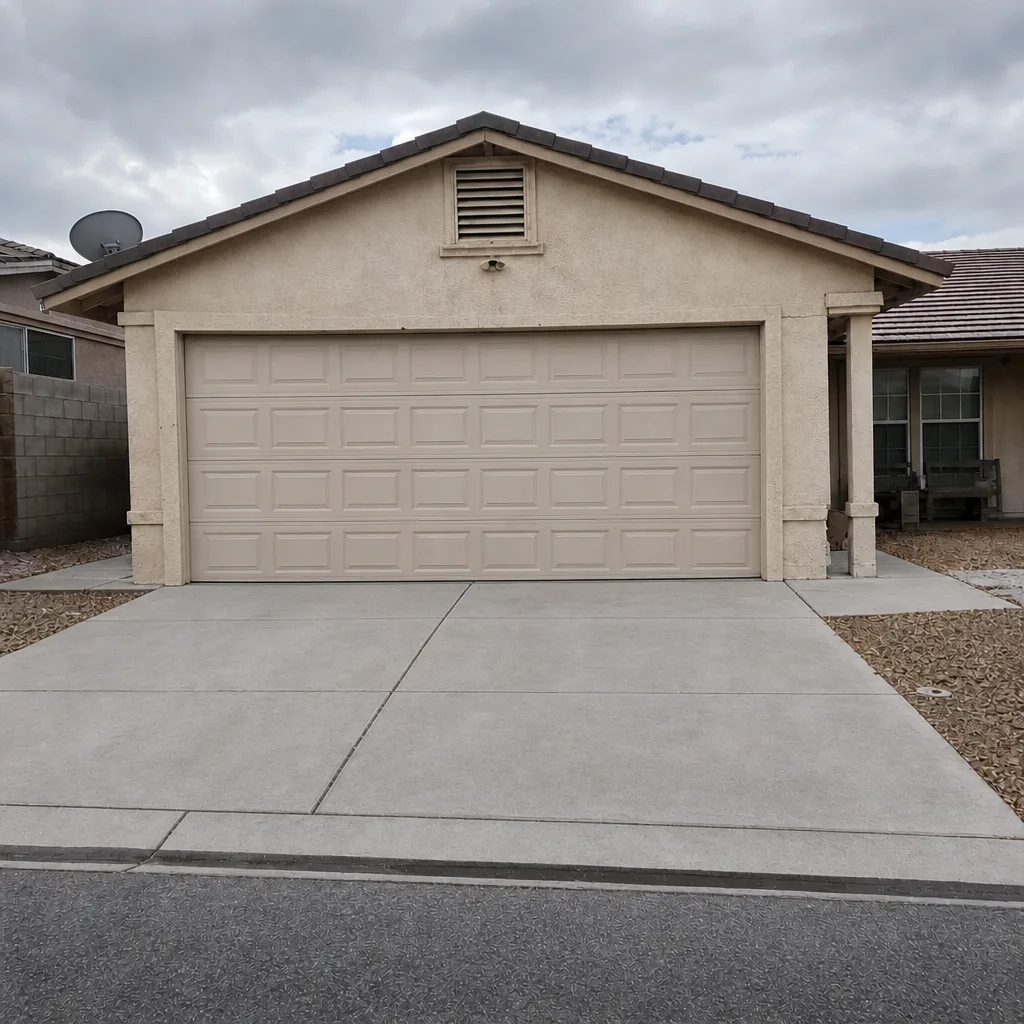 After
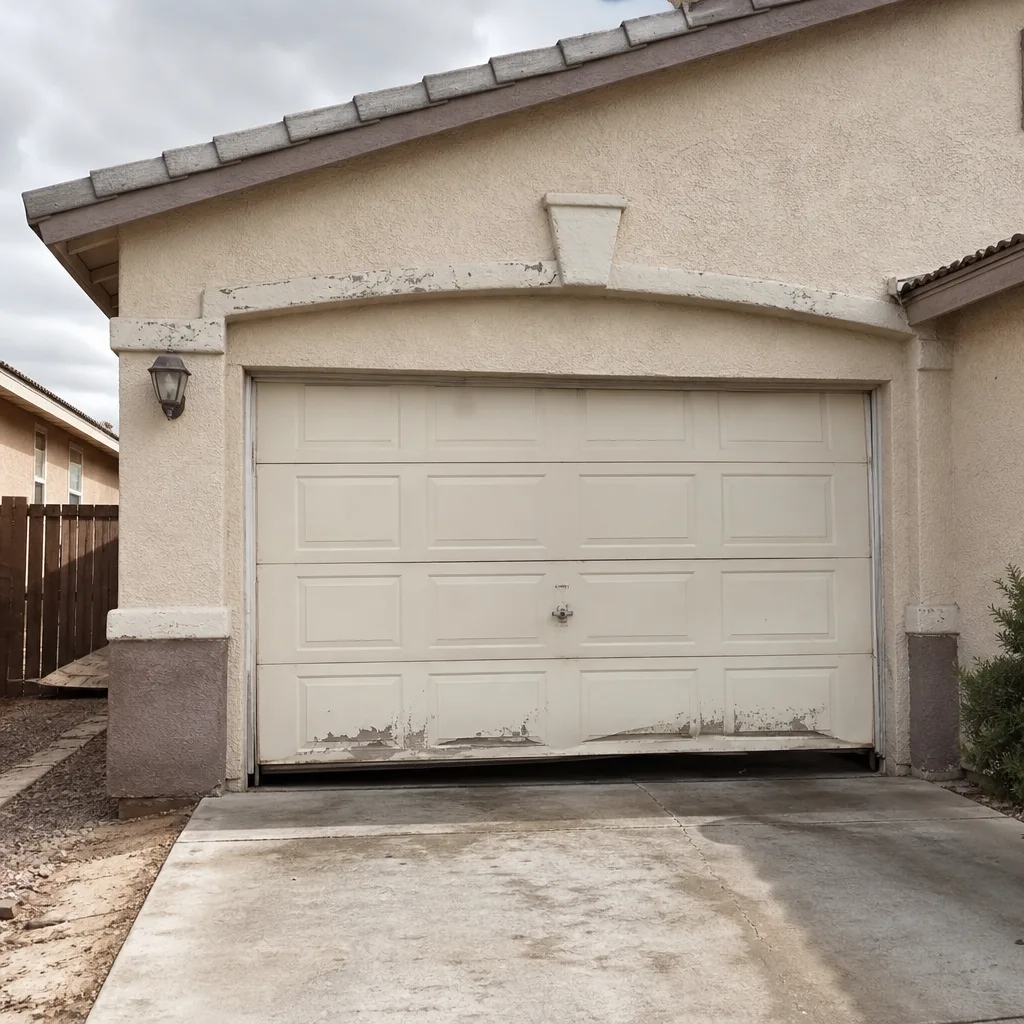 Before
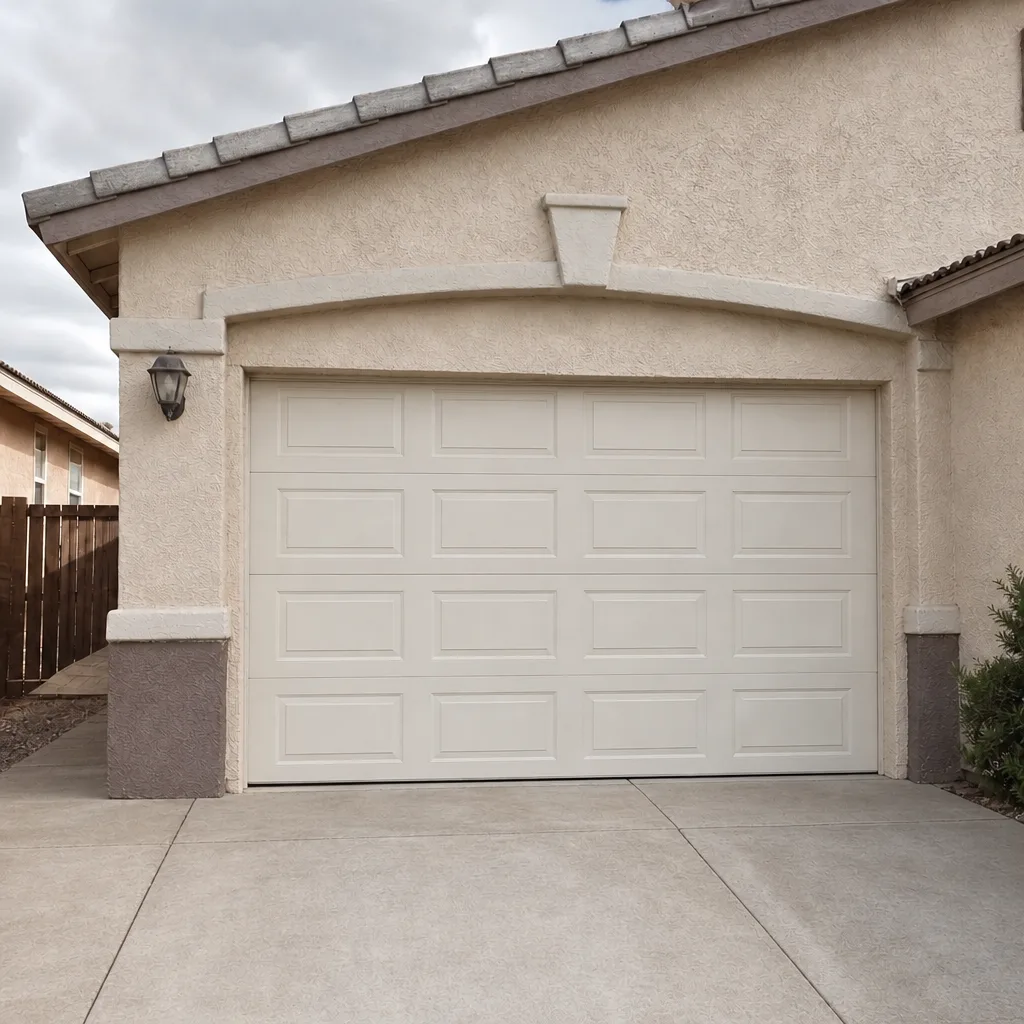 After