
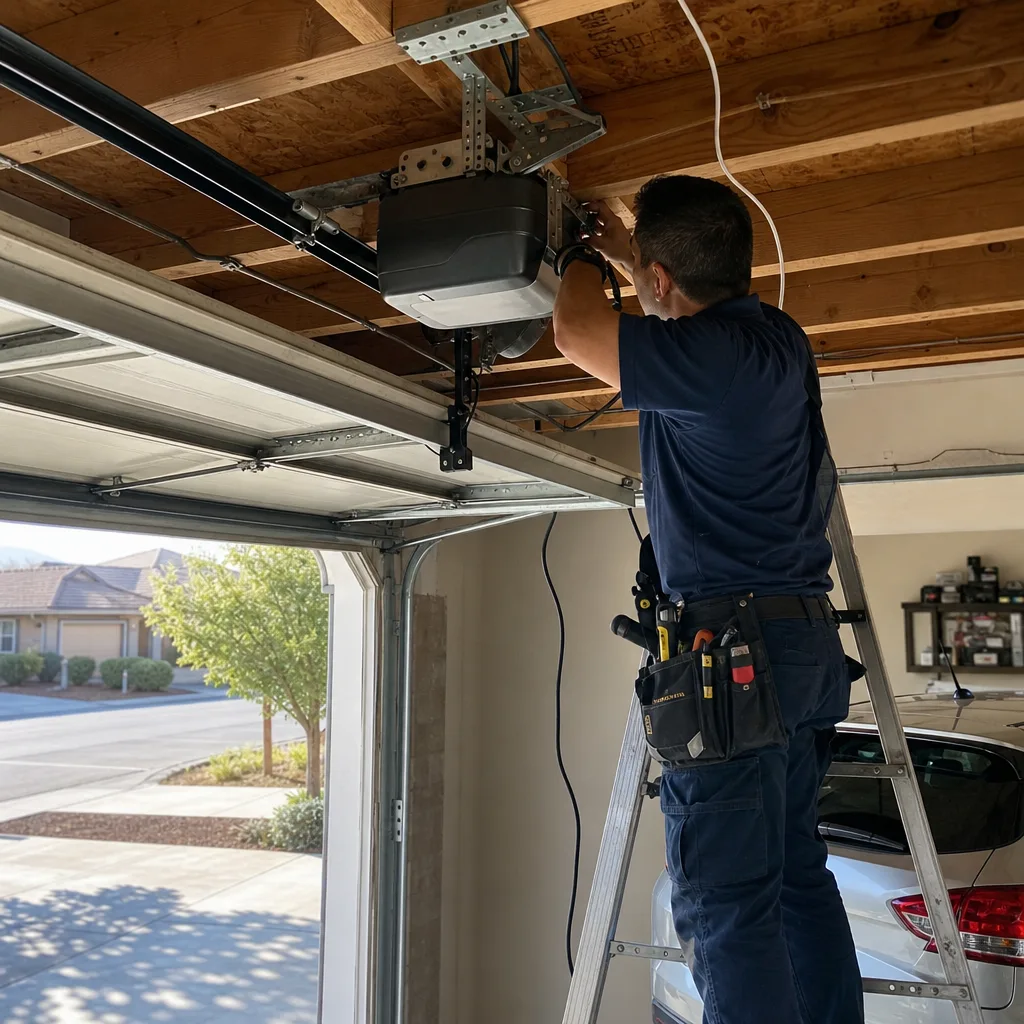
Last updated November 18, 2026
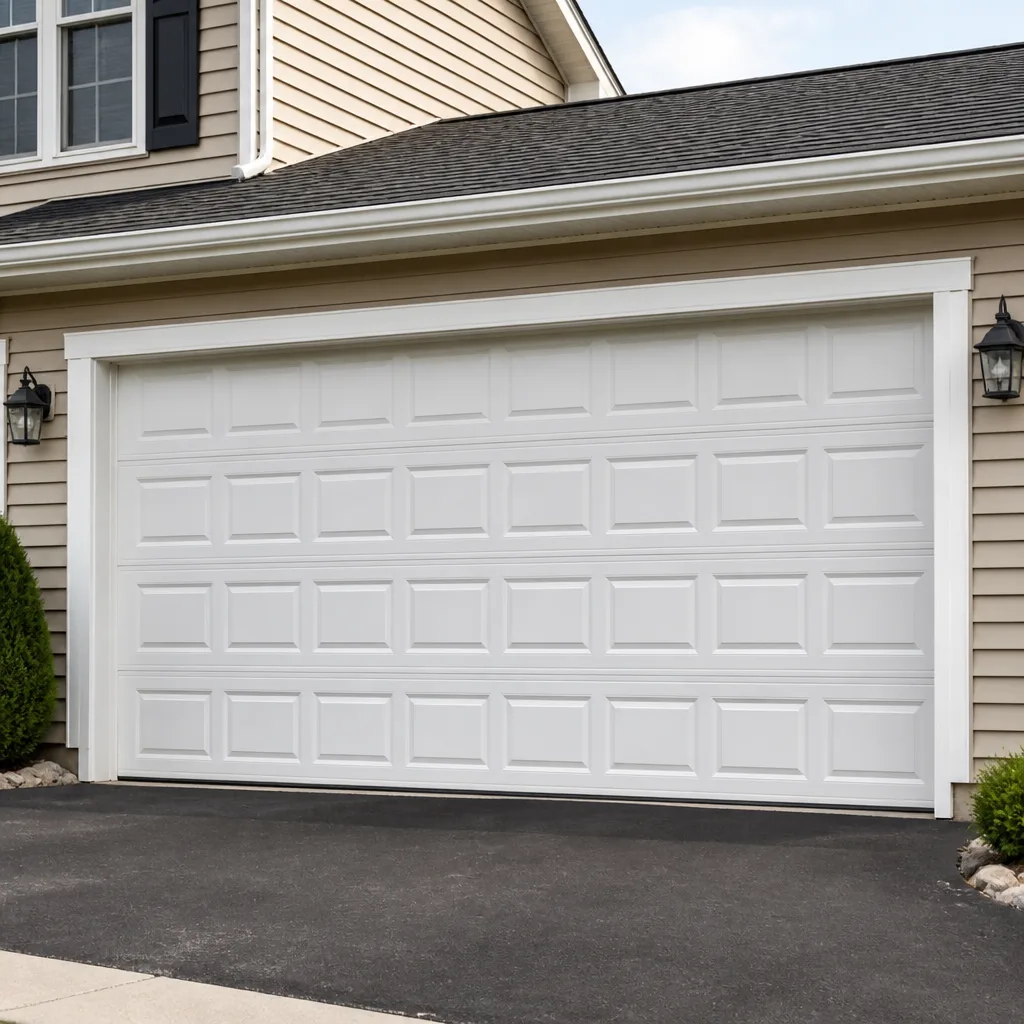 Raised-panel steel
 Carriage house
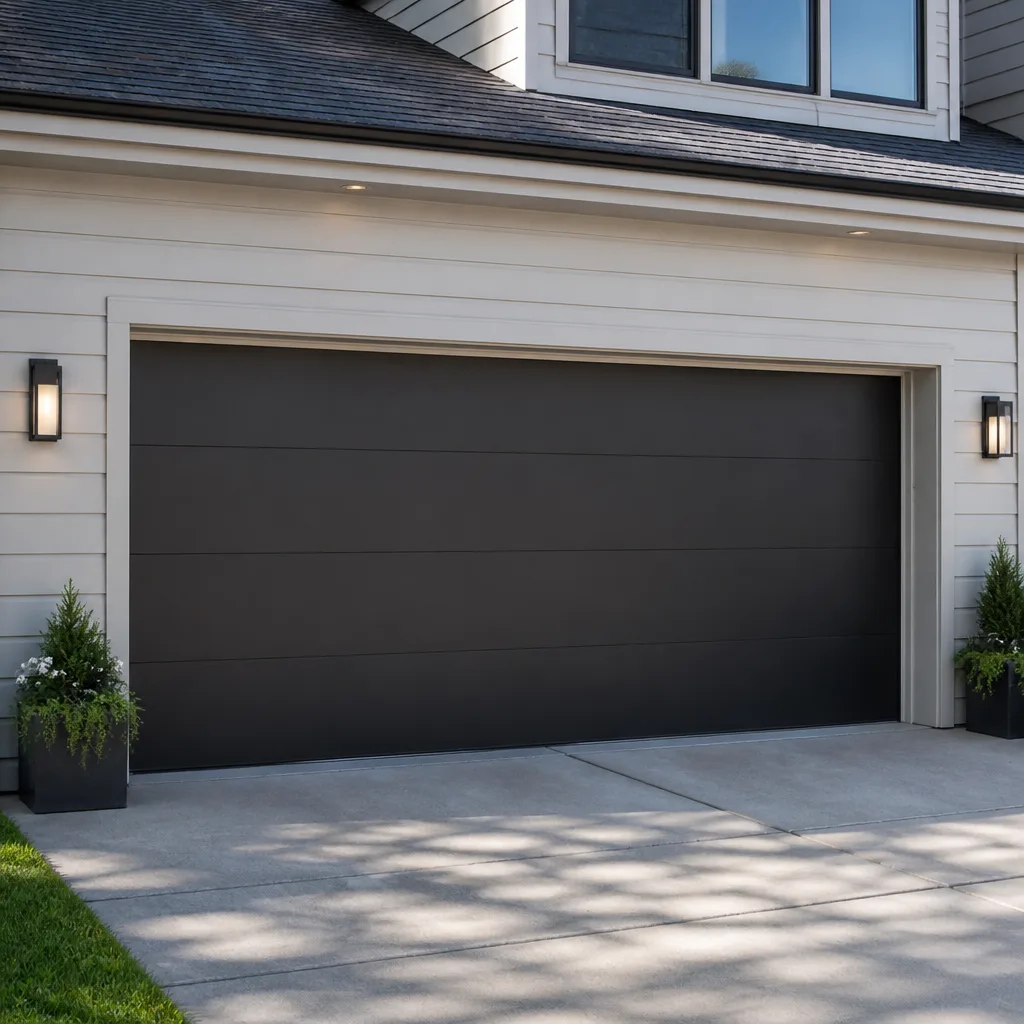 Modern flush
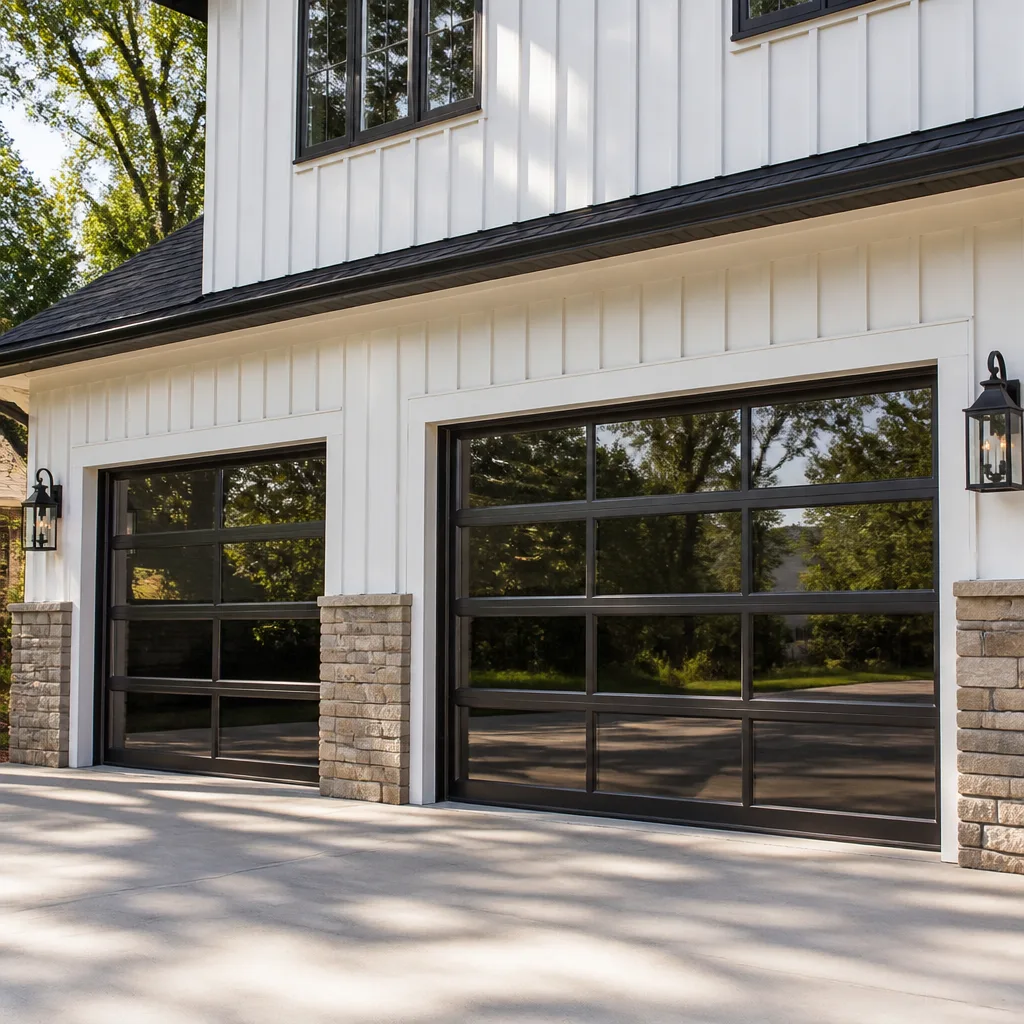 Full-view glass
 LiftMaster openers
 Chamberlain openers
Full 25-point door and opener safety check with every visit - springs, cables, rollers, tracks, and your LiftMaster or Chamberlain opener included
You get a price before we start. It does not change when the pro arrives.
Get your free estimateEmergency Garage Door Warning Signs Every Homeowner Should Know
The door that’s “a little louder lately” and the door that’s “sometimes slow on cold mornings” are both telling you something specific. Neither one is just getting old. Both are showing you a part that’s close to failing, often in a way that leaves you locked out, stuck in, or worse. In our experience across North Las Vegas, the doors that fail at 9 p.m. on a Sunday almost always gave 2 to 4 weeks of warning first. The homeowner heard it. Dismissed it. Then called us when the spring let go. This guide walks through the exact signals a door sends before an emergency, what each one actually means, and how to tell a “schedule it this week” quirk from a “call today” problem.
Quick Answer
Most emergency garage door failures announce themselves 2 to 4 weeks in advance through small, easy-to-miss symptoms: inconsistent travel speed, a new grinding noise on the first cycle of the day, a door that doesn’t sit flush, shrinking remote range, or visible cable slack. If you spot any one of these in North Las Vegas, the door is already telling you a component is failing. Catching it early turns a $600-plus emergency into a standard repair you can schedule on your terms.
Styles & brands we work with
- Raised-panel steel
- Carriage house
- Modern flush
- Full-view glass
- LiftMaster openers
- Chamberlain openers
Table of Contents
- The Five “It’s Probably Nothing” Behaviors That Are Actually Warnings
- The 90-Second Spring Inspection That Doesn’t Require Touching Anything
- Why an Opener That Runs Longer Than Usual Is a Mechanical Warning
- North Las Vegas Heat Cycling: The Warnings Only Our Climate Creates
- Cable Slack, Spring Tension, and Why You Should Not Touch Either
- What to Do When You Spot a Warning Sign
- “Schedule It This Week” vs. “Do It Today”: A Symptom Cheat Sheet
- Common Mistakes to Avoid
The Five “It’s Probably Nothing” Behaviors That Are Actually Warnings
Every one of these gets filed under “the door’s just getting older.” In our experience, none of them are age. Each one maps to a specific part that’s on its way out, and each one is a window of a few weeks before the failure becomes an emergency call at an inconvenient hour.
- Inconsistent travel speed. The door moves smoothly, then slows or speeds up partway through a cycle. That’s a roller or track binding, and it’s putting extra load on the opener and springs with every trip. Left alone, it accelerates wear on both.
- New grinding noise on the first cycle of the day. Cold parts grinding once is normal. Grinding that shows up where it wasn’t before is not. It usually points to dry or worn rollers, a misaligned track, or a torsion tube that’s shifted.
- Door not sitting flush when closed. Step outside and look at the bottom seal from the driveway. A door with a gap on one side and contact on the other is out of level, and the opener is fighting the misalignment every time it closes.
- Remote range decreasing. If you used to open the door from the end of the driveway and now you’re pressing the button at the door, the opener’s logic board or antenna is degrading. On older units, this often precedes a total board failure.
- Visible cable slack when the door is down. A cable that looks loose or sags with the door fully closed is a serious warning. That’s a cable that has stretched or slipped, and it’s one cycle away from letting go.
If two or more of these show up together, treat it as a “do it today” situation. A single one is usually a “schedule it this week” call to Garage Door Repair in North Las Vegas.
The 90-Second Spring Inspection That Doesn’t Require Touching Anything
You can learn a lot about a torsion spring’s condition in 90 seconds without putting your hands anywhere near it. The trick is knowing what a healthy coil looks like versus one that has roughly 60 days left.
With the door fully closed (springs under the least tension), stand to the side and look up at the torsion spring above the door. Here’s what you’re checking for:
- A healthy spring has an even, unbroken coil. The gaps between winds are uniform. The paint is intact.
- A tired spring shows a visible gap of an inch or more somewhere along the coil, uneven spacing between winds, or a fine crack in the paint along the length of the spring.
- A spring near failure has a stretched gap you can see from the driveway, rust streaks, or an audible “catch” when the door cycles.
A torsion spring is rated for a set number of cycles, typically around 10,000 for standard wire. If your door cycles four times a day, that’s about seven years. If it cycles ten times a day, you’re closer to three. We count spring cycles the way you count tire miles. We’ll tell you what’s left on yours.
Safety note: never touch, adjust, or try to unwind a torsion spring or the cables attached to it. A door is 200 pounds riding on two springs. Respect it. The springs and cables on a standard door are under enough tension to cause serious injury. Observation is free. The repair should be left to a trained technician.
Why an Opener That Runs Longer Than Usual Is a Mechanical Warning
If your opener seems to run two or three seconds longer than it used to, the problem is almost never the opener. The motor is doing extra work because something mechanical is fighting it, and the extra run time is the motor telling on the part that’s failing.
Here’s what’s actually fighting the motor when run time stretches:
- Dry or flat-spotted rollers that resist rolling, especially on the first cycle after sitting.
- A track that’s bowed or shifted, creating a binding spot the door has to push through.
- Failing springs that can no longer lift their share of the door weight, so the opener carries extra load.
- A misaligned safety sensor that forces the door to reverse and re-close, doubling the run time you observe.
The longer the opener fights resistance, the hotter the motor runs and the faster its lifespan shrinks. On a LiftMaster or Chamberlain unit, that extra load commonly shows up first as a straining sound, then as intermittent stopping halfway through a cycle. If you catch it at the straining stage, a roller and tune-up service often fixes it. If you wait, you’re buying an opener you didn’t need. Our guide to Garage Door Opener Repair & Installation in North Las Vegas covers what the fix looks like for each of these.
A quick opener strain test you can run safely
With the door closed and the opener disconnected using the manual release (pull the red cord straight down), lift the door by hand about two feet. It should rise with one hand and stay in place when you let go. If it takes two hands, falls, or feels heavy, the springs are tired. If it feels loose and light, the springs may be over-tensioned. Either way, that’s a wiring-and-springs call, not an opener replacement.
North Las Vegas Heat Cycling: The Warnings Only Our Climate Creates
Spring through October, this valley puts a garage door through temperature swings that most of the country never sees. Doors and tracks heat up to well over 100 degrees in a closed North Las Vegas garage, then cool back down overnight. That cycle runs every single day, and it creates three specific warning signs you won’t read about in a generic garage door guide.
1. Track expansion that creates binding spots
Steel tracks expand in summer heat and contract in cool mornings. Over enough seasons, that movement can pull a track slightly out of plumb, creating a bind point the door pushes past every cycle. In North Las Vegas, we see this most in garages on west- and south-facing walls, where afternoon sun loads the wall assembly directly. The warning sign: the door runs smoothly most of the day but hesitates at the same spot mid-morning or late afternoon.
2. UV-degraded weather seals letting dust pack the track
Our desert dust is relentless, and the weather seal at the bottom of the door takes full sun. Once the rubber dries and cracks, dust works its way into the bottom bracket and track channel. The result is grinding on the first cycle of the day, then smooth operation after. If you’re sweeping dust out of the bottom of your track monthly, the seal needs replacing, and probably the bottom bracket needs cleaning.
3. Annealed spring wire that loses tension faster
Repeated heating and cooling softens spring wire over time. Springs in North Las Vegas, Henderson, and the rest of the valley can reach their cycle limit faster than the manufacturer rating suggests. That’s why a door that’s only six or seven years old can still have a tired spring. Watch for a door that used to open with a soft hum and now opens with a harder working sound in July and August specifically.
Cable Slack, Spring Tension, and Why You Should Not Touch Either
Cables on a garage door live under the same tension as the springs. When a cable shows visible slack or droop, something upstream has already failed, and the next cycle can turn that slack into a snap. A snapped cable can whip the length of the garage. Never reach into a bracket, wrap a cable, or attempt a re-tension yourself. This is a trained-technician repair, full stop.
What you can do safely is look. From the side, with the door fully closed:
- Check that both cables look taut, with the same amount of visible cable on each side.
- Look for any fraying, kinks, or rust staining along the cable length.
- Check that the cable is still properly seated in the bottom bracket drum.
- Note any sag or droop, and take a photo with your phone so you can describe it precisely on the phone.
If a cable looks slack, don’t cycle the door. Call a technician and describe what you see. That’s a “do it today” situation, not a “next weekend” project. If the door is stuck open or halfway, we can talk you through securing it safely while you wait for help.
What to Do When You Spot a Warning Sign
Once you find a warning sign, the next move matters. Here’s the sequence that leads to a fast fix and a held price, versus the one that leads to an emergency call at 11 p.m.
- Don’t cycle the door again. If the sign involves slack cables, uneven travel, or a grinding noise that’s new, stop using the door. Every cycle adds wear to the failing part.
- Note the specifics. “It grinds” is not actionable. “It grinds for about two seconds on the first open of the morning and then it’s fine” is. Note what you heard, when you heard it, and whether you saw or smelled anything unusual.
- Take a photo of the spring. Stand back and photograph the whole torsion spring assembly. If you can see a visible gap or rust, that gets the diagnosis most of the way there on the phone.
- Call us at (866) 347-9495. A live person answers, around the clock. Describe what you found and we’ll tell you whether it’s a today call or a this-week call, and quote the job on the call.
The quote you get on that call is the number that holds when we arrive. That’s a promise we make on every job, written on the invoice, backed by the 90-Day Done Right Promise: if it isn’t done right, one call brings us back.
“Schedule It This Week” vs. “Do It Today”: A Symptom Cheat Sheet
Most of what you find is not an emergency. Getting the urgency right saves you money and stress. Here’s the split we use day to day, written the way we’d tell you over the fence:
- Schedule it this week: inconsistent travel speed, a single grinding noise on first cycle, remote range that’s shortened but the opener still works, a door that sits slightly uneven but still closes, dust packing into the bottom of the track.
- Do it today: visible cable slack or fray, a door stuck halfway, a snapped spring (the door becomes heavy and won’t lift), an opener that stops and reverses repeatedly, a door that has come off one track, or any smell of burning from the opener.
- Do not touch it, call now: a door hanging at an angle, a spring with a visible gap and rust, a cable that’s clearly let go, or any situation where the door is not fully closed and not fully open.
If you’re not sure which bucket you’re in, call and describe it. We’ll tell you honestly. Sometimes the answer is “you’re fine until next week,” and we’d rather tell you that than sell you a service you don’t need. New doors and replacements work on a measured, scheduled timeline, so a fair, written price for those comes after a proper measure, not a same-day promise. If your door turns out to be a candidate for replacement, our Garage Door Installation in North Las Vegas page walks through what to expect.
Common Mistakes to Avoid
- Ignoring the cold-morning slow cycle. North Las Vegas winter mornings are mild but the overnight cool still shrinks tracks and thickens grease briefly. If the door is slow on cool mornings and fine by noon, that’s a resistance warning, not the cold. Don’t wait for summer to find out.
- Assuming the opener needs replacing when the door is the problem. A struggling LiftMaster or Craftsman opener is usually doing its job against a failing door. Replace the opener, you’ll replace it again in a year when the springs finally go.
- Tightening the springs yourself. We say this every chance we get. A torsion spring holds enough stored energy to break a wrist. This is not DIY.
- Greasing the track. Tracks don’t need grease; rollers do. Greasing a track in a dusty North Las Vegas garage turns it into a dust magnet and makes the binding worse.
- Calling a national chain and accepting a phone quote. The quote you hear on the phone isn’t the quote on the invoice, and a stranger from three states away won’t be the face you see again at the hardware store. Ask for a written estimate from a shop you can verify.
- Not testing the safety reverse. Place a roll of paper towels on the ground where the door closes. If the door doesn’t reverse on contact, the safety system is failing, and that’s a same-day call.
- Skipping a second opinion on a big quote. A written estimate doesn’t cost anything to compare. We offer a Free Second Opinion on any written estimate, no trip charge inside the county. Take us up on it.
See the difference
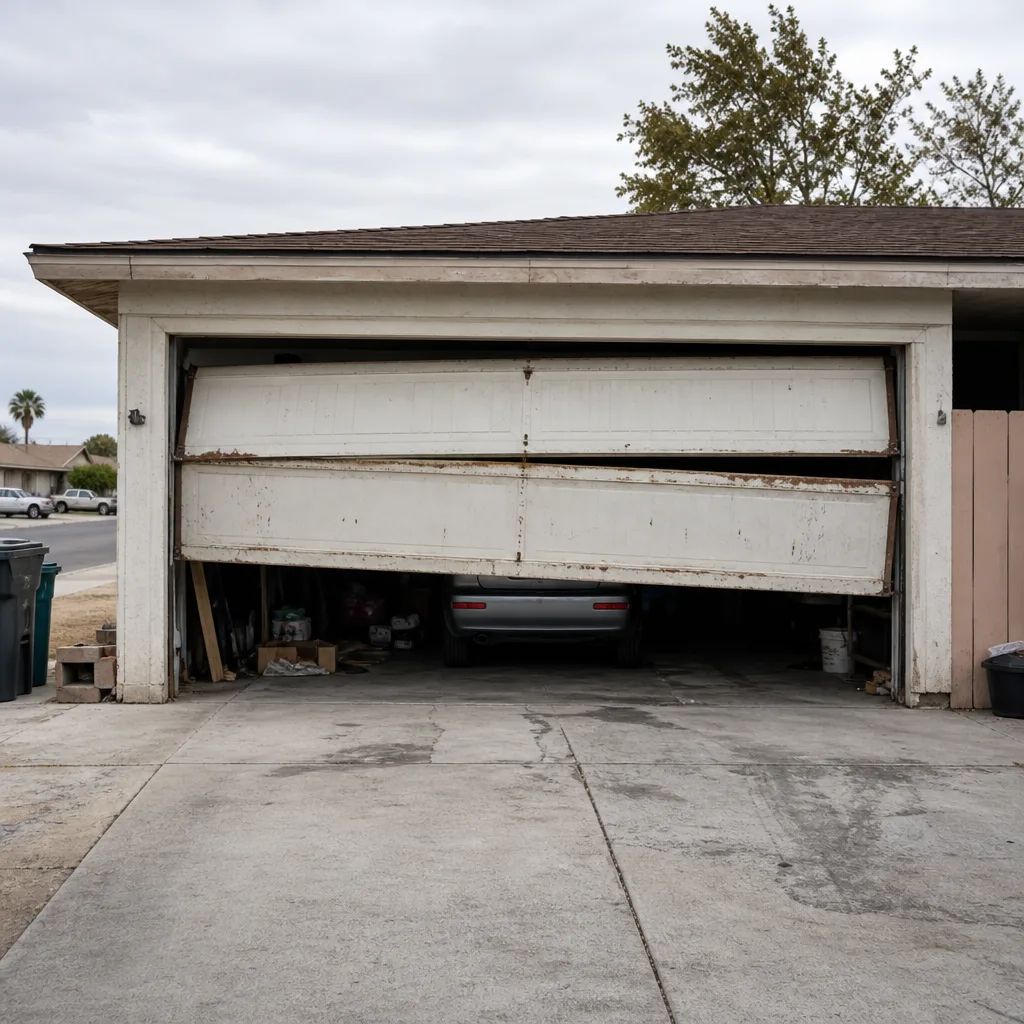 Before
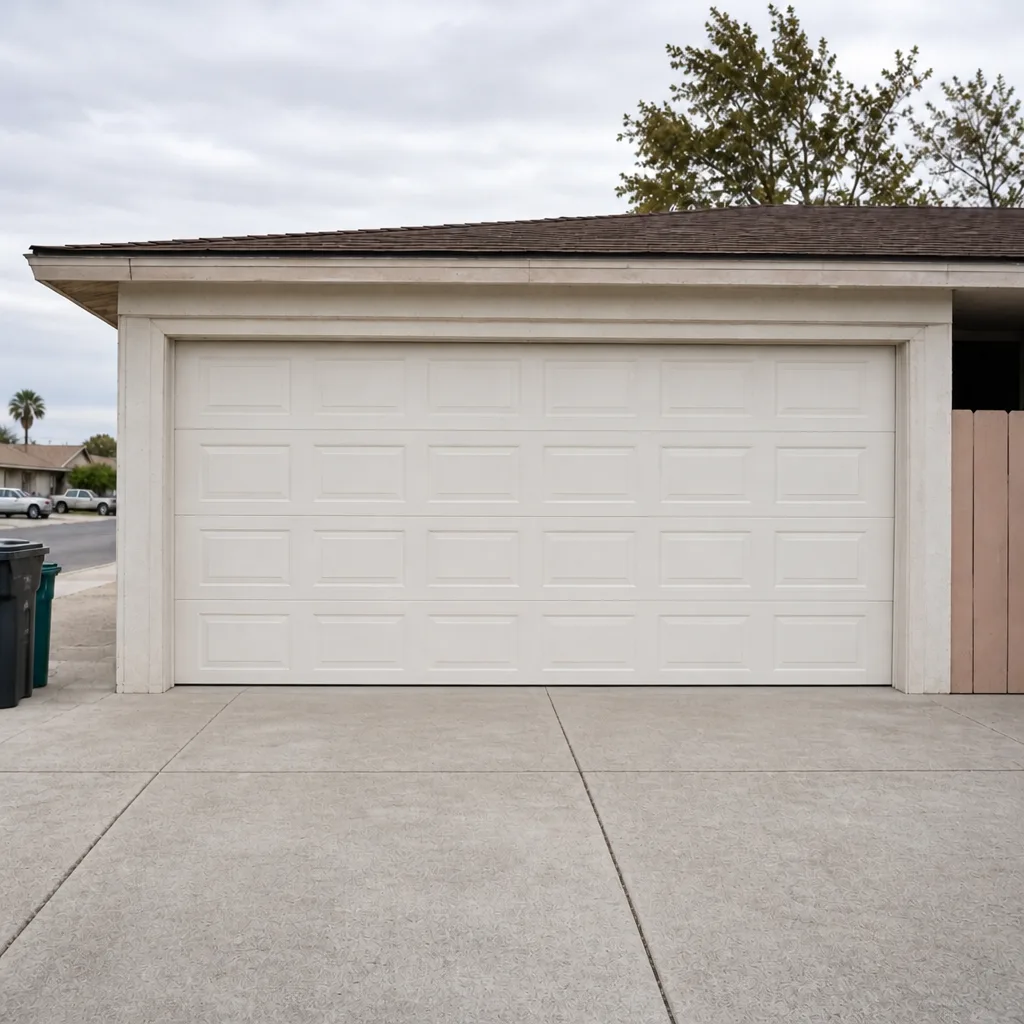 After
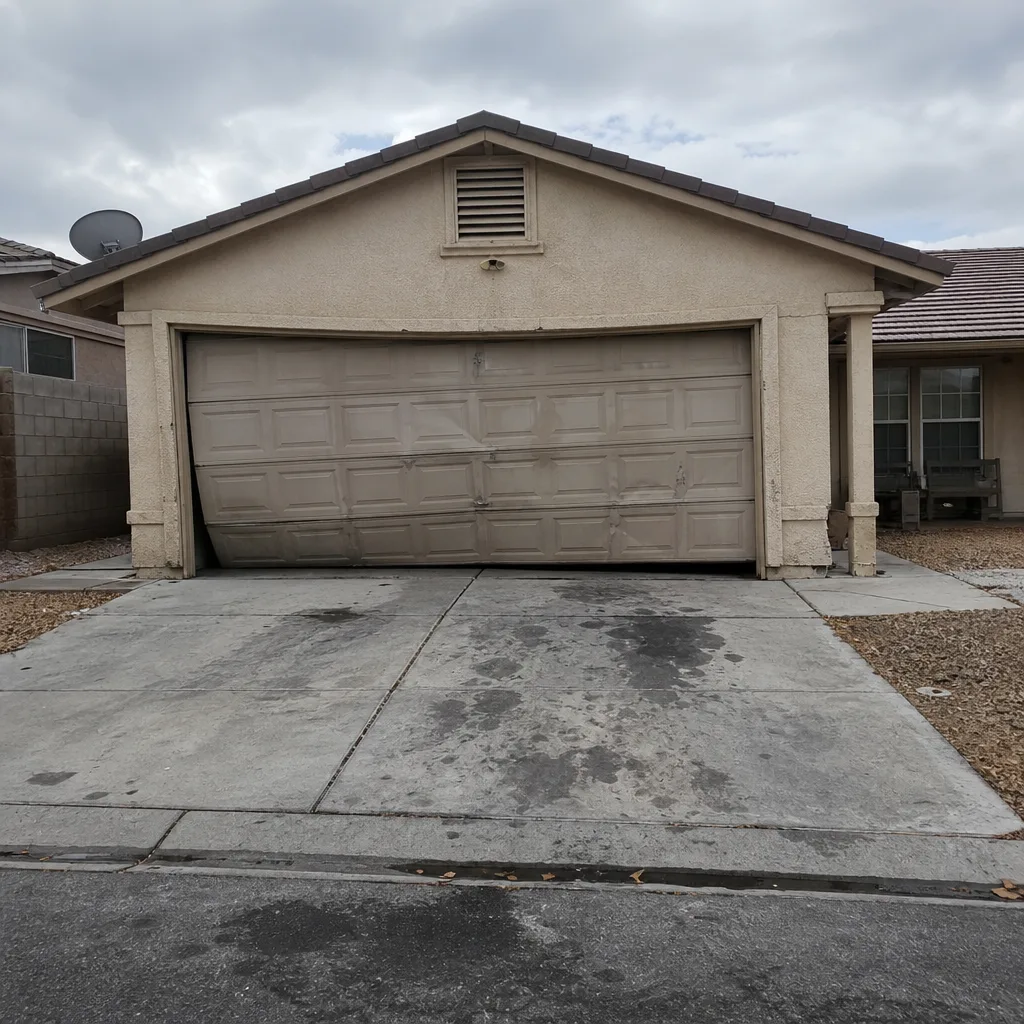 Before
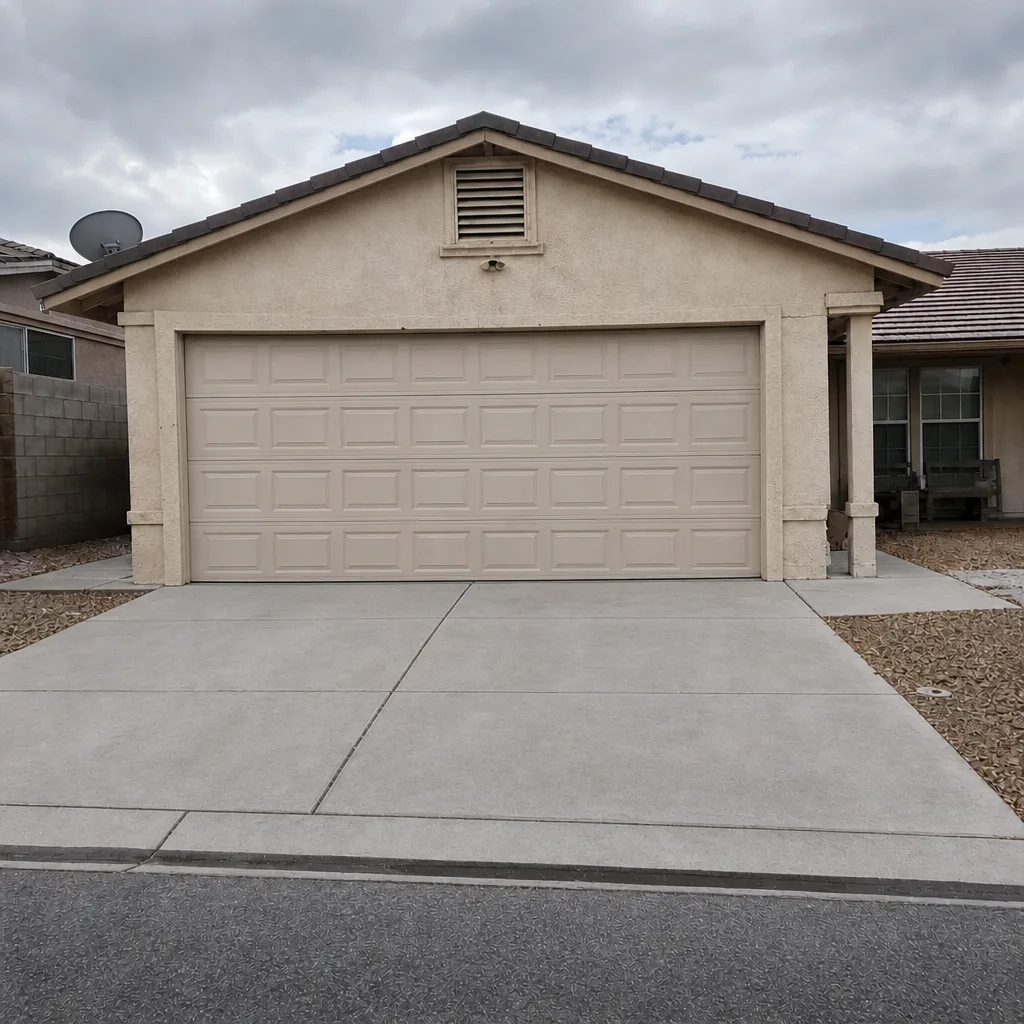 After
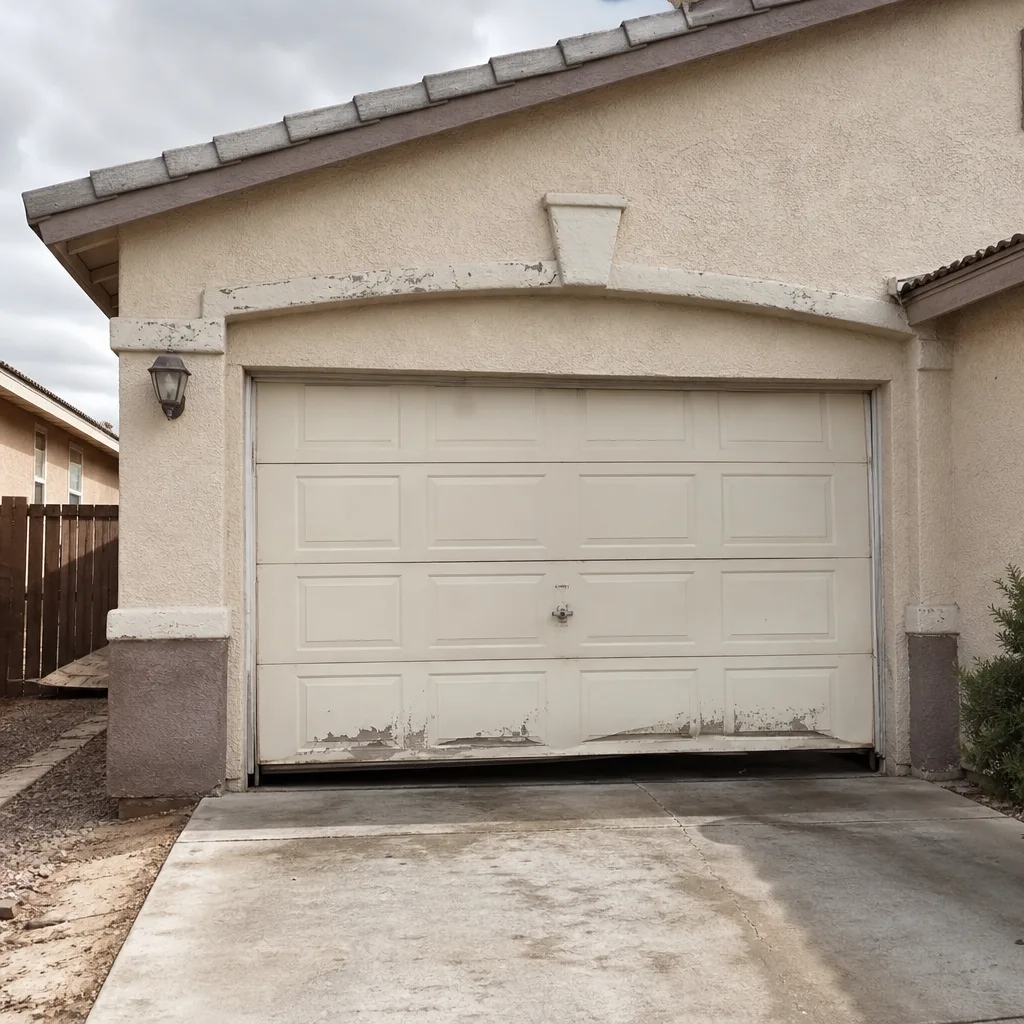 Before
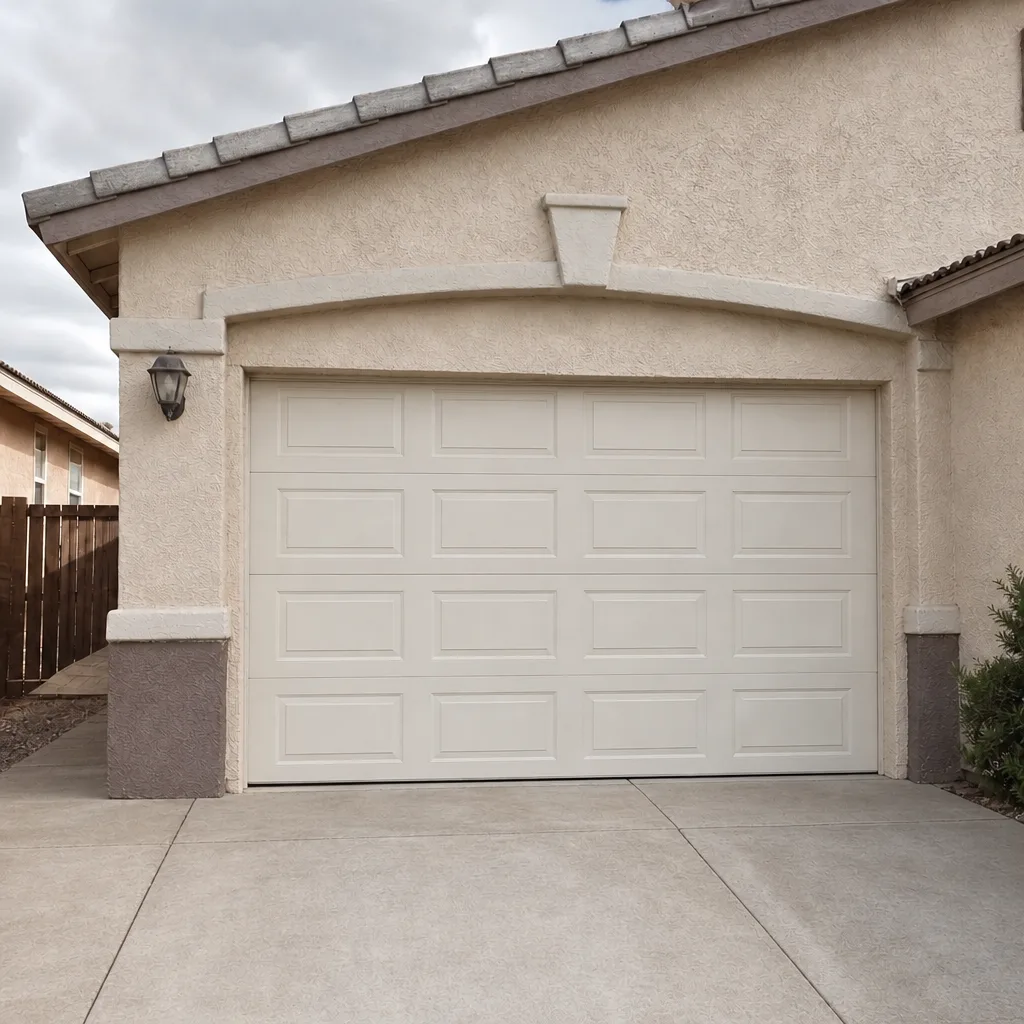 After
When to Call a Professional
Call a professional the moment a warning sign crosses from “the door’s a little off” to “the door is behaving differently than it did yesterday.” The specific scenarios that should always trigger a call: any visible cable slack or fray, a spring that’s snapped or has a visible gap, a door that’s off its track or hanging unevenly, an opener that stops and reverses repeatedly, or a burning smell from the motor. All of these sit in the “do it today” bucket. If you’re the type who’d rather have a trained set of eyes on it before it becomes an emergency, ours are free to borrow. Otto’s Garage Door North Las Vegas offers free estimates in North Las Vegas. Call (866) 347-9495 and a live person will answer, usually whoever will show up at your driveway.
Frequently Asked Questions
Look for a visible gap of an inch or more in the torsion spring coil, rust streaks along the spring, or a door that lifts harder than it used to. With the door closed, stand to the side and check for uneven spacing between the coil winds. A spring with 60 days left on it usually shows at least one of these. Don’t touch the spring itself; just look, photograph, and call.
A small amount of noise on the first cycle after a cool night is normal. Loud, grinding, or new noise is not. In North Las Vegas, the combination of desert dust and daily heat cycling wears rollers and track fittings faster than in more temperate climates. If the door got noticeably louder in the last month, something is failing.
Yes, most repair calls in North Las Vegas are handled the same day, and springs and cables are the most common same-day fix. Call (866) 347-9495 with what you’ve observed. You’ll get a quote on that call, and that price holds when the technician arrives. The one exception is a full door replacement, which requires a measure and a scheduled install date.
No. The price we quote on the phone is the price that shows up on the invoice. The only time a price changes is if you ask for additional work beyond what was quoted. That commitment is written on every invoice and backed by the 90-Day Done Right Promise.
All the major brands, including LiftMaster, Chamberlain, Genie, Clopay, Amarr, Wayne Dalton, Craftsman, and Raynor. Our technicians have up to 22 years of experience across these systems. If you tell us what’s on your door when you call, we can usually diagnose it before we arrive.
There’s no trip charge anywhere inside our home county. Seniors and veterans get 10% off every job, always, and we take $40 off any repair over $200. Those offers stand, not just when we’re running a promotion. The full list lives on Otto’s Garage Door North Las Vegas home.
The Bottom Line
A garage door rarely fails without warning. It tells you 2 to 4 weeks out, through a grinding noise, an uneven closing edge, a shrinking remote, or a spring with a visible gap. Those are not quirks of an aging door. They’re the specific warnings of a part that’s about to fail. Catch them and you’re looking at a standard repair on your schedule. Miss them and you’re looking at a same-day emergency, sometimes with a car sealed inside. In North Las Vegas, add heat cycling to the equation and check your springs every six months. If you’re not sure what you’re looking at, call us and describe it. We’ll tell you the truth.
Contact us at (866) 347-9495 for a free estimate. A live person answers around the clock, we quote the job on the call and hold the price, and if the door turns out to need work, we’d be glad to give you a second opinion on any estimate you already have. Ask anyone on your street. We’ve been in this county since 2004, and Otto is a palindrome: reads the same from either end, same as the door.
Written by the team at Otto’s Garage Door North Las Vegas.