
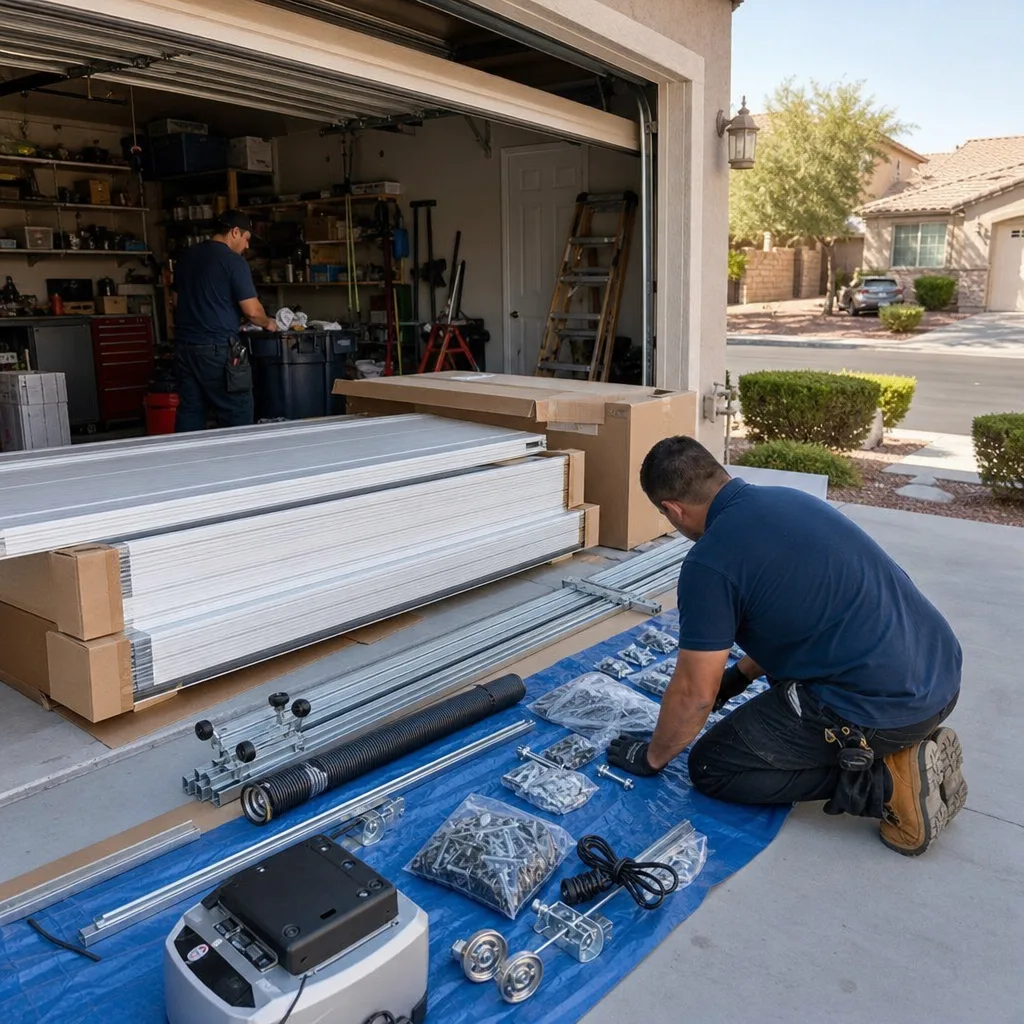
Last updated November 18, 2026
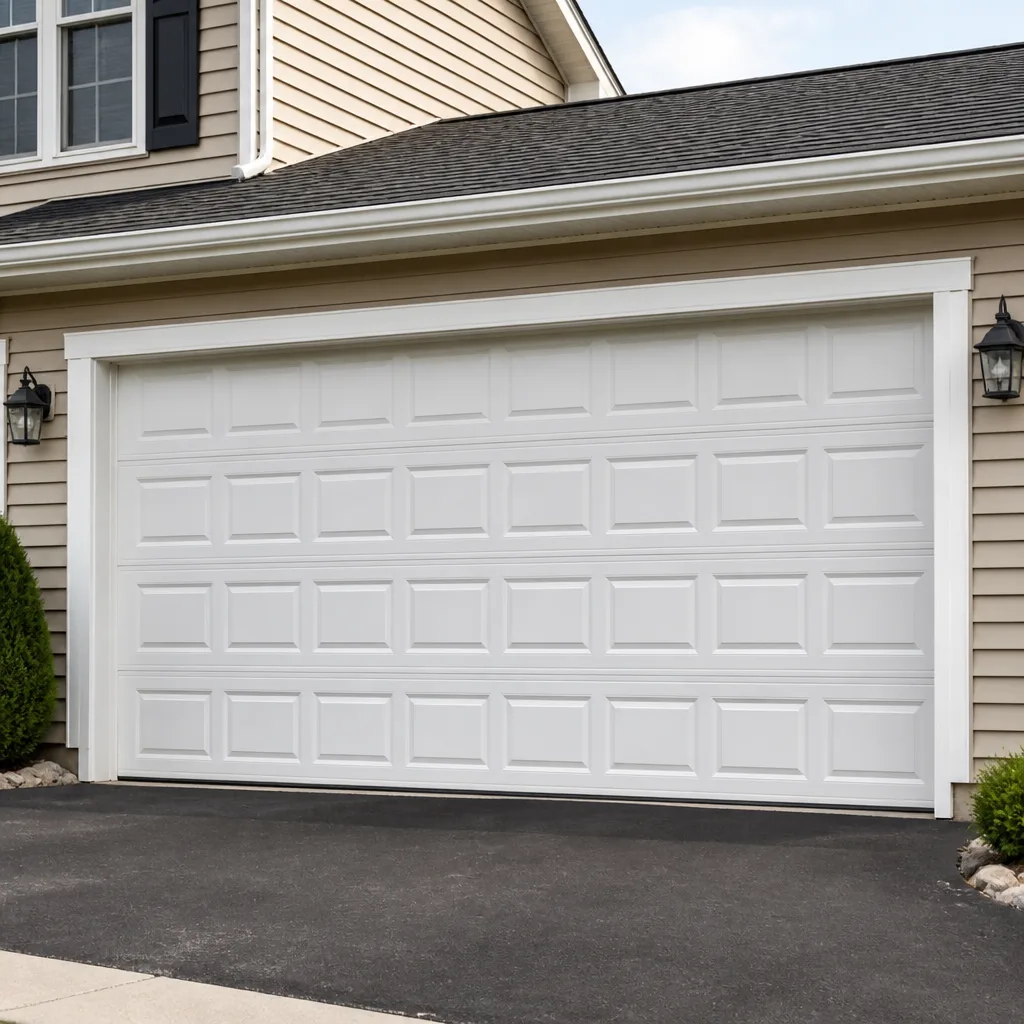 Raised-panel steel
 Carriage house
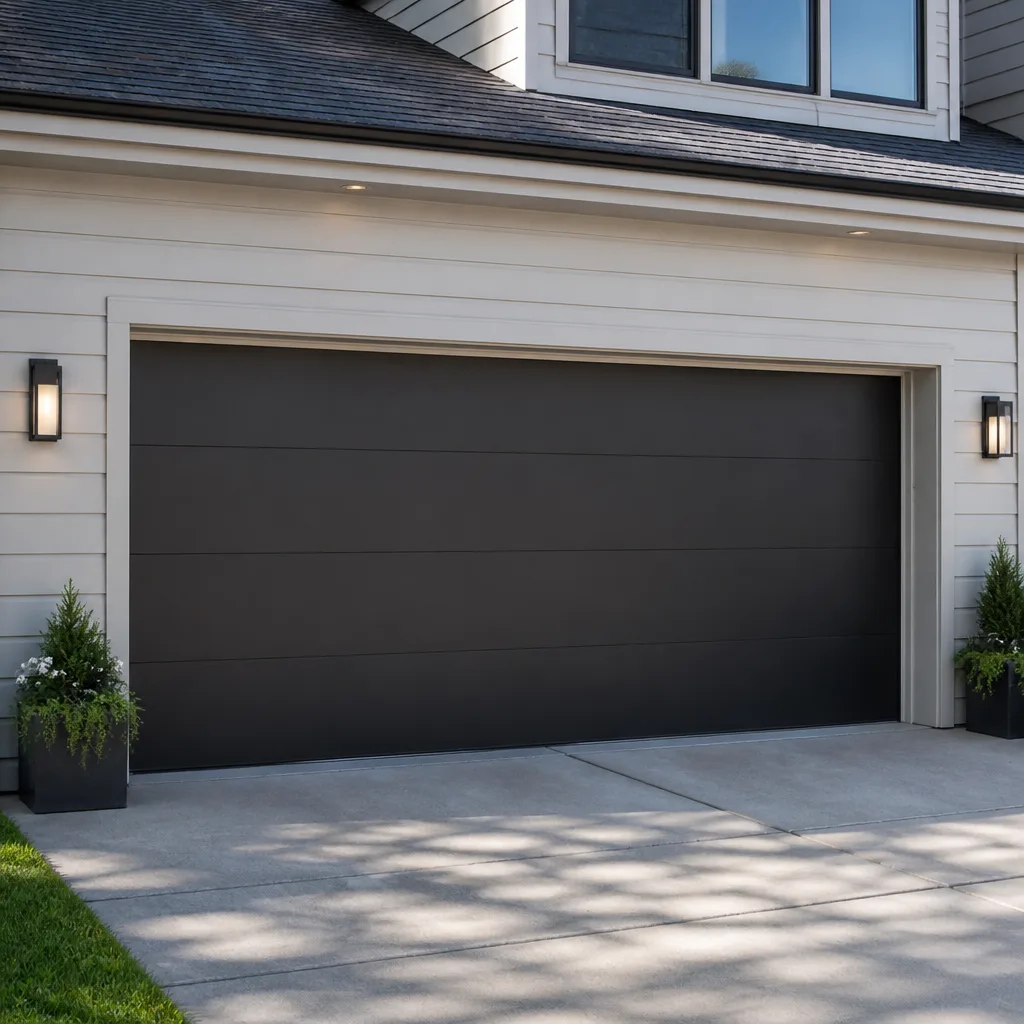 Modern flush
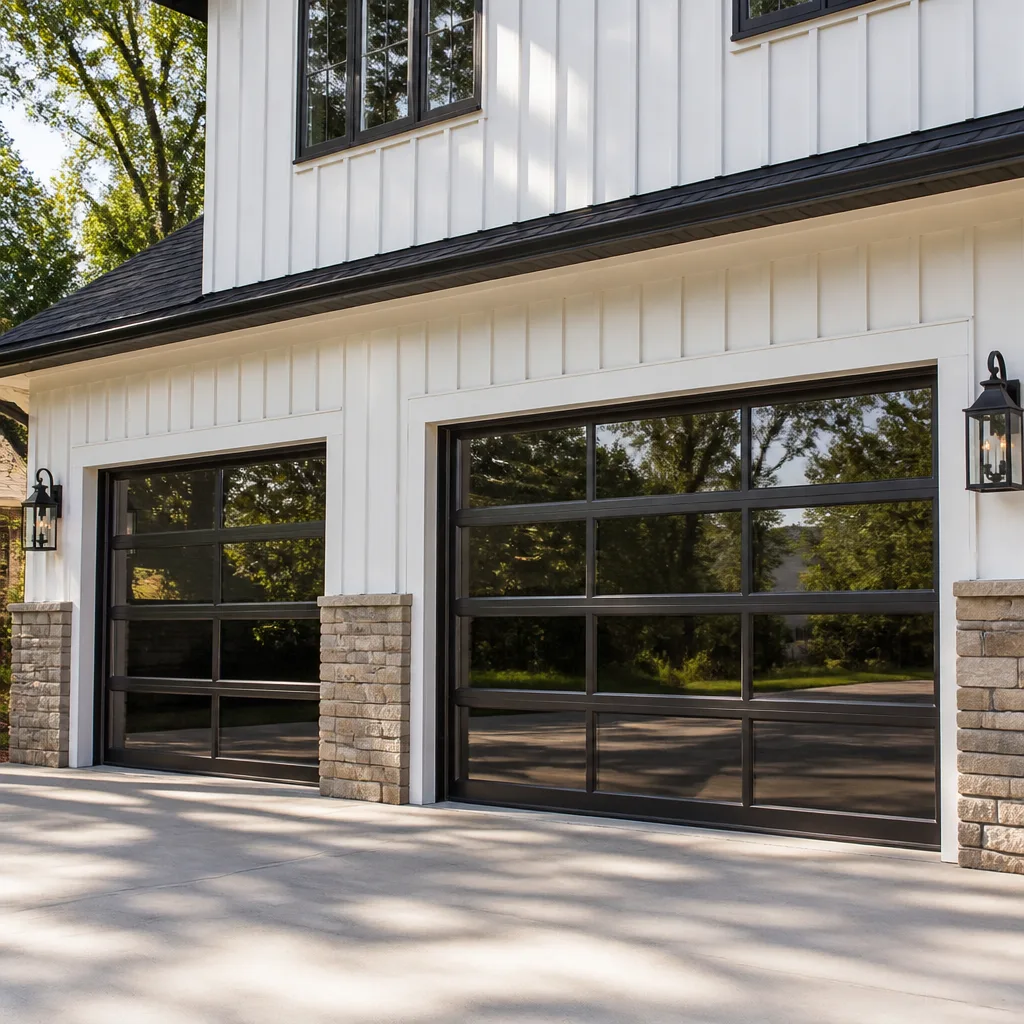 Full-view glass
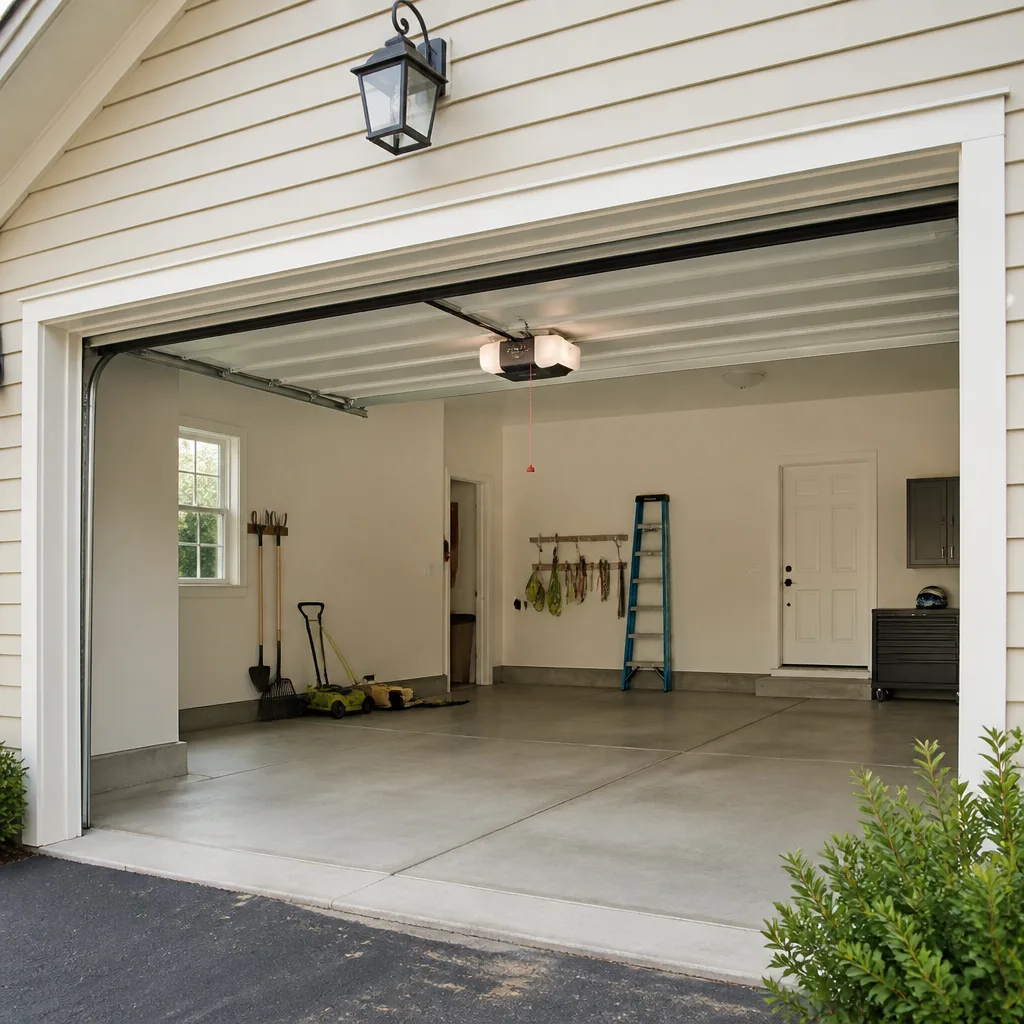 LiftMaster openers
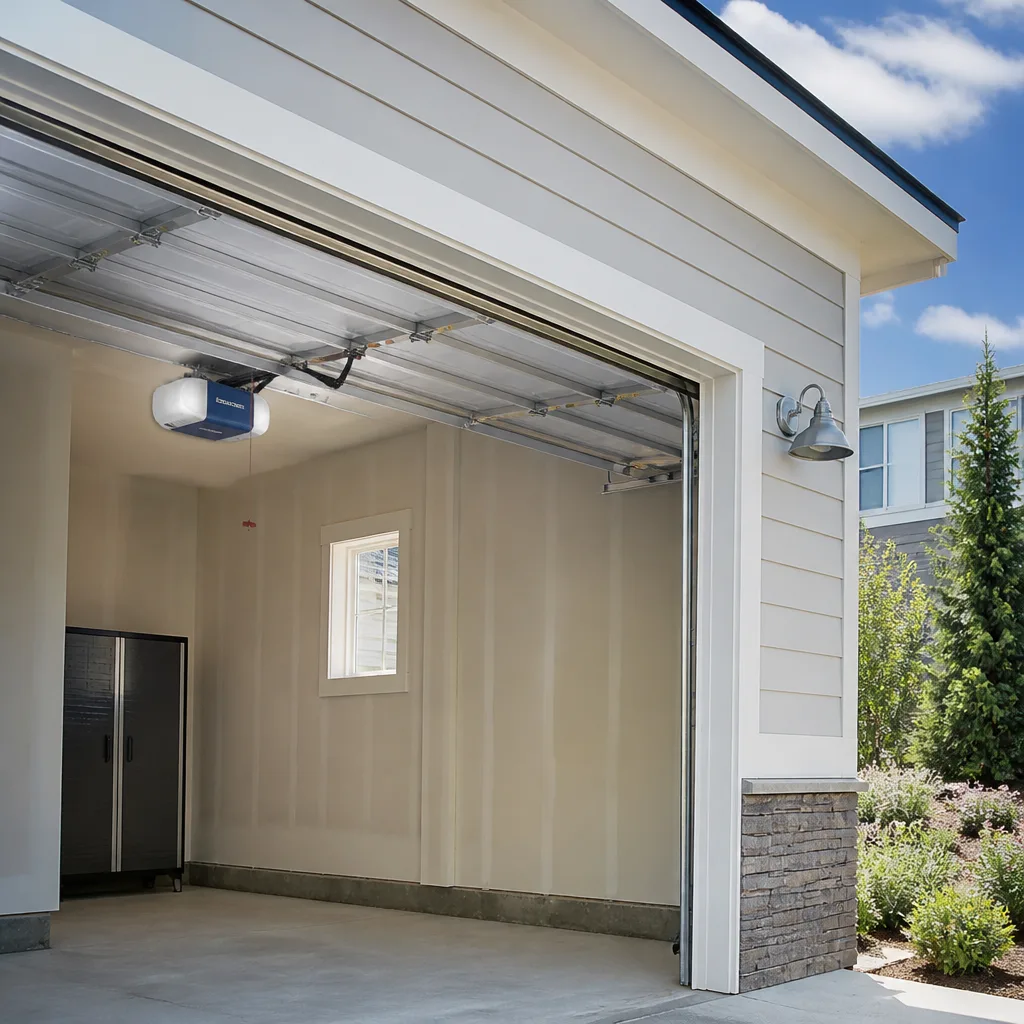 Chamberlain openers
Full 25-point door and opener safety check with every visit - springs, cables, rollers, tracks, and your LiftMaster or Chamberlain opener included
You get a price before we start. It does not change when the pro arrives.
Get your free estimateGarage Door Parts Maintenance Schedule: What to Do and When
A spring lubed in July in a Vegas garage that hits 130°F in summer burns through that lubrication in about six weeks, not six months like the generic chart on the hardware store wall says. That single number tells you most of what you need to know: the maintenance calendars you find online were written for mild climates, and North Las Vegas is not one. We’ve watched springs on the sunny side of a house fail years before the same spring on a shaded door a mile away. What follows maps every major part of your door to its own timeline, adjusted for desert heat, dust, and the way North Las Vegas uses a garage as a workshop, storage room, and second living room all at once.
Quick Answer
In North Las Vegas, springs and cables need inspection twice a year (spring and fall), rollers and hinges need lubrication every 3 to 4 months because heat cooks the grease, and the bottom weather seal should be checked monthly and replaced roughly every 2 to 3 years as sun bakes it brittle. The single most important date on the calendar is October: a full hands-on inspection after summer stress, before the door gets used heavily again for holiday storage and cooler-weather projects. Everything else is small monthly checks that take under a minute.
Styles & brands we work with
- Raised-panel steel
- Carriage house
- Modern flush
- Full-view glass
- LiftMaster openers
- Chamberlain openers
Table of Contents
- Why North Las Vegas Heat Rewrites the Standard Schedule
- Springs: The Part That Fails First
- Cables: The Quiet Partner to Your Springs
- Rollers and Hinges: Where Dust and Heat Meet
- Weather Seal and the Desert Sun
- October: The One Month to Do a Full Inspection
- Lithium Grease vs. WD-40: What Actually Survives the Heat
- The 60-Second Monthly Check vs. Quarterly Hands-On Tasks
- How to Log Your Maintenance for Warranty Proof
Why North Las Vegas Heat Rewrites the Standard Schedule
An attached garage in North Las Vegas runs 20 to 30 degrees hotter than the outside air on a July afternoon. When it’s 108°F at the house, the space above the door where your springs live is regularly pushing 130°F or more. That’s not a small detail you factor in at the edges. It changes the chemistry of every lubricant, the fatigue rate of every spring, and the lifespan of every rubber seal on the door.
Dust adds the second layer. North Las Vegas sits at the edge of the Mojave, and wind off the open desert moves fine grit that finds its way into every hinge pin and roller race. Grit mixed with old dried grease becomes an abrasive paste. That paste is why so many doors in the older neighborhoods around Civic Center and the established blocks near Cheyenne High School start squealing before the springs ever give out.
Generic maintenance charts assume four seasons and moderate humidity. We don’t have those. What we have is a long stress season from May through September, a short recovery window in October, and a mild winter when the door gets a real rest. A schedule built for North Las Vegas should treat summer as the enemy and October as the reset.
- Garage air temp in summer: 20 to 30°F above outside air
- Metal part surface temp: up to 130°F or higher in direct afternoon sun
- Grease life at those temps: roughly one-quarter to one-third of mild-climate estimates
- Dust load: year-round, worst during spring winds
Springs: The Part That Fails First
Torsion springs are rated in cycles, not years. One open and one close equals one cycle. A standard spring is usually rated somewhere between 10,000 and 15,000 cycles; a high-cycle spring is rated higher and costs more. Most homeowners open their door four to six times a day. Do the math and a 15,000-cycle spring is good for years, but heat erodes that rating. A spring running hot and dry loses more of its cycle count to metal fatigue.
In our experience, spring failures in the newer tracts out toward Aliante tend to cluster after the worst of summer, right when the door starts getting used heavily again. On the older homes near the North Las Vegas Airport, springs sometimes last noticeably longer because those garages run cooler and the doors go up fewer times a day.
Here’s what a spring inspection actually involves, and where the line is for a homeowner:
- With the door closed, look at the springs above the door. You’re checking for visible gaps in the coil, a stretched or separated section, or rust.
- Listen. A sharp bang from the garage with no obvious cause is often a spring letting go.
- Check the door balance by hand only if you can lift it safely with the opener disconnected. If it feels heavy or won’t hold halfway, stop and call.
What you should not do, ever, is try to adjust, wind, or replace a torsion spring yourself. A door is 200 pounds riding on two springs. Respect it. Those springs are under enough tension to cause serious injury, and the tools that touch them are specialized for a reason. If a spring looks off, that’s a professional call.
Cables: The Quiet Partner to Your Springs
Lift cables look simple, but they carry the full weight of the door and they run alongside springs under high tension. Heat and dust wear them just like everything else. The cables themselves don’t need lubrication; the pulleys and drums they run over do. Greasing the cable is a common mistake because it attracts grit and turns the cable into a dust magnet.
Check cables during your twice-yearly spring inspection. Look for fraying near the drums at the top of the door, kinks, or rust on the strands. A cable that snaps under load is dangerous because it usually flies loose and can whip. If you see fraying, don’t run the door. Call us before you cycle it again.
North Las Vegas dust gets into open pulley bearings more than homeowners expect. A dry pulley starts to grind, and grinding is the sound of metal eating itself. The fix is a little grease, not a new cable, but you have to catch it early. This is one of those parts where the cheapest maintenance is the smallest amount of attention.
Rollers and Hinges: Where Dust and Heat Meet
Rollers ride in the track and take the door up and down thousands of times. Hinges connect the panels and pin together with a small metal pin. Both need lubrication, and both take more abuse here than the standard schedule assumes.
For North Las Vegas, plan on lubricating rollers and hinges every 3 to 4 months, not twice a year. The logic is simple: heat cooks the grease thin, dust gets in, and the grease dries out faster than it would in a milder climate. Rollers come in steel, nylon, and a couple of other variants. Nylon rollers tend to be quieter but don’t love extreme heat; steel rollers last but need steady lubrication to keep from grinding. We’ve replaced plenty of both over the years, and the ones that last are the ones that get touched every few months.
A hinge that squeaks is annoying. A hinge pin that seizes is a problem. When a hinge seizes, the door can bind, twist the panel, and stress the opener. That’s how a $20 hinge turns into a $400 repair. This part of the door overlaps with the opener, which is why our Garage Door Opener Repair & Installation in North Las Vegas work so often starts with checking hinges and rollers before touching the motor at all. If the opener is straining, the problem is almost never the opener.
Weather Seal and the Desert Sun
The bottom weather seal is a rubber strip. It’s also the part that takes the full, unfiltered Nevada sun and the full load of a hot garage floor. In most climates a bottom seal lasts years. Here, expect to check it monthly and replace it every 2 to 3 years, sometimes sooner if it faces south. When it dries out, it hardens and cracks. Once it cracks, dust blows straight in under the door, and that dust is what starts wearing your rollers.
You’ll also want to look at the side seals and the top seal if your door has them, plus the threshold. A brittle seal lets in both dust and pests. In the small towns and rural stretches outside North Las Vegas, a failed bottom seal is often the first sign a door is aging. Replacing it is cheap; ignoring it is what leads to bigger rebuilds.
When you’re checking the seal, run your hand along the bottom edge with the door closed. If it feels hard rather than springy, or if you can see daylight under a section, it’s time. This is a maintenance item you can do yourself with the right material, and it’s one of the few we’re comfortable recommending for a handy homeowner.
October: The One Month to Do a Full Inspection
If you remember nothing else from this guide, remember October. Summer is what stresses the door most, and by the time the cooler weather arrives, worn parts have been worn for months. October is the reset point, before the holiday season when the door gets used heavily again for storage, decorations, and the extra flurry of coming and going.
A full October inspection should cover:
- Springs and cables: visual check for gaps, rust, fraying, and kinks.
- Rollers and hinges: spin each roller by hand, listen for grind, look for flat spots. Lubricate.
- Track: check for dents and loose bolts. A door that shifts in the track can stress springs.
- Weather seal: check the bottom seal plus the side seals.
- Opener: balance the door, test the safety reversal by placing an object in the door’s path.
- Photo-log everything with dates (more on that below).
Why October and not June? Because by October the damage from summer heat is already done, and you want to catch it before cooler weather brings heavier use. A June inspection happens while the frying is still in progress. An October inspection happens when the results are visible. If you only schedule one professional check a year in North Las Vegas, make it October.
Lithium Grease vs. WD-40: What Actually Survives the Heat
This is where a lot of well-meaning homeowners make things worse. WD-40 is a light solvent-based spray. It’s great for shifting a rusty bolt; it’s not a long-term garage door lubricant. In a hot North Las Vegas garage it evaporates or thins out fast and leaves metal drier than where you started. Spray it on your rollers, and six weeks later they’ll grind louder than before.
Lithium-based grease, or a purpose-made garage door lubricant, is what you want on metal parts. It holds up to high temperatures, stays where you put it, and doesn’t attract grit the way straight oil does. That’s the difference between a door that stays quiet through July and one that squeals by the Fourth of July.
- Rollers and hinges: lithium grease or silicone-based garage door lube
- Track: nothing. Wipe it clean with a dry cloth; grease on the track just collects dust
- Springs: very light oil or a dedicated spring lubricant applied sparingly; ask before you spray
- Cables: do not grease. Grease collects grit and accelerates wear
One more note: a lot of the doors we see in North Las Vegas are older units, including plenty of Wayne Dalton and Craftsman doors that have been on the wall for years. Different models have different hardware, so if you’re not sure what a part takes, check the manual or call us. We’ll tell you on the phone.
The 60-Second Monthly Check vs. Quarterly Hands-On Tasks
You don’t need to do a full inspection every month. You need a quick visual check that takes under a minute, and then a quarterly session with grease and a rag. Splitting the two keeps you honest without making maintenance a chore.
The 60-Second Monthly Check (no tools, no getting on a ladder)
- Open and close the door once and listen. Any new noise?
- Look at the springs and cables from where you’re standing. Anything obviously wrong?
- Look at the bottom seal for cracks or daylight.
- Watch the door travel. Does it move smoothly, or hesitate?
The Quarterly Hands-On Session
- Lubricate rollers and hinges with lithium grease.
- Wipe down the track and check for dents.
- Test the opener’s safety reversal.
- Check bolt tightness on the hinges and brackets (with the door closed and the opener off).
- Update your maintenance log.
Between the monthly glance and the quarterly session, you cover almost everything. The once-a-year professional inspection is for springs and cables, which are the two things we don’t want a homeowner messing with. Our team at Otto’s Garage Door North Las Vegas has handled the parts side of this for homeowners across North Las Vegas for a long time, and callbacks are almost always the parts that got skipped rather than parts that failed on their own.
How to Log Your Maintenance for Warranty Proof
Here’s a part of maintenance most people ignore until they need it. If a spring or opener fails during its warranty period, the manufacturer or installer is going to ask a simple question: what maintenance was done and when? A parts failure on a neglected door is a different conversation than a parts failure on a door with dates written down. That’s why you should keep a log from day one.
A maintenance log can be a notebook in the garage, a spreadsheet on your phone, or a note pinned to the wall. It doesn’t matter. What matters is that it captures:
- Date of the task
- What part you touched (spring inspection, roller lube, seal replacement, etc.)
- What you found (noise, wear, dust, nothing)
- Photo attached if something looked off
- Any professional visits and the invoice number
We keep our own log for every job we do. Every invoice carries our 90-Day Done Right Promise in writing, and it’s backed by one call to the owner himself, not a customer-service queue. Your log is the mirror of that on your side. It’s a paper trail that protects you if a part fails and you need to prove you kept up your end of the deal. A warranty fight you win is a warranty claim; a warranty fight you lose is a new spring on your dime.
Common Mistakes to Avoid
- Lubing with WD-40. It dries out fast in the heat and leaves metal drier. Use lithium grease on metal, and skip the track entirely.
- Skipping the July and August check. That’s when everything is most stressed. A roller that looks fine in April can be flat-spotted by August.
- Tightening a torsion spring by yourself. This is the mistake that sends people to the emergency room. A door is 200 pounds riding on two springs. If it feels wrong, call someone.
- Greasing the cable. It attracts dust and accelerates wear. Clean and inspect, don’t lubricate.
- Ignoring a drone or squeal. Noise doesn’t fix itself. A little grease now saves a hinge and panel later.
- Waiting until the spring snaps to do anything. Spring failure is predictable if you’re looking. It’s not a surprise if you’re paying attention.
- No log. If you can’t prove maintenance, your warranty claim gets harder every time.
If you’re looking to head off a bigger problem before it starts, our Garage Door Repair in North Las Vegas team is the place homeowners call when a part has moved past maintenance into replacement.
See the difference
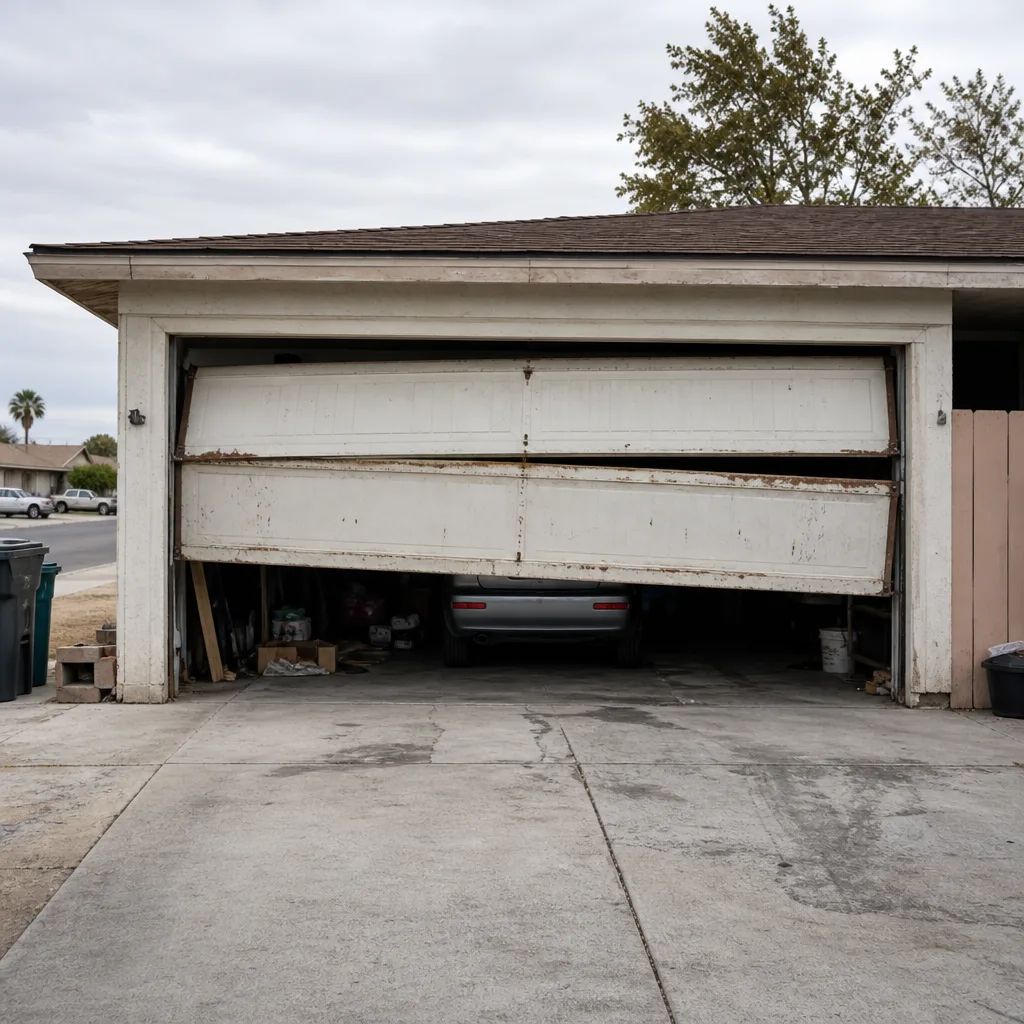 Before
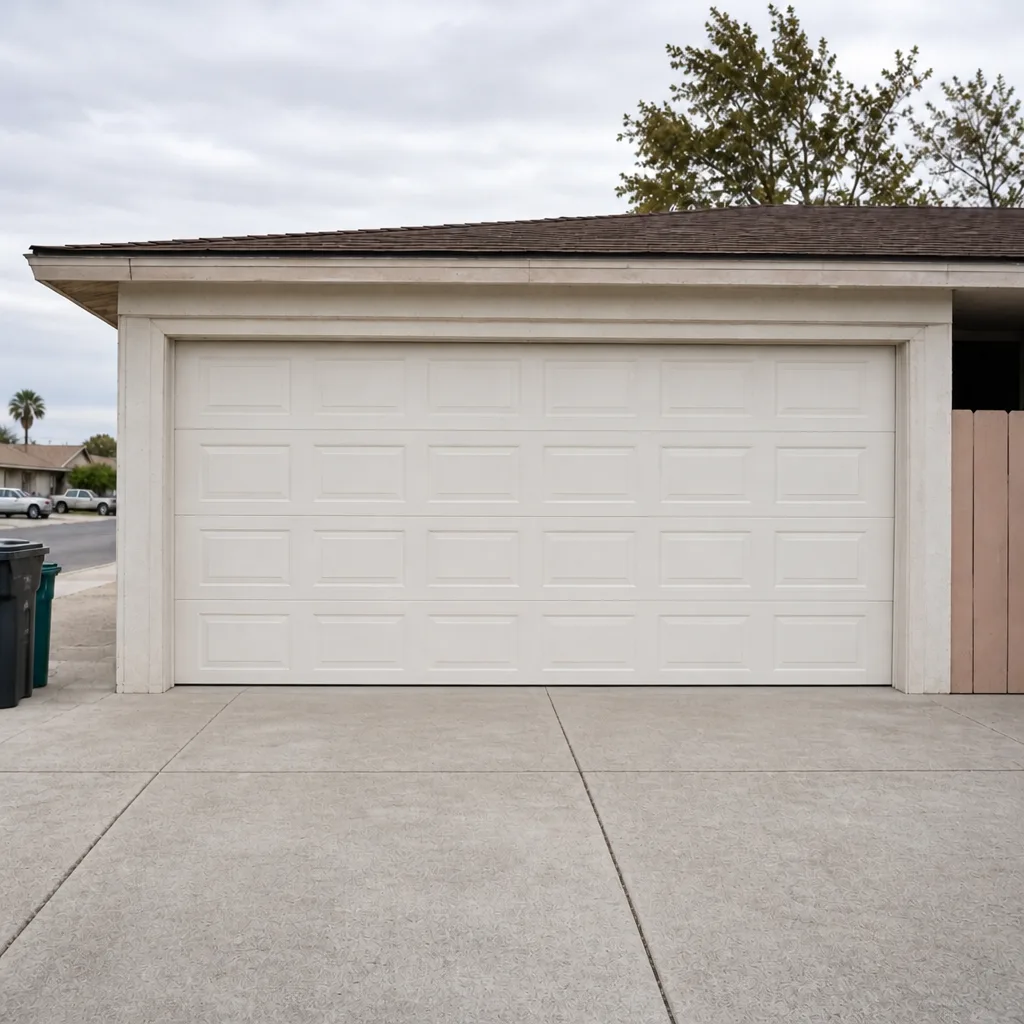 After
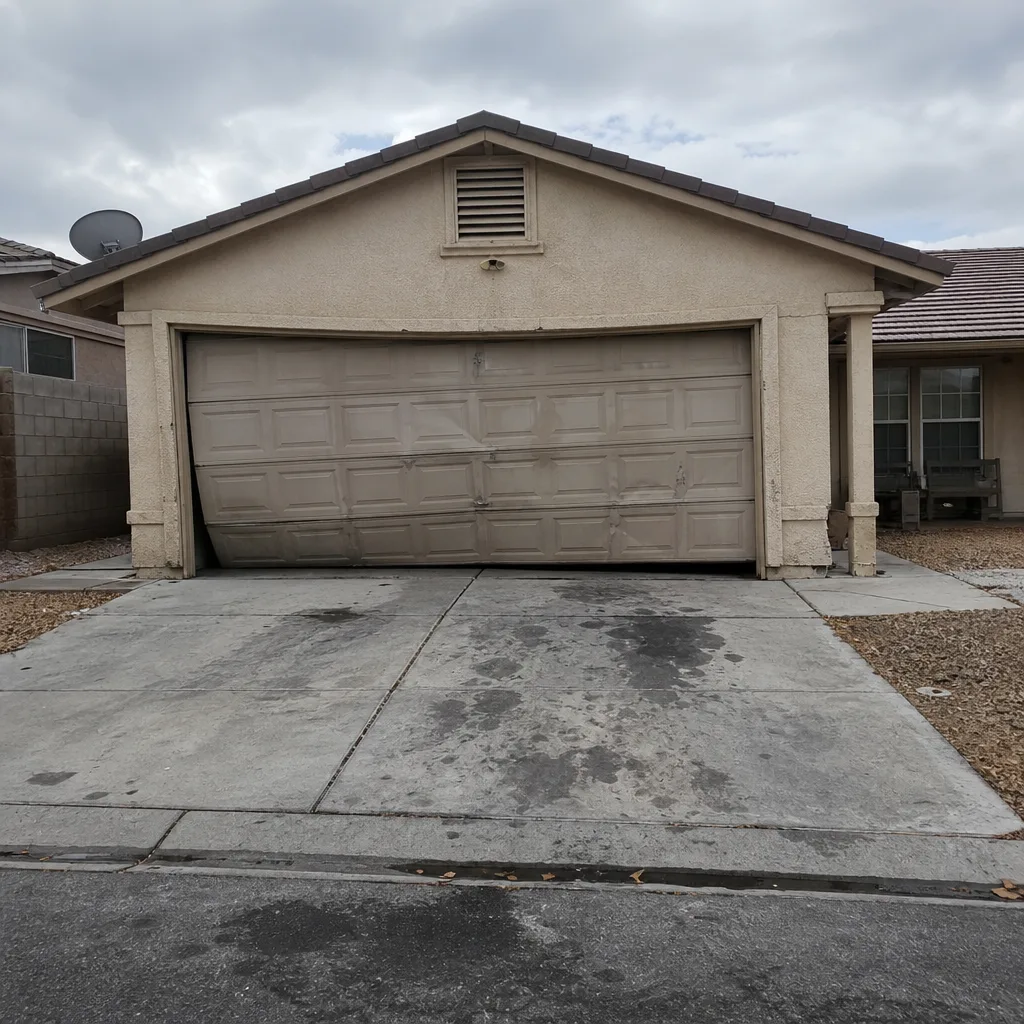 Before
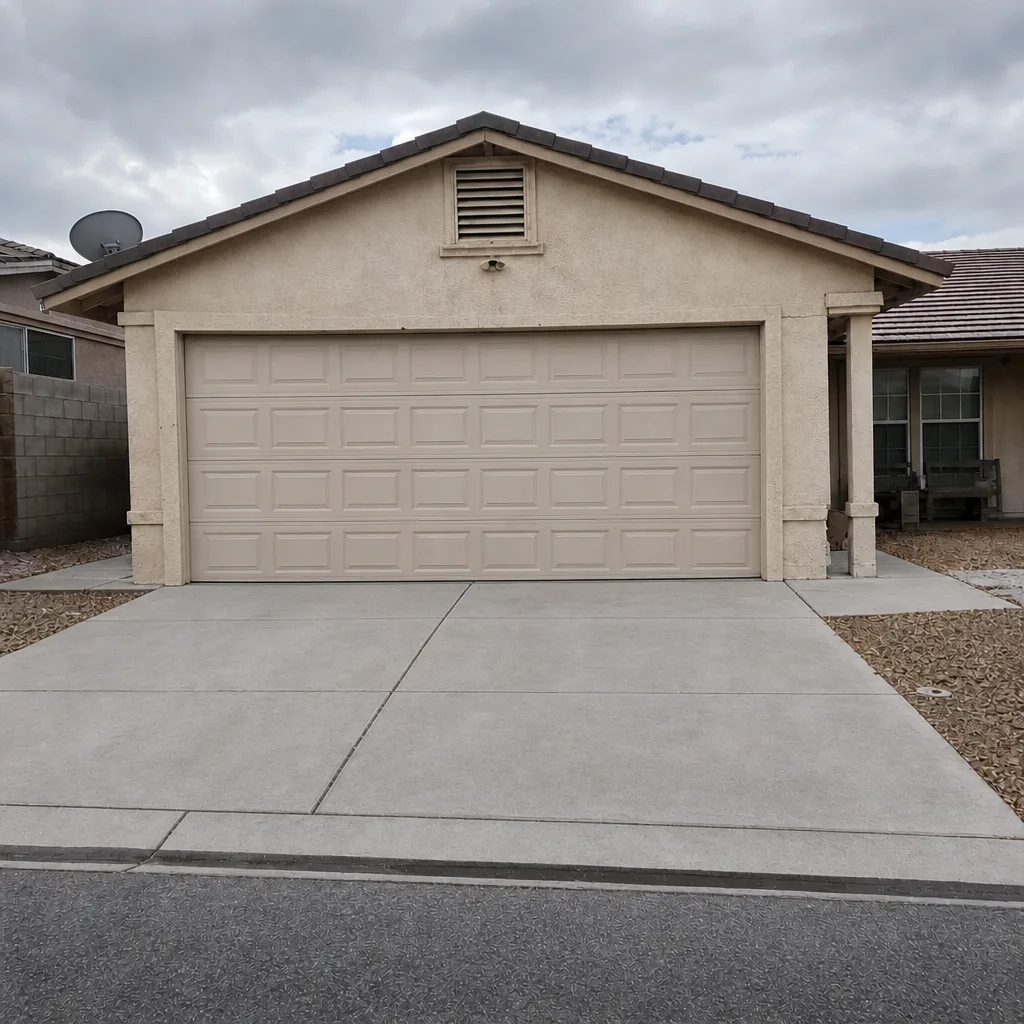 After
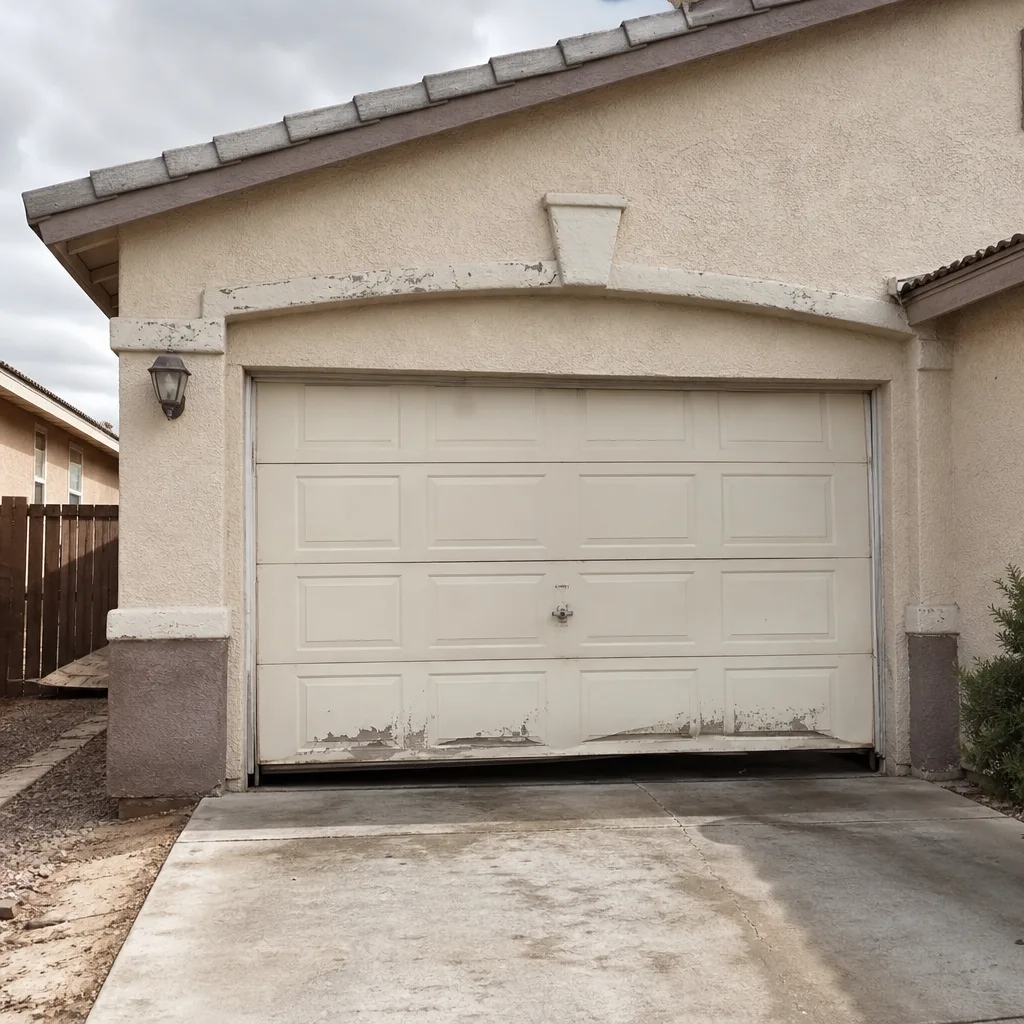 Before
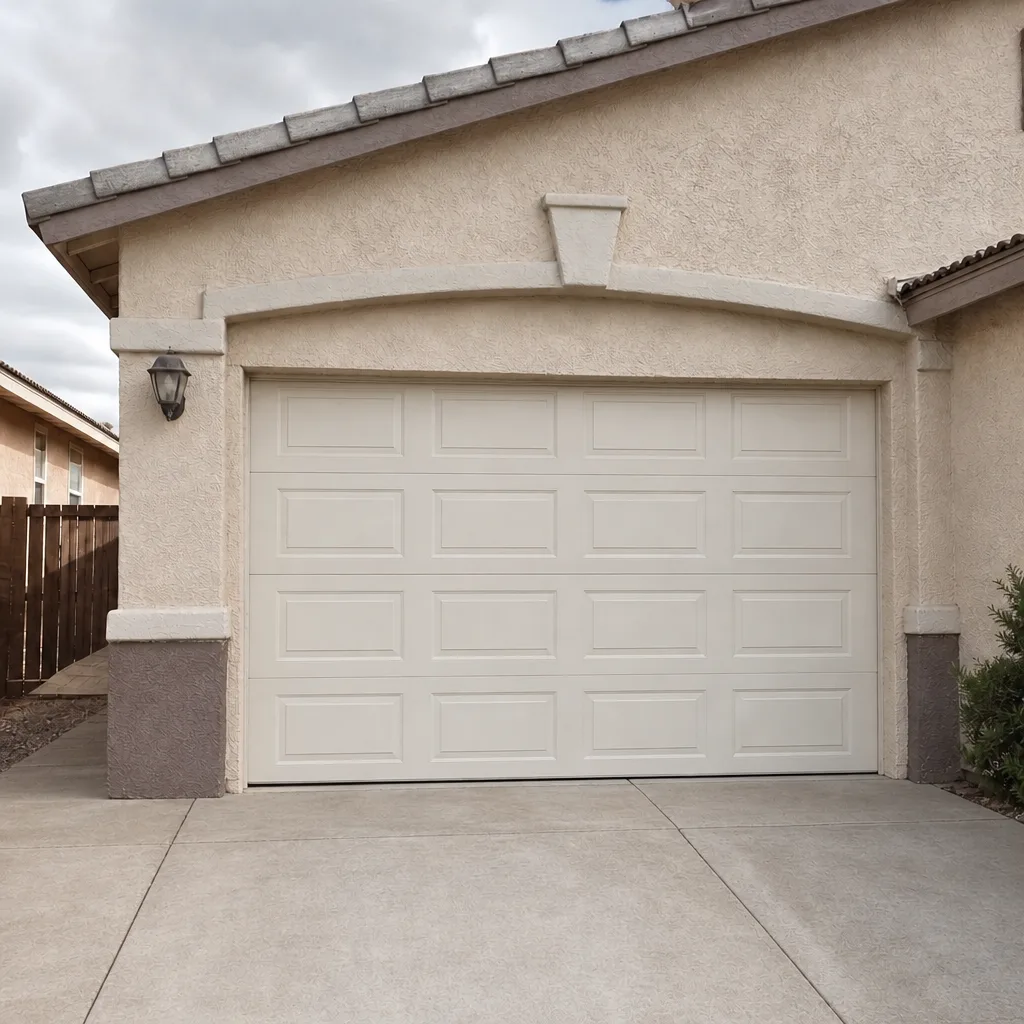 After
When to Call a Professional
Some of this you can do yourself. Springs, cables, and anything involving the torsion system are not on that list. Call a professional if you hear a bang from the garage, if the door feels heavy or won’t balance, if you see a visible gap or separation in a spring, if a cable looks frayed, if the door binds or twists in the track, or if the opener is straining and the hinges and rollers don’t explain it. Call us if the door won’t close and you have to get to work. Otto’s Garage Door North Las Vegas offers free estimates in North Las Vegas. Call (866) 347-9495 and we’ll take a look, quote you upfront, and hold the number when we get there. A live person answers, and we’ll get a real answer to you fast. If you’d like to see everything we handle for homeowners across the valley, start at the Otto’s Garage Door North Las Vegas home page and work from there.
Frequently Asked Questions
Every 3 to 4 months, not twice a year. Heat thins the grease faster here than in milder climates, and desert dust turns dried grease into an abrasive paste. Quarterly is the honest number, and it’s the single habit that does the most to keep a North Las Vegas door quiet.
October. Summer is when parts are most stressed, so by early fall the wear is done and visible. Inspecting in October catches what summer ate before cooler weather and holiday use put the door back to work. Call (866) 347-9495 if you’d like us to do the inspection; estimates are free.
No. Torsion springs are under enough tension to cause serious injury, and the tools and knowledge to wind them safely are specialized. A door is 200 pounds riding on two springs. This is a job for a trained professional, full stop.
Because your garage runs 20 to 30 degrees hotter than the outside air in summer, and the grease on rollers and hinges cooks off much faster than it would in a milder climate. Lithium grease holds up better than WD-40, but even good grease needs a quarterly touch here.
Keep a simple log with dates, what you did, what you found, and photos of anything off. Warranty claims go smoother when you can show a maintenance record. If you need a second opinion before you file a claim, we offer a free second opinion on any written estimate.
We work on all the major brands, including Wayne Dalton, Craftsman, Raynor, and LiftMaster. When you call with the model, we can usually tell you what’s on hand and what has to be ordered. Same-day service is available for many repairs, and we quote on the call.
The Bottom Line
Your garage door parts don’t age on the same clock, and in North Las Vegas the clock runs faster on the parts that live above the door. Springs and cables need a spring-and-fall inspection, rollers and hinges need grease every 3 to 4 months, and the weather seal wants a monthly look. October is the date to circle. Use lithium grease on metal, never WD-40, and never touch a torsion spring yourself. Log everything so you have proof if a part fails under warranty. Everything else is a 60-second monthly glance and a small bit of attention. That’s the whole schedule, and it’s the difference between a door that lasts and one that fails at the worst possible moment. If you’d like us to look at yours, or if you’re planning a replacement, we’re glad to help with a new door through Garage Door Installation in North Las Vegas.
Call Otto’s Garage Door North Las Vegas today at (866) 347-9495 for a free estimate. A live person answers, we quote upfront, and the number holds when we get there.
Written by the team at Otto’s Garage Door North Las Vegas.