
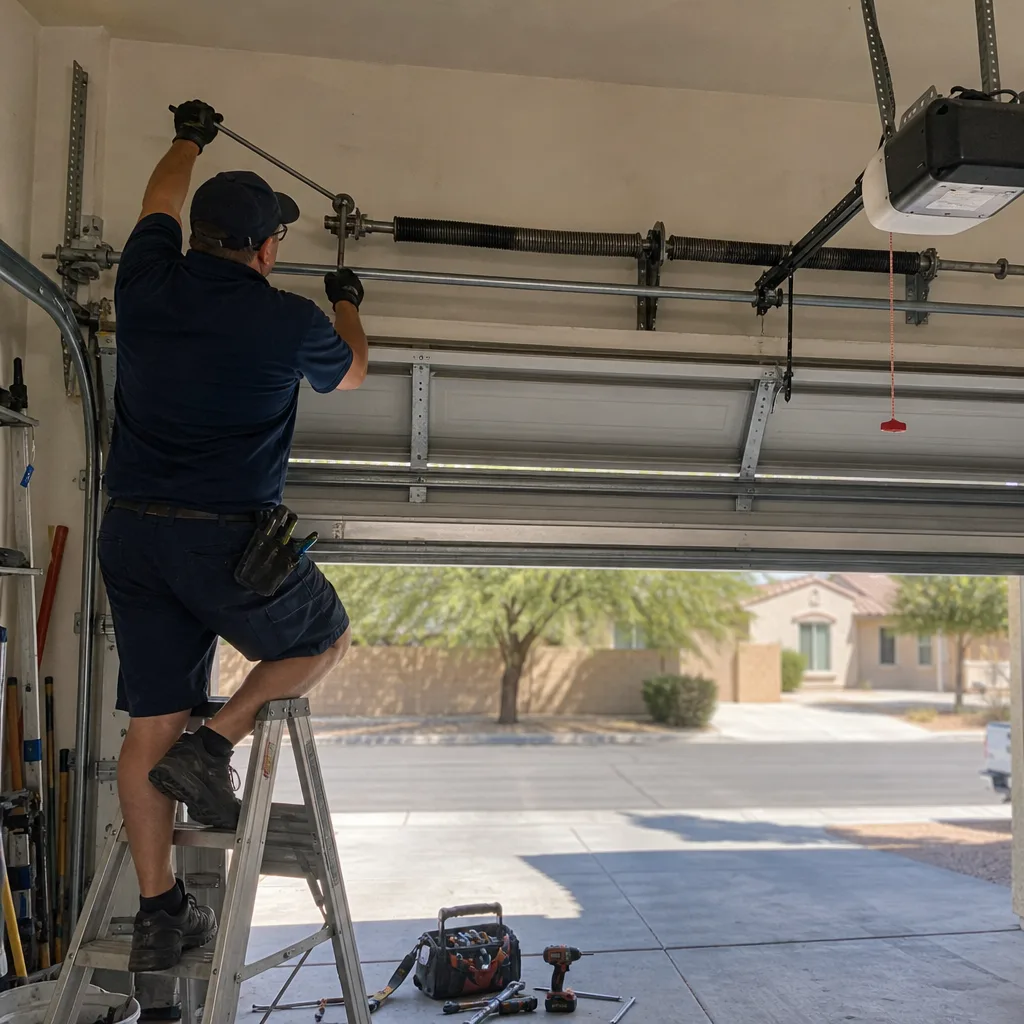
Last updated November 18, 2026
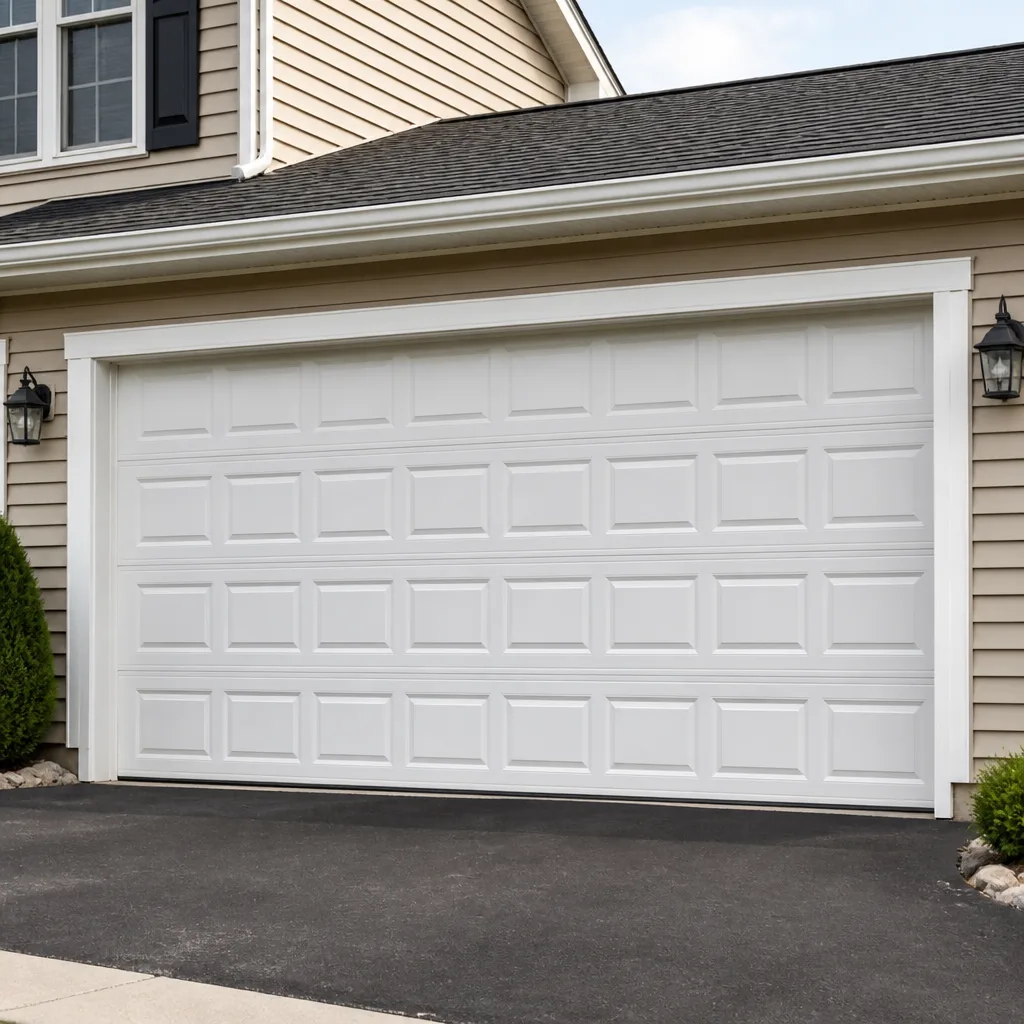 Raised-panel steel
 Carriage house
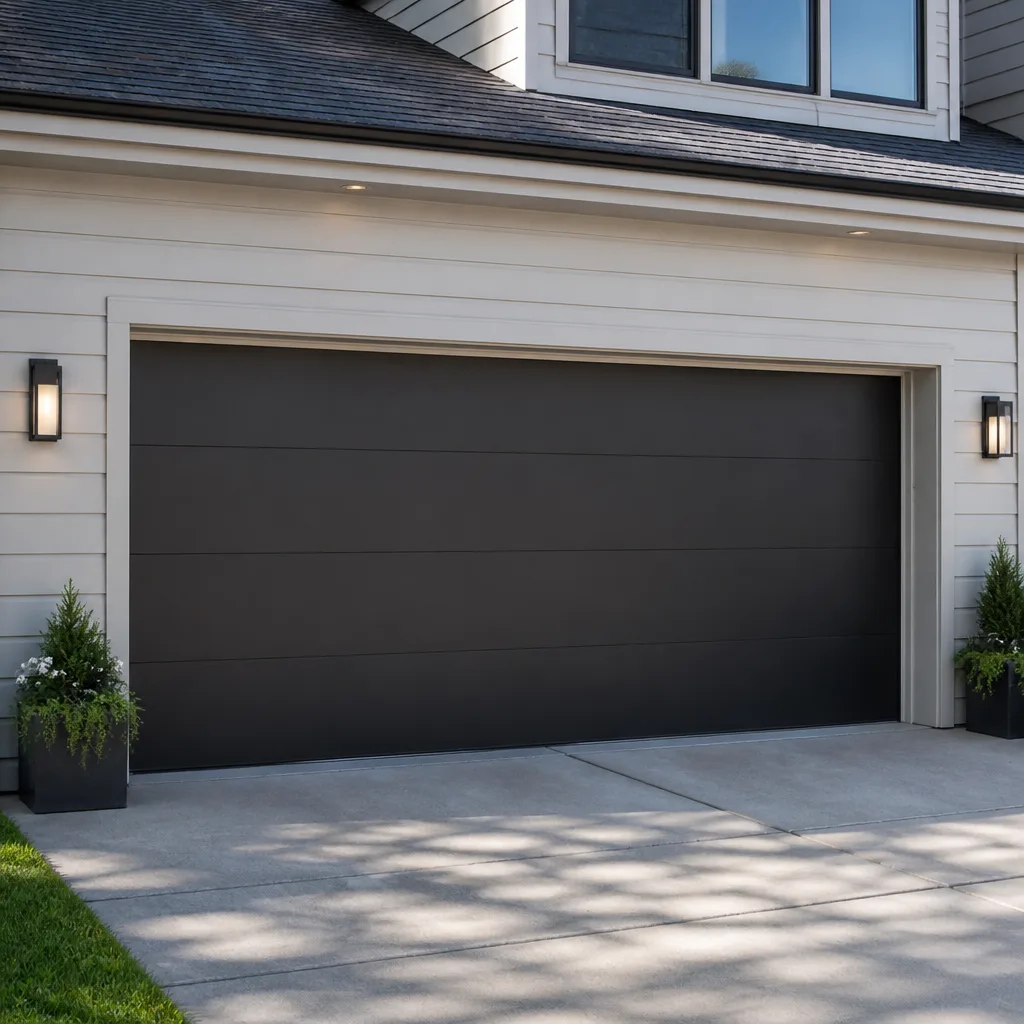 Modern flush
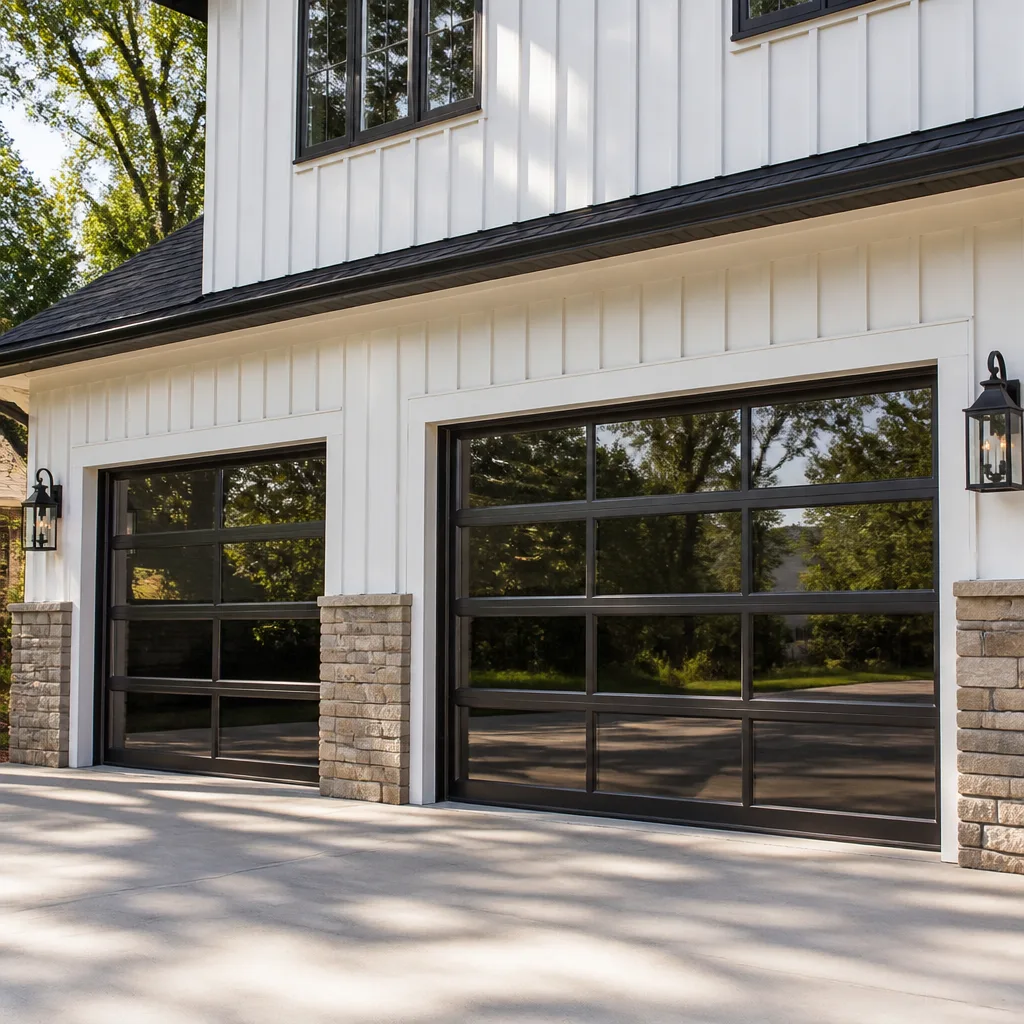 Full-view glass
 LiftMaster openers
 Chamberlain openers
Full 25-point door and opener safety check with every visit - springs, cables, rollers, tracks, and your LiftMaster or Chamberlain opener included
You get a price before we start. It does not change when the pro arrives.
Get your free estimateSeasonal Garage Door Care for North Las Vegas: Year-Round Homeowner’s Guide
The deadliest month for garage door springs in North Las Vegas isn’t January. It’s late September, when overnight temperatures fall 30 degrees from the summer high and metal that’s been expanded for four straight months suddenly contracts. We replace more springs in October than in any other month of the year. Yet most homeowners around here follow maintenance advice written for Ohio, and it shows: snapped springs in fall, cracked bottom seals after the first monsoon, and openers that quit in July because nobody checked them in April. This guide maps the real North Las Vegas weather calendar to the maintenance tasks that actually matter, month by seasonal month, so you’re not guessing.
Quick Answer
Garage door care in North Las Vegas follows four stress periods, not four traditional seasons: pre-summer heat prep in April, monsoon readiness in July, the critical late-September contraction window when springs are most likely to snap, and a light winter check in December. The single highest-value task is a 20-minute spring and hardware inspection each fall, which prevents the majority of emergency calls we see.
Styles & brands we work with
- Raised-panel steel
- Carriage house
- Modern flush
- Full-view glass
- LiftMaster openers
- Chamberlain openers
Table of Contents
- Why North Las Vegas Breaks the Standard Seasonal Playbook
- The April Window: Pre-Summer Heat Prep
- Monsoon Readiness in July: Seals, Weather Stripping, and Drainage
- Late September: The Deadliest Month for Springs
- Winter Prep Reality Check
- The 20-Minute Annual Task That Prevents Most Breakdowns
- Common Mistakes to Avoid
- When to Call a Professional
Why North Las Vegas Breaks the Standard Seasonal Playbook
North Las Vegas sits in the Mojave, and the garage door on your house lives through a very different year than the one in a Cleveland maintenance guide. Our summers hold above 105 degrees for weeks, with garage interiors climbing far higher when the door faces west and sits closed all afternoon. Then the overnight swings arrive: a 30-degree plunge in fall, plenty of 25-degree swings even in spring. Metal and torsion springs don’t care about the average temperature. They care about the range, and ours is brutal.
That range is why the seasonal advice you’ll find online mostly misses. Cold-climate guides obsess over freezing and salt. We have neither in any meaningful quantity. What we do have is thermal expansion and contraction repeated hundreds of times a year, dry air that dries out seals and lubricant, and a monsoon season that dumps a year of rain into a few violent weeks. In our experience, a door in the Aliante or Eldorado neighborhoods needs a different care rhythm than one in a colder climate, and it needs it more often than most homeowners expect.
Add in the dust. Wind-blown grit works its way into rollers, hinges, and tracks all summer, and it acts like sandpaper on anything that moves. That’s the backdrop for everything below. If you want the bigger picture on how we handle repairs in this climate, our Garage Door Repair in North Las Vegas page covers the common failure points in detail.
The April Window: Pre-Summer Heat Prep
April is the last comfortable month before the door sits in 115-degree heat for four months straight. What you check now determines whether it survives to October. The goal is to catch the small things before the heat turns them into failures, because a misaligned track or a dry hinge in April becomes a stuck door in August.
Work through this list before the first real hot spell:
- Test the door balance. Disconnect the opener (pull the release cord) and lift the door halfway by hand. It should hold there. If it drifts down or slams up, the springs are out of balance and the opener is about to start working overtime in the worst heat.
- Look at the rollers. Worn steel rollers flat-spot and get noisy. Nylon rollers hold up better in heat. Spin each one by hand and listen for grinding.
- Check the weather seal along the bottom. Press it with your thumb. If it’s hard, cracked, or leaves gaps at the corners, summer heat will finish it off.
- Lubricate hinges, rollers, and the spring. A proper garage door lubricant (not WD-40) keeps metal from binding. Dry desert air pulls moisture out of everything, so this matters more here than back East.
- Clear the tracks. Wipe out the grit that collected over the winter and spring. Don’t grease the tracks. Grease plus dust equals a sticky mess.
One more April note specific to North Las Vegas: if your door faces west, the afternoon sun can push the surface temperature high enough to warp a cheap or old door panel over a few summers. Running the door up and down once a week spreads the wear and keeps the mechanism loose. If your panels are already showing sag or separation, that’s a sign the door itself is on borrowed time, and our Garage Door Installation in North Las Vegas page explains what to look for.
Monsoon Readiness in July: Seals, Weather Stripping, and Drainage
Monsoon season in North Las Vegas runs roughly July through September, and it doesn’t arrive gently. Wind-blown rain hits the door face at an angle, and that’s where most water gets in. By July, seals that baked all spring are brittle, so the rain finds every gap. The prep work here is about keeping water and dust out of a space that was built to stay dry.
What actually needs attention before the storms:
- The bottom seal. A flat, cracked seal lets rain run under the door and pool on the garage floor. That’s how you get a wet slab, rusted door hardware at the base, and eventually dry rot in the lower panel. Replace a hardened seal before July, not after the first flood.
- The perimeter weather stripping. The rubber or vinyl strips along the sides and top shrink and pull away in desert heat. Rain driven sideways gets past them easily.
- The garage floor slope. Most North Las Vegas homes don’t have a floor drain. The slab is supposed to slope toward the door so water drains out. If yours has settled or cracked and now slopes inward, no seal in the world will keep it dry. This is a real problem in older pockets of the city where slabs have moved over the years.
- The opener and wall button. Power surges come with monsoon lightning. A surge protector on the opener outlet is cheap insurance.
If water has been getting in and the opener is acting up (reversing for no reason, or the light flickering), moisture in the unit is a common cause. Details on diagnosing that are on our Garage Door Opener Repair & Installation in North Las Vegas page.
Late September: The Deadliest Month for Springs
Here’s the counterintuitive part. Springs don’t snap in the cold. They snap when the cold arrives, and here that means late September and October. All summer the torsion springs and cables have been running hot and expanded. When overnight lows drop 30 degrees in a matter of days, the metal contracts fast. And if a spring has been quietly losing tension for months, the contraction is the final straw.
A torsion spring has a finite number of cycles, and a standard spring is typically rated for somewhere around 10,000 cycles. A family that opens and closes the door four times a day burns through thousands of cycles a year without thinking about it. We count cycles the way you count tire miles, and by September a lot of North Las Vegas doors are near the end of theirs.
What to do in this window:
- Listen. A twang, a pop, or a door that suddenly gets heavy are all signs the spring is close to failing.
- Look at the spring gap. If you can see a visible gap in the coil, the spring has broken. Don’t run the door. Don’t try to fix it yourself.
- Watch the lift. If the opener strains or the door barely lifts, stop using it and get it looked at before the next cold snap finishes the job.
- Check cables for fraying at the bottom corners.
A word of hard-earned caution: torsion springs and the cables under tension are genuinely dangerous. A door is 200 pounds riding on two springs. A wound torsion spring can release with enough force to cause serious injury, and this is not a job for a homeowner with a YouTube video. If you suspect a spring is failing, call someone trained to handle it.
Winter Prep Reality Check
Most “winter garage door prep” articles are written for places that freeze. North Las Vegas winters are mild, with daytime temps usually pleasant and only occasional overnight dips to freezing. So let’s separate what actually matters here from advice that doesn’t apply.
What matters in a North Las Vegas winter:
- Undo the summer damage. Winter is the calm window to repair what the hot season wore out: worn rollers, a stretched belt, seal damage from monsoon season. Get it done before spring.
- Re-lubricate. The dry air of fall and winter pulls lubricant off moving parts. A quick lube in November or December keeps things smooth through the calm months.
- Check the door balance again after the fall temperature swings. A door that balanced fine in August may not in December.
- Confirm the safety reverse works. Place a roll of paper towels under the door and lower it. The door should reverse on contact. Do this any time the door has been acting up or after any adjustment.
What you can ignore: salt corrosion, frozen tracks, and the snow-shoveling advice that gets recycled onto every site. None of it applies to a garage door in North Las Vegas, and spending time on it just distracts from the things that do.
The 20-Minute Annual Task That Prevents Most Breakdowns
If you do only one thing all year, do this in late September: a 20-minute walk-around inspection of the moving parts. In our experience, it catches the vast majority of the failures we get called out for, because most emergency calls aren’t random. They’re the result of something that was wearing out and nobody looked.
Here’s the checklist, in order:
- Disconnect the opener and balance-test the door by hand. It should lift easily and hold at halfway. A heavy door or one that won’t stay put means spring trouble.
- Inspect the springs. Look for gaps, rust, or a stretched coil. Don’t touch a wound torsion spring. Just look.
- Check the cables. Look for fraying, kinks, or slack at the bottom corners.
- Spin the rollers and wiggle the hinges. Grinding or wobble means wear.
- Run a finger along the bottom seal. Hard, cracked, or gappy means replace it before monsoon or heat.
- Test the safety reverse. Paper-towel roll under the door. It should stop and go back up.
- Look at the tracks. They should be straight and clear. Bends cause the door to bind.
Twenty minutes, twice a year if you’re diligent, once a year if you’re realistic. That’s the whole program. If the walk-around turns up something you’re not comfortable with, that’s exactly what a free second opinion is for. If your door uses a specific brand like Amarr, Wayne Dalton, or Raynor, we know those mechanisms and can tell you on the phone what’s likely going on.
See the difference
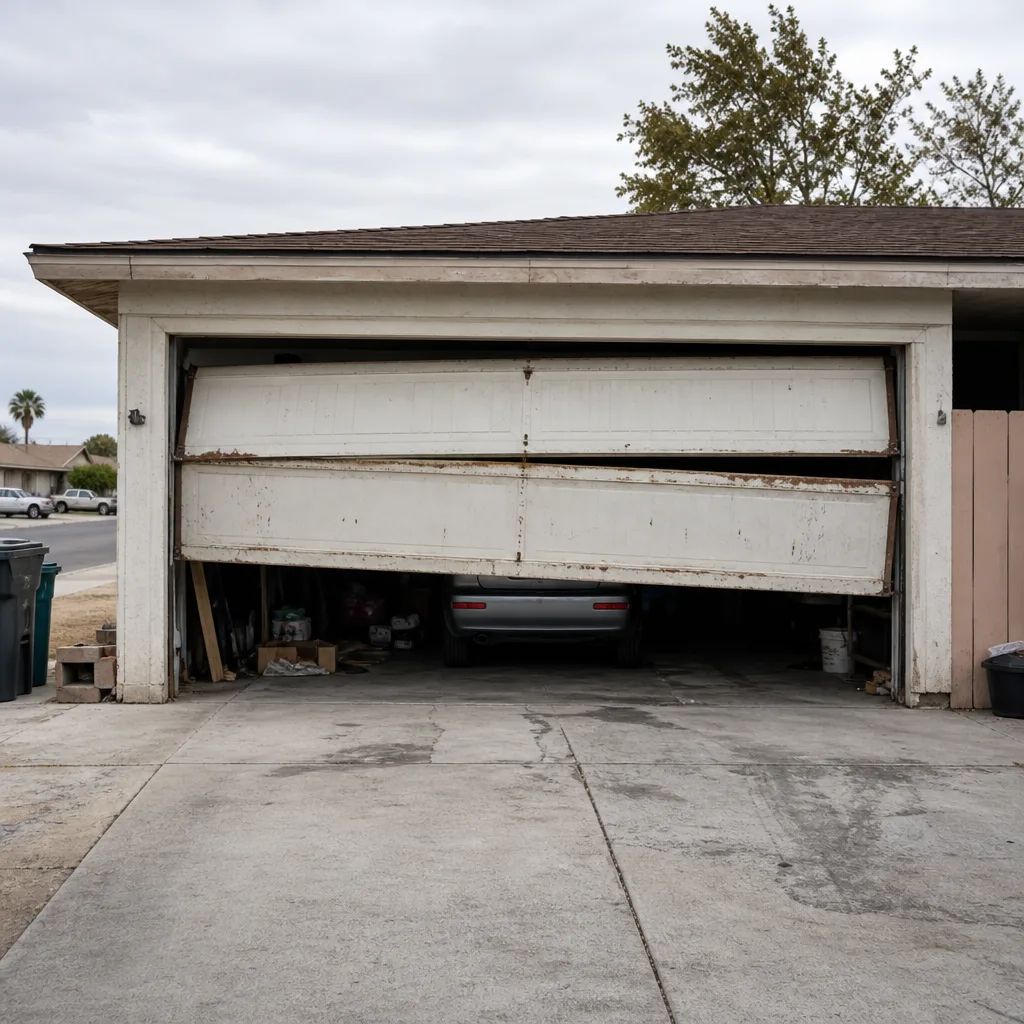 Before
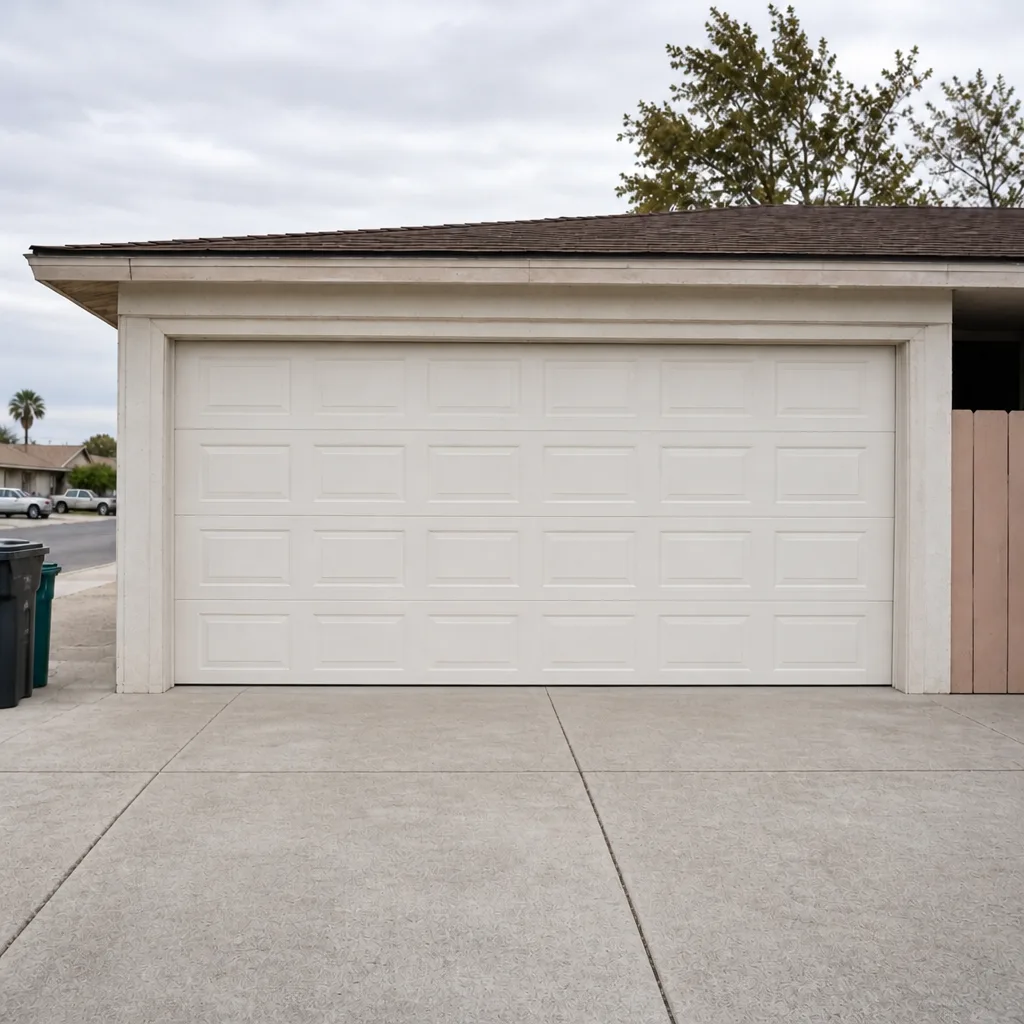 After
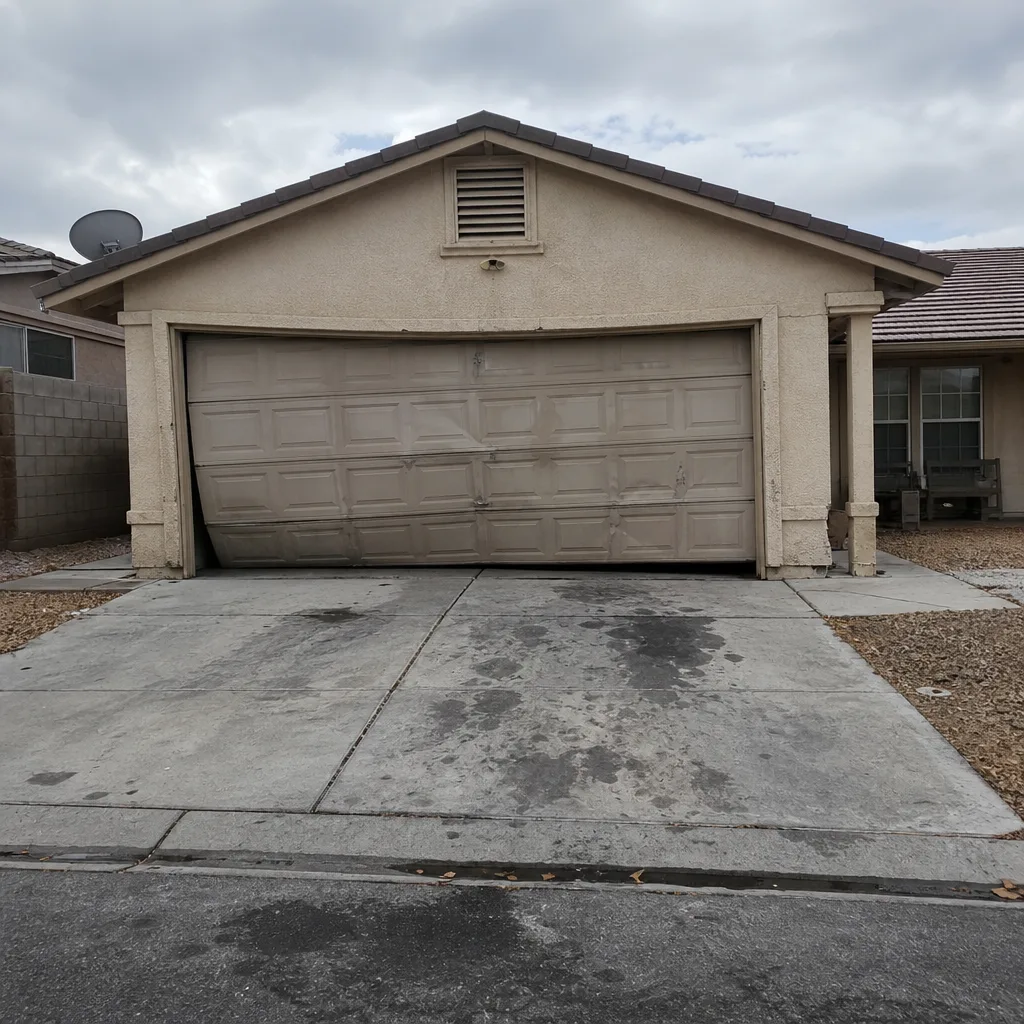 Before
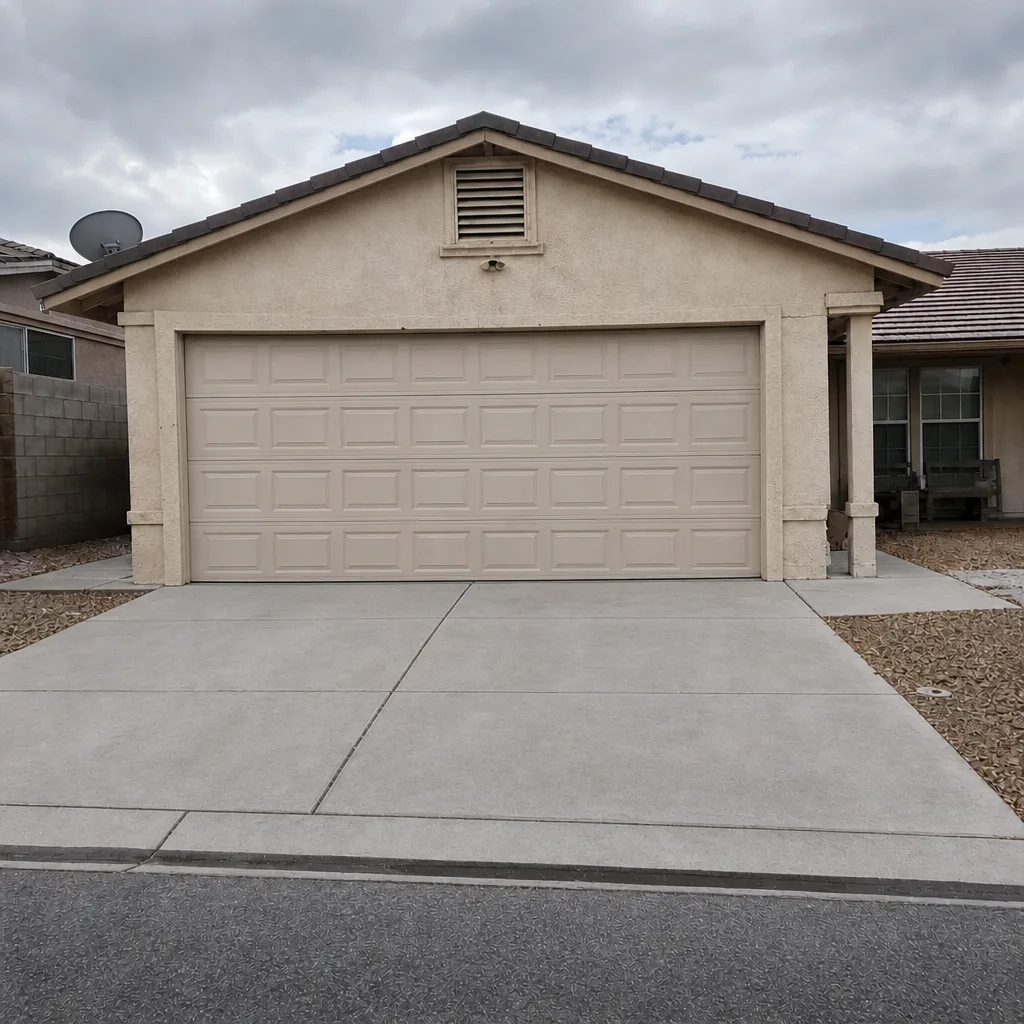 After
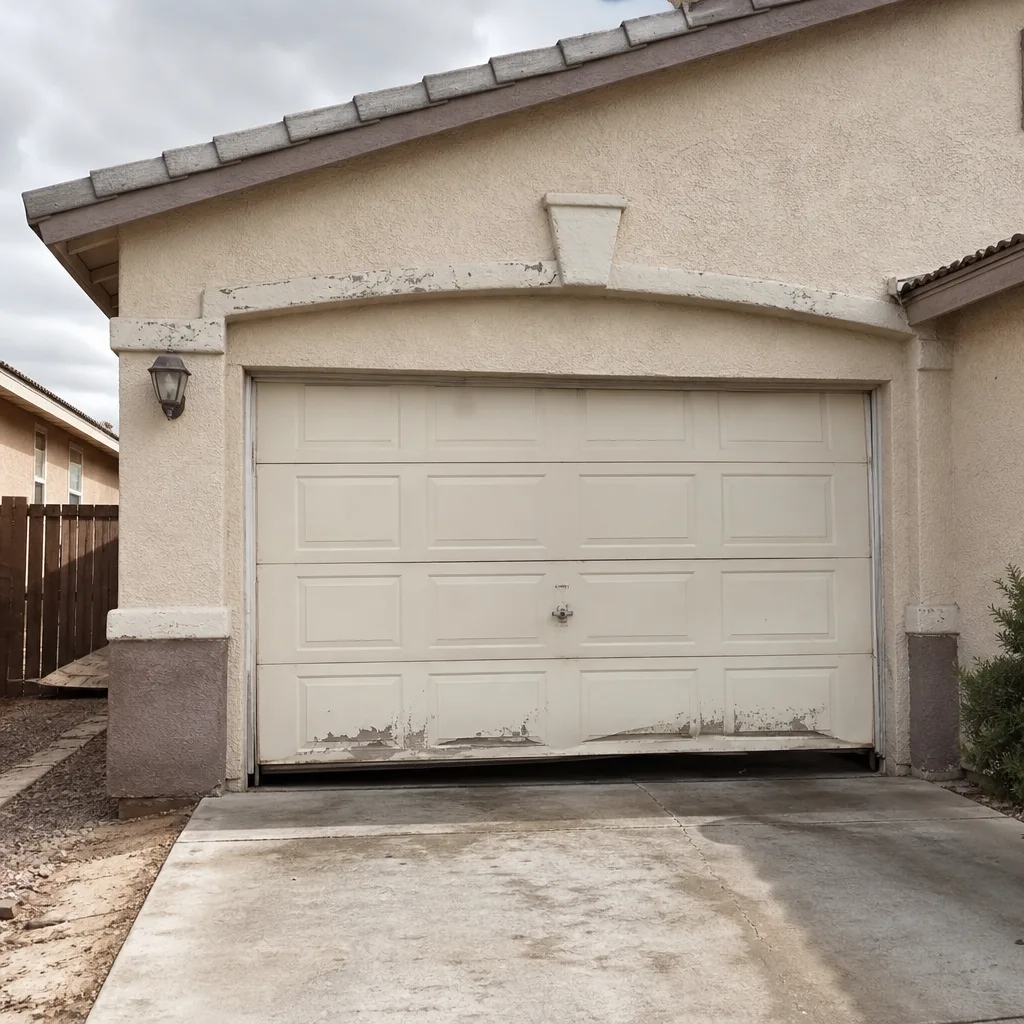 Before
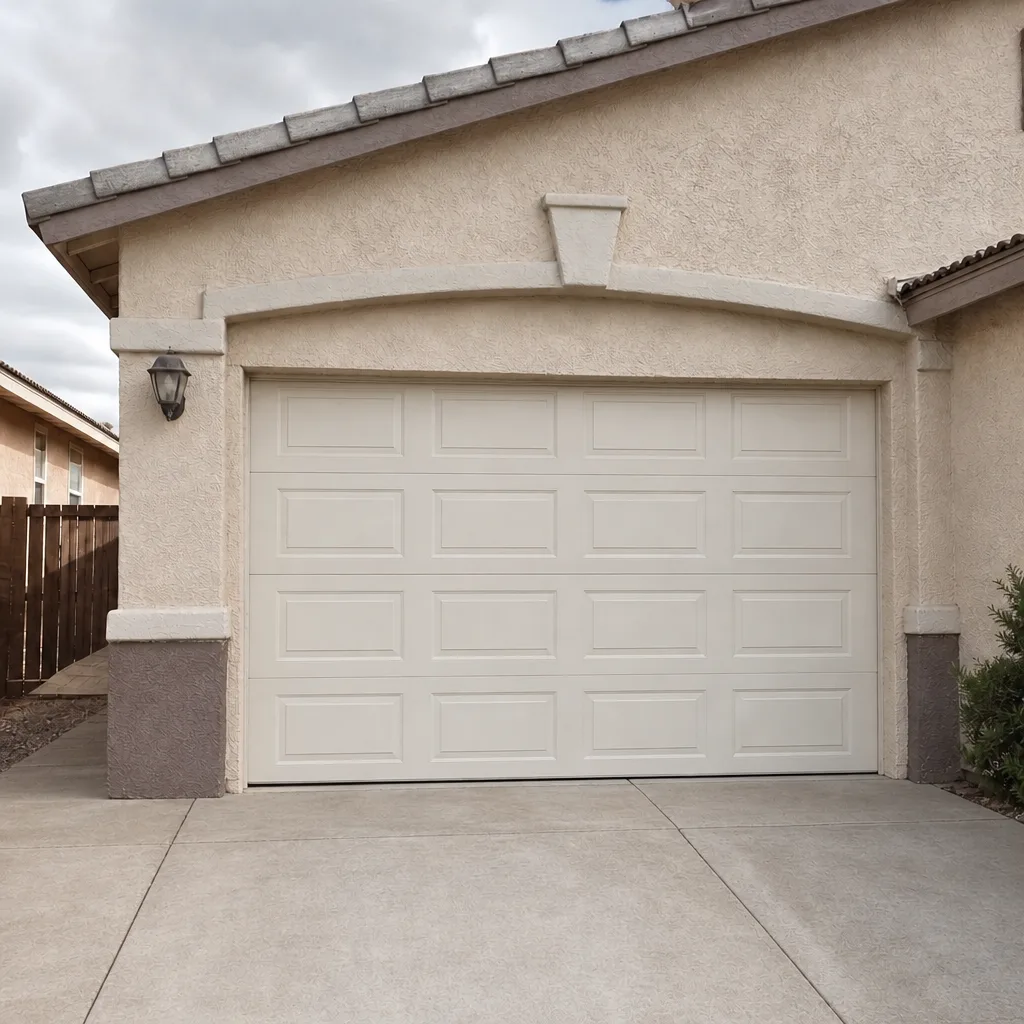 After
Common Mistakes to Avoid
- Following cold-climate advice. Your garage door doesn’t need salt protection or anti-freeze prep. Spending effort on winter tasks that don’t apply means skipping the fall contraction check, which is the one that matters most in North Las Vegas.
- Greasing the tracks. Grease collects our desert dust and turns the track into sandpaper. Clean the tracks; lubricate the moving parts, not the rails.
- Ignoring a noisy door. Noise is wear announcing itself. A grinding roller in May is a stuck door in August.
- Running a door with a broken spring. Once a spring is gone, the opener is lifting the full 200 pounds alone. You’ll burn out the opener and risk the door coming down crooked. Stop and call.
- DIY-ing a torsion spring. This is the mistake that puts people in the hospital. Springs store enormous energy, and the wind-up tools require training. The money you save isn’t worth the risk.
- Skipping the pre-summer check because the door “seems fine.” Doors fail under load, and the load lands in July. April is when you catch it.
- Assuming a floor drain exists. Most North Las Vegas garages don’t have one, so monsoon water has nowhere to go. Check the slab slope before the storms, not during them.
When to Call a Professional
Call us when a spring has visibly snapped, when the door won’t lift or won’t stay up, when a cable is frayed or slack, or when the opener strains against a heavy door. Those are the situations where a trained hand matters, and a failing torsion spring is dangerous enough that it isn’t worth testing your luck. Call us too if the fall inspection turns up worn rollers, a bad seal, or a track that’s bent, because those are quick fixes that keep the door going. In North Las Vegas, we offer free estimates and no trip charge inside the county. You can call (866) 347-9495, and a live person answers around the clock.
Frequently Asked Questions
Late September and October, when overnight temperatures drop sharply and metal that’s been expanded all summer suddenly contracts. That contraction finishes off springs that were already near the end of their cycle count. A fall inspection in late September catches it before it snaps.
Only lightly. Our winters are mild, so skip the cold-climate advice about freezing and salt. Instead, use winter as the calm window to repair summer wear, re-lubricate the moving parts, and recheck the door balance after the fall swings.
Twice a year is a good baseline: once in April before the heat and once in late fall. The dry desert air pulls lubricant off hinges, rollers, and springs faster than in humid climates, so twice a year keeps everything moving well.
The bottom seal, the perimeter weather stripping, and the garage floor slope. Most North Las Vegas homes don’t have a floor drain, so the slab needs to slope toward the door. A hardened or gappy seal lets wind-driven rain straight into the garage.
No. Torsion springs store enough energy to cause serious injury when they release, and winding them requires specialized tools and training. Leave spring and cable work to a trained technician. For everything else on the checklist, a homeowner can handle it.
Yes. We offer a free second opinion on any written estimate, and there’s no trip charge inside the county. If another shop quoted you a full spring replacement, call us and we’ll take an honest look before you commit.
The Bottom Line
North Las Vegas doesn’t hand you four neat seasons, so the maintenance advice written for colder places misses the point. What matters here is the temperature swing: the April window before the heat, the July monsoon prep, and above all the late-September contraction that snaps more springs than any winter ever will. Do the 20-minute inspection each fall, keep the moving parts lubricated, watch your seals, and leave spring and cable work to a trained hand. Nobody can prevent every failure, but that routine stops most of them from taking you by surprise. If you’d rather have someone check it for you, we’re a phone call away. For a free estimate, call (866) 347-9495 and we’ll tell you straight what your door needs.
Start with our Otto’s Garage Door North Las Vegas home page to see how we work, and when you’re ready, call us or request a free estimate. Every price is quoted before the visit and agreed before any work starts.
Written by the team at Otto’s Garage Door North Las Vegas.