
Last updated November 18, 2026
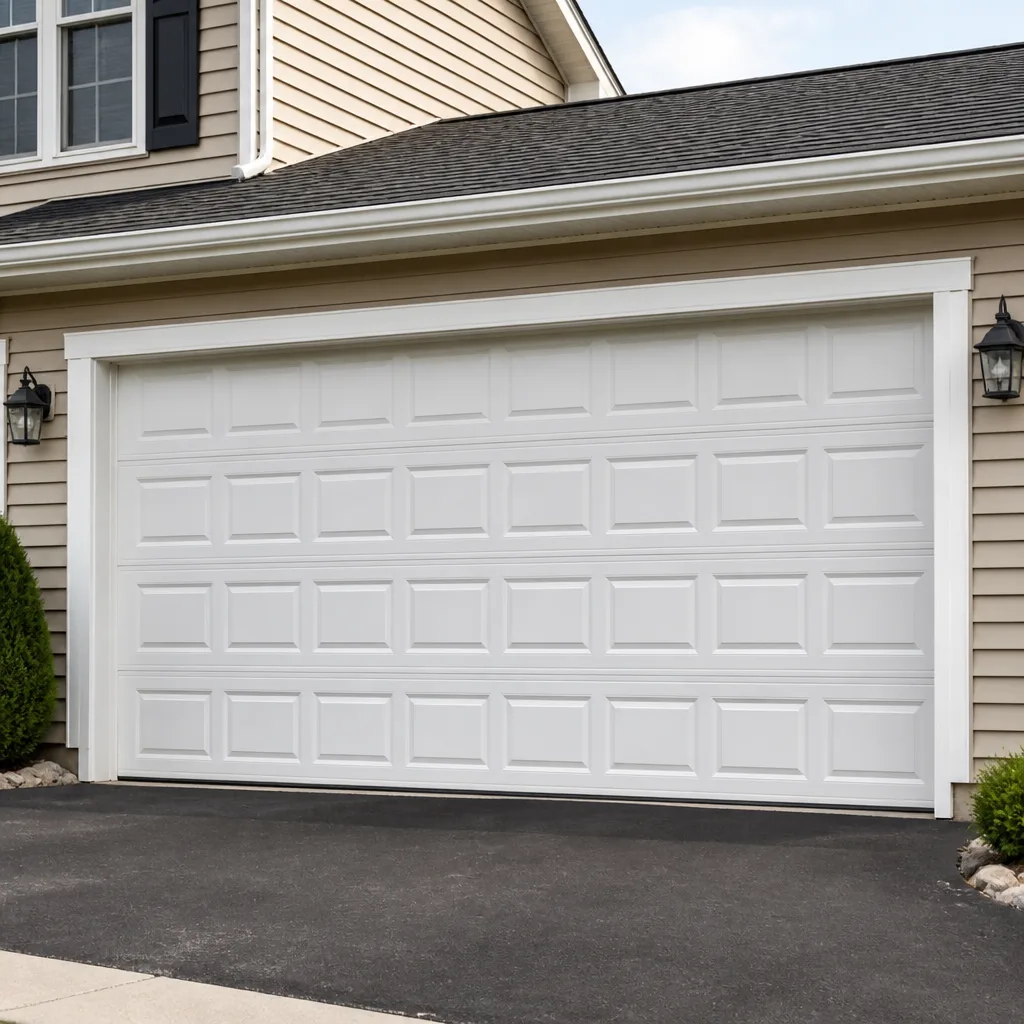 Raised-panel steel
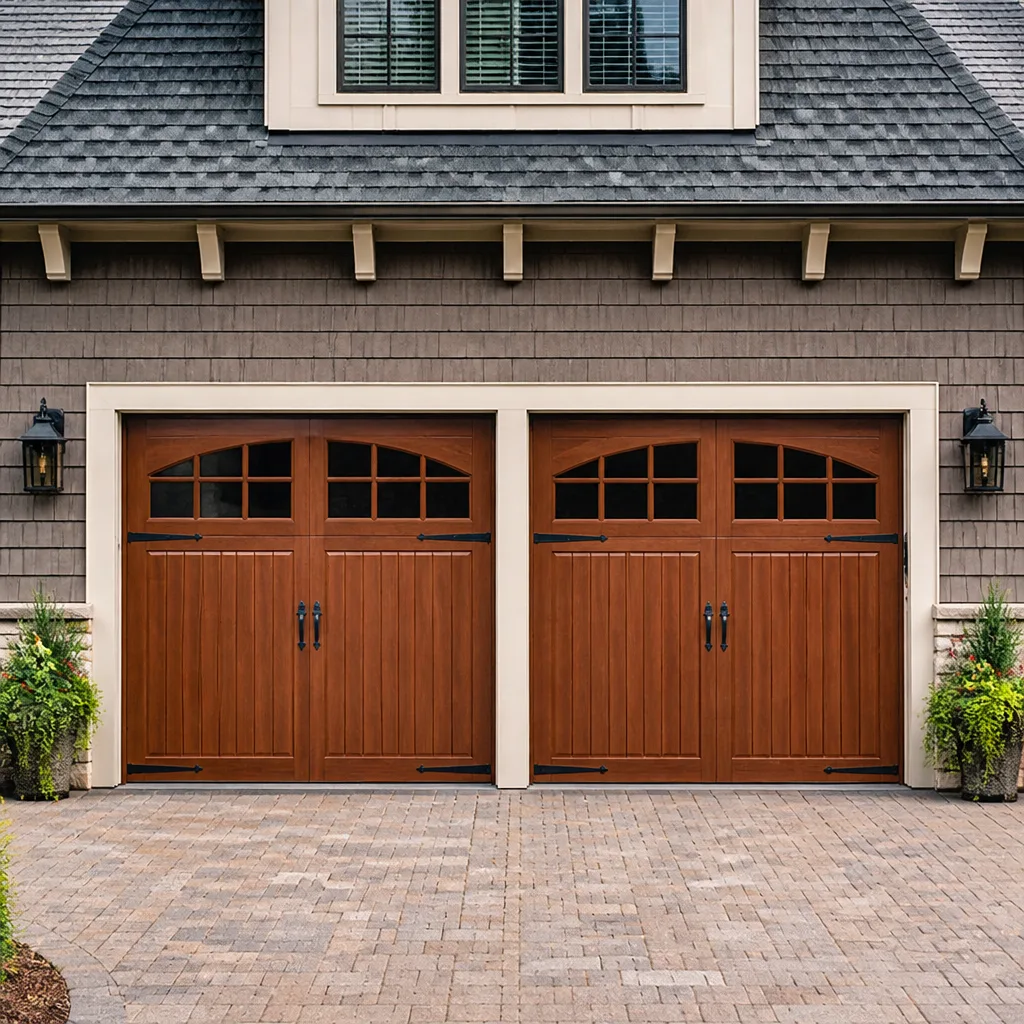 Carriage house
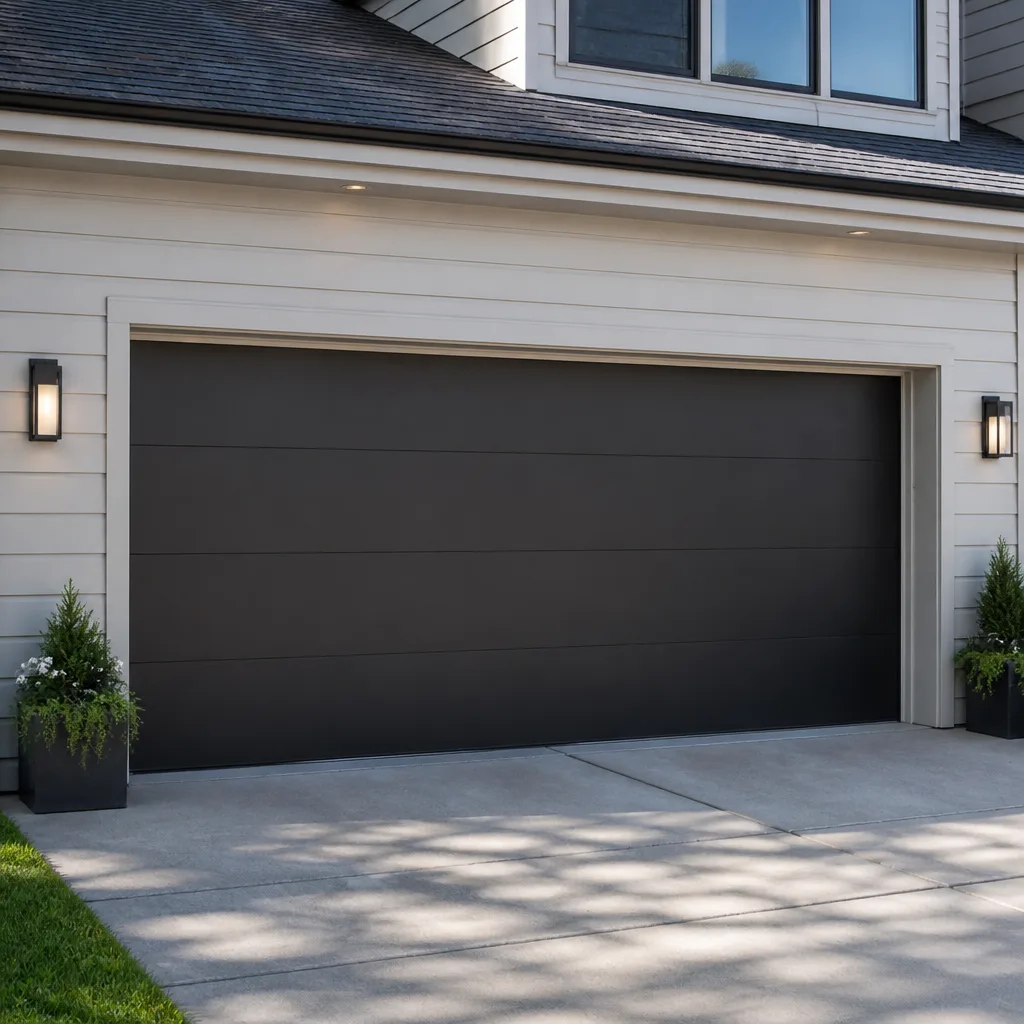 Modern flush
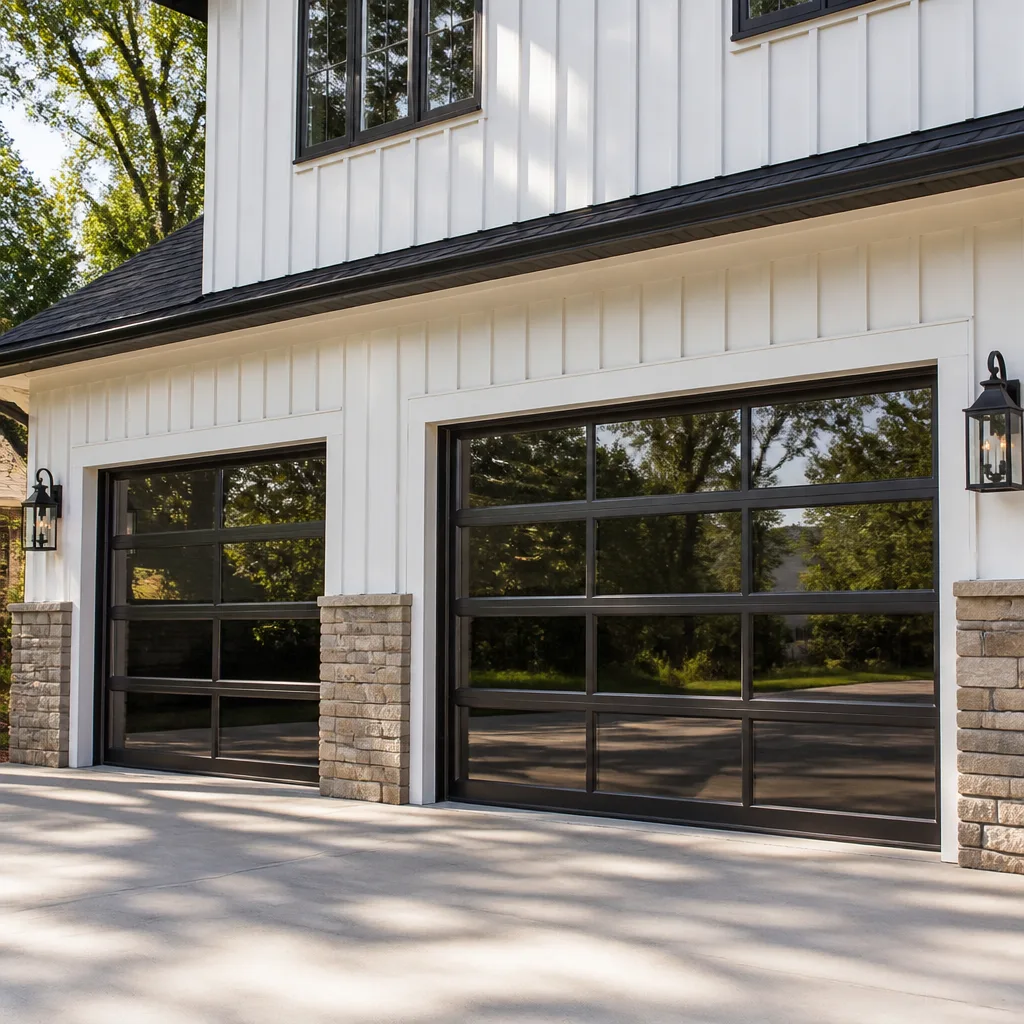 Full-view glass
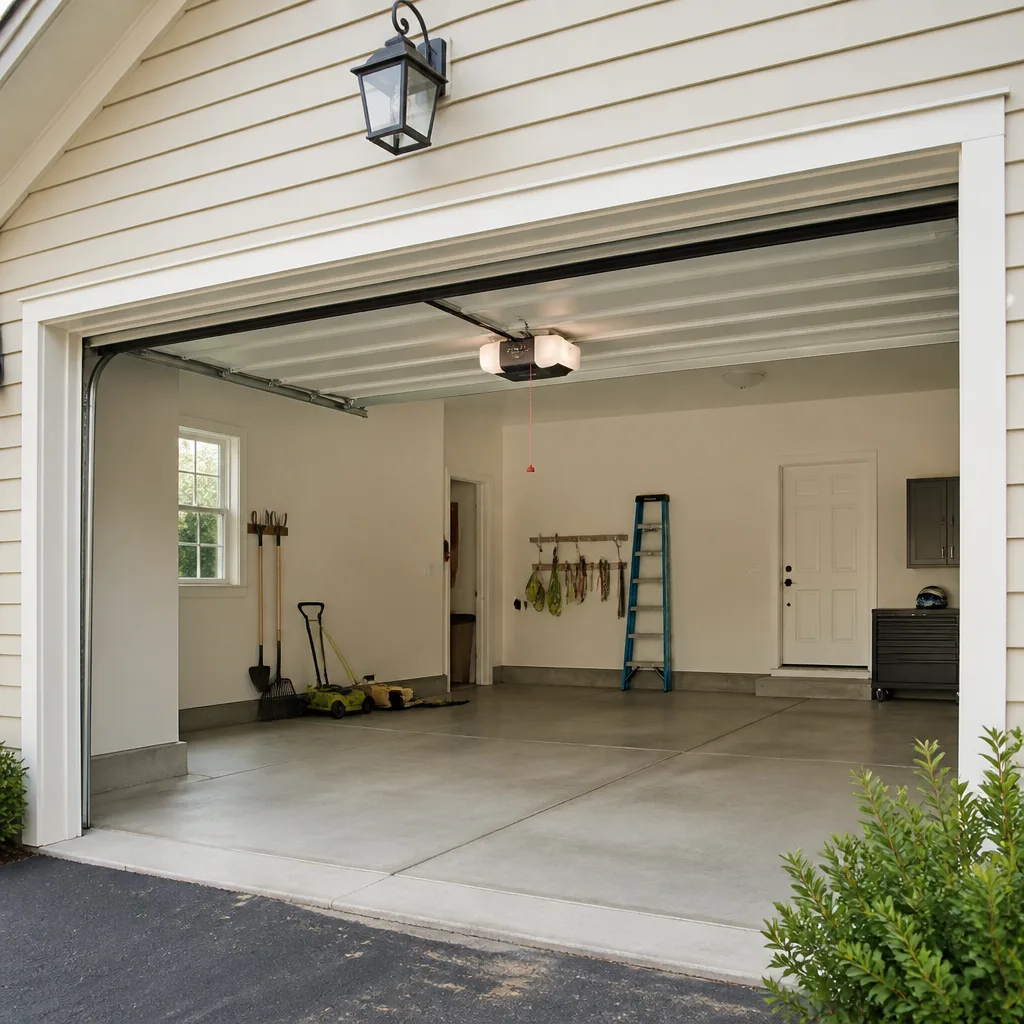 LiftMaster openers
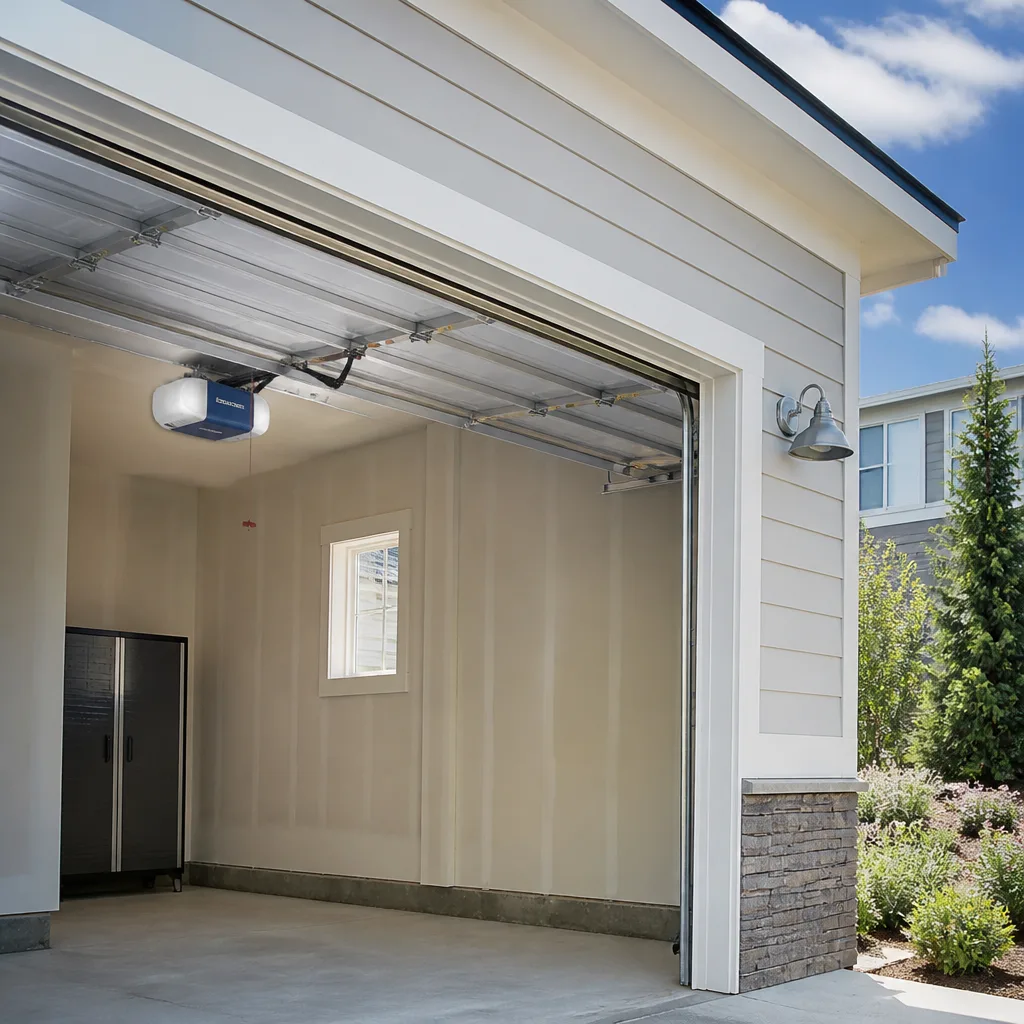 Chamberlain openers
Full 25-point door and opener safety check with every visit - springs, cables, rollers, tracks, and your LiftMaster or Chamberlain opener included
You get a price before we start. It does not change when the pro arrives.
Get your free estimateGarage Door Installation Troubleshooting: Common Problems and How to Fix Them
The number-one complaint we hear after a new door goes up isn’t a snapped spring or a dead opener. It’s a door that rubs the stop molding on one side. And nine times out of ten, that rub traces back to a measurement taken two steps earlier – at the floor, instead of at the narrowest point of the opening. In an older North Las Vegas slab, those two numbers are rarely the same. Concrete settles, slabs heave, and what looks square from the driveway isn’t square at all. This guide walks through the problems that show up before and after installation, why they happen, and what actually fixes them.
Styles & brands we work with
- Raised-panel steel
- Carriage house
- Modern flush
- Full-view glass
- LiftMaster openers
- Chamberlain openers
Quick Answer
Most garage door installation problems come from measurement and prep errors, not bad hardware. A door that binds, rubs, or leaves an uneven gap was usually measured wrong, hung on old tracks, or paired with an opener that can’t lift its weight. Catching the three critical dimensions – width, height, and diagonal – before the door is ordered prevents the expensive fixes later.
Table of Contents
- The Measurement Errors That Cause Most Problems
- Why New Doors on Old Tracks Always Bind
- Diagnosing the Uneven Bottom Gap
- Opener Compatibility Failures After Installation
- High-Wind Doors and the Weight Nobody Accounted For
- The Post-Installation Checklist Before You Sign Off
- Common Mistakes to Avoid
- When to Call a Professional
The Measurement Errors That Cause Most Problems
Here’s the thing about a garage door: it’s a 200-pound slab riding on two springs and a track, and it has almost no tolerance for a rough opening that isn’t true. The three dimensions that matter most – width, height, and the diagonal cross-measurement – each has to be checked independently, and each has to be checked in more than one spot. A rough opening can be square and still be out of level. It can be level and still be out of plumb. If you only check one, you’ll miss the others.
What we see in North Las Vegas is slab movement working against older homes. A lot of the housing stock out here went up fast in the 1990s and 2000s, and concrete does what concrete does over twenty-plus years in desert heat. The floor at the opening is seldom flat across its full width. If the installer measures width at the floor and height at one side and calls it good, the door arrives sized for a rectangle that doesn’t exist.
Three measurements have to be taken and confirmed:
- Width – measured at the top, middle, and bottom of the opening. The door has to clear the tightest of the three, not the widest.
- Height – measured at both sides and the center. Same rule: the shortest number wins, because a door that’s too tall won’t close.
- Diagonal – corner to corner, both ways. If the two diagonals don’t match within about a quarter inch, the opening is out of square and the door will bind on one side no matter how carefully it’s hung.
Catching this before the door is ordered is cheap. Catching it after is not. A door built to the wrong dimension is a custom reorder, a second wait, and a second installation. That’s the baked-in expense our thesis is about: the problem was created at the tape measure, not at the track.
Why New Doors on Old Tracks Always Bind
Reusing the old tracks to save a few hundred dollars is the single most common corner we see cut, and it almost never works out. Tracks wear. The vertical curve at the top of the radius flattens slightly over the years. The horizontal sections sag under their own weight and the weight of the door. Rollers ride in grooves that have developed a memory of the old door’s exact path. A brand-new door, hung perfectly straight, has to follow that worn path – and it won’t.
What happens next is predictable. The door moves a few inches up and then catches. One side travels faster than the other. The panels rack slightly, and the gap between the door and the jamb opens up on one side and closes on the other. Homeowners sometimes describe it as the door “jumping” or “walking.” That’s the rollers fighting a track that’s no longer straight.
The fix is almost always to replace the tracks and rollers with the door. The hardware cost is small compared to the labor of pulling everything back apart later. In our experience, a North Las Vegas homeowner who tries to save on tracks ends up paying for the install twice. When you’re pricing new door work, ask specifically whether the quote includes new vertical and horizontal tracks and new rollers. If it doesn’t, ask why.
One more note on this: the springs have to match the new door’s weight, not the old door’s. A door that’s heavier than the springs were sized for will feel fine on day one and bind within a month as the springs lose their lift. Getting the weight-and-spring math right at install is the whole game.
Diagnosing the Uneven Bottom Gap
An uneven gap at the bottom of a closed door is the problem homeowners notice first, because it’s the one they can see from the driveway. There are two completely different causes, and diagnosing which one you have changes the fix entirely. Get it wrong and you’ll spend money adjusting spring tension when the real issue is the floor.
If the gap follows the floor, it’s the floor. Grab a level or a straightedge and lay it across the opening at floor level. If the slab dips or rises across the width of the door, the bottom seal can’t bridge it no matter how the door is adjusted. In older North Las Vegas garages, a slab that has settled or heaved over the years is common. The fix here is either a bottom seal that’s thick enough to take up the gap, or a retrofit threshold strip that brings the floor to a consistent height.
If the gap doesn’t follow the floor, it’s the door. That means the door isn’t sitting level in its tracks – usually because one spring is carrying more of the load than the other, or one side’s cable has stretched or slipped. The tell is that the gap stays roughly the same shape when you close the door on a different part of the floor. That’s a tension problem, and on a torsion-spring door it’s a professional job.
Here’s where we have to be blunt: garage door springs and cables are under extreme tension, and a torsion spring can cause serious injury if it releases while you’re working on it. A door is 200 pounds riding on two springs. Respect it. If the diagnosis points to spring tension or cable adjustment, stop and call someone trained to work on it.
Opener Compatibility Failures After Installation
The opener is usually the last thing anyone thinks about, and it’s the most common post-installation failure. When the opener is straining, the problem is almost never the opener. It’s that the new door is heavier than the opener was ever rated to lift. Openers have a rated lift capacity, and a door that’s heavier than that number – even by a little – will drag the opener’s motor down over time.
What this looks like in practice:
- The door reverses partway up on warm days, when the tracks expand slightly.
- The opener motor is hot to the touch after a few cycles and gets louder.
- The door won’t fully close on the first press and needs a second or third.
- The safety reverse test fails, or the force-adjustment dial ends up maxed out to make the door move at all.
Cranking the force adjustment to maximum to make it work is the wrong move. It forces the opener to work harder than it was built to, shortens its life, and defeats the safety reverse – which is the feature that protects a child or pet under the door. The right answer is either an opener rated for the new door’s weight or a door that’s sized to work with a properly rated opener. If you’ve just had a door installed and the opener is doing any of the four things above, that’s a mismatch, not a wear issue.
We see this most often when a homeowner upgrades from a builder-grade door to a heavier insulated model and keeps the original opener. Brand matters less than the rated lift capacity, but the compatibility list matters too – a new opener has to work with the door’s safety sensors and the existing wiring. LiftMaster and Chamberlain both publish the lift ratings, and it’s worth asking before the opener goes in.
High-Wind Doors and the Weight Nobody Accounted For
North Las Vegas sits in a wind zone, and doors installed here need to be rated for it. A high-wind-rated door is reinforced – heavier panels, deeper struts, a stiffer track – and that reinforcement adds weight. That’s the part homeowners and even some installers miss: the same door that passed wind-load engineering is now carrying more mass on the same springs and opener.
When the door is installed but the springs and opener weren’t sized for the wind-rated weight, you get the same set of symptoms we covered above, just faster. The door sags a little within weeks. The opener struggles. The door doesn’t sit flush when closed. The hardware was correct, but the support hardware was undersized for it.
Two things to confirm on a wind-rated install in North Las Vegas:
- The spring was sized to the actual weight of the delivered door, not the catalog weight. A high-wind door weighs more than its standard counterpart, and the spring has to match what was actually delivered.
- The opener’s rated lift capacity exceeds the door’s weight with margin, not equal to it. Equal-to is not enough once you factor in friction and the extra effort on cold mornings.
We count spring cycles the way you count tire miles. A spring sized correctly for a wind-rated door will give you years of service. A spring sized for the standard door and then asked to lift the wind-rated one is tired before it’s a year old. Ask for the door’s weight in writing before the springs get spec’d.
The Post-Installation Checklist Before You Sign Off
The installer should run this checklist before he leaves, and you should watch him run it. If any item fails, don’t sign until it’s fixed. A door that binds on the first open is a door that was hung wrong, and a door that’s hung wrong gets worse, not better.
Here’s what to verify, in order:
- The door opens and closes smoothly, by hand, with the opener disconnected. If you can’t lift it by hand with reasonable effort, the springs aren’t balanced and the opener will do all the work – and fail.
- The door sits level in the opening. Stand back and look at the gap along both sides and the top. An even gap all the way around means the door is square in the tracks.
- The bottom seal touches the floor evenly. No daylight under one corner, no crushing at the other. If there’s a gap, the installer should address it before he leaves.
- The safety reverse test passes. Put a 2×4 flat on the floor under the closing door. The door should stop and reverse on contact. If it doesn’t, stop – the opener’s force adjustment is wrong.
- The photo-eye sensors are aligned and working. Break the beam with your hand while the door closes. It should reverse. Try it twice.
- The manual release works from inside. Pull the red cord with the door closed. It should disengage the opener cleanly, every time.
- All the bolts are tight and the tracks are straight. Run a hand along the vertical track. A wobble means a loose lag screw or a bracket that wasn’t shimmed properly.
- You’ve been given the door’s weight, spring spec, and opener’s rated lift in writing. If the door ever needs service, the next person needs those numbers.
Signing off is the last chance to get something fixed without your wallet getting involved. Take the ten minutes and run the list. A reputable installer will expect it.
Common Mistakes to Avoid
- Measuring width at the floor only. In a North Las Vegas slab that’s settled, the floor is the widest point, not the narrowest. Measure at top, middle, and bottom, and size the door to the tightest.
- Reusing old tracks to save money. Worn tracks will bind a new door within weeks. Replace the vertical and horizontal tracks and rollers with the door, every time.
- Keeping the old opener on a heavier door. A high-wind-rated or insulated door weighs more than what the opener was rated for. Match the opener’s lift capacity to the door’s actual weight with margin.
- Cranking the force adjustment to make it work. If the door needs the force dial maxed out to move, that’s a signal something’s wrong, not a fix. It defeats the safety reverse and burns out the motor.
- Ignoring the diagonal measurement. A rough opening can be level and plumb and still be out of square. Cross-measure corner to corner; if the diagonals differ by more than about a quarter inch, the opening needs correction before the door is ordered.
- Adjusting spring tension to fix a floor gap. If the gap follows the floor’s contour, it’s a floor problem, not a spring problem. Adjusting springs won’t close it, and getting it wrong on a torsion spring is dangerous.
- Signing off without the safety reverse test. It’s the second most important thing on the whole system, after the springs themselves. Test it with a 2×4 before the installer leaves.
When to Call a Professional
Some of this you can check yourself – the level test, the safety reverse test, the visual gap. But any fix that involves springs, cables, or torsion hardware is a job for someone who works on it every week. A torsion spring under load can cause serious injury, and a door that’s out of balance is a door waiting to come down wrong. If you’ve had a door installed and it binds, rubs, leaves a gap, or fights the opener, that’s the point to stop and call in someone who can diagnose it. Otto’s Garage Door North Las Vegas offers free estimates in North Las Vegas – call (866) 347-9495. A second opinion on a written estimate is free too, and no trip charge applies inside the home county.
Frequently Asked Questions
A new door that rubs on one side almost always means the rough opening wasn’t square when it was measured. The diagonal cross-measurement is the one people skip, and a quarter-inch difference corner to corner is enough to make a door bind. The fix is usually to adjust the track and bracket on the tight side, but if the opening is badly out of square, the door may need to be re-hung after the framing is corrected. Call (866) 347-9495 and we’ll take a look – estimates are free.
An uneven bottom gap is either a floor problem or a spring-tension problem, and they look almost identical. If the gap follows the contour of the floor, the slab has settled or heaved and the seal can’t bridge it. If the gap is the same shape regardless of where the door closes, the door isn’t sitting level and the springs or cables need attention. A straightedge across the floor tells you which one you have in about thirty seconds. Call for an exact quote on the fix – estimates are free.
Sometimes, but only if the opener’s rated lift capacity is more than the new door’s weight. A high-wind-rated or insulated door is heavier than a standard one, and an opener that was sized for the old door often can’t handle the new one. If the opener strains, runs hot, or reverses partway up, it’s undersized. Match the lift capacity to the door’s actual weight before you decide.
A door that opens a few inches and stops is usually fighting the tracks or the opener’s force setting. On a fresh install, worn tracks are the most common cause – the door is hung straight but the track isn’t. The other likely cause is that the opener’s force adjustment is dialed too low for the door’s weight. Either way, forcing it isn’t the fix. Let a technician look at it and identify which one it is. Call (866) 347-9495 for a free estimate.
A standard single-car door install in North Las Vegas usually runs a few hours, and a double-car door a bit longer. Wind-rated doors and anything that needs new tracks and opener work take longer because there’s more to set up and test. The bigger variable is the measurement and prep: getting the three critical dimensions confirmed before the door is ordered is what keeps the actual install day on schedule. Installation work is measured, quoted, and scheduled, not rushed.
Yes. The local pro performing the work is licensed and insured as the state requires, and that’s something you can verify before the truck arrives. Our technicians have up to 22 years of experience and are trained across all major brands, including LiftMaster, Chamberlain, Genie, Clopay, Amarr, Wayne Dalton, Craftsman, and Raynor. Ask for the license number and the written estimate before any work starts. The price is quoted and agreed before anything begins, and it doesn’t change between the phone and the driveway. Call (866) 347-9495 for a free estimate.
The Bottom Line
Most garage door installation problems aren’t bad hardware. They’re measurement and prep errors that were locked in before the door ever arrived. The three critical dimensions – width, height, and diagonal – each have to be checked independently, in more than one spot. New doors on old tracks will bind, every time. An uneven bottom gap is either a floor problem or a spring problem, and the diagnosis changes the fix. An opener that strains after a new door goes up is undersized, not broken. Check the install before you sign off, and call a professional for anything involving springs or cables. The problem is cheaper to catch at the tape measure than at the track.
For help with a new door, a re-hung door, or a second opinion on an installation quote in North Las Vegas, reach out to the team at Otto’s Garage Door North Las Vegas home, or see our Garage Door Installation in North Las Vegas page. Repair work is covered on our Garage Door Repair in North Las Vegas page, and opener issues are covered under Garage Door Opener Repair & Installation in North Las Vegas. Call (866) 347-9495 for a free estimate. A live person answers around the clock, and the price we quote on the call is the price that stands when we get there.
Written by the team at Otto’s Garage Door North Las Vegas.
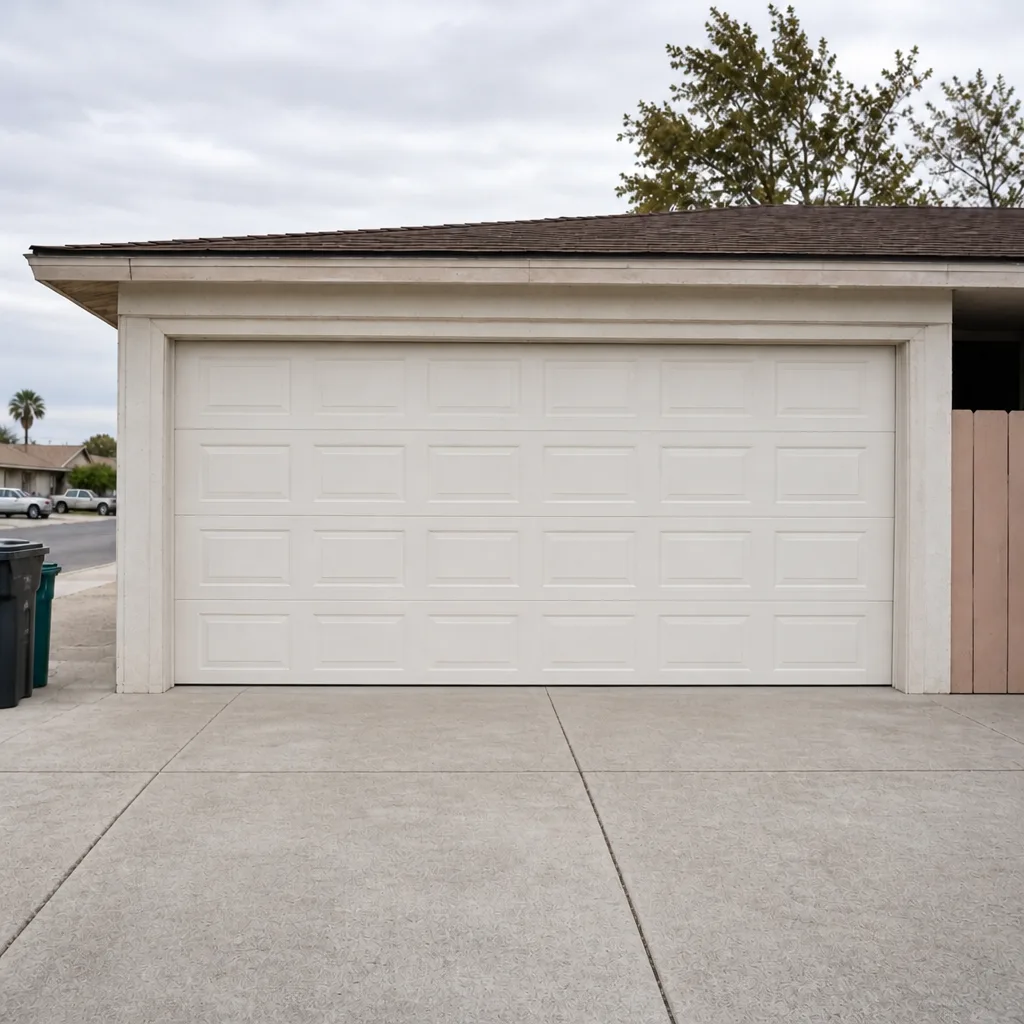
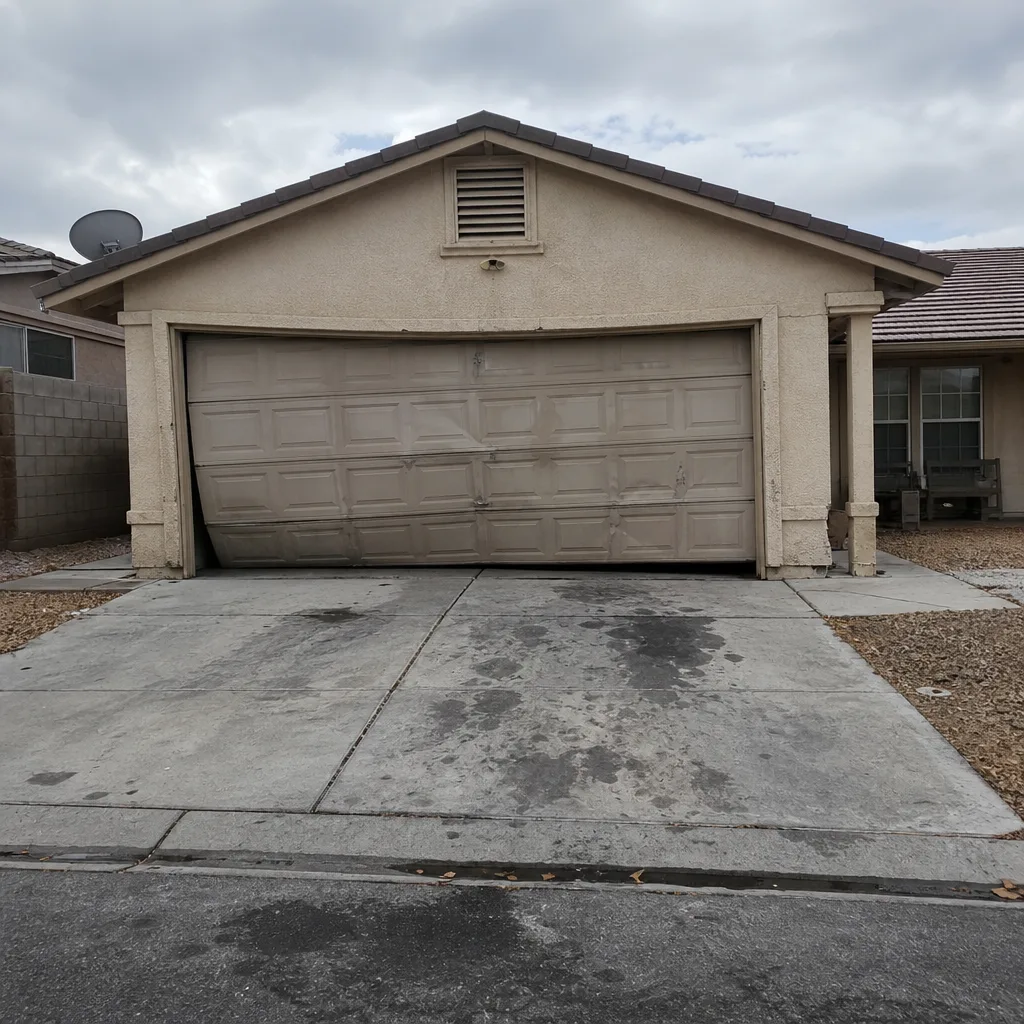
See the difference
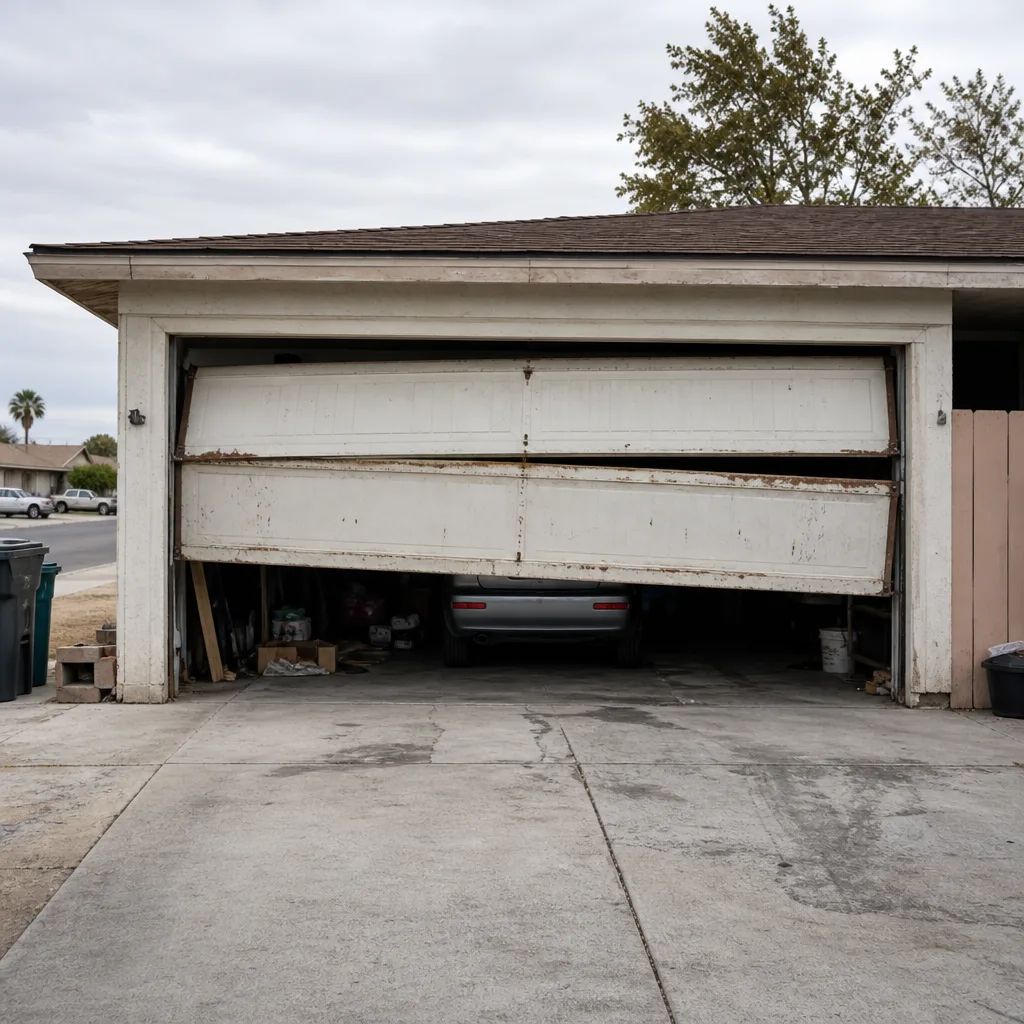 Before
 After
 Before
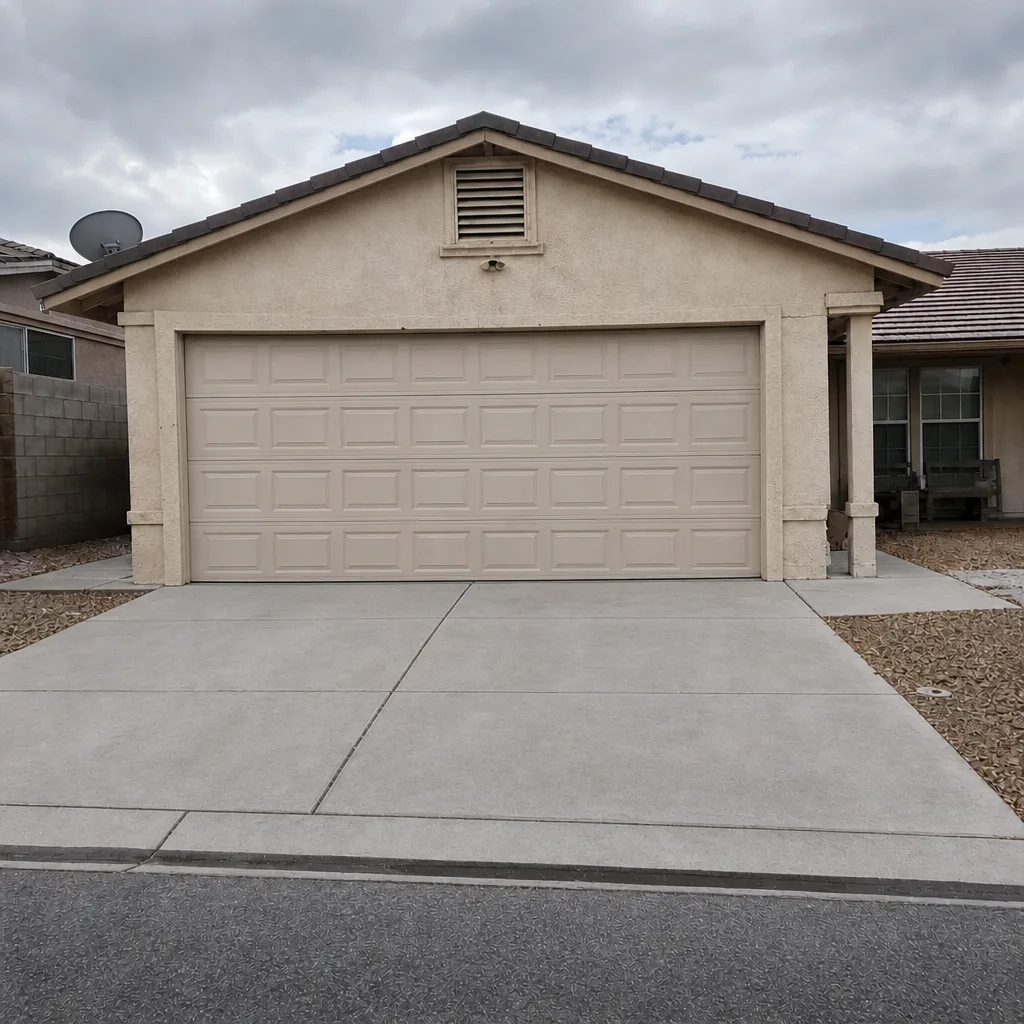 After
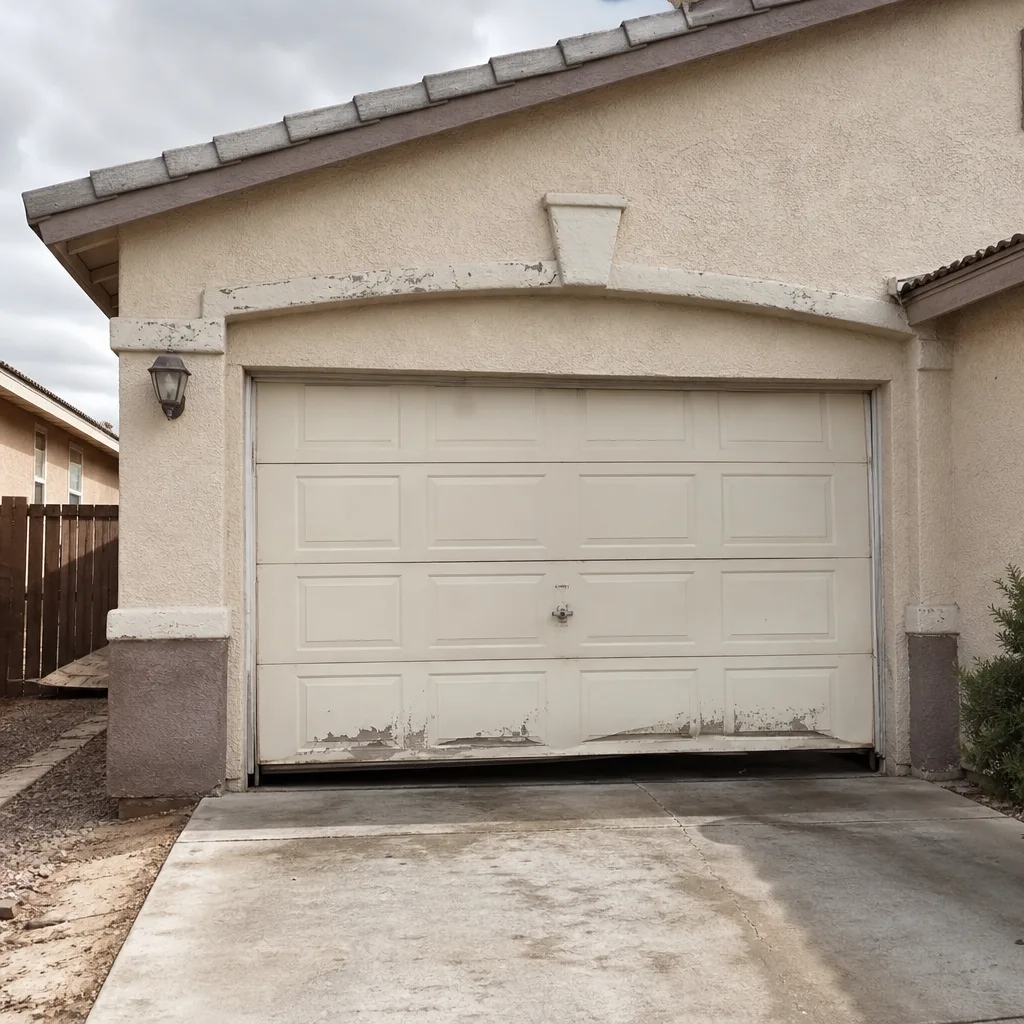 Before
 After