
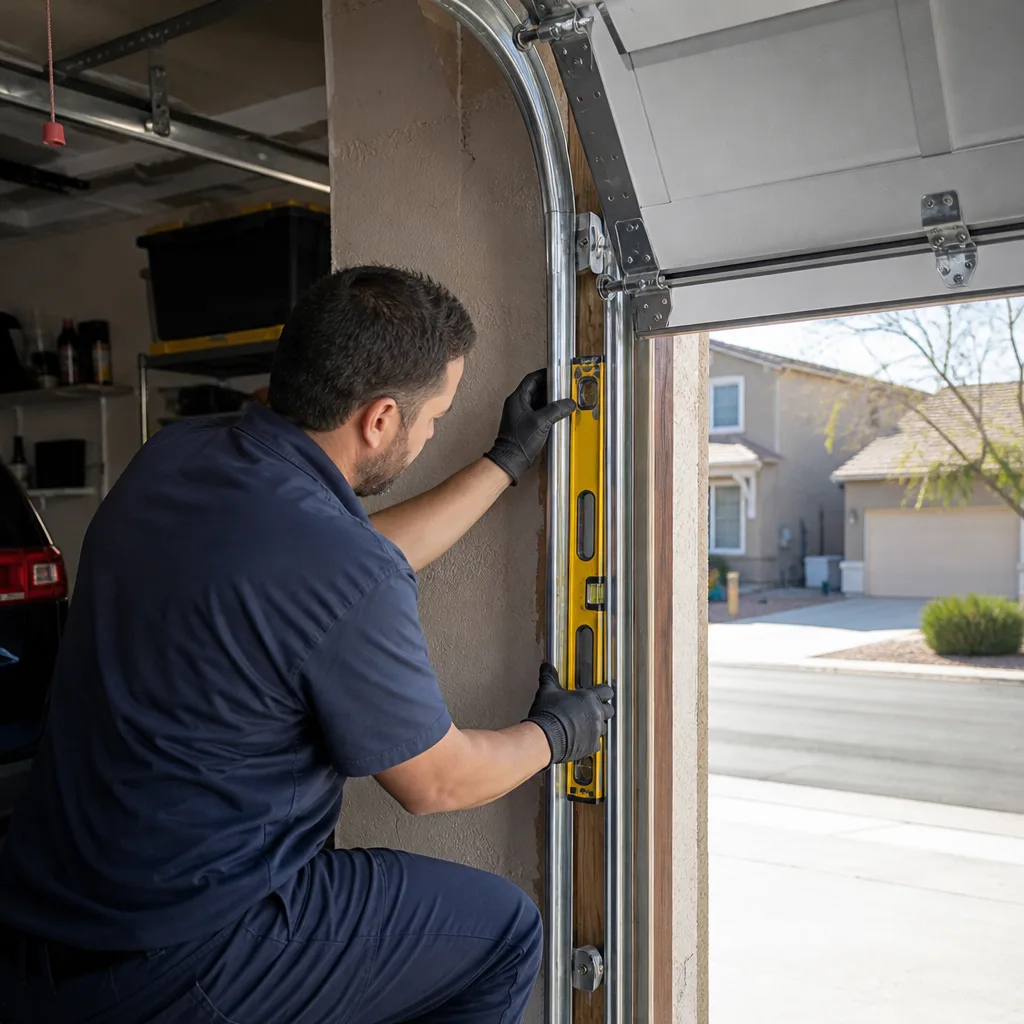
Last updated November 18, 2026
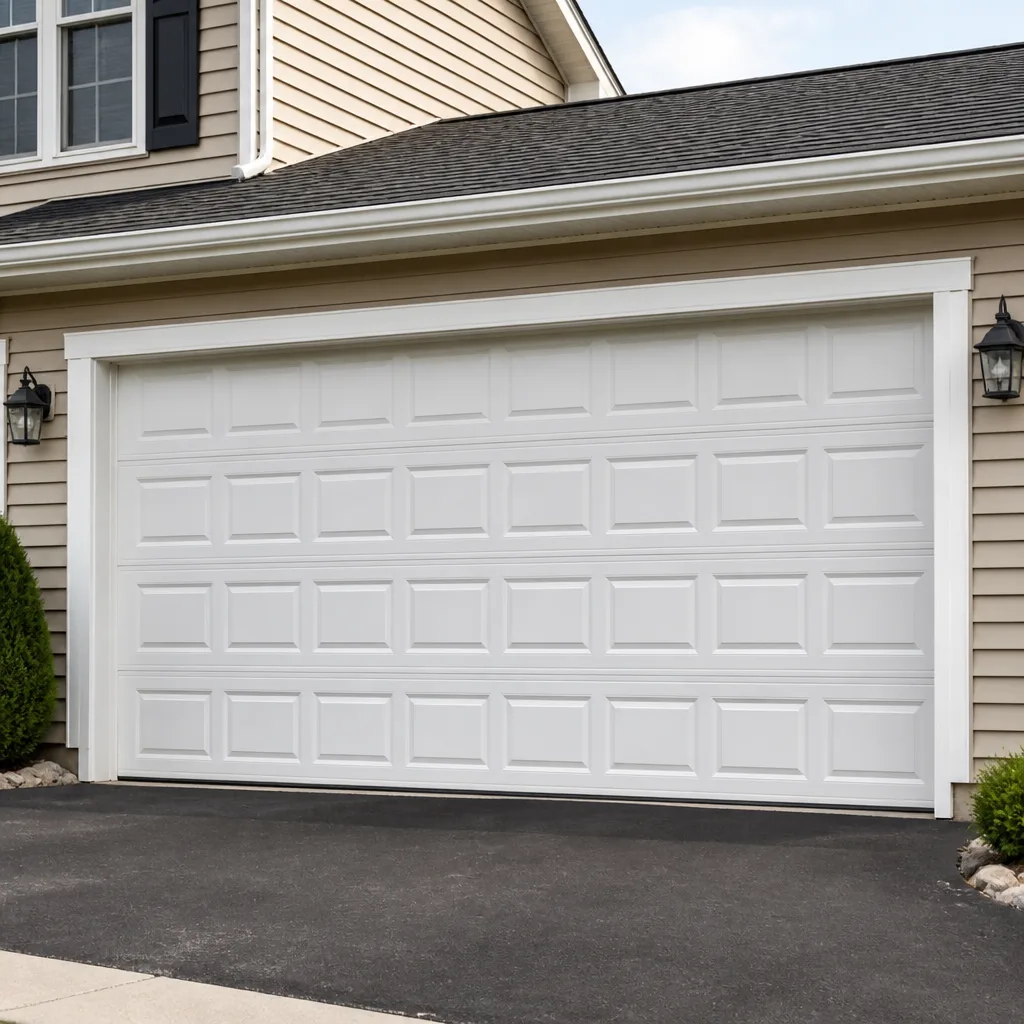 Raised-panel steel
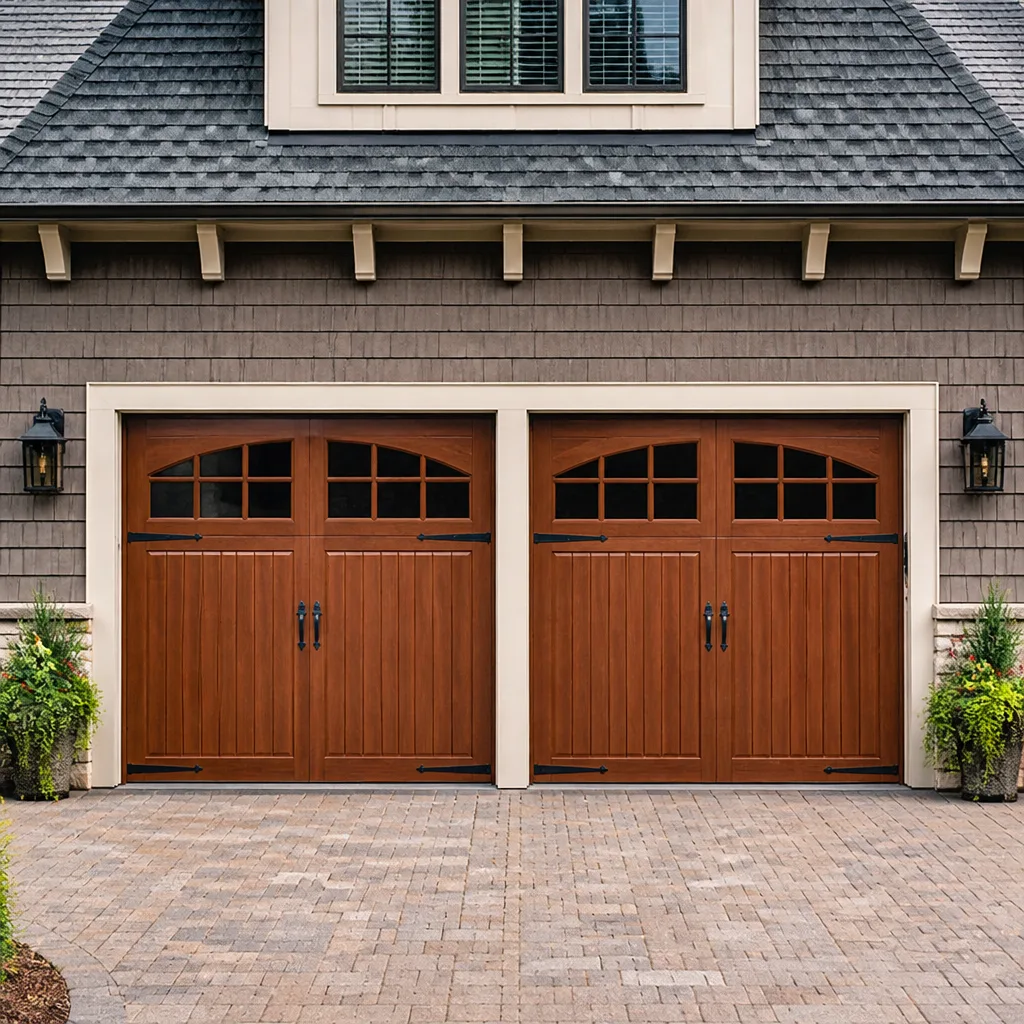 Carriage house
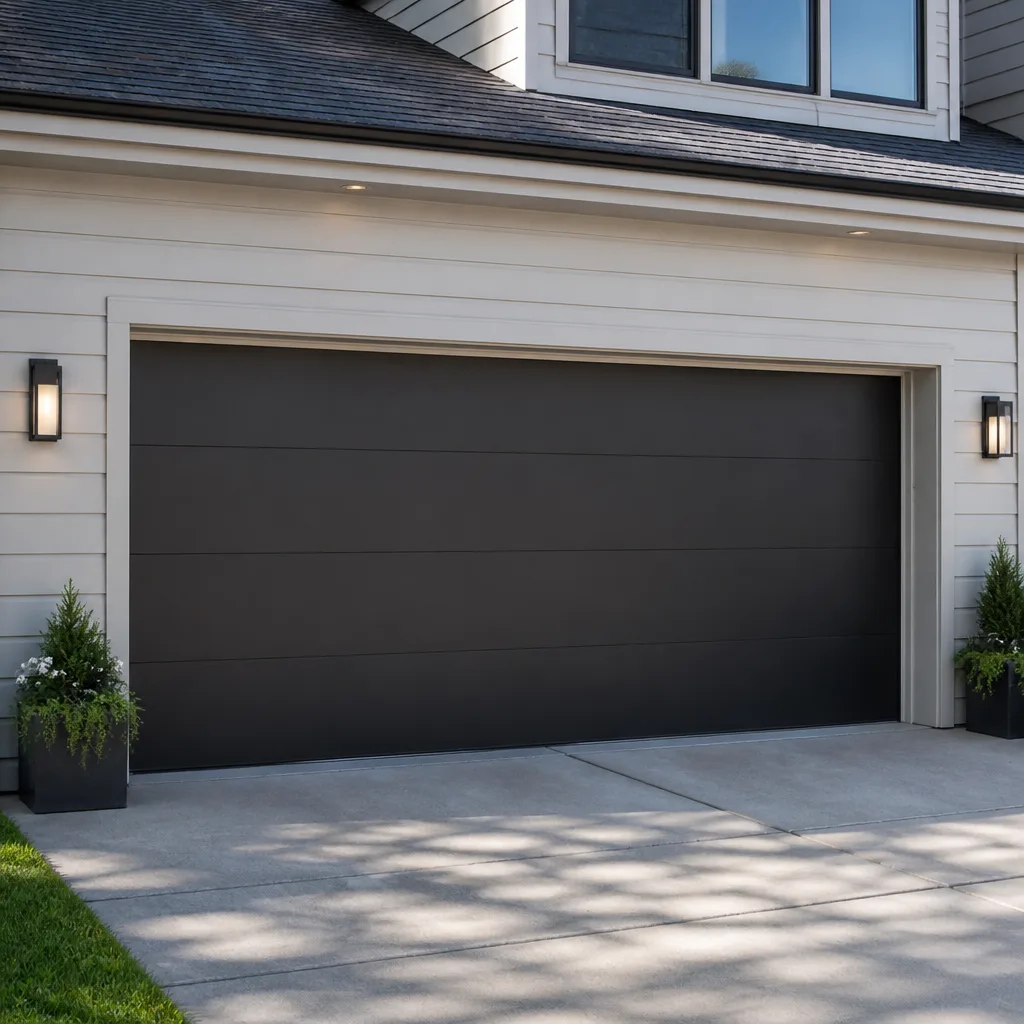 Modern flush
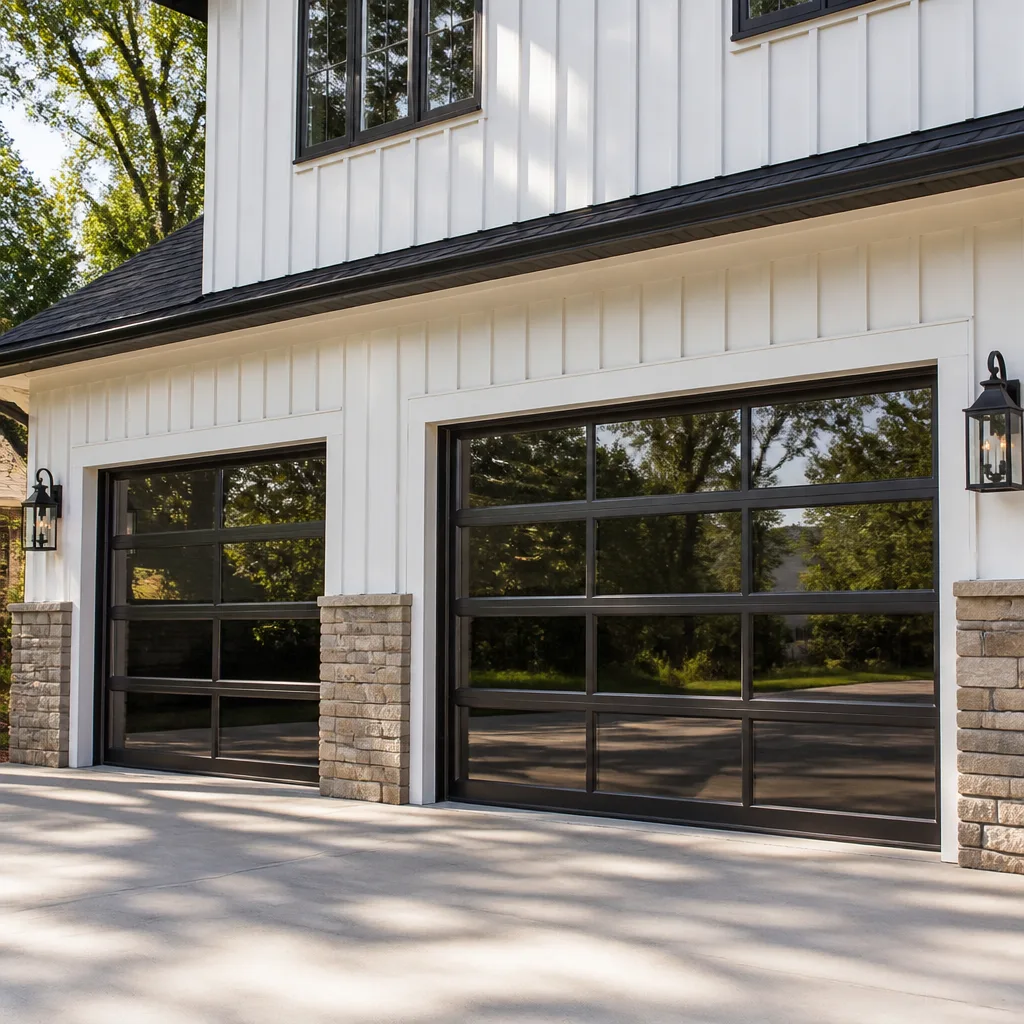 Full-view glass
 LiftMaster openers
 Chamberlain openers
Full 25-point door and opener safety check with every visit - springs, cables, rollers, tracks, and your LiftMaster or Chamberlain opener included
You get a price before we start. It does not change when the pro arrives.
Get your free estimateDIY vs Professional Garage Door: The North Las Vegas Homeowner’s Decision Guide
There are YouTube videos with millions of views showing homeowners adjusting their own torsion springs. The comment section under those videos includes at least a dozen people describing broken wrists, broken jaws, and one guy who lost part of a finger. The spring doesn’t care how careful you are if the technique is wrong. Here’s what we’ll tell you plainly: about half the garage door problems North Las Vegas homeowners call us about are genuinely do-it-yourself jobs, and we’d rather you save the service call on those. The other half can put you in the emergency room. This guide draws the line for you, with real costs, real heat-related failures we see in North Las Vegas, and the honest math on when DIY pays off and when it doesn’t.
Quick Answer
If your problem is weather stripping, a bottom seal, squeaky hinges, a remote that stopped working, or a track knocked slightly out of alignment, DIY is a reasonable choice for a careful homeowner with basic tools. If your problem involves torsion springs, cables, the door panel itself, or anything electrical inside the opener, call a professional. Torsion springs hold the entire weight of the door – typically 150 to 250 pounds – and they store enough energy to break bones when they let go. In North Las Vegas’s summer heat, those springs and the adhesives holding your seals both fail faster than they do in cooler climates, which changes the DIY math in ways most national guides never mention.
Styles & brands we work with
- Raised-panel steel
- Carriage house
- Modern flush
- Full-view glass
- LiftMaster openers
- Chamberlain openers
Table of Contents
- The Honest DIY-Safe List
- The Non-Negotiable Professional List
- How North Las Vegas Heat Changes the DIY Math
- The Real Cost of DIY vs. a Service Call
- What to Tell a Pro You’ve Already Tried
- Common Mistakes to Avoid
- When to Call a Professional
- Frequently Asked Questions
The Honest DIY-Safe List
We’ll start with the jobs we’d happily talk a neighbor through over the fence. None of these involve the springs, the cables, or anything that can slam a 200-pound door down on you. If you’re handy and patient, these are yours to handle.
Bottom seal and weather stripping replacement
The rubber seal at the bottom of your door takes a beating in North Las Vegas. Between the 110-degree summer afternoons and the grit that blows in off the desert, a bottom seal that should last three or four years in a milder climate often needs replacing at the two-year mark here. Slide the old seal out of its track (most Clopay and Amarr residential doors use a T-style or U-style seal), measure the width, buy a matching replacement, and push it in. Fifteen minutes, no tools beyond a utility knife.
Lubrication
White lithium grease on the hinges, rollers, and track. Not WD-40 – that’s a solvent, and it’ll strip the factory lubricant right out of your rollers. A can of white lithium costs about eight dollars at any hardware store in North Las Vegas and should get applied twice a year here. Once in the fall, once in the spring. The desert dust gums up rollers faster than humidity does.
Remote reprogramming
Nine times out of ten, a remote that stopped working just needs to re-pair with the opener. The button sequence lives in your opener’s manual or on the manufacturer’s site – LiftMaster, Genie, and Chamberlain all use slightly different procedures. If one remote works and another doesn’t, it’s a pairing issue. If nothing works, it’s usually the logic board, and that’s a professional call. Our Garage Door Opener Repair & Installation in North Las Vegas page covers the diagnosis side in detail.
Minor track realignment
If someone backed into the track and it’s bent a quarter inch, you can sometimes persuade it back with a rubber mallet and a block of wood. Emphasis on “minor.” A track that’s bent more than that, or one that’s pulled loose from the wall anchors, needs new hardware – and if the door has come off the track, stop and call someone. A door sitting crooked on a bent track is a door that can fall.
Squeaks and rattles
Tighten the bolts on the hinges and the brackets. Ninety percent of “my door sounds terrible” calls we get in North Las Vegas are just loose hardware. Grab a socket set and give every bolt a quarter turn.
The Non-Negotiable Professional List
Now the list we won’t talk you through, no matter how handy you are, because the physics don’t care about your confidence level.
Torsion springs
Here’s the actual physics. A closed garage door weighs somewhere between 150 and 250 pounds. The torsion spring above your door is wound tight enough to counterbalance that entire weight with a couple of turns of a winding bar. When that spring is under tension – which it always is – it’s holding energy equivalent to what you’d feel if you dropped a small adult off a step ladder onto your hand. If you try to wind or unwind it with the wrong technique, or if you use a screwdriver instead of the proper winding bars, the spring can release that energy in less than a second. We’ve seen the aftermath. It’s not a cut. It’s a broken wrist, a shattered jaw, or a lost finger. This is the single most common serious injury in the garage door trade, and it happens to homeowners trying to save $200.
Cables
The cables run from the bottom corners of your door up to the drums on the torsion shaft. They’re under the same tension as the springs. A cable that snaps – and they do snap, especially when the spring above it has failed and the door comes down hard – whips through the air with enough force to take a chunk out of drywall. We won’t describe how to replace one. We’ll just tell you: don’t.
High-tension spring replacement on older doors
Older doors sometimes have extension springs running along the horizontal tracks instead of torsion springs above. Those are equally dangerous – they’re still loaded with stored energy, and they have a nasty habit of failing at the hook end. Same rule applies. Professional only.
Electrical work inside the opener
If your opener’s capacitor, logic board, or transformer has failed, that’s an electrical repair inside a 120-volt enclosure. Even with the breaker off, capacitors hold a charge. Our opener repair service handles this every week – it’s not a DIY job.
Full door replacement
A door replacement isn’t just a bigger version of a repair. It’s a paneled, spring-loaded system that has to be leveled, tensioned, and tested against the opener’s force settings. Our Garage Door Installation in North Las Vegas team handles the whole sequence, including disposal of the old door.
How North Las Vegas Heat Changes the DIY Math
Here’s where we part ways with the generic YouTube tutorials. A job that works fine in Ohio often doesn’t work fine in North Las Vegas, and the specific ways it fails are worth knowing before you start.
Adhesive-backed weather seal fails faster
The peel-and-stick foam weather stripping sold at most hardware stores has an adhesive rated to about 180 degrees. Sounds fine – until you remember that the metal frame around your garage door face in direct July sun can hit 150 to 160 degrees on a bad afternoon. The adhesive softens, the seal sags, and by August it’s peeling off in strips. If you’re going to do the seal yourself, use the track-mounted rubber seal, not the adhesive foam, and apply it early in the morning when the metal is cool.
Cheap rollers don’t survive the dust
The bargain-bin nylon rollers that come in a five-dollar hardware store pack are fine for a climate with rain. In North Las Vegas, where every breeze carries fine desert dust, the cheap rollers pick up grit and grind it into the track. Within six months the track gets scored and starts making the exact noise you were trying to fix. Spend the extra four dollars per roller on sealed nylon or steel rollers. They hold up here; the cheap ones don’t.
Springs cycle out faster
Standard torsion springs are rated for roughly 10,000 cycles – one cycle is one open and one close. A family of four in North Las Vegas opening and closing the door six times a day burns through about 2,200 cycles a year. That’s four to five years of life on a standard spring at best. The heat accelerates fatigue, and we see spring failures at the four-year mark here where a milder climate might get seven or eight. If your door is over five years old and the spring has never been replaced, it’s living on borrowed time. The good news: a good shop quotes the spring replacement upfront, so it’s not a surprise bill. The bad news: the failure itself is a sudden, violent, dangerous event.
The Real Cost of DIY vs. a Service Call
Let’s do the honest arithmetic, because the national guides never do. Here’s what the actual jobs cost in North Las Vegas dollars, and what they cost you in time.
- Bottom seal replacement: DIY about $25 for the seal plus a half-hour. Professional service call: about $100 to $150, done in fifteen minutes with the correct seal on the truck.
- White lithium lubrication: DIY about $8 for the can. Professional service call: $0 if combined with another job, otherwise $75 to $100 for the visit.
- Remote reprogramming: DIY $0 if you have the manual; $50 to $75 professional.
- Minor track realignment: DIY a rubber mallet and 20 minutes; $100 to $150 professional.
- Torsion spring replacement: DIY is not on the table. Professional cost: $180 to $340 per spring, depending on door size and spring rating, done same day.
- Cable replacement: DIY is not on the table. Professional: $140 to $260 per side, done same day.
- New opener installation: Professional $350 to $600 including the unit, plus a free measure and a written quote.
The DIY math breaks down when you factor in the second trip to the hardware store. Most homeowners buy the wrong bottom seal the first time – T-style versus U-style is a genuine coin-flip if you don’t pull the old one and bring it in. The wrong part costs you forty minutes, a tank of gas, and the assumption that you broke something. The service call costs you a hundred dollars. Neither is a disaster. What we’d say is: if you enjoy the work and you have the tools, DIY the safe list. If you’re doing it to save money and you don’t enjoy it, the actual savings per hour is usually under $30 once you count the time. You’re better off spending that money on the spring replacement you’ll need at year four or five.
What to Tell a Pro You’ve Already Tried
Nearly half the repair calls we get in North Las Vegas start with the homeowner apologizing for something they tried first. Don’t apologize – just tell us what you did, because it saves us doing the same step twice and you paying for it.
Here’s the useful handoff:
- Name the exact symptom and when it started. “The door goes up six inches and stops” is different from “the door goes up fine but won’t close past halfway.” Both are opener symptoms but the causes are different.
- List what you already replaced. If you swapped the rollers, say so. If you lubed the track, say so. We won’t re-lube it and charge you for it. If you put in a new remote and it still doesn’t work, we’ll skip straight to testing the logic board.
- Tell us about any noise it made before it failed. A snap, a bang, or a grinding sound before the door stopped working is the single most useful piece of diagnostic information you can give us. It narrows the failing component in seconds.
- Photograph it if you can. A picture of the spring, the cable end, or the track bend helps us load the right parts for the visit. On a North Las Vegas afternoon where we’re already hot and running between calls, that photo can turn a two-trip job into a one-trip job.
- Mention if it’s the only door on the house and your vehicle’s inside. That context moves the call to the top of the list.
We still run our own diagnostic – we don’t take a homeowner’s word on what’s wrong – but we won’t charge you to redo a step you got right. The call-back crew in the national chains can’t always promise that, which is why we’d rather you had our number in your phone from the start.
Common Mistakes to Avoid
- Using a screwdriver to wind a torsion spring. It’s the wrong tool. It doesn’t fit the winding cone. It slips. When it slips, the spring throws it and your hand goes wherever the handle points. This is the most common serious injury in the trade and it happens to homeowners who watched the video and thought “I can do that.”
- Substituting garage door springs with a generic one from the hardware store. Springs are rated by wire gauge, inside diameter, and length, and the wrong combination will over-stress the opener or leave the door too heavy to lift safely. Your door was engineered around a specific spring. Measure and match, or call us.
- Buying adhesive foam weather stripping for a North Las Vegas door. The 150-degree metal in July heat softens the adhesive and it peels off inside one summer. Use a track-mounted rubber seal instead.
- Overtightening the track bolts. A quarter turn past snug is enough. Over-tightening bends the track and pulls the anchors out of drywall – then you’re looking at a full track replacement, not a realignment.
- Ignoring the opener’s force-setting. If the opener is straining, the problem is almost never the opener. It’s usually a failing spring or a worn roller. Turning up the force sensitivity to push through the resistance is how you end up with a stripped gear inside the opener and a bigger bill.
- Snapping a door back onto a bent track by hand. A 200-pound door that’s come off the track can come all the way down. It’s not a two-hand job. It’s a two-person job with the right equipment and the door supported.
- Waiting until the spring snaps to replace it. Springs give warning signs – a half-second pause at the top of the travel, a slight slowing on the way up, a door that doesn’t quite feel as light as it used to. If your door is over five years old and has that pause, have it looked at.
When to Call a Professional
Call a professional the moment any of these are true: a spring has broken (usually announced by a bang loud enough to hear from inside the house), a cable has snapped and is hanging loose, the door has come off the track, the door is hanging crooked with one side higher than the other, the opener is grinding or making new noises, or a panel has cracked in a North Las Vegas windstorm. Don’t touch the door until someone qualified looks at it. A door under spring tension that’s failed on one side can drop the moment the opener lifts it. We see this every summer here – the sun-baked springs fail, the homeowner doesn’t realize what happened, and the door comes down on a vehicle or a person.
Otto’s Garage Door North Las Vegas offers free estimates in North Las Vegas – call (866) 347-9495. A live person answers, even at nine at night when the spring just let go and your car is sealed inside. We quote the job on that call and hold the number when we get there. If you’re on the fence about whether your problem is a DIY job or a professional one, call us and we’ll tell you straight – half the time we’ll talk you through the DIY fix for free and save you the service call.
Frequently Asked Questions
No. Torsion spring replacement is the single most dangerous garage door repair a homeowner can attempt, and the stored energy in a wound spring is enough to break bones or amputate fingers when the winding bar slips. The correct technique requires proper winding bars, a specific sequence, and the experience to feel when something’s about to go wrong. North Las Vegas’s heat makes springs fail faster, so more homeowners here face this call than in cooler climates – but the answer is the same: don’t do it yourself. Call (866) 347-9495 for a spring replacement quote; we do them same day and the price is set before we arrive.
Most common repairs run $100 to $340, with spring replacements at the top of that range and simple adjustments at the bottom. Opener repairs run $150 to $300. New opener installation runs $350 to $600 including the unit. The exact price depends on your door’s size and the part needed, and we quote it on the phone before we come out – the number doesn’t change between the call and the driveway. Call (866) 347-9495 for an exact quote – estimates are free.
You’re probably using adhesive-backed foam weather stripping. In North Las Vegas, the metal frame around your garage door face gets hot enough in July to soften the adhesive and peel the seal off the door. Switch to a track-mounted rubber seal that slides into the retainer groove rather than sticking to the frame, and apply it in the cool early morning so the seal sets flat. If you’d rather not deal with it, call us – we carry the correct seal for Clopay, Amarr, Wayne Dalton, and most other doors here.
No. We quote the job on the phone, and that’s the number you pay. If the diagnosis turns out to be something different once we’re there – say, what looked like a spring problem turns out to be a cable – we tell you the revised number before we touch anything, and you approve it or we leave. The quoted price is agreed before any work starts, and it doesn’t go up after. Call (866) 347-9495 for a quote.
Spring failures, cable breaks, and doors that are stuck open or stuck closed are same-day calls in North Las Vegas, and we run 24/7 for emergencies. New door installation and full opener replacements are scheduled jobs – we come out for a free measure first, order the door, and set an install date with you. Same-day applies to repairs; planned work gets a written quote and a scheduled date. Call (866) 347-9495 and we’ll tell you which category you’re in.
The local pros we connect you with are licensed and insured as their state requires, and they’re background-checked before they show up at your door. We wouldn’t send anyone to your house that we wouldn’t send to our own mother’s. If you’d like to verify licensing before the truck arrives, call (866) 347-9495 and ask – it’s a fair question, and the answer is always yes.
The Bottom Line
Most garage door problems fall on one side of the line or the other, and the line is this: if the repair involves the springs, the cables, or the electrical guts of the opener, call a professional. If it involves seals, lube, remotes, or minor hardware tightening, you can do it yourself and save the service call. In North Las Vegas, the heat makes springs fail faster, weather seals fail faster, and cheap rollers wear out faster, so the safe-DIY list is a little shorter here than the national guides suggest. If you’re not sure which side your problem is on, call us at (866) 347-9495 – we’ll tell you straight, quote you upfront, and show up when we say we will. For our full service menu across the valley, start at our Otto’s Garage Door North Las Vegas home page.
Written by the team at Otto’s Garage Door North Las Vegas.
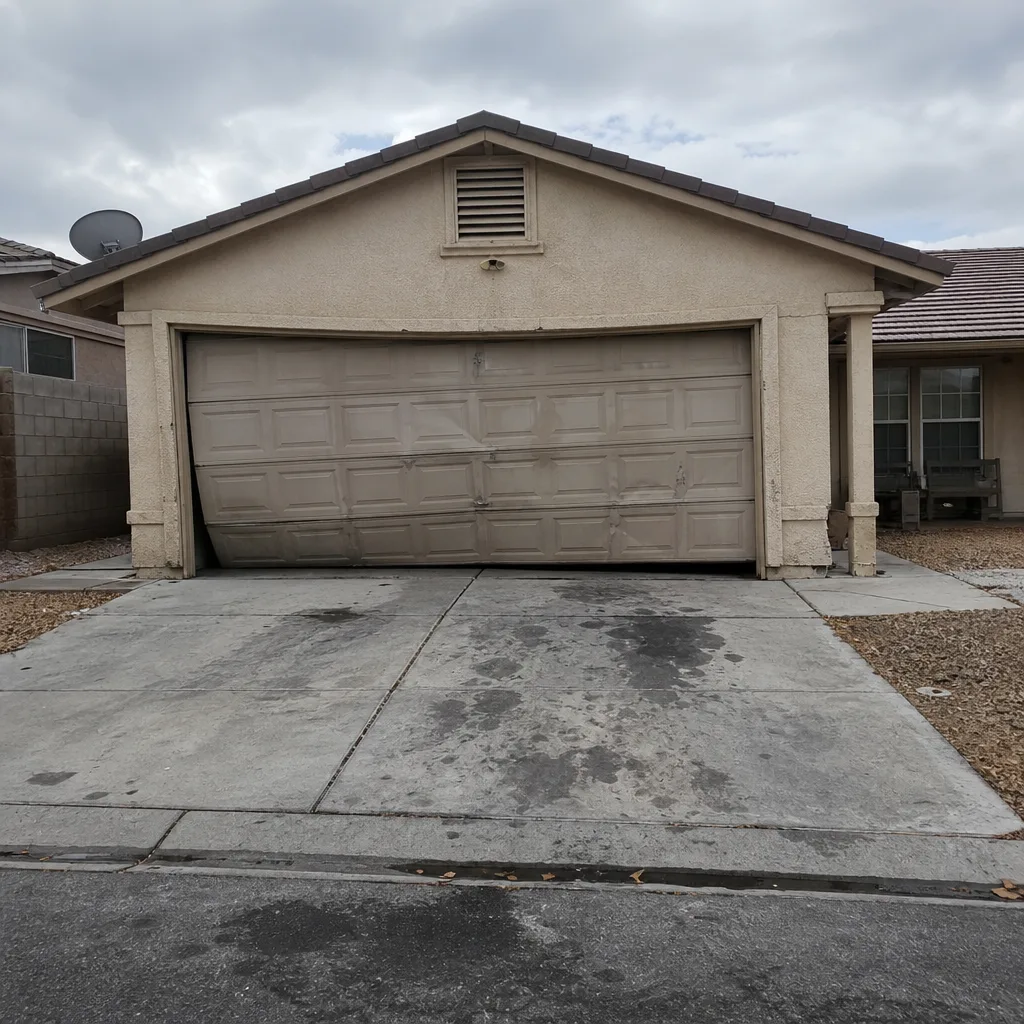
See the difference
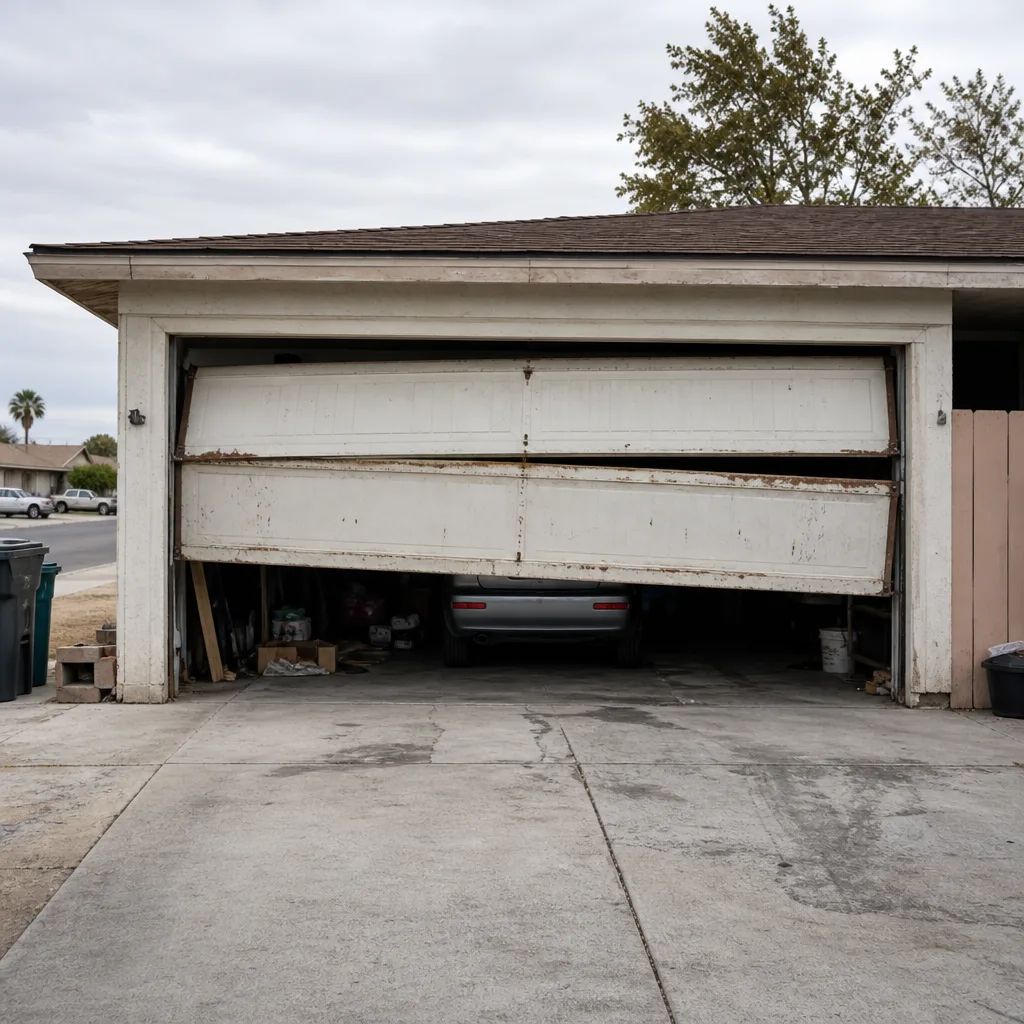 Before
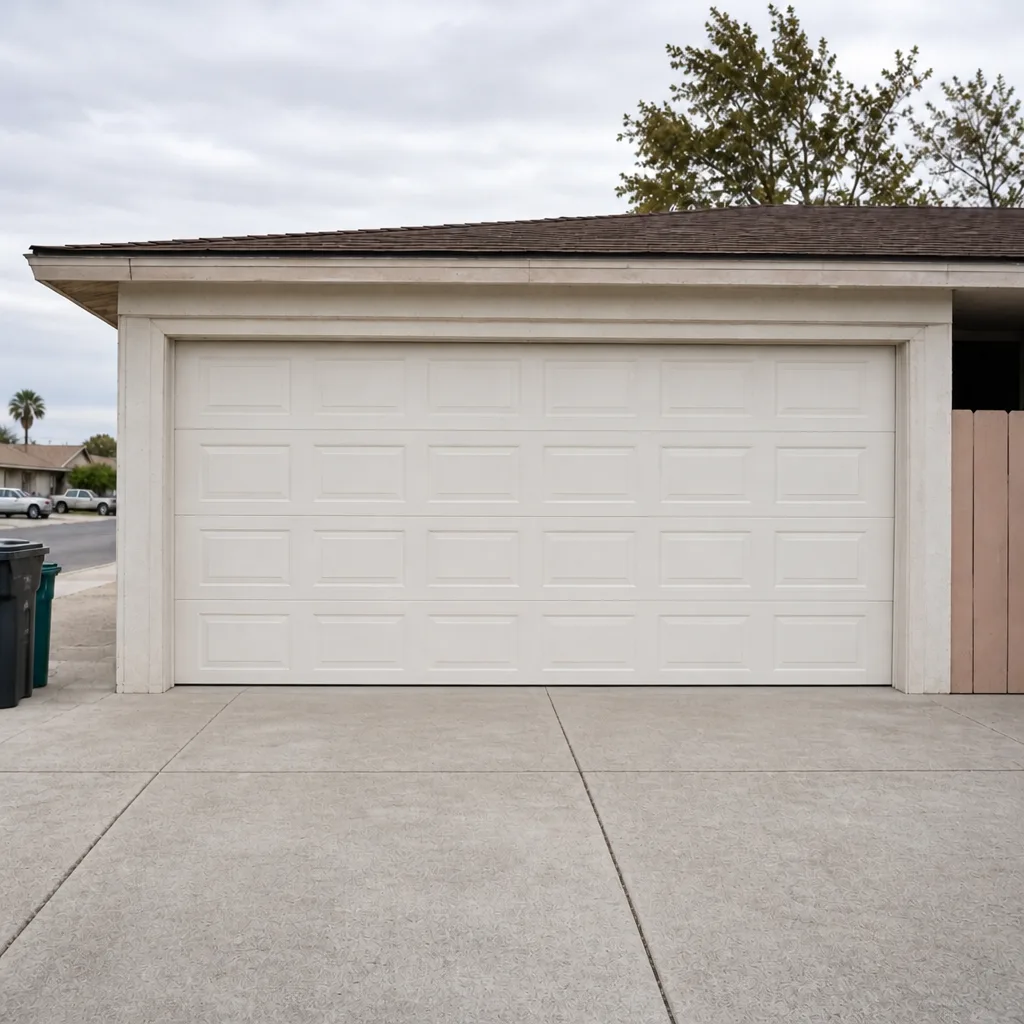 After
 Before
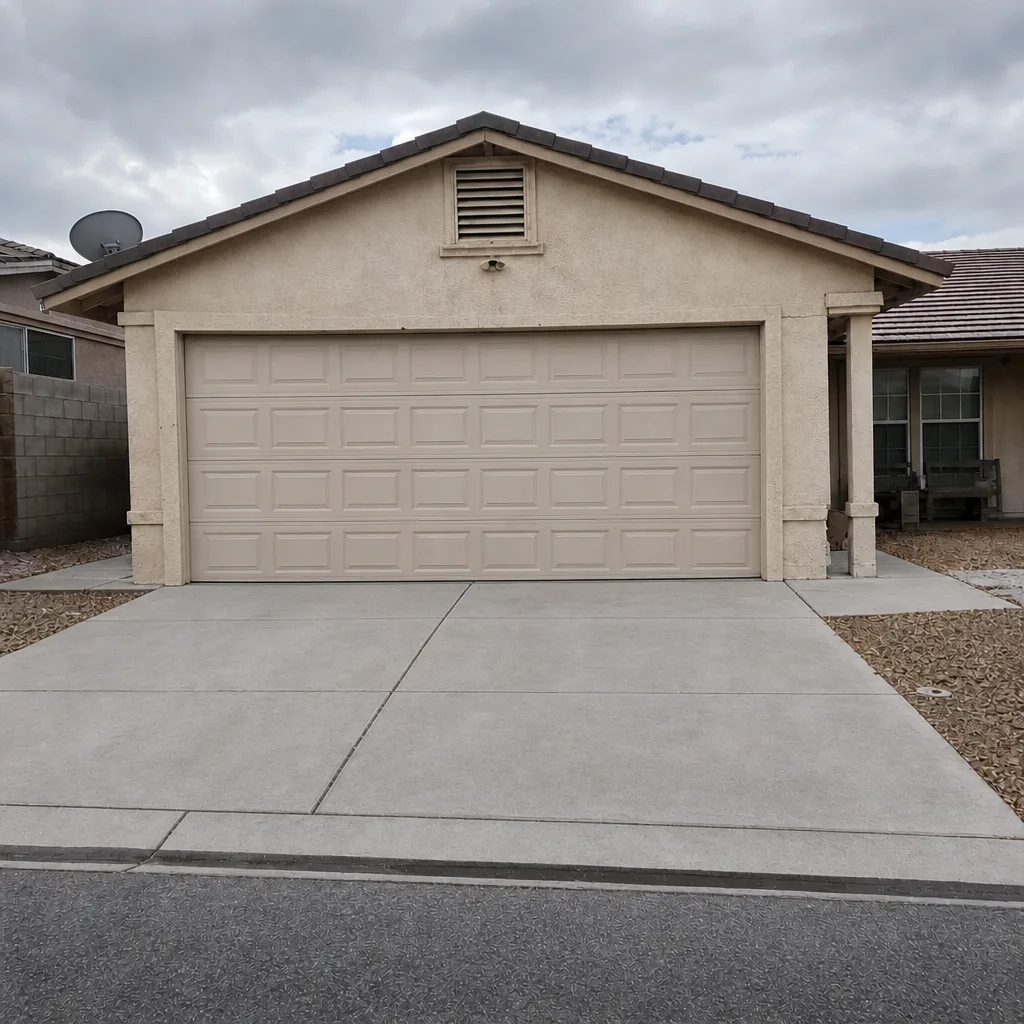 After
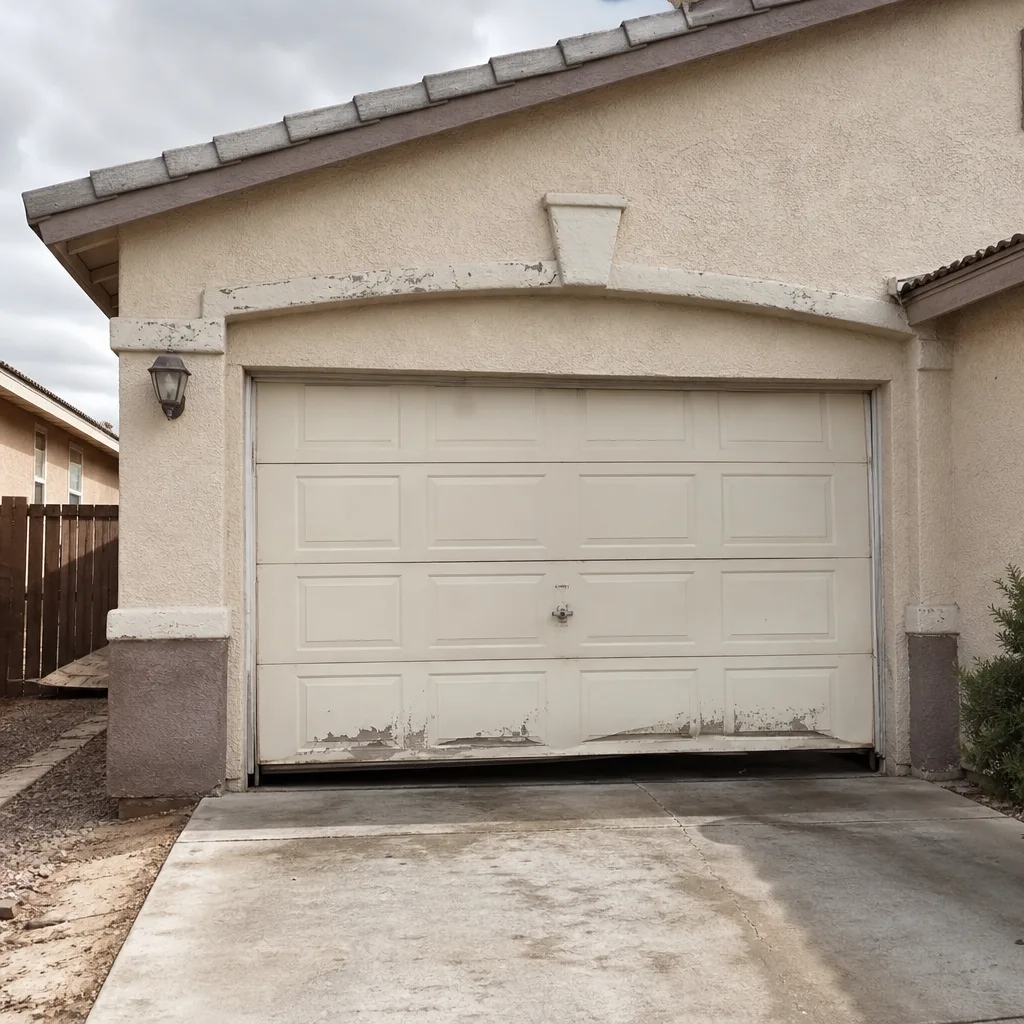 Before
 After