
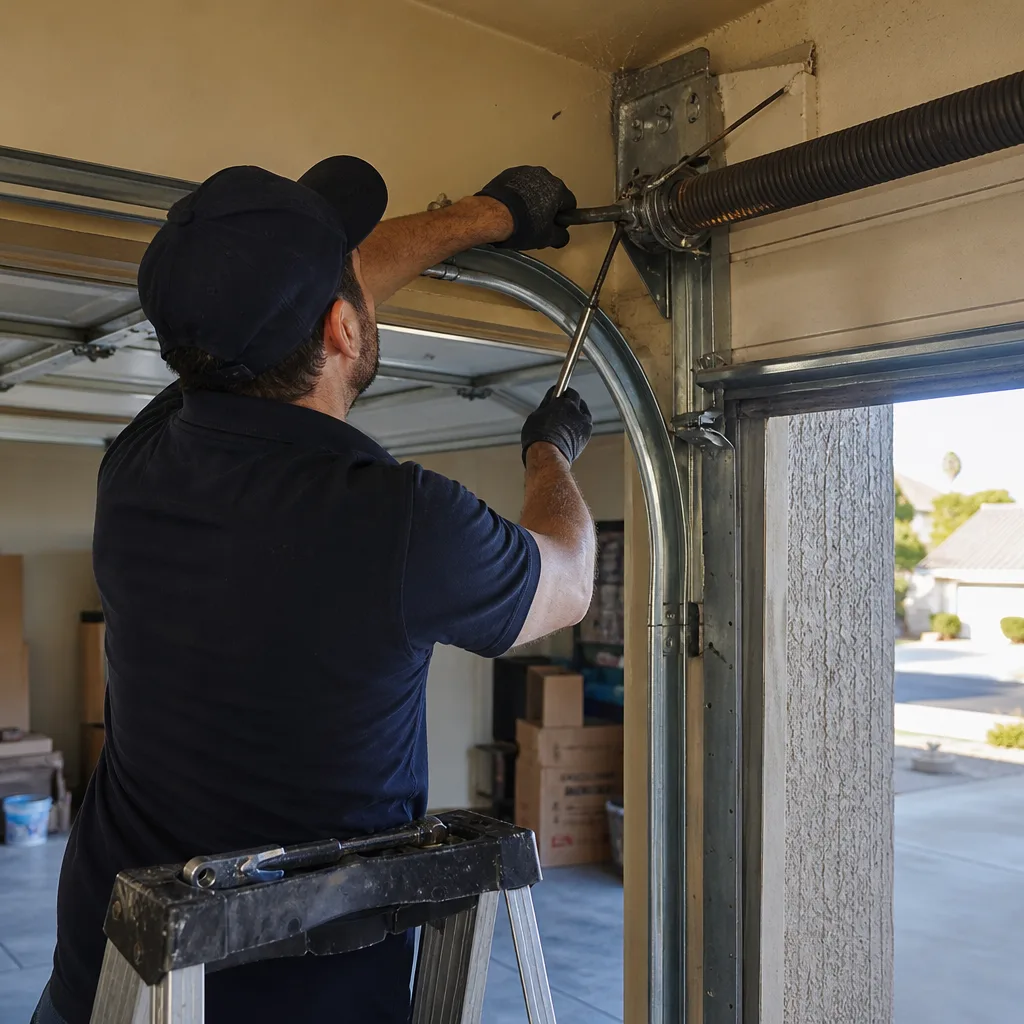
Last updated November 18, 2026
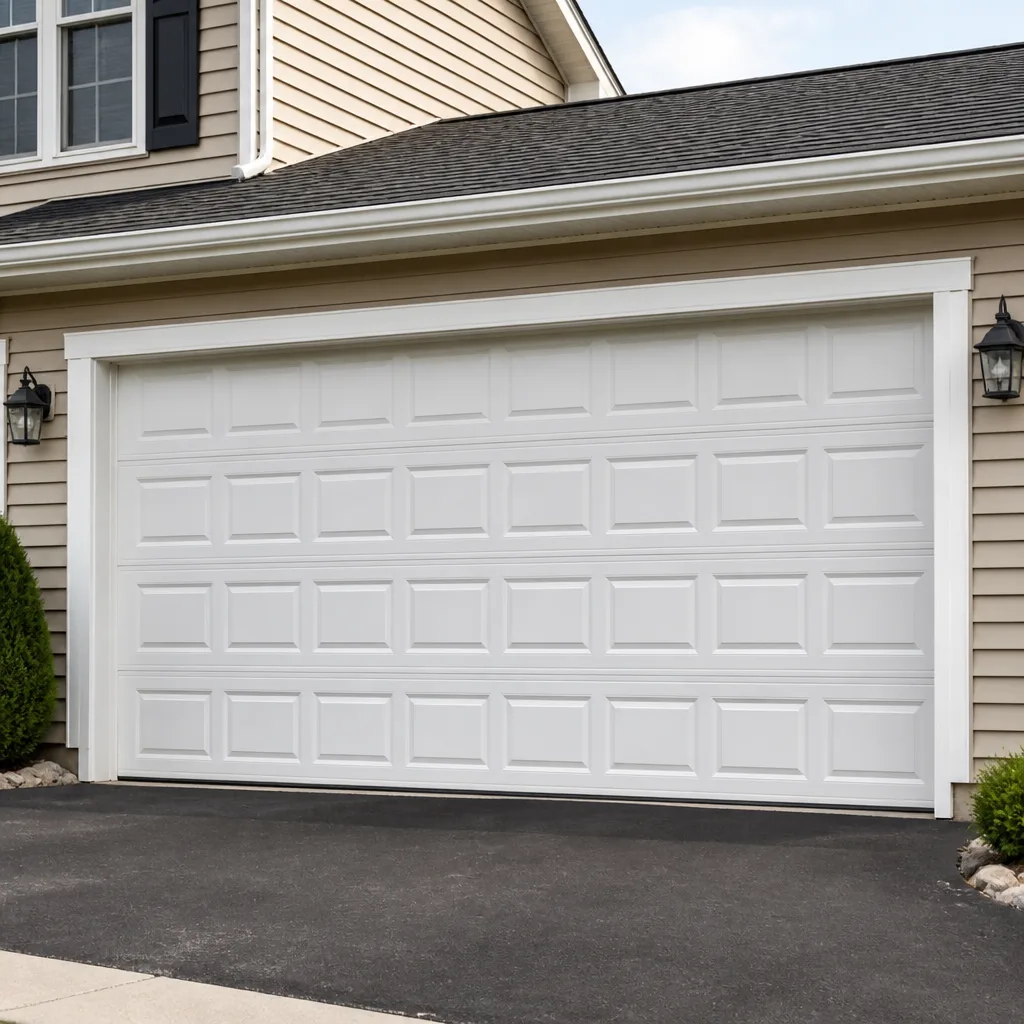 Raised-panel steel
 Carriage house
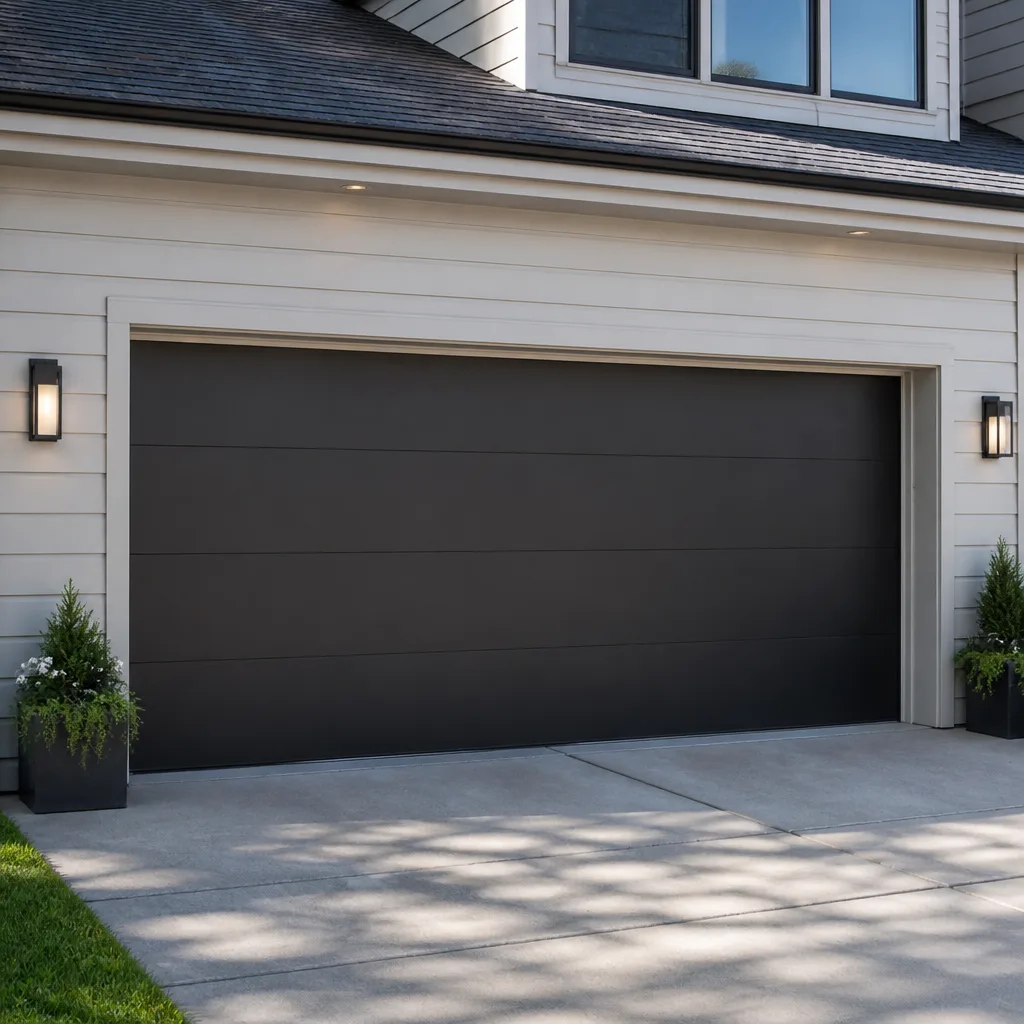 Modern flush
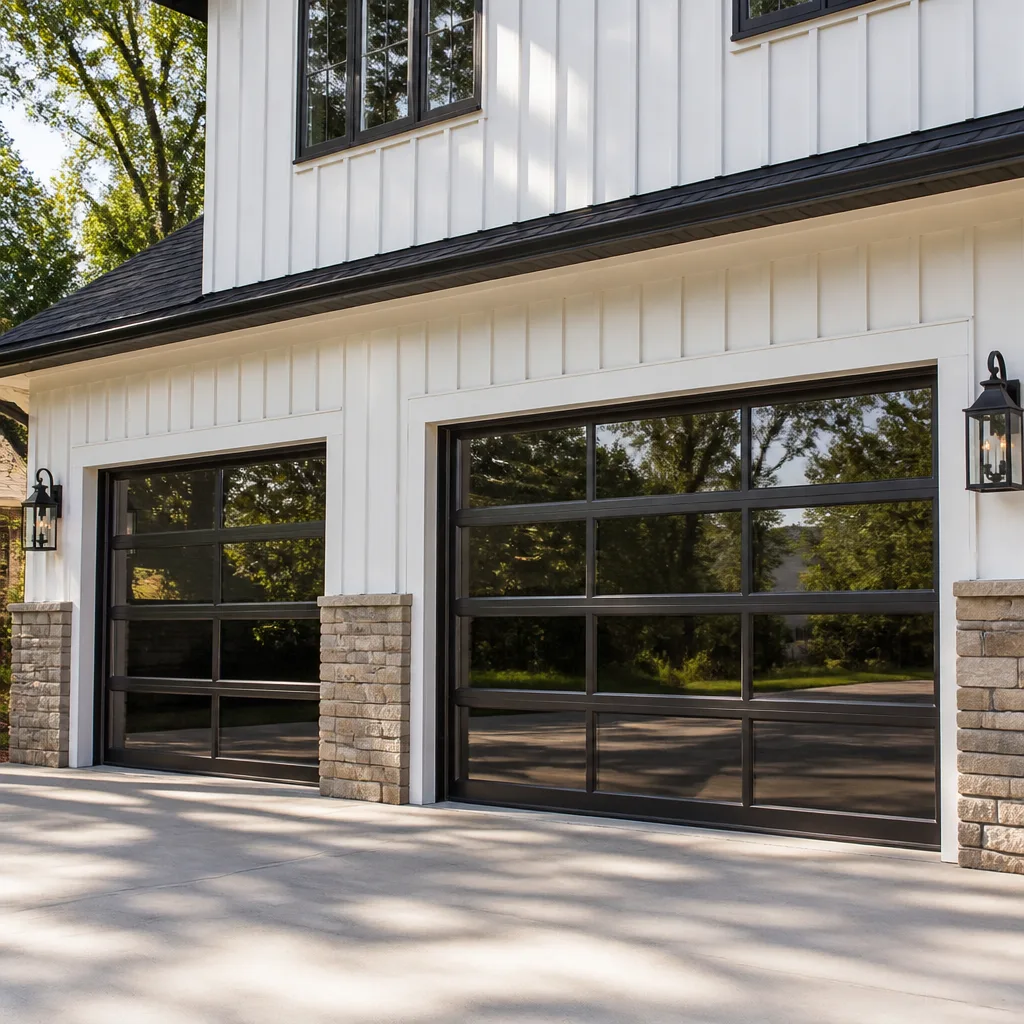 Full-view glass
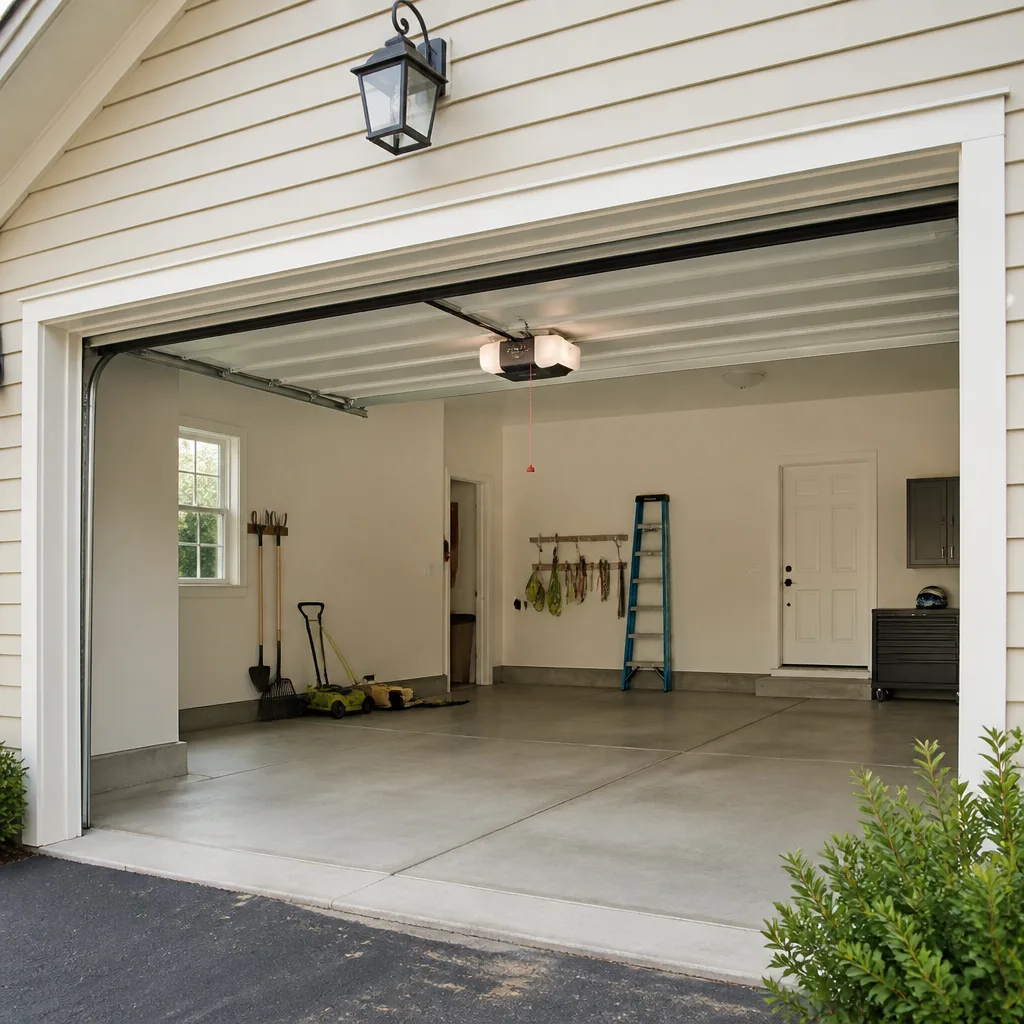 LiftMaster openers
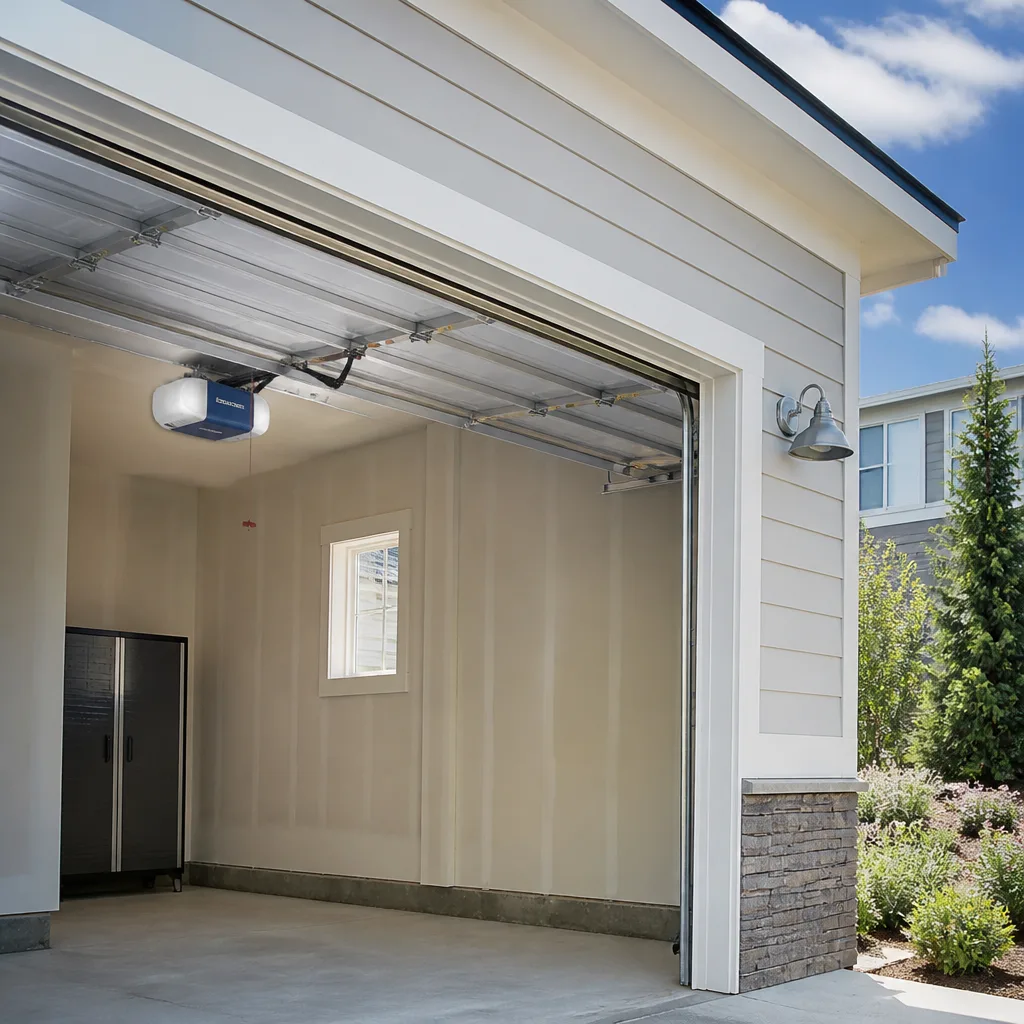 Chamberlain openers
Full 25-point door and opener safety check with every visit - springs, cables, rollers, tracks, and your LiftMaster or Chamberlain opener included
You get a price before we start. It does not change when the pro arrives.
Get your free estimateGarage Door Repair Maintenance Checklist for North Las Vegas Homeowners
If you lubricated your garage door springs in July, you probably made things worse. High-viscosity lubricants attract the fine silica dust that blows through the valley and grind your rollers down faster than skipping lube entirely would. That single mistake tells you most maintenance advice online was written for Ohio, not for a place where attic temperatures push past 130 degrees and the wind carries grit into every hinge. This checklist is built around what actually fails in North Las Vegas, and it tells you the exact month to handle each task before the desert handles it for you. You’ll get a month-by-month calendar, the right lubricant for extreme heat, and the two-minute spring check anyone can do without touching hardware.
Styles & brands we work with
- Raised-panel steel
- Carriage house
- Modern flush
- Full-view glass
- LiftMaster openers
- Chamberlain openers
Quick Answer
In North Las Vegas, the highest-value garage door maintenance is a monthly visual check of springs and cables, a quarterly lubrication with a high-temp synthetic (never a sticky grease), and a bottom-seal inspection before monsoon season in July and August. Springs, cables, and the opener’s force settings are the parts that fail most here, and heat, dust, and seasonal moisture are the three forces behind almost every breakdown. Most of this you can do yourself in under an hour a month; springs and cables are the one job you leave to a trained professional.
Table of Contents
- Why North Las Vegas Garage Doors Fail Differently
- Your Month-by-Month Maintenance Calendar
- The Right Lubricant for 110-Degree Heat
- Checking Your Bottom Seal Before Monsoon Season
- The Two-Minute Spring Tension Test
- Why Your Opener Needs a Force Check Every 18 Months
- Dust, Wind, and the Tracks
- Common Mistakes to Avoid
- When to Call a Professional
- Frequently Asked Questions
Why North Las Vegas Garage Doors Fail Differently
Most checklists you’ll find online are built around freeze-thaw cycles, salt on the roads, and damp springs. None of that applies here. What fails in North Las Vegas is shaped by three things: sustained heat, wind-blown dust, and the short, intense moisture window of monsoon season. A garage door that faces west in the valley can see its surface hit well over 150 degrees on a July afternoon, and the metal doesn’t just get hot, it expands, contracts, and slowly works hardware loose.
Heat is the big one. Garage door springs are steel under constant tension, and steel under tension in a 130-degree attic loses its temper faster than the same spring in a cooler climate. We routinely see torsion springs in North Las Vegas give out at the six- to eight-year mark where a coastal garage might get twelve. The openers face their own strain because the door frames warp slightly in the heat and the motor has to work harder every cycle.
Dust is the second force. The fine silica grit that blows across the valley in spring settles into every roller and hinge, and if there’s sticky lubricant there, it becomes an abrasive paste. That’s the July lubrication mistake from the top of this page. Wrong product, wrong month, faster wear.
Then comes the monsoon window. From July through September, North Las Vegas gets sudden, heavy rain that pushes water under doors with worn bottom seals. That water wicks up into the wood frame and the door’s bottom section and starts the rot and rust that shortens a door’s life by years.
Understanding those three forces is what separates a checklist that helps from one you ignore. Everything below maps to one of them.
Your Month-by-Month Maintenance Calendar
Forget “spring and fall” advice. That’s for climates with seasons. North Las Vegas has a hot season, a slightly less hot season, and a monsoon. Here’s how to time your work around what the desert is actually doing.
- January: Full visual inspection. Walk the door’s full travel and watch the springs, cables, and rollers. Cooler weather is the easiest time to spot a problem without heat distortion confusing you. This is also the month to schedule any repair you’ve been putting off.
- February: Lubrication pass. Apply a high-temp synthetic to hinges, rollers, and the torsion spring (lightly). Clean the tracks with a dry cloth first.
- March: Dust season begins. Wipe tracks and inspect rollers for grit. Tighten any bolts on the hinges and the opener’s mounting bracket.
- April: Bottom seal check. Look for cracks, gaps, and hardening before the ground heats up further.
- May: Test the door’s balance (more on this below). If it won’t stay put at the halfway point, the springs are tired. Check the opener’s force settings.
- June: Pre-monsoon prep. Re-check the bottom seal, clear the threshold, and make sure water can’t pool against the door.
- July and August: Monsoon months. Inspect after every heavy rain. Watch for water intrusion and rust at the bottom section.
- September: Second lubrication pass (the heat has cooked off the first one). Inspect the seal again.
- October: Tighten all hardware. Heat expansion has loosened bolts over the summer.
- November: Test balance again. This is when we see the most spring failures in North Las Vegas, oddly enough, because the door has cycled all summer at high temperature and the spring is worn thin.
- December: Full inspection pass. Plan any replacement before the next summer.
If you only do four months of this, do January, May, July, and November. Those are the pivot points.
The Right Lubricant for 110-Degree Heat
The single biggest mistake we see in North Las Vegas garages is the wrong lubricant. Standard white lithium grease, which is what most homeowner guides recommend, breaks down into a sticky paste above about 90 degrees. In a valley garage that regularly sits at 110, 120, or higher, that paste does two things: it stops protecting the metal, and it grabs the silica dust blowing through the garage. The dust becomes an abrasive slurry that wears your rollers and hinges like sandpaper.
What you want is a high-temperature synthetic spray lubricant rated for at least 300 degrees and formulated to stay slick without getting tacky. Look for one that says “silicone” or “PTFE” on the label. Those don’t attract grit the way grease does, and they hold up to heat without gumming.
Here’s how to apply it:
- Wipe every hinge, roller, and the torsion spring with a dry rag first. Get the old grit and old lube off.
- Spray the hinges at their pivot points, not the whole hinge plate. A little goes a long way.
- Spray each roller’s metal stem, not the nylon or steel wheel itself.
- Lightly coat the torsion spring, but don’t soak it. You’re protecting it from rust, not greasing a bearing.
- Wipe the tracks clean with a dry cloth. Never lubricate the tracks themselves; they should be dry.
- Cycle the door three or four times to work the lube in.
Do this in February and again in September. Skipping the July application is intentional: the heat makes it a waste of product and a dust magnet.
Checking Your Bottom Seal Before Monsoon Season
The bottom seal is the rubber strip along the door’s lowest edge, and it’s the part that keeps monsoon water out of your garage. In North Las Vegas, the UV load is brutal, and rubber seals harden and crack far faster than they do in cooler places. A seal that’s three or four years old is often too rigid to create a watertight fit.
Test it in late June, before the first big storms hit. Open the door halfway and look at the seal from below. Run your hand along it: it should feel like soft rubber, not plastic. Look for cracks, chunks missing, or a flap that’s pulled away from the door’s bottom panel. Then close the door and look for any daylight showing under it, especially at the corners where the slab can dip slightly.
If the seal is worn, replacing it is a low-cost job with an outsized payoff. Water that wicks under a bad seal rots the door’s bottom section and can soak the frame, and that repair runs hundreds of dollars where a seal runs tens. We’ve seen thousands of dollars of avoidable frame damage on North Las Vegas doors that just needed the seal swapped out before August.
Some doors have a threshold seal that sits on the floor rather than the door. If yours does, check it for the same hardening and cracking. Replace it if it’s not lying flat and sealing.
The Two-Minute Spring Tension Test
You can check whether your springs are getting tired without touching any hardware. This is a visual and functional test, not a hands-on one. Springs are under enormous tension, and a garage door is 200 pounds riding on two springs, so you don’t want to adjust anything yourself. But you can tell whether they’re working.
Here’s the test:
- Disconnect the opener using the manual release cord (the red handle). The door should now operate by hand.
- Lift the door to about waist height and let go gently.
- A door with healthy springs will stay roughly in place or drift very slowly. A door with worn springs will drop hard.
- Now look at the springs themselves. Torsion springs (mounted on a bar above the door) should look evenly coiled. Extension springs (mounted alongside the tracks) should be tight, not stretched out or sagging.
- Check for rust, visible gaps in the coils, or a spring that looks like it’s lost tension compared to the other side.
If your door drops when released, or if the springs look worn, call a professional. Never try to adjust or replace springs yourself. They can release their stored energy in a fraction of a second and cause serious injury even to someone who’s handled tools their whole life.
This check takes two minutes and should be done in May and November every year. Those are the two months when we see the most spring failures in North Las Vegas.
Why Your Opener Needs a Force Check Every 18 Months
Here’s something most checklists miss entirely: in North Las Vegas, the opener’s force settings need to be checked every 18 months because of thermal drift. The door frames warp slightly in the heat, the rollers and tracks expand and contract, and the door’s actual rolling resistance drifts upward over time. A LiftMaster or Chamberlain opener that worked perfectly two summers ago is now straining against a door that’s running a little harder.
Most people assume a struggling opener means a bad opener. It almost never does. The opener is telling you the door is out of adjustment or the springs are getting tired. Checking the force settings will help you tell the difference.
Look at the opener’s manual for how to test force (most LiftMaster and Genie models have a simple test procedure). The opener should be able to reverse on contact with a small obstruction, and the door should open and close smoothly without the opener laboring. If the opener struggles, or if it reverses on its own, the force is off.
Don’t just turn up the force to make the door move. That’s the mistake that burns out openers and covers up a deeper problem. If the door is hard to move by hand, the problem is the door and springs, not the opener. If the door moves fine but the opener strains, the force settings need attention. Either way, if you’re not sure, getting a professional to look is cheaper than replacing an opener that could have been saved.
Dust, Wind, and the Tracks
North Las Vegas wind carries a lot of fine dust, and over time it settles onto the tracks. That dust isn’t just cosmetic. It becomes abrasive when the door’s rollers ride over it thousands of times a year, and it works into the hinges and the opener’s gear track.
The fix is simple: long before you ever think about lubricating the tracks (you shouldn’t), wipe them clean with a dry cloth two or three times a year. Do it in March, when the spring winds pick up, and again in October. Don’t use a wet rag or a cleaner; a dry cloth is enough.
Also check that the tracks are straight and parallel to each other. Heat can warp them slightly over time, and a track that’s out of line will make the door drag and strain the opener. If a track is bent or bowed, leave it to a professional, because bending it back requires knowing exactly how much to give and where.
Look at the rollers too. Nylon rollers last longer in heat than steel ones, and if yours are steel and showing grit or flat spots, replacing them with nylon is a worthwhile upgrade for a North Las Vegas door.
Common Mistakes to Avoid
- Using white lithium grease. It breaks down above 90 degrees and turns into a dust magnet in the valley heat. Use a high-temp synthetic.
- Lubricating the tracks. The tracks should stay dry. Lubricant there attracts grit and causes the rollers to skid instead of roll.
- Turning up the opener’s force to fix a hard-moving door. The problem is almost always the door or springs, not the opener. Forcing it covers up the real issue and burns out the motor.
- Waiting until the bottom seal is visibly torn. In North Las Vegas, UV hardens the seal before it cracks, and by the time you can see the damage, the monsoon has already found it. Replace it at the first sign of hardening.
- Skipping the May and November balance tests. These are the two months when springs fail most often here, and the balance test tells you spring condition without touching a wrench.
- Touching the springs yourself. Even experienced DIYers get hurt. Springs store enough energy to break a hand in less than a second. Leave spring adjustment and replacement to a trained professional.
- Ignoring the dust after a windstorm. A quick wipe of the tracks and hinges after a dusty March day saves wear all summer.
When to Call a Professional
Some things are homeowner jobs. Springs, cables, and any adjustment that involves loosening a loaded part are not. If you pop the manual release and the door drops, if a spring looks unwound or has visible rust through the coils, if your opener reverses on its own after a force check, or if you’ve got water coming under the door after monsoon rain, those are the calls worth making. For anything bigger, our garage door repair in North Las Vegas page covers the full range of what we handle, and our technicians have up to 22 years of experience. We’ve been locally owned and owner-operated since 2004, which means the person who answers your call is often the same person who shows up to your North Las Vegas driveway. Otto’s Garage Door North Las Vegas offers free estimates in North Las Vegas. Call (866) 347-9495. For a sense of how we work, our Otto’s Garage Door North Las Vegas home page has the full story.
Frequently Asked Questions
Twice a year: February and September. Skip July, because the heat makes a fresh application a dust magnet before it’s had a chance to do any good. Use a high-temp synthetic (silicone or PTFE), not white lithium grease, which breaks down in the valley heat. Call (866) 347-9495 if you want a professional pass on the springs and hinges during a free estimate.
May and November are the two months we see the most spring failures locally, though it’s a year-round problem because heat is the constant. Springs here tend to give out at the six- to eight-year mark where cooler climates get closer to twelve. Call (866) 347-9495 the moment you notice a drop when you test balance by hand.
No. Springs are under enough tension to cause serious injury in a fraction of a second, and a garage door is 200 pounds riding on two springs. This is one of the few jobs we tell every homeowner to leave alone. Call (866) 347-9495 and we’ll take it from there. Free estimates, and a second opinion on any written estimate is always free.
Thermal drift. The door’s frame and rollers expand slightly in the heat, the rolling resistance goes up, and the opener’s force settings drift out of tune. In North Las Vegas we recommend a force check every 18 months. If the door is also hard to move by hand, the springs are the real issue, not the opener. Call (866) 347-9495 for a free diagnosis.
In late June, before the first storms hit in July. Test it by running your hand along it (soft is good, plastic is bad) and looking for daylight under the door when it’s closed. If it’s brittle or cracked, replace it before the water finds a way in. Call (866) 347-9495 for a free estimate, and we can also do a second opinion on any written estimate from another shop.
A professional tune-up in North Las Vegas typically runs $80 to $150 for a full inspection, lubrication, and adjustment, and small parts like a bottom seal run well under that. The price we quote on the phone is the price we honor at the door, and we never revise it upward once we see the job. Call (866) 347-9495 for an exact number. Estimates are free, and if you’ve got another written estimate, our second opinion is free too.
The Bottom Line
A North Las Vegas garage door doesn’t need more maintenance than anyone else’s. It needs the right maintenance at the right time. Lubricate with a high-temp synthetic in February and September, never white lithium in July. Check your bottom seal in June before the monsoon. Run the two-minute balance test in May and November. Check your opener’s force every 18 months because of heat-driven thermal drift. Wipe the tracks after the spring dust. And leave the springs to a trained professional, because a door is 200 pounds riding on two springs and that’s not a job to learn the hard way. Whether you’re handling the easy tasks yourself or want a trained eye on the whole door, our garage door opener repair & installation in North Las Vegas team can help. If the door’s on its last legs, our garage door installation in North Las Vegas page walks you through what a replacement involves, and it’s worth knowing the difference between tune-up money and replacement money before the desert makes the decision for you.
Call (866) 347-9495 for a free estimate. We answer the phone with a live person, the price we quote on the call is the price at the door, and the 90-Day Done Right Promise is in writing on every job.
Written by the team at Otto’s Garage Door North Las Vegas.
See the difference
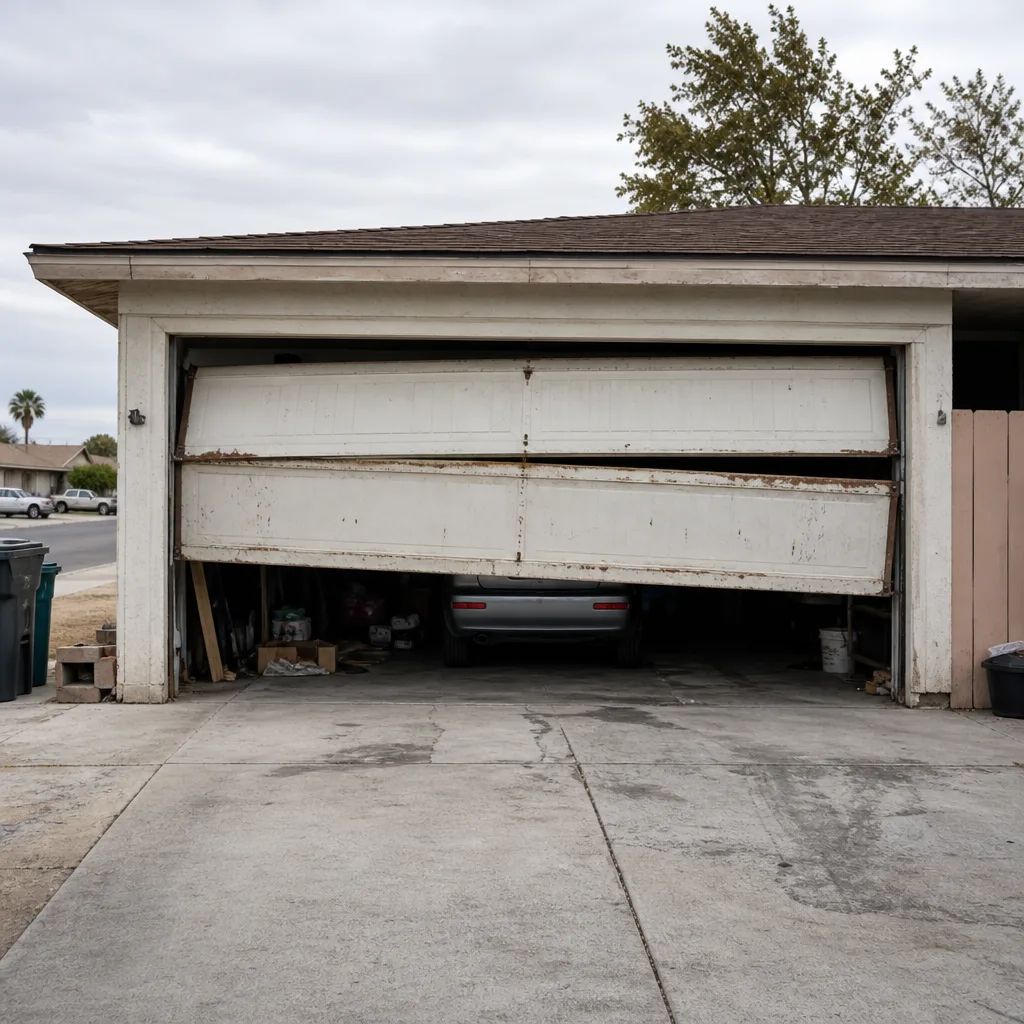 Before
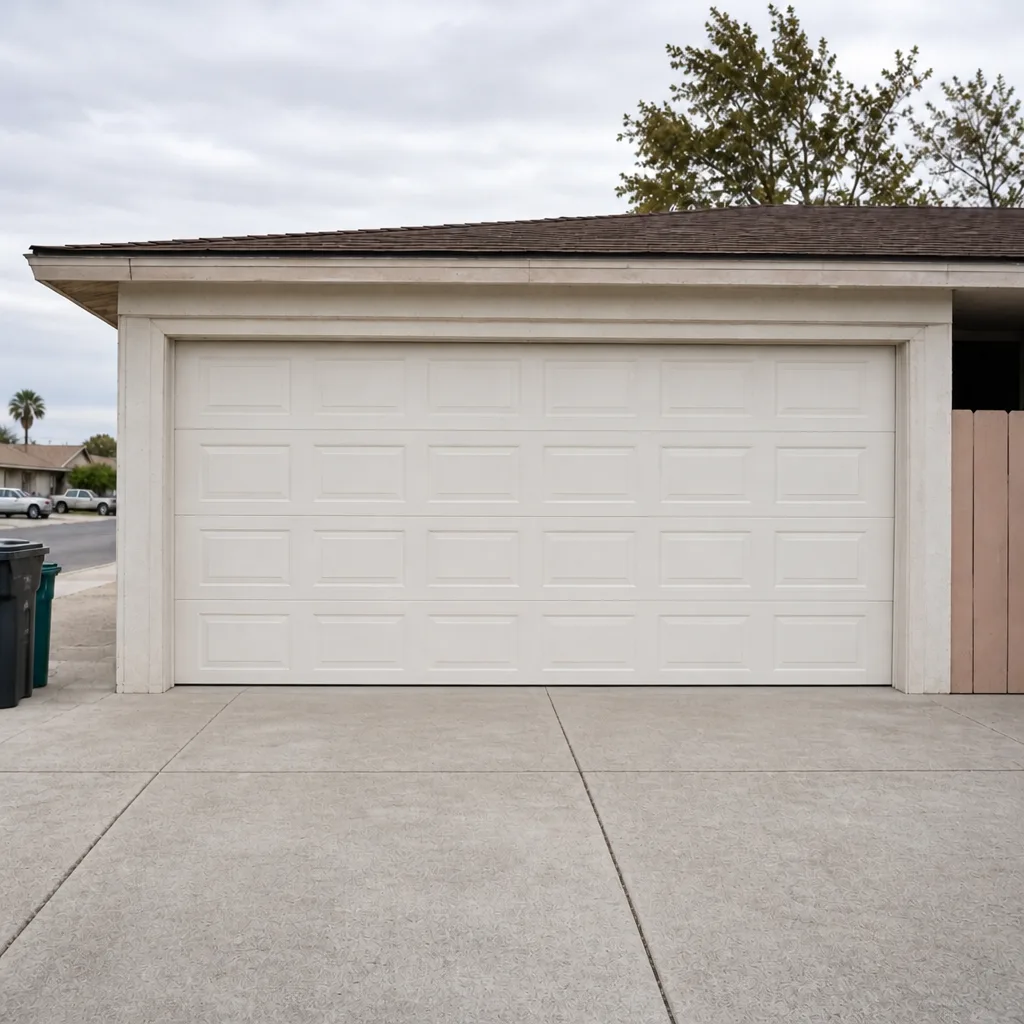 After
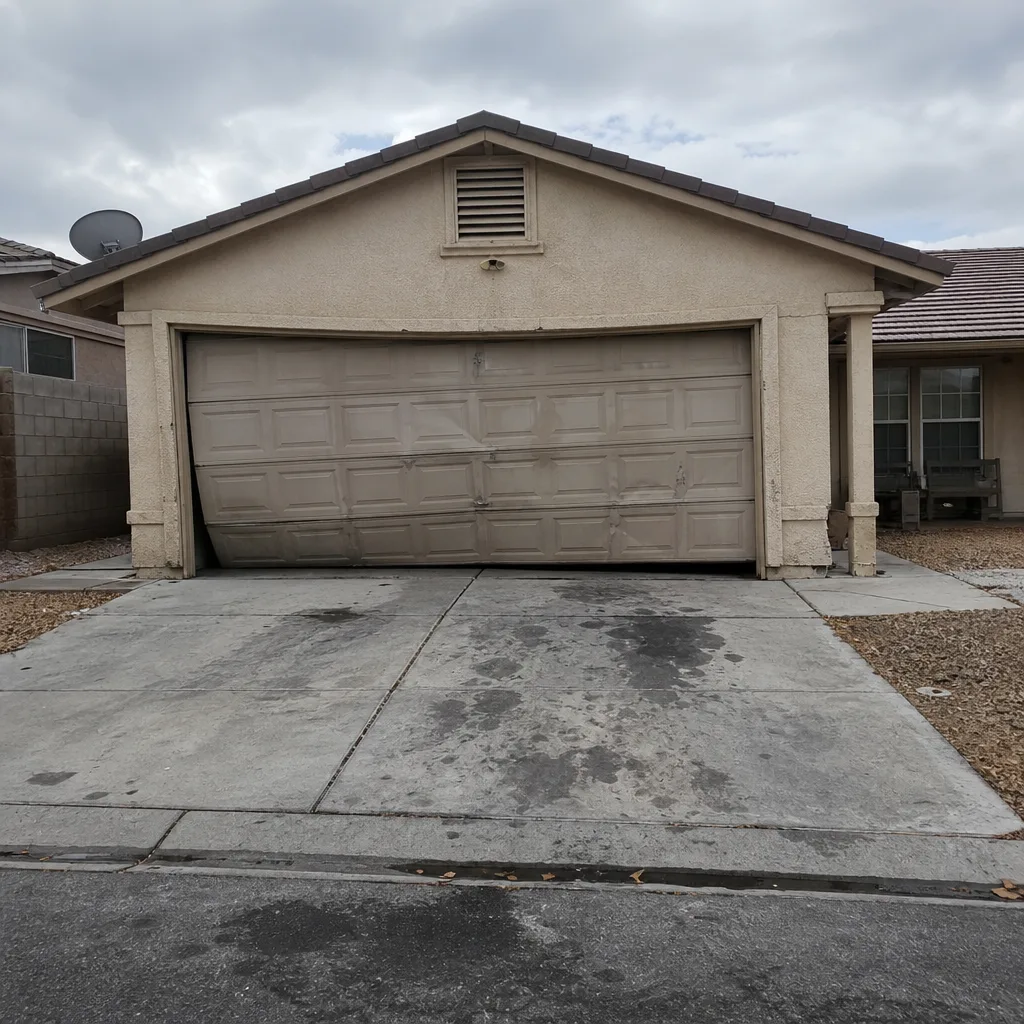 Before
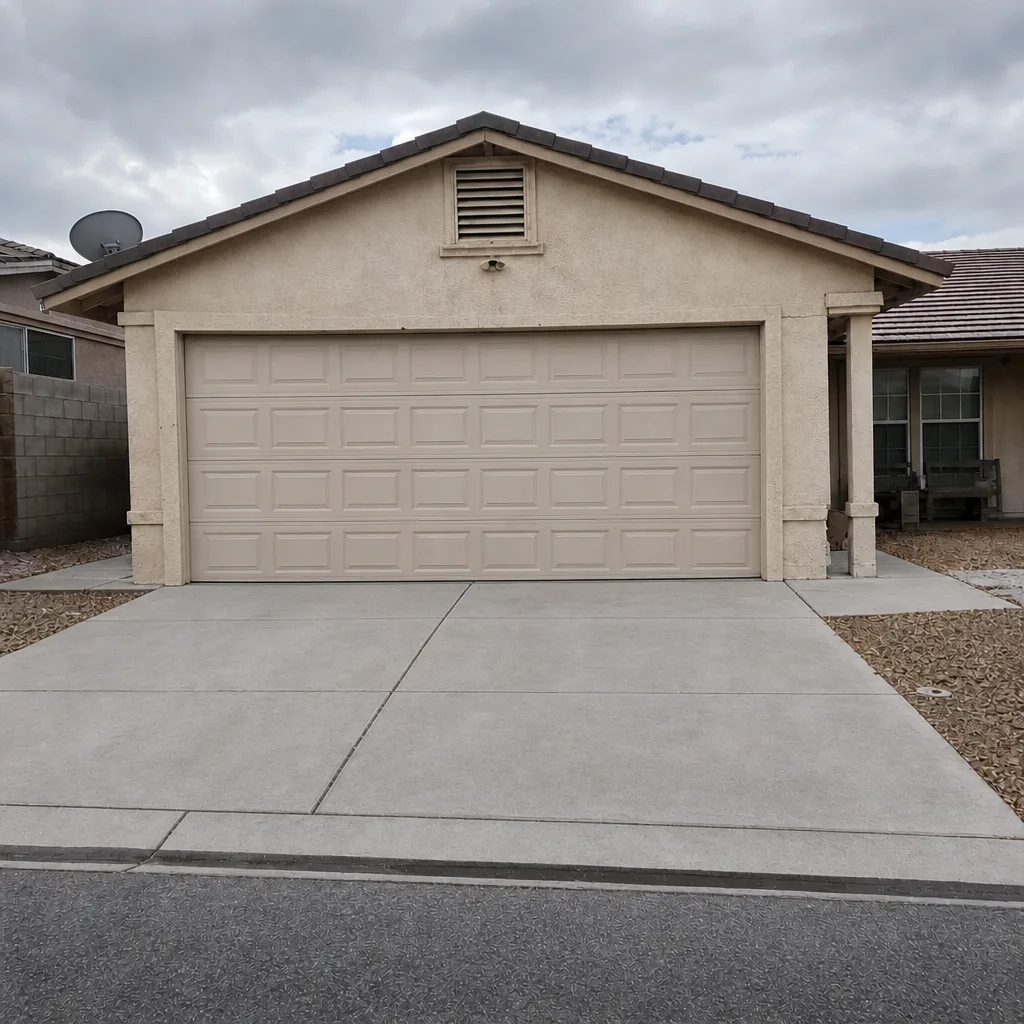 After
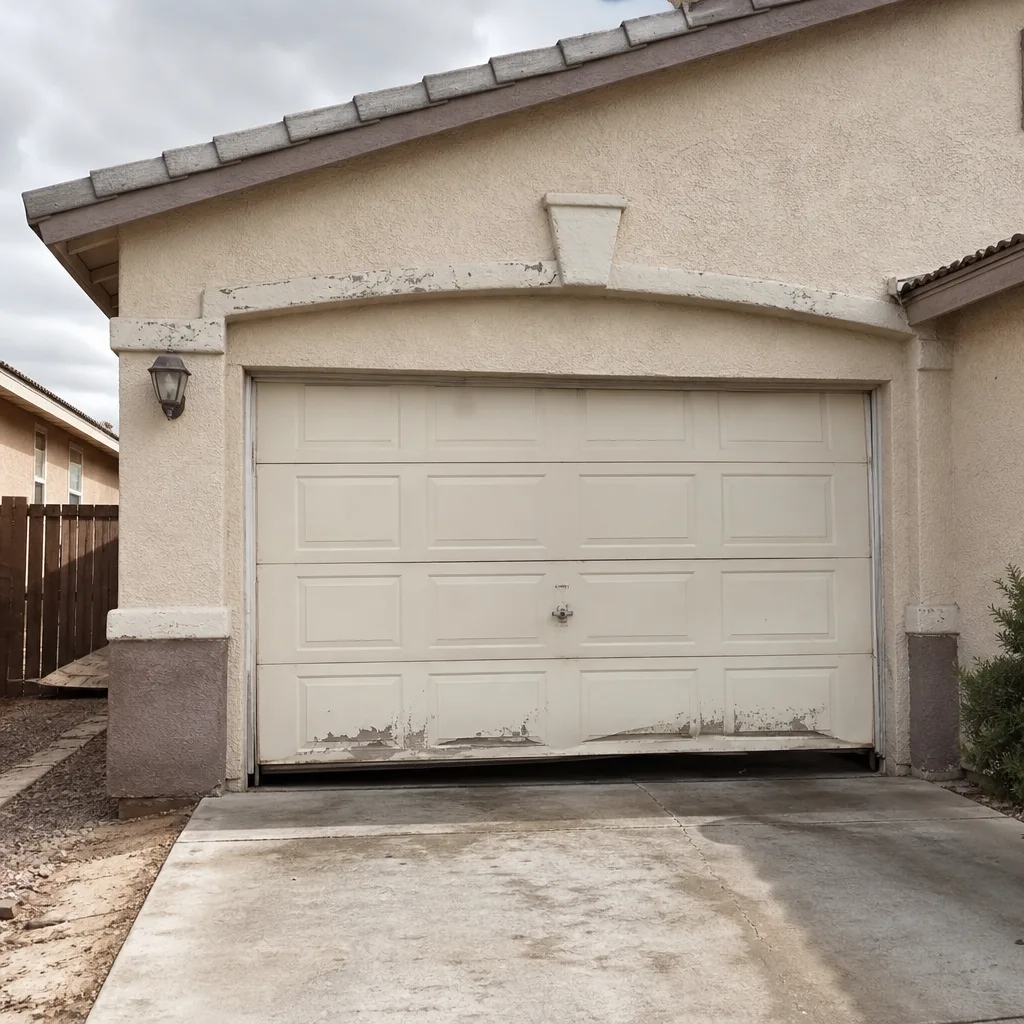 Before
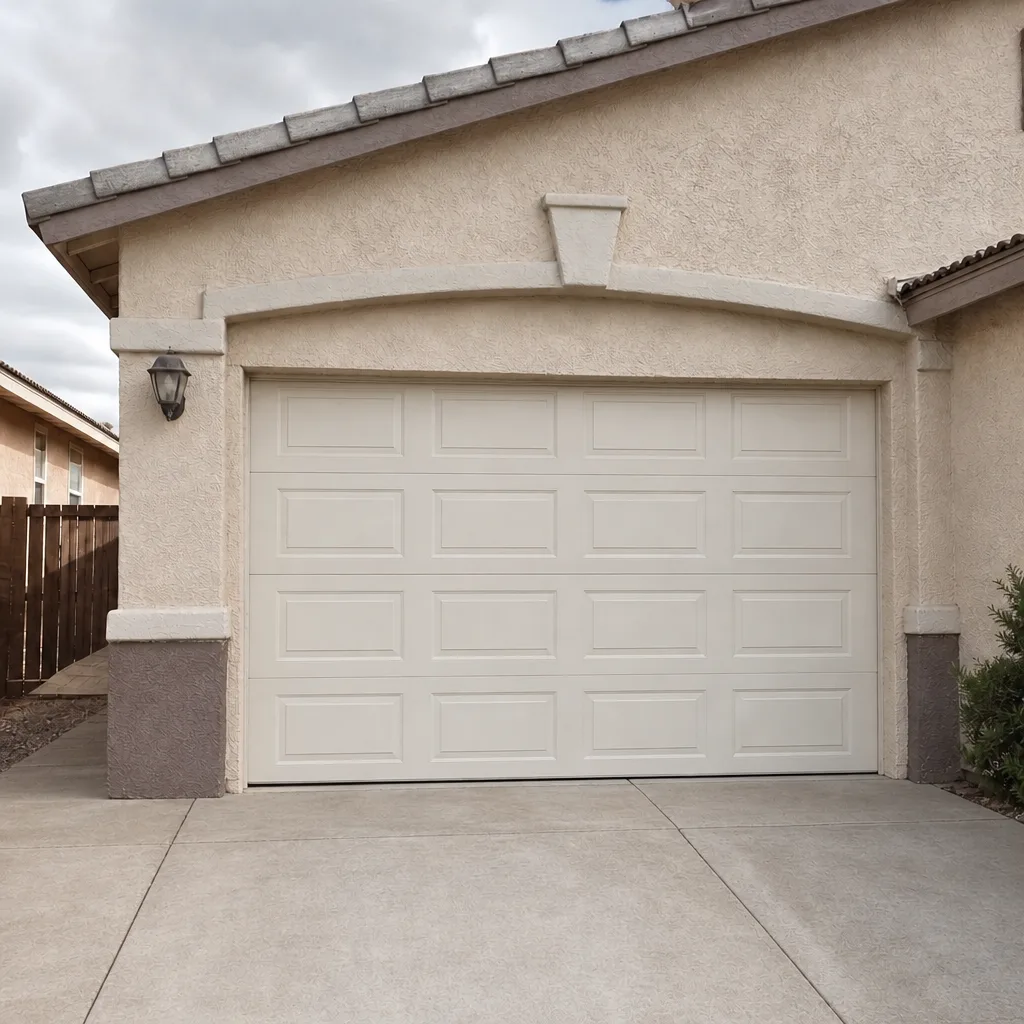 After