
Last updated November 18, 2026
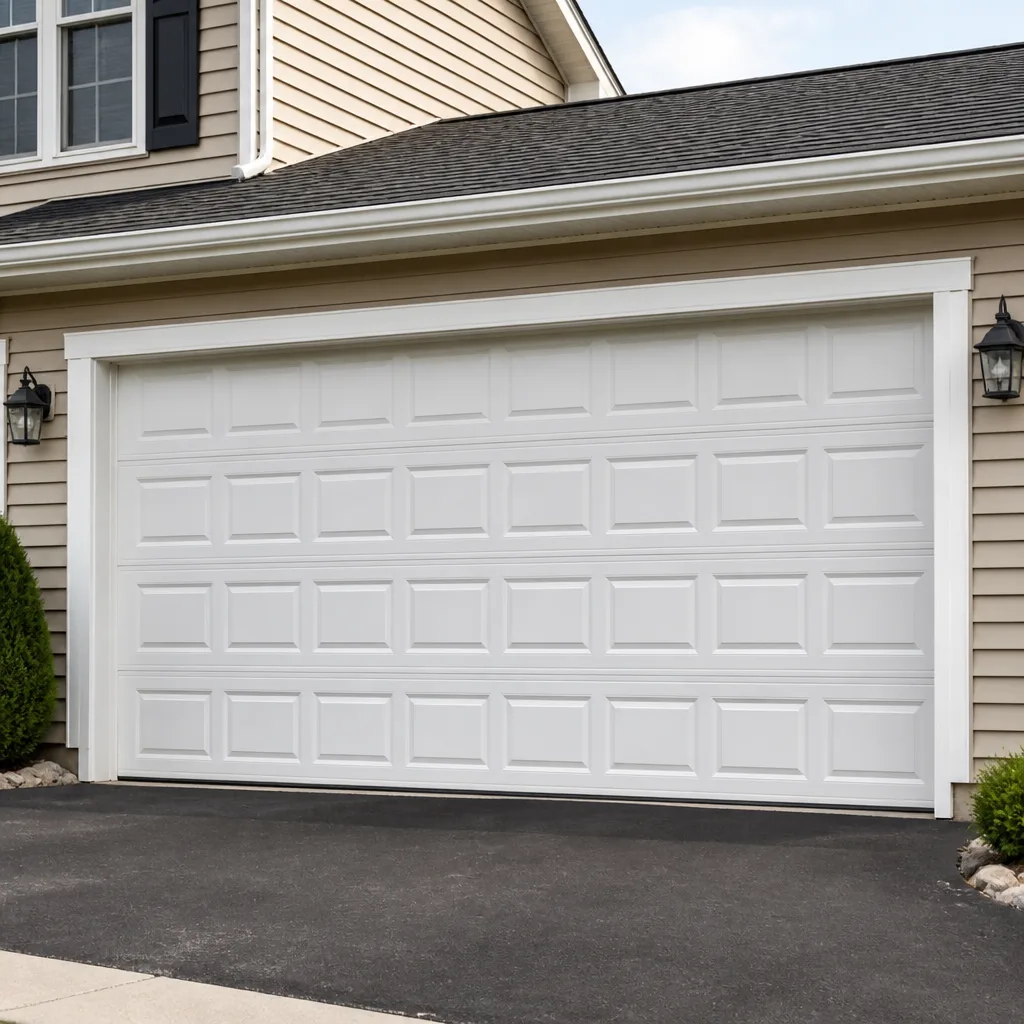 Raised-panel steel
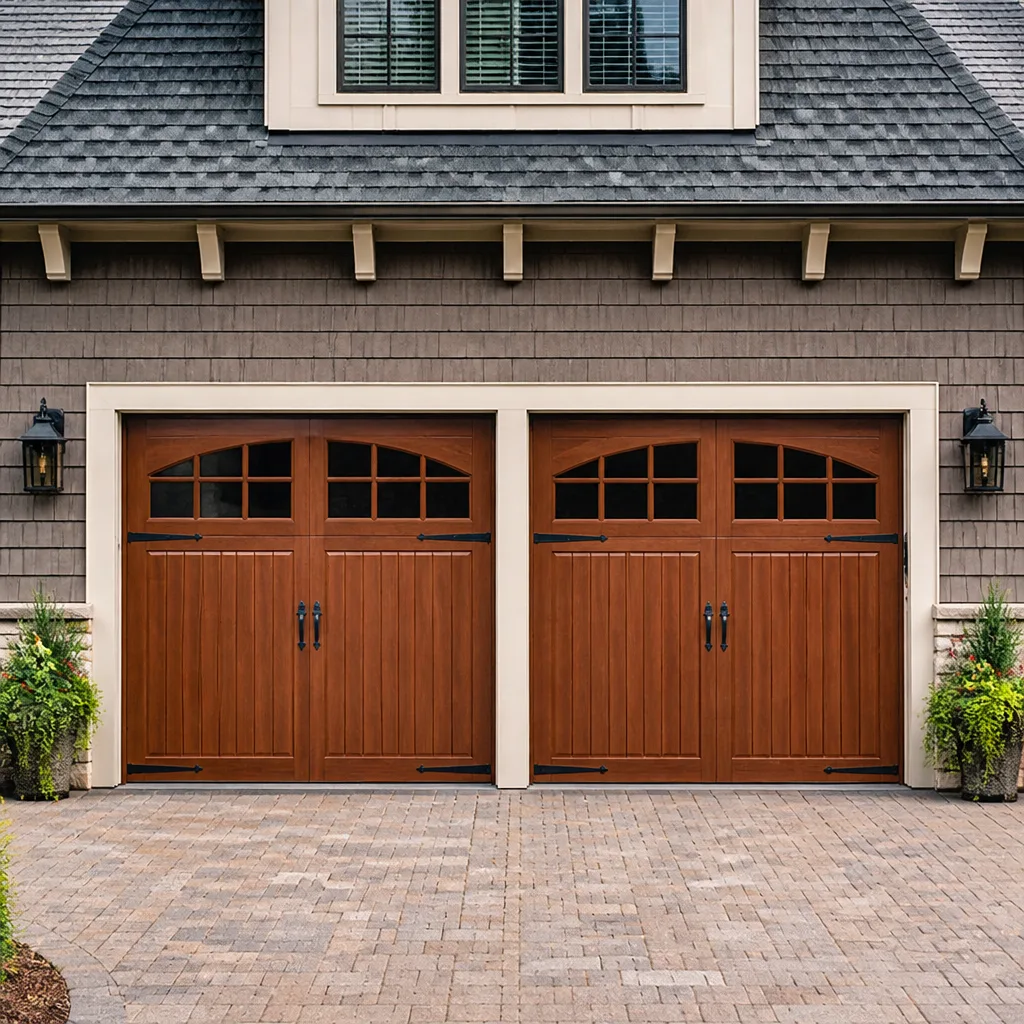 Carriage house
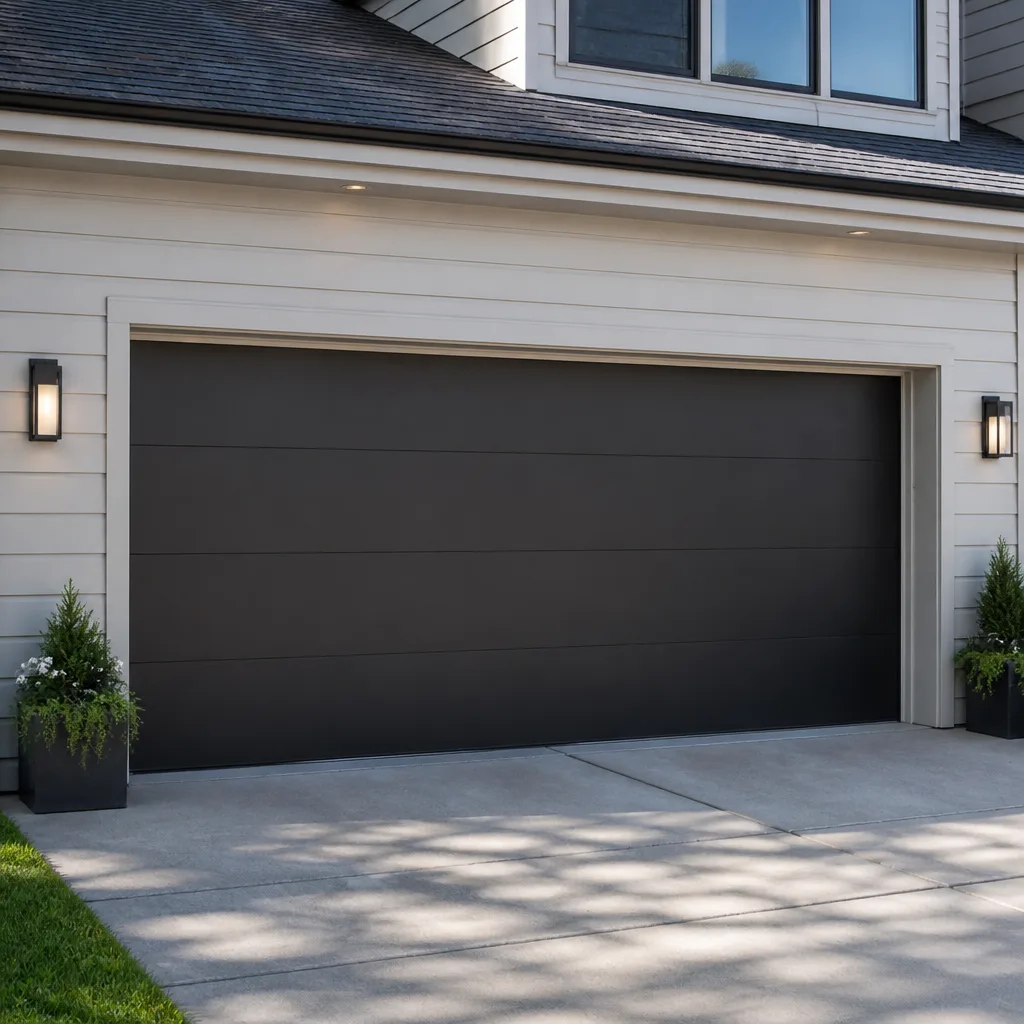 Modern flush
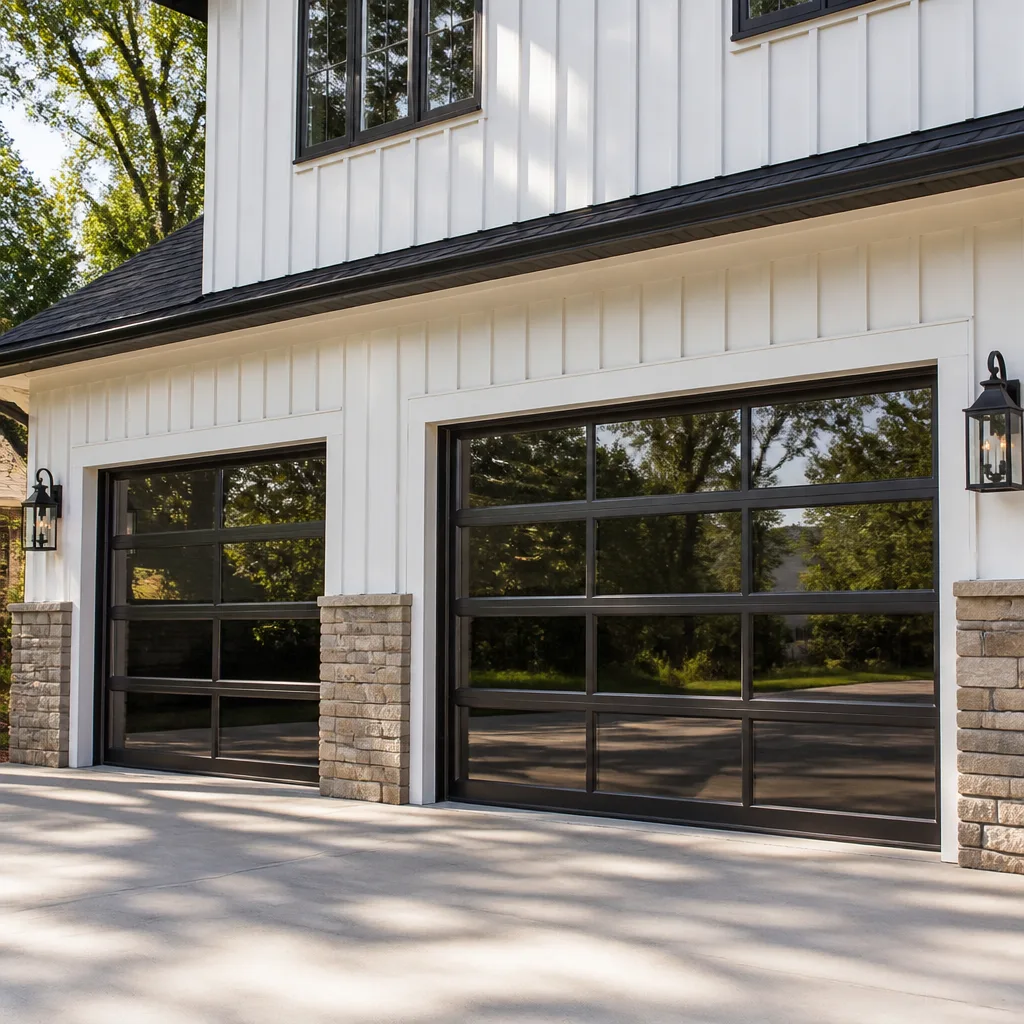 Full-view glass
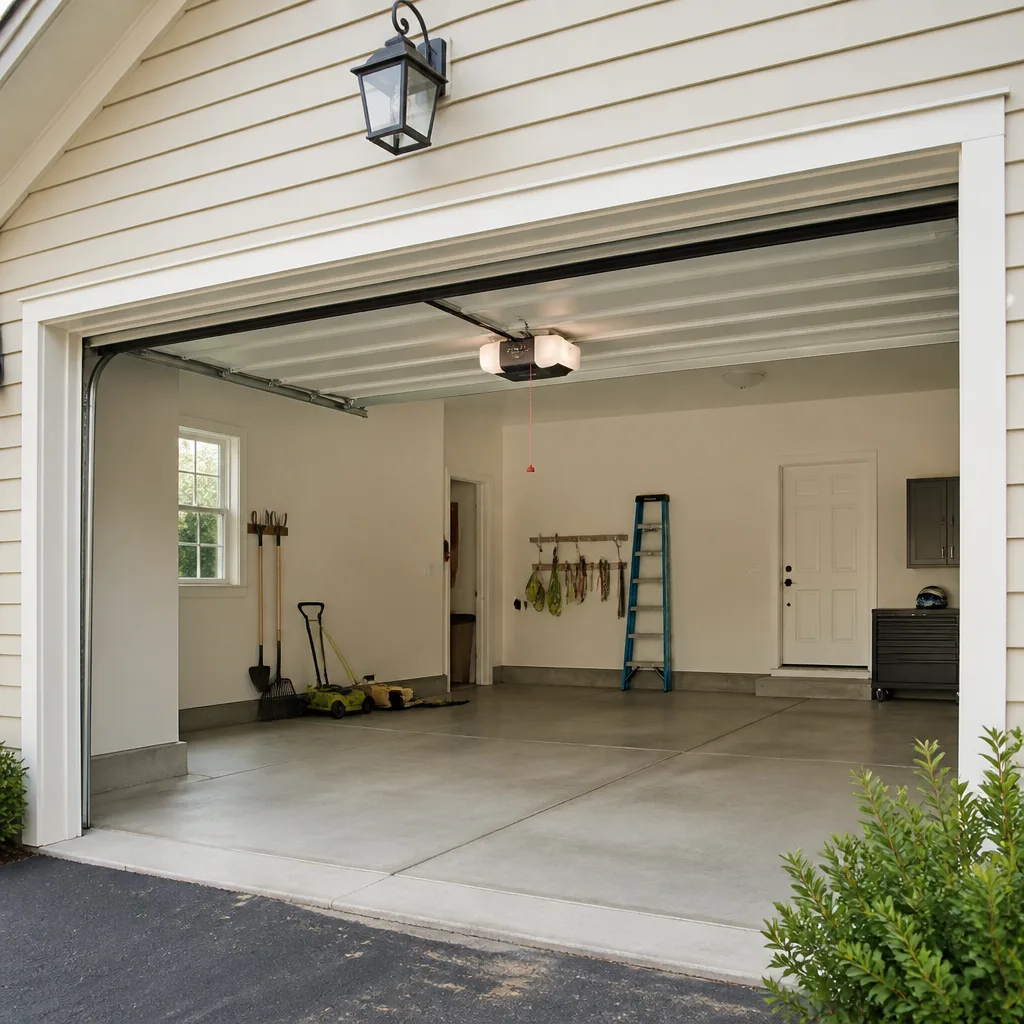 LiftMaster openers
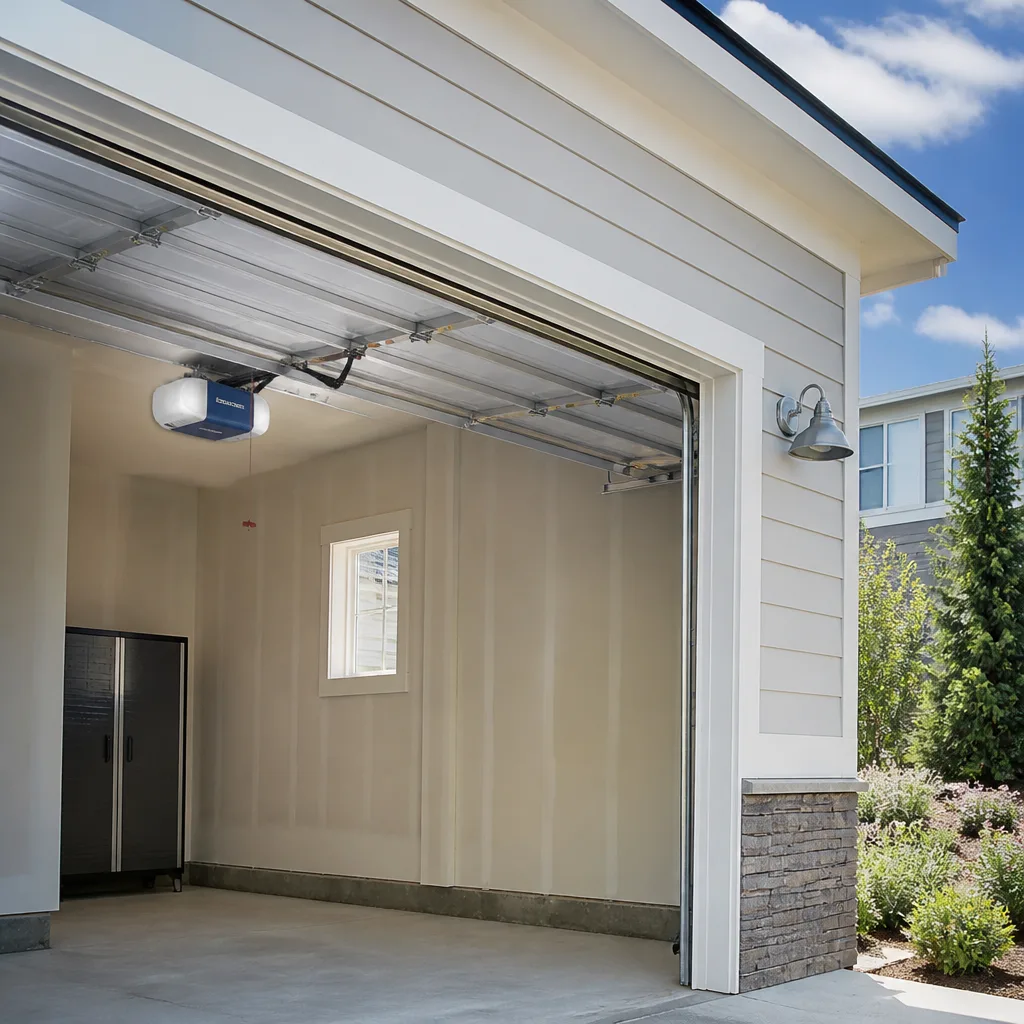 Chamberlain openers
Full 25-point door and opener safety check with every visit - springs, cables, rollers, tracks, and your LiftMaster or Chamberlain opener included
You get a price before we start. It does not change when the pro arrives.
Get your free estimateDIY vs Professional Garage Door Installation: What’s Safe to Do Yourself
We’ve replaced three garage doors in North Las Vegas in the past two years that homeowners installed themselves. In each case, the owner got the panels level, the tracks true, and the weatherstrip tight. In each case, the door worked fine for about six months, then the opener motor burned out. The culprit was always the same: springs wound to the wrong count, so the opener spent every cycle dragging a door that should have been lifting itself. Here’s what you can safely handle yourself, what you can’t, and why the spring setup decides whether your weekend project is a bargain or a money pit.
Quick Answer
You can safely hang panels, mount tracks, and install weatherstrip yourself if you’re handy and patient. You should not wind, size, or adjust torsion springs yourself. That step requires calibrated tools, exact wire and wind-count math, and it’s where an otherwise solid install fails within a year. If you’re in North Las Vegas and your door is heavier than a standard single-car Clopay or Wayne Dalton panel door, the math gets harder and the risk goes up. Professional installation takes a crew about four hours and comes with a workmanship guarantee. A DIY job takes two people a full weekend and comes with a lot of guessing.
Styles & brands we work with
- Raised-panel steel
- Carriage house
- Modern flush
- Full-view glass
- LiftMaster openers
- Chamberlain openers
Table of Contents
- What a Competent DIYer Can Actually Handle
- The Spring Sizing Problem Nobody Warns You About
- DIY vs Professional: The Honest Cost and Time Comparison
- The Clark County Permit Question for DIY Installs
- If You Go DIY: Three Non-Negotiables
- Why North Las Vegas Heat Changes the Equation
- Common Mistakes to Avoid
- When to Call a Professional
What a Competent DIYer Can Actually Handle
Let’s draw a fair line. A homeowner with decent tools and a willingness to measure twice can legitimately do most of a garage door install in North Las Vegas. Here’s what falls on the safe side:
- Hanging panels. If you can hang a heavy exterior door, you can hang garage door panels. The trick is getting the bottom section level and shimmed before you stack the rest. Measure the diagonal from corner to corner on each section; if the numbers match, the panel is square.
- Mounting vertical tracks. Plumb the verticals to within 1/8 inch over their full run. A laser level beats a bubble level here, and it’s worth borrowing one.
- Installing horizontal tracks and the rear hanger. Follow the manufacturer’s drop measurement for your door height. Get the rear hanger braces anchored into solid framing, not drywall or thin sheathing.
- Weatherstrip and bottom seal. This is the easy part. A new bottom seal on a well-hung door in a North Las Vegas summer is what keeps the dust and the 110-degree air out of your garage.
- Mounting the opener. If your ceiling framing is sound and you can read a manual, this is within reach. Programming a Garage Door Opener Repair & Installation in North Las Vegas job yourself is fine if the spring work is already correct.
What falls on the other side of the line: torsion spring winding, cable tensioning on high-lift or dual-spring setups, and anything involving a door over 8 feet wide or a custom Amarr that needs cut-down panels.
Here’s the part that matters. A door is 200 pounds riding on two springs. Respect it. The springs hold the weight, not the opener, not the tracks, not the panels. Get the spring work wrong and everything downstream is compromised.
The Spring Sizing Problem Nobody Warns You About
This is the heart of it. Most DIY guides tell you to pick your spring based on door weight. That’s like picking a tire by the color of the car. The weight is one input among five, and the other four are the ones that burn people.
A proper spring sizing calculation needs all of the following:
- Door weight, measured – not guessed from a spec sheet, because insulation, glass, and hardware all add pounds.
- Track radius and drum diameter – a 12-inch radius track takes a different spring than a 15-inch radius on the same door. The drum diameter sets how much cable you pull per turn.
- Desired cable travel – the vertical distance the cables travel as the door opens. Get this wrong and the door either won’t open all the way or slams shut under load.
- Spring wire gauge and inside diameter – these two numbers decide the spring’s lifting capacity, and they’re not interchangeable. Two springs of the same length with different wire gauge have wildly different tension.
- Wind count – how many quarter-turns you put into the spring to load it. Under-wind it and the door is heavy; over-wind it and the spring has a short, dangerous life.
When a homeowner guesses the wind count, they usually err on the low side because the door feels hard to turn. That under-tensioned spring means the opener motor pulls the whole door on every cycle. It works for a while, maybe six months, then the motor burns out. We’ve seen exactly that failure three times in North Las Vegas neighborhoods, and each repair replaced a perfectly fine-looking door because the spring math had been wrong from day one.
I count spring cycles the way you count tire miles. A spring has a rated cycle life, and an under-tensioned one cycles out faster than it should. So does the motor pulling it.
DIY vs Professional: The Honest Cost and Time Comparison
Here’s the comparison most people want, laid out straight. Numbers vary by door size, brand, and whether you’re sticking with a standard single-car Clopay or Wayne Dalton or moving up to an insulated double-car Amarr. These are typical North Las Vegas ranges, not promises:
| Line Item | DIY Estimate | Professional Estimate |
|---|---|---|
| Standard single-car steel door (Genie or similar) | $450-$850 | $450-$850 (same, you buy the door) |
| Insulated double-car door (Clopay or Amarr) | $1,200-$2,400 | $1,200-$2,400 (same) |
| Springs (pair, properly sized) | $50-$120 | included in install |
| Torque wrench + winding bars + laser level | $150-$300 (you keep them) | n/a |
| Labor | Two people, 14-20 hours | Crew of two, about 4 hours |
| Workmanship guarantee | None | Yes, in writing |
| Permit (if required) | You pull it, you own the inspection | Handled |
So the DIY door costs you the door plus $150 to $300 in tools plus a full weekend of two people’s time plus, if you’re honest about it, a couple of trips back to the hardware store. The professional job costs the same door plus labor, and you get a crew who has hung a few hundred of them and a written guarantee. The math tilts DIY if you’re already handy, own the tools, and enjoy the work. It tilts professional fast if you’ll be paying someone to redo the springs anyway.
And here’s the pitch I’d make to anyone in North Las Vegas: Garage Door Installation in North Las Vegas is measured, ordered, and scheduled. We don’t promise same-day new doors, because you have to pick the door first. What we do promise is a free measure and a written price before anything is ordered. That price doesn’t change between the phone and the driveway.
The Clark County Permit Question for DIY Installs
This trips up more North Las Vegas homeowners than any other step. Whether you need a permit for a garage door replacement depends on the scope. Swapping a door in the same opening with the same size is generally treated as a repair and doesn’t require a permit. Changing the opening size, adding a door where there wasn’t one, or altering the structural header does require a permit and an inspection.
What Clark County inspectors actually look for on a garage door install, in our experience:
- Track anchoring into framing, not into drywall or sheathing. This is the first thing they check and the most common DIY miss.
- Rear track hanger strength. The horizontal tracks need proper rear support, and a bracket screwed into a thin ceiling joist won’t pass.
- Spring and cable routing matching the manufacturer’s installation manual for that specific door model.
- Safety features on the opener: photoelectric eye alignment and a functioning auto-reverse. That’s a code requirement, not a courtesy.
- Proper labeling on the door and opener showing the model and compliance ratings.
Here’s the honest answer on the signature: a DIY install can pass inspection as a homeowner-pulled permit, but the inspector will look harder because there’s no licensed contractor signature on the card. If anything’s off, you’re the one redoing it and re-scheduling the inspection. That’s a real cost in time, and in North Las Vegas, in June, inspections back up.
If You Go DIY: Three Non-Negotiables
If you’re going to do it, do it right. Three pieces of equipment and practice, every single time, no exceptions:
- A torque wrench. Not an impact driver, not “tight enough.” Garage door hardware has published torque specs, and the bolts holding your tracks and bracket plates need to hit them. Under-torqued bolts back out; over-torqued bolts strip the bracket and the door comes off the track. This is a $60 tool that separates a working install from a dangerous one.
- A proper winding bar set. Two bars, matched to your spring size. Not screwdrivers, not pipe, not a socket extension. If you don’t own a winding bar set, borrow or buy one. Winding with the wrong tool is how people break wrists and knuckles. I’m not going to describe the winding procedure here because it’s a two-person job with real injury risk, and a guide isn’t the right teacher.
- A second set of hands during the spring wind. Every single time. One person winds, one person stands ready to hold the bar and to keep everyone clear of the winding cone. Never do the spring setup alone, no matter how confident you are. This is the single biggest safety rule in the trade.
If you can’t meet all three, don’t touch the springs. That’s the line. Hanging panels and weatherstrip is a weekend project. Winding springs is a trade.
Why North Las Vegas Heat Changes the Equation
Something most national guides skip: local climate matters. A garage door in North Las Vegas lives a harder life than one in Phoenix or in Bend. Summer temperatures on a west-facing garage face regularly push past 140 degrees at the door surface, and the springs, cables, and opener motor live in that heat year-round.
What that means in practice:
- Springs in North Las Vegas dry out and lose tension faster than the national average. A spring rated for 10,000 cycles may give you closer to 7,000 out here. If your springs are already under-tensioned from a DIY wind, that gap shrinks to almost nothing.
- Insulated doors are worth it here. The heat load on an uninsulated steel door in a North Las Vegas July is real, and it pushes through into the garage and the walls it shares with the house. If you’re replacing, spend a little more on insulation.
- Weatherstrip takes a beating. The bottom seal dries and cracks faster in our sun, so budget for a replacement every few years. It’s a cheap fix and it keeps the dust out.
- Opener motors run hotter here. An opener pulling a heavy, under-sprung door in 110-degree ambient air has a short life. That’s why we say: if the opener is straining, the problem is almost never the opener. It’s the spring.
None of this means you can’t DIY in North Las Vegas. It means the margin for error is thinner here. Get the spring math right and your door will last. Get it wrong and you’ll be calling someone like us sooner than you think.
Common Mistakes to Avoid
- Sizing springs by door weight alone. This is the mistake we see most often. It ignores drum diameter, cable travel, and track radius, and it produces under-tensioned springs that quietly kill your opener over six to twelve months.
- Winding springs with the wrong tool. Screwdrivers, bolts, and pipe are recurring stories at our shop. Use a proper winding bar set every time, or don’t wind.
- Anchoring tracks into drywall or thin sheathing. Common in North Las Vegas tract homes built in the 2000s where the framing behind the drywall isn’t where it looks. Find the studs, mark them, and anchor into real wood.
- Doing the spring wind alone. The second person is not optional. We’ve heard of more injuries from this than from anything else in the trade.
- Reusing old cables and drums on a new door. The new door is heavier, the old cables are fatigued, and the mismatch shows up within the year. Replace the whole system or install the door with its matched hardware.
- Skipping the opener’s safety reverse test. After install, walk out and test the auto-reverse with a 2×4 on the ground. If it doesn’t reverse, it doesn’t pass, and it’s not safe for a kid or a dog.
- Guessing the permit situation. A door swap is usually fine; an opening change needs a permit. Getting this wrong is expensive to reverse. Check with Clark County before you start.
When to Call a Professional
Call us if any of the following are true: your door is wider than 8 feet or heavier than a standard single, you have dual torsion springs or a high-lift setup, your ceiling framing has been modified, or you’re simply not comfortable with the spring step. Call us if your door is taller than 7 feet, if you have a custom Amarr cut-down, or if the door you bought doesn’t match the opening and needs a track adjustment.
We’re also the right call if your existing springs are past their cycle life and you’re installing a new door. A door is 200 pounds on two springs, and if those springs have already been wound to the wrong count by a previous install, you want them replaced, not reused. Otto’s Garage Door North Las Vegas offers free estimates in North Las Vegas. Call (866) 347-9495. The quote on the phone is the quote at the door, and the answer at nine on a Saturday is a live person, not a menu.
For the repair side of things on the Garage Door Repair in North Las Vegas page, or to start fresh on your Otto’s Garage Door North Las Vegas home page, we’ve laid out what each service covers.
See the difference
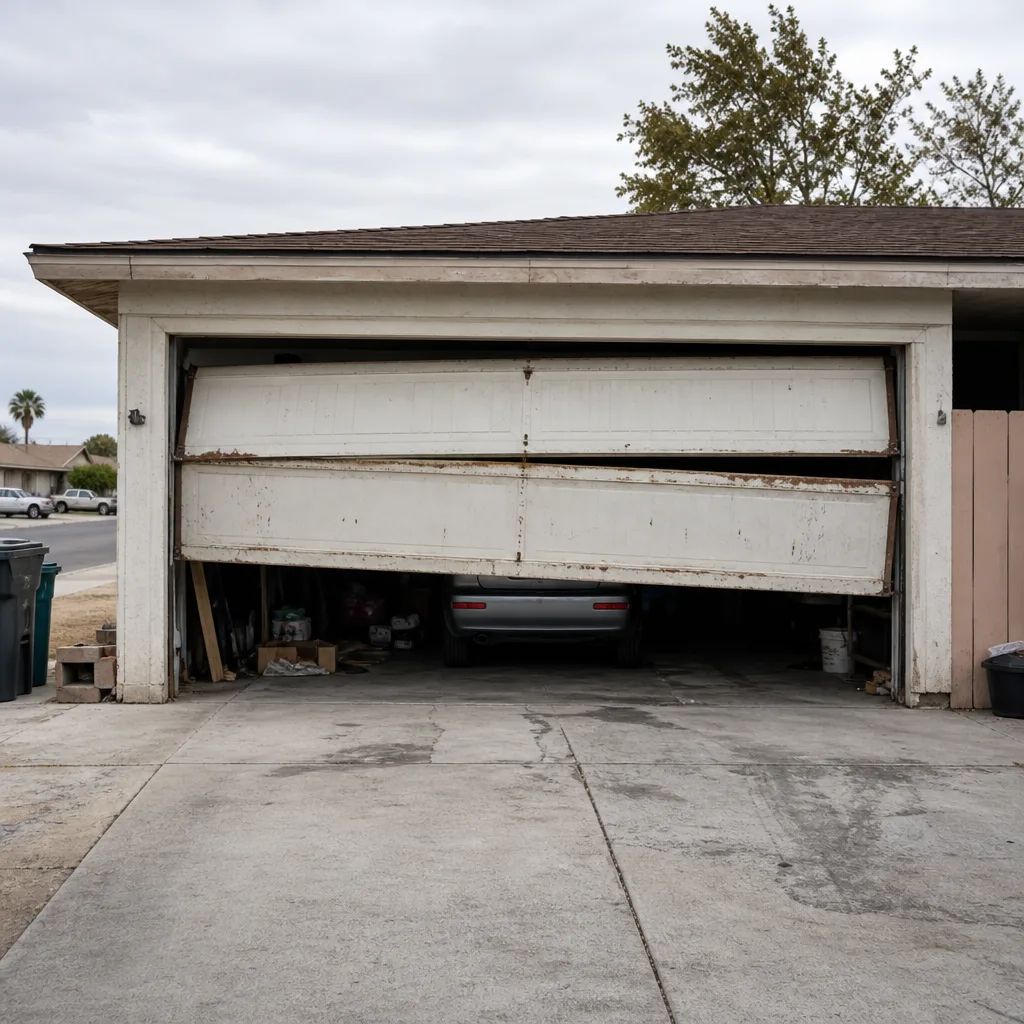 Before
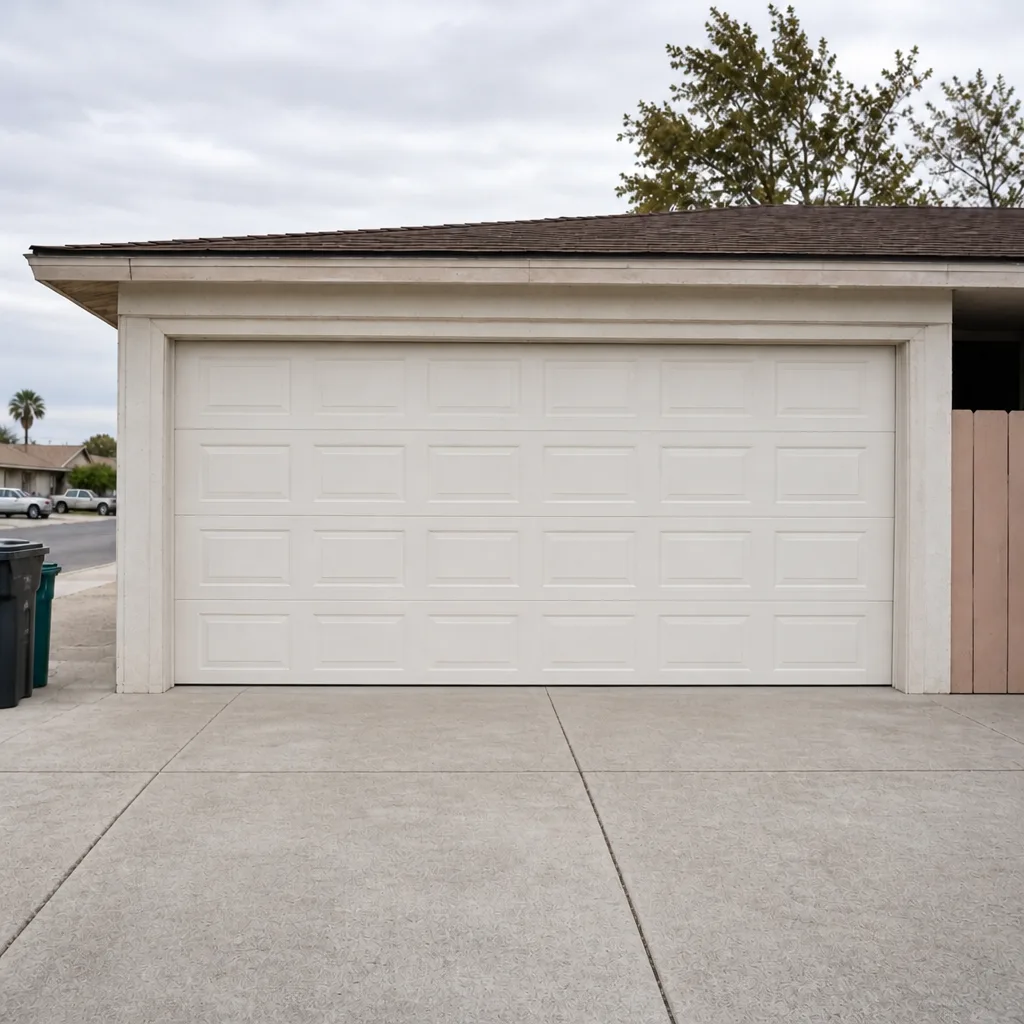 After
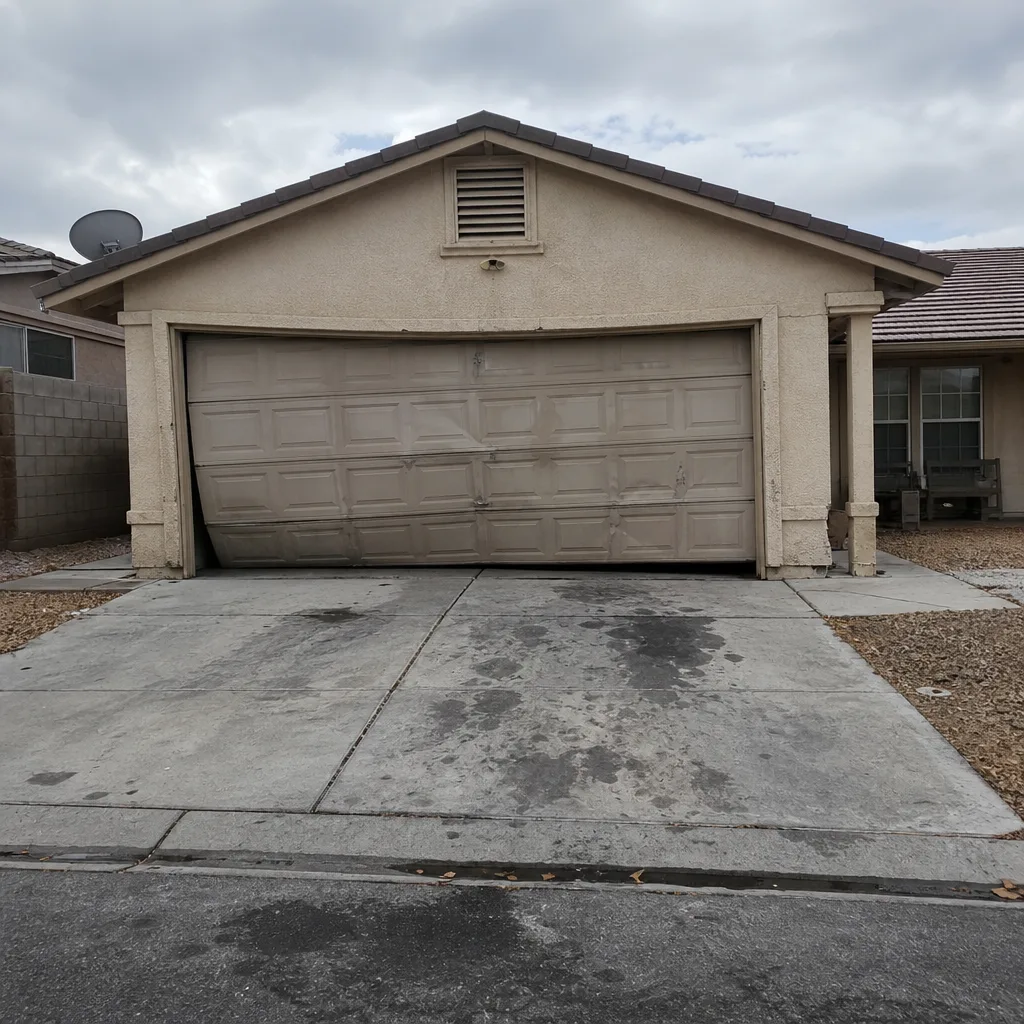 Before
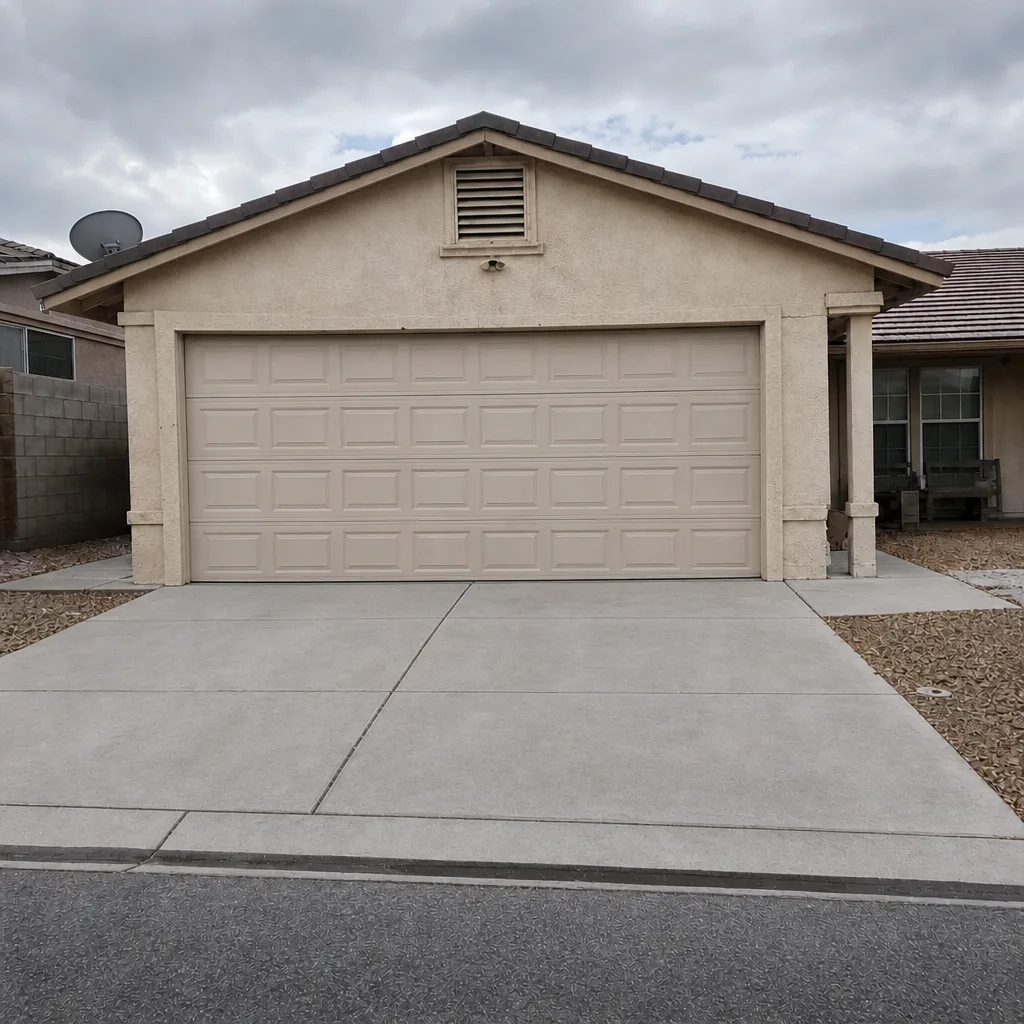 After
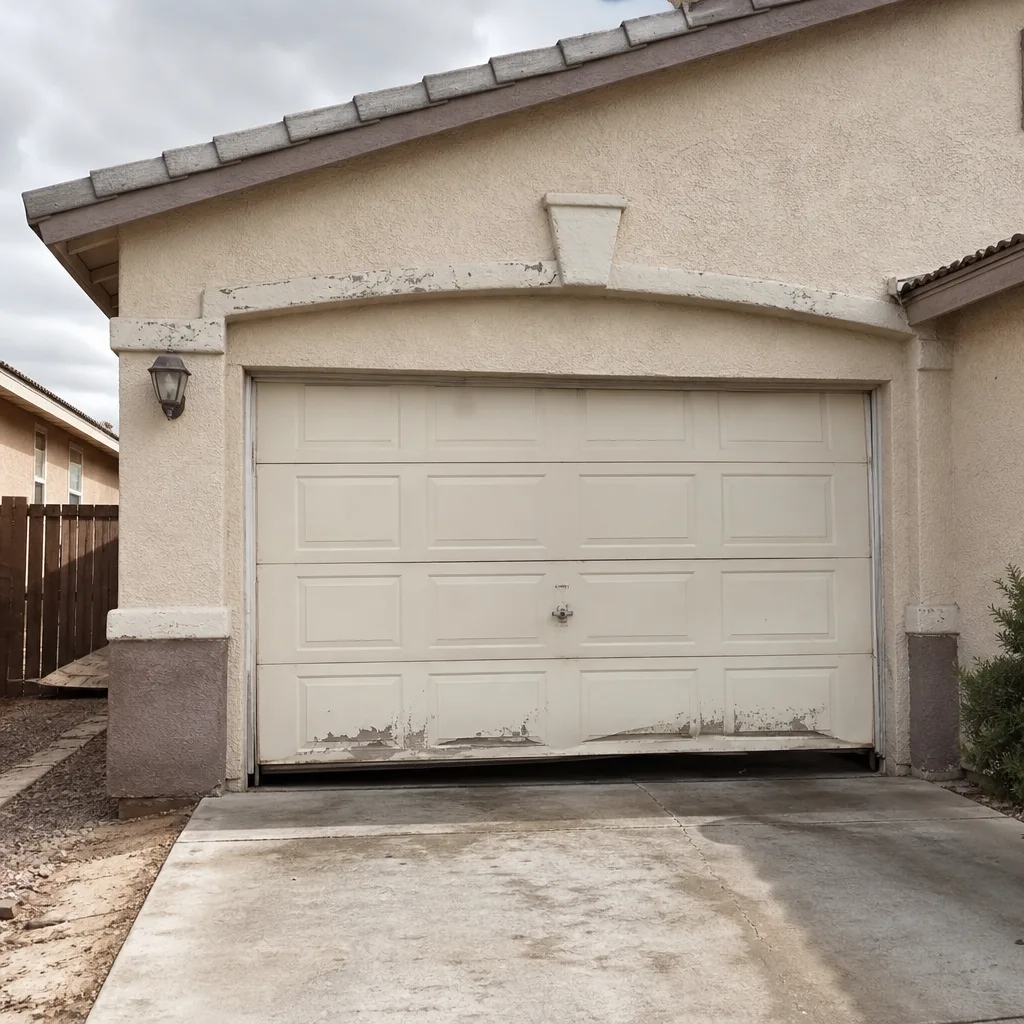 Before
 After
Frequently Asked Questions
Yes, if you’re comfortable with the mechanical work and you leave the spring winding to a pro or to a carefully measured DIY spring setup with a torque wrench, a winding bar set, and a second person. The panels, tracks, weatherstrip, and opener mount are within reach for a competent homeowner. The springs are the one step where a mistake costs you the door or the opener within a year.
A standard single-car steel door runs $450 to $850, and an insulated double-car Clopay or Amarr runs $1,200 to $2,400, with labor included in the professional install price. The door cost is the same for DIY and professional; the labor and the workmanship guarantee are the difference. Call (866) 347-9495 for an exact quote on your door – estimates are free.
No. We quote on the phone, hold that number, and it doesn’t change between the phone and the driveway. If a job turns out to need more than the quote, we tell you before we do the work, not after. That’s the deal.
Usually not, if you’re swapping a door into the same size opening with the same hardware setup. You do need one if the opening size changes, you’re adding a door, or you’re modifying the structural header. Check with Clark County before you start, because an unpermitted opening change is expensive to fix after the fact.
The door feels heavy, the opener motor has to pull the full weight every cycle, and the motor burns out within about six months. We’ve seen three cases of exactly this in North Las Vegas in the past two years. The springs and the motor both die earlier than they should, and the repair costs more than the proper spring setup would have.
Yes. Otto’s Garage Door is licensed and insured as the state of Nevada requires, with a published address and license number any homeowner can verify before we arrive. Our technicians have up to 22 years of experience and handle every major brand. The 90-Day Done Right Promise is in writing on every job, and one call to the owner brings us back if anything’s not right.
The Bottom Line
DIY garage door installation is a real option if you’re handy, patient, and honest about your limits. You can safely hang panels, mount tracks, install weatherstrip, and even mount the opener. You should not guess the spring sizing or wind count, because that’s where the whole project earns or loses its value. Do the spring math right and your door lasts fifteen years. Get it wrong and you’ll be replacing the opener motor in six months, then the springs, then wondering why you didn’t just have it done. In North Las Vegas, in this heat, the margin for error is thin. Call (866) 347-9495 for a free estimate on your install or spring work. Free second opinion on any written estimate, no trip charge inside the county, and a permanent 10% discount for seniors and veterans.
Written by the team at Otto’s Garage Door North Las Vegas.